
Snake season: What every Aussie pet owner needs to know
On this page...
Snake bites and pets
One moment, your pet is playing happily in the backyard. The next, you’re facing a serious medical emergency. This is the shocking speed and deadly reality of a snake bite, as April explains:
Winnie, my cattle dog, stumbled across a snake on our walk one morning. She was on a long leash and in my peripheral vision. When I saw her stop I looked over to see a brown snake in front of her with its head raised. April
Australia is home to nearly 200 snake species, including 25 of the world’s most venomous. Roughly 3,000 human snake bites are reported around the country every year, but only a handful are ever fatal.
It’s a different story for pets. An estimated 6,000 dogs are bitten annually, with sporting breeds most at risk. Cats are less frequently affected, but incidents still occur at around a third of the rate*.
Antivenom has dramatically improved survival rates for humans and pets. But timing is critical, and often, owners don’t realise a bite has occurred. And when these encounters can happen in local parks or even your backyard, awareness is everything.
Because I wasn’t carefully watching Winnie, I had no idea if the snake had bitten her.
Common Australian snake species
11 factsheets in this sectionYear of the Snake
In Australia, snake season typically begins at the end of winter, as snakes emerge in search of food and mates. According to PetSure claims data, incidents begin rising in September and October, peak in November and December, and taper off by May.
However, snake season is growing longer year by year. Attacks are occurring as early as August and persisting well into May.
Even in cooler months, the risk doesn’t disappear — and while regional areas see the highest incidence, snake bites can occur anywhere in Australia.
The Eastern Brown Snake (Pseudonaja textilis) is most commonly responsible for attacks on Australian pets, followed by the Tiger Snake (Notechis scutatus) and the Red-bellied Black Snake (Pseudechis porphyriacus).
Spring and summer also bring more outdoor activity. Pets, energised after winter, are more likely to roam, explore and unknowingly enter snake habitats — whether that’s bushland, long grass or even backyard hedges.
Behaviour plays a role too. Dogs may bark at or chase a snake, while cats instinctively stalk. Neither recognises the danger, increasing the likelihood of a strike.
Environmental factors can also heighten risk. Floods, fires and heavy rain can displace snakes, pushing them into suburban areas. In these conditions, snakes may be more defensive — and more likely to strike.
Once bitten
Acting quickly is critical, but recognising a bite isn’t always straightforward.
I didn’t waste a second. By the time a dog shows snake bite symptoms, it’s often too late... I picked Winnie up and started driving to the nearest emergency vet.
Bite marks are often small and easy to miss, and snakes rarely linger. If you witness an interaction or can identify the snake, that information can help guide treatment — but in many cases, uncertainty causes hesitation.
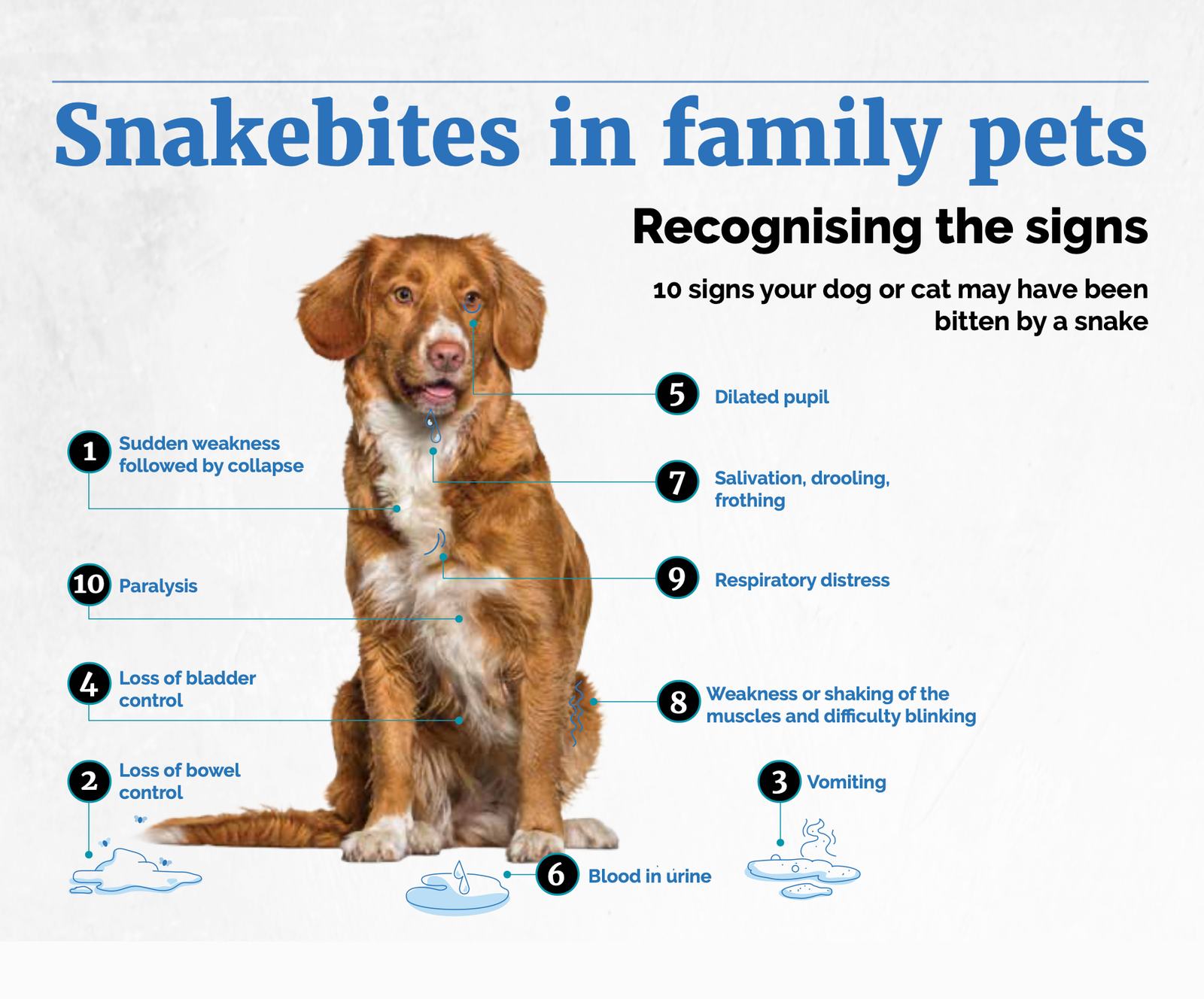
If you suspect a bite — even without certainty — watch for these symptoms, which can appear within minutes or take hours:
- progressive weakness or paralysis
- dilated pupils
- breathing difficulties
- irregular heartbeat
- muscle spasms
- collapse or unsteadiness
- vomiting
- excessive bleeding.
If any of these symptoms occur, seek urgent veterinary care.
The price of poison
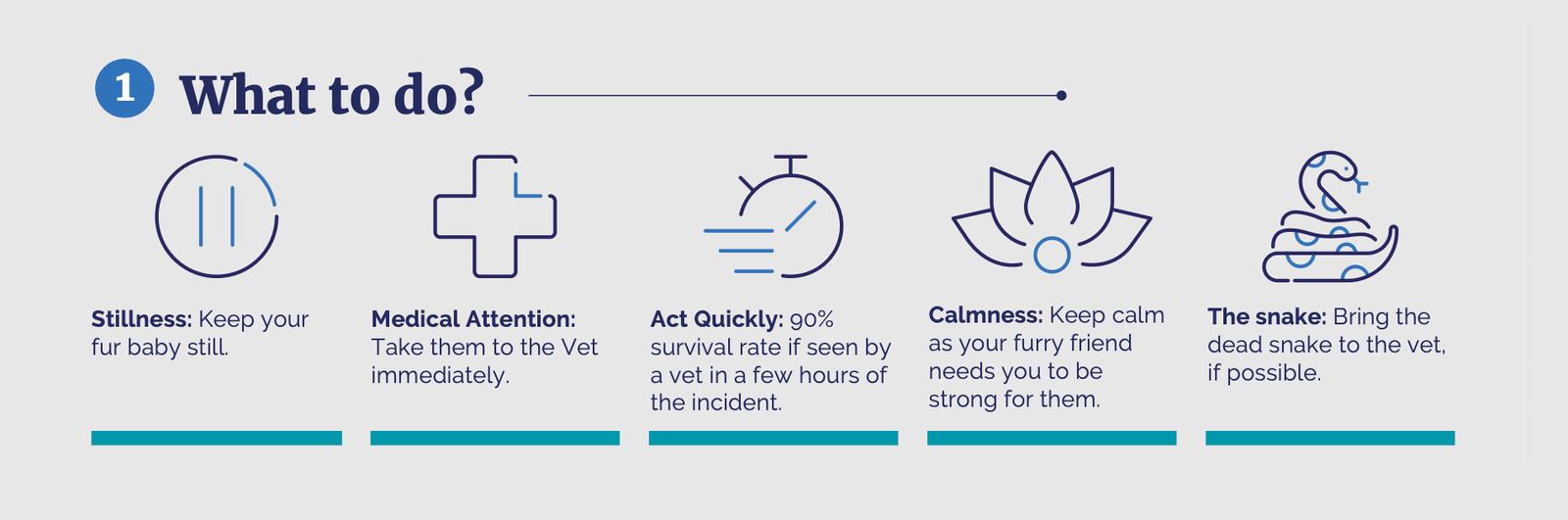
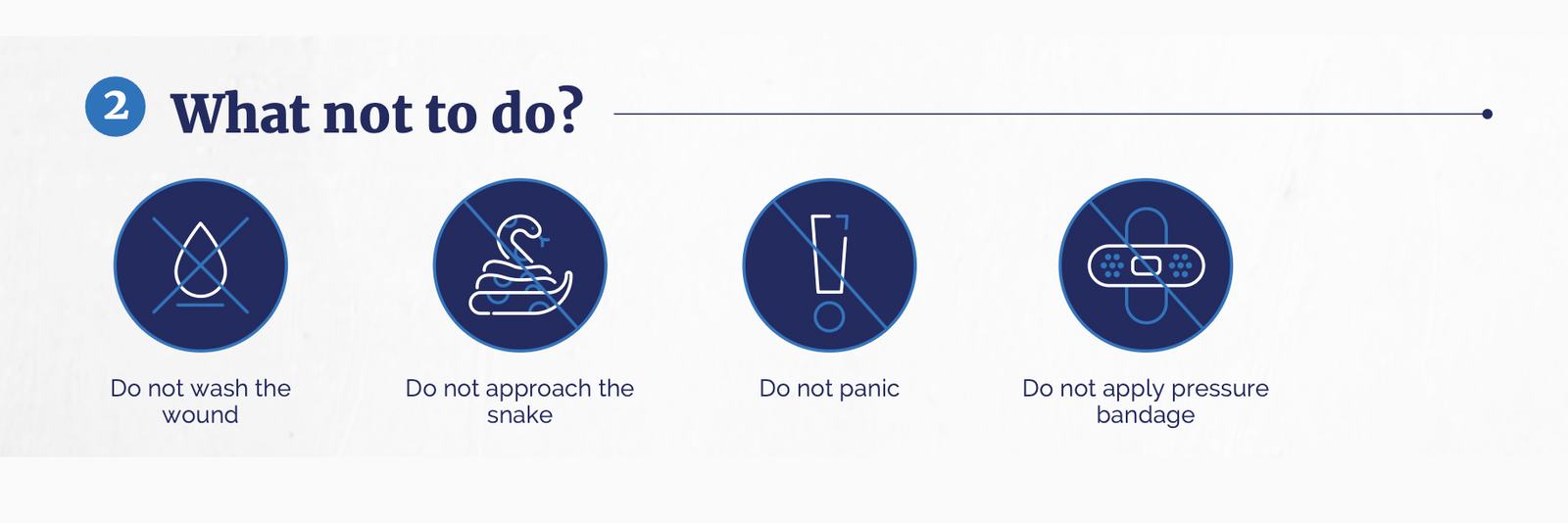
If a snake bite is suspected, keep your pet as calm and still as possible. Movement can accelerate the spread of venom. If you can, apply a firm bandage to the affected area and transport your pet to a vet immediately.
At the clinic, treatment typically involves antivenom, followed by close monitoring. If your local clinic lacks specialised equipment, your pet may be referred to an emergency facility. In severe cases, hospitalisation and supportive care — such as oxygen or ventilation — may be required.
Antivenom
As always, the best treatment is prevention. While it’s impossible to entirely prevent the risk of a snake bite in Australia, there are practical steps you can take to help keep your dog or cat bite-free. Staying in the backyard?
- keep it tidy. A snake is less likely to end up in a backyard with trimmed grass and no debris to hide among
- supervise outdoor time. Keep a close eye on your pets as they play, especially if your area is known to have snakes.
Out and about? Consider this:
- stick to clear, designated paths
- avoid long grass and dense vegetation
- keep dogs on a leash to prevent unexpected encounters.
It’s also important to know the signs of a bite and the location of your nearest veterinary clinic. In an emergency, every minute counts.
For added support, telehealth services like Live Vet can provide guidance if you’re unsure what to do or can’t immediately reach a clinic. While not a replacement for in-person care, they can help you take the right next step.
Tail end
Snake bites are sudden, confronting and potentially fatal — but they are treatable, especially with fast action.
Snake season doesn’t have to be a source of fear. Have a plan. Look for the signs. Know your vet’s location. Be prepared and you can give your pet the best chance of staying safe when snakes are about.
PetSure are a Supporting Partner
PetSure are Supporting Partners of the AM’s Bloodsuckers: Nature's Vampires exhibition.
On a mission to reduce the worries that come with being a pet owner, PetSure is all about making the world a better place for pets and their people. PetSure is a pet health tech company and leading pet insurance administrator providing a sense of security to nearly half a million people across Australia and New Zealand as the first general insurer in Australia that’s solely dedicated to pets.
Australian Pet Health Monitor 2026 © PetSure (Australia) Pty Ltd
