Rapa Nui Collections
Rapa Nui (Easter Island) is one of the world's most remote islands. The Australian Museum holds around 100 objects reflecting the rich cultural and spiritual heritage of its people.

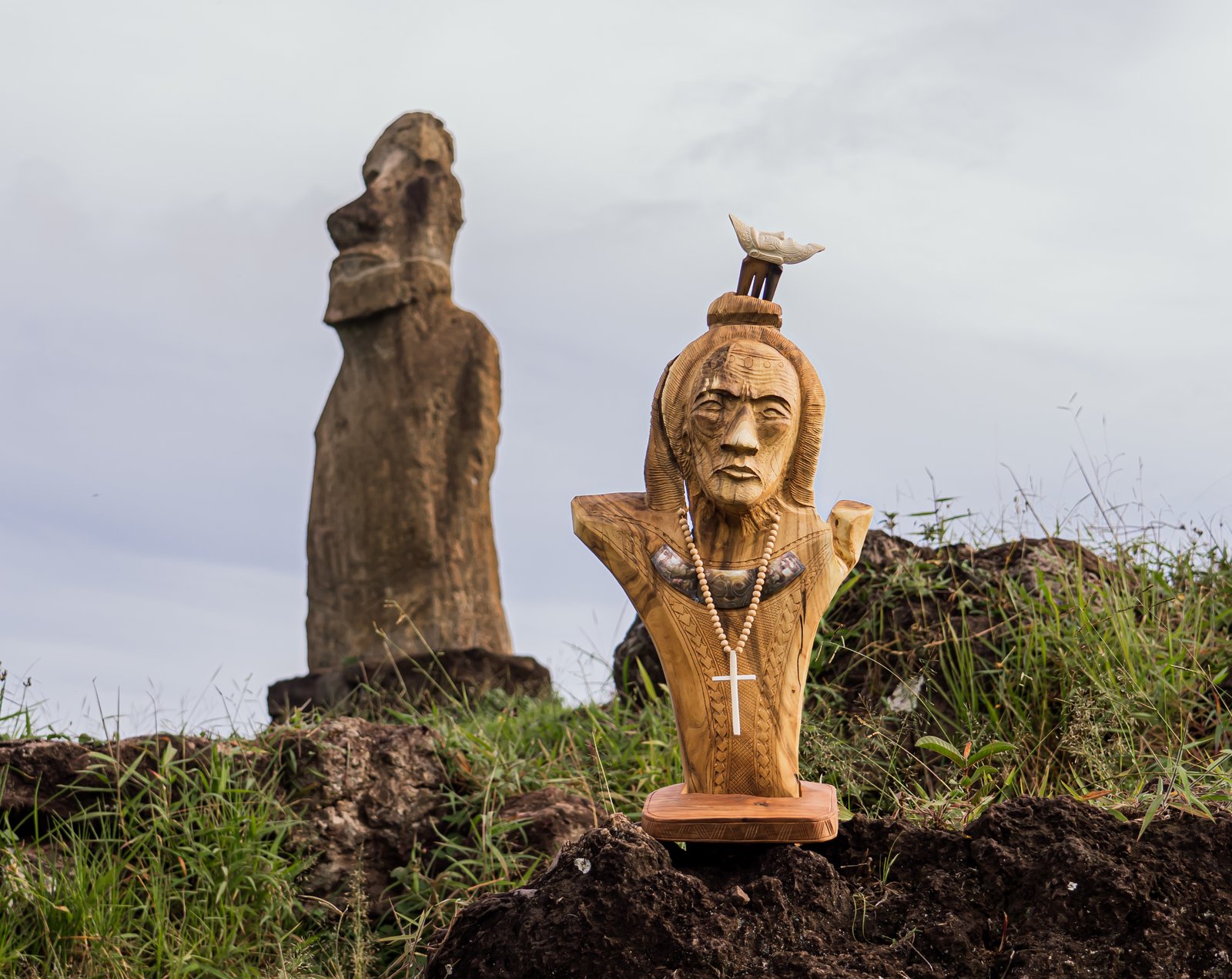
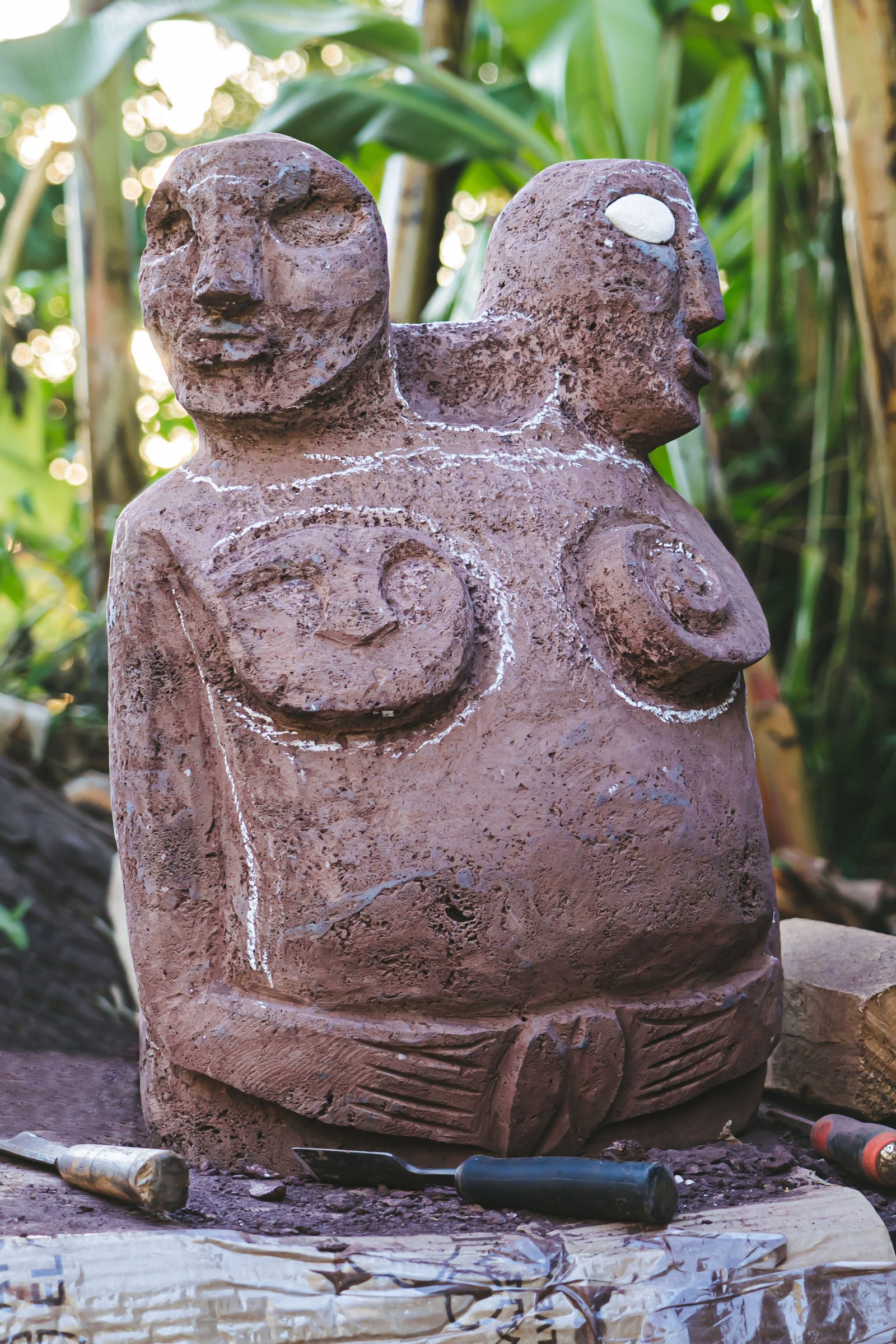
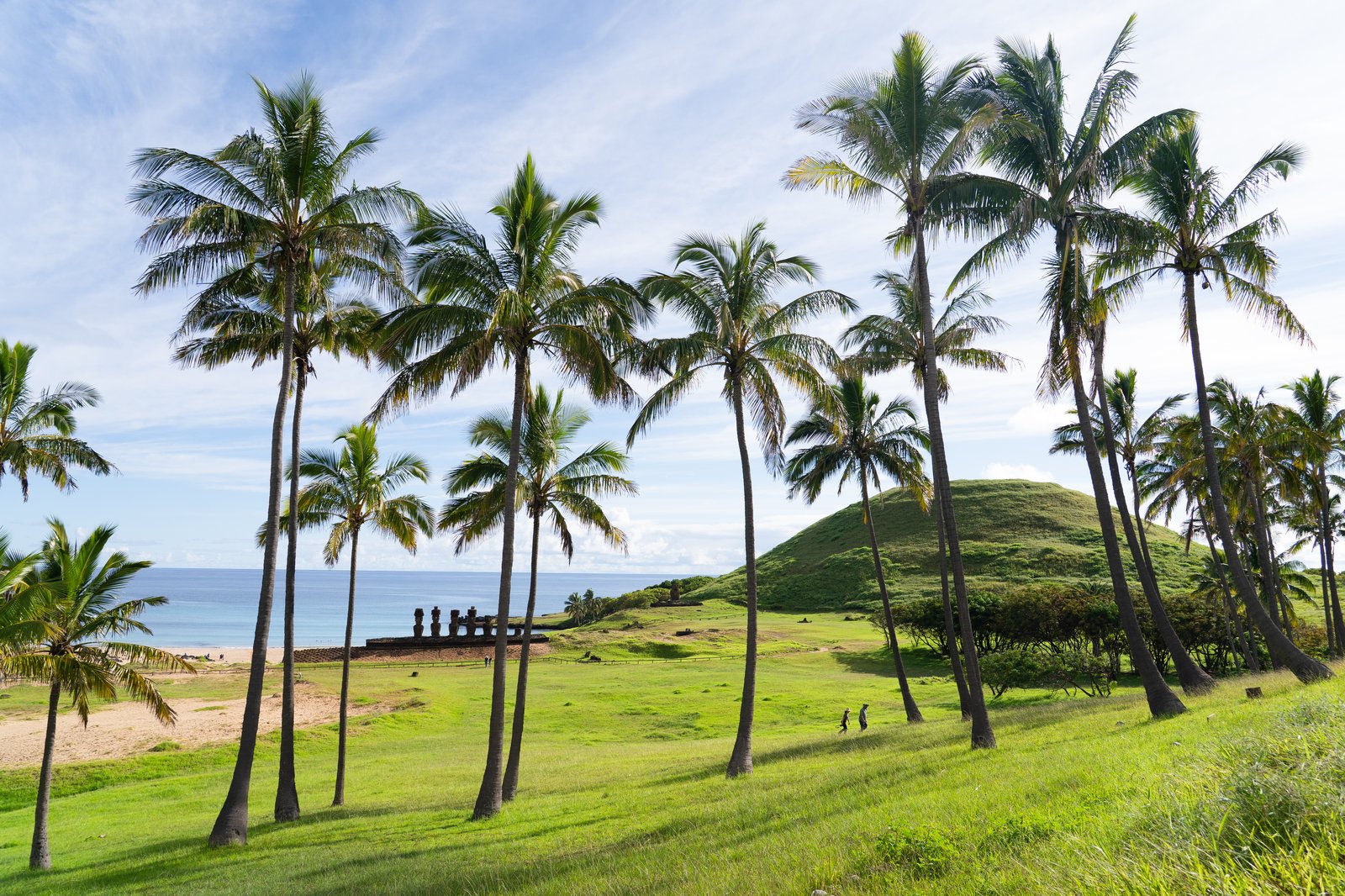
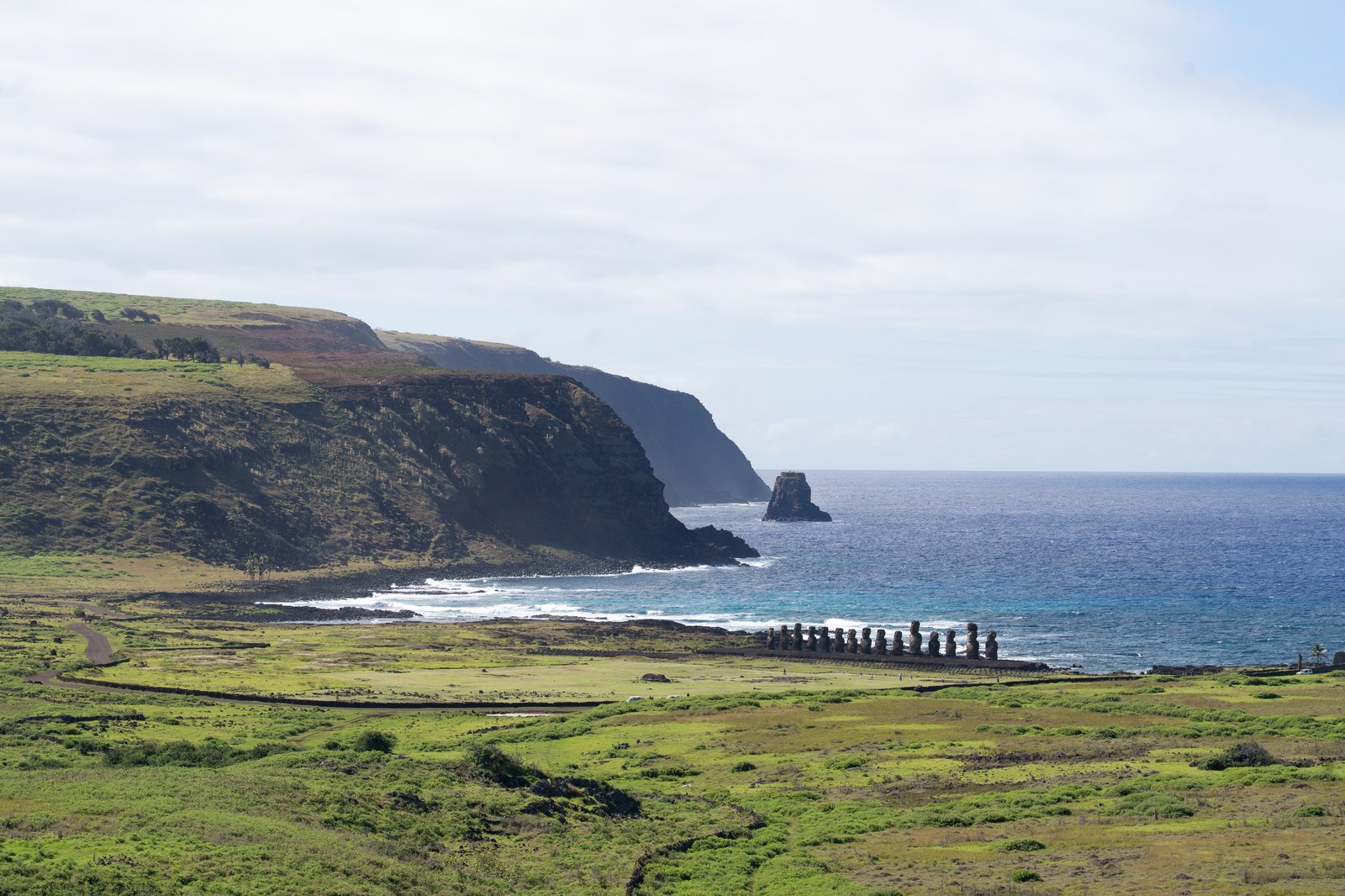
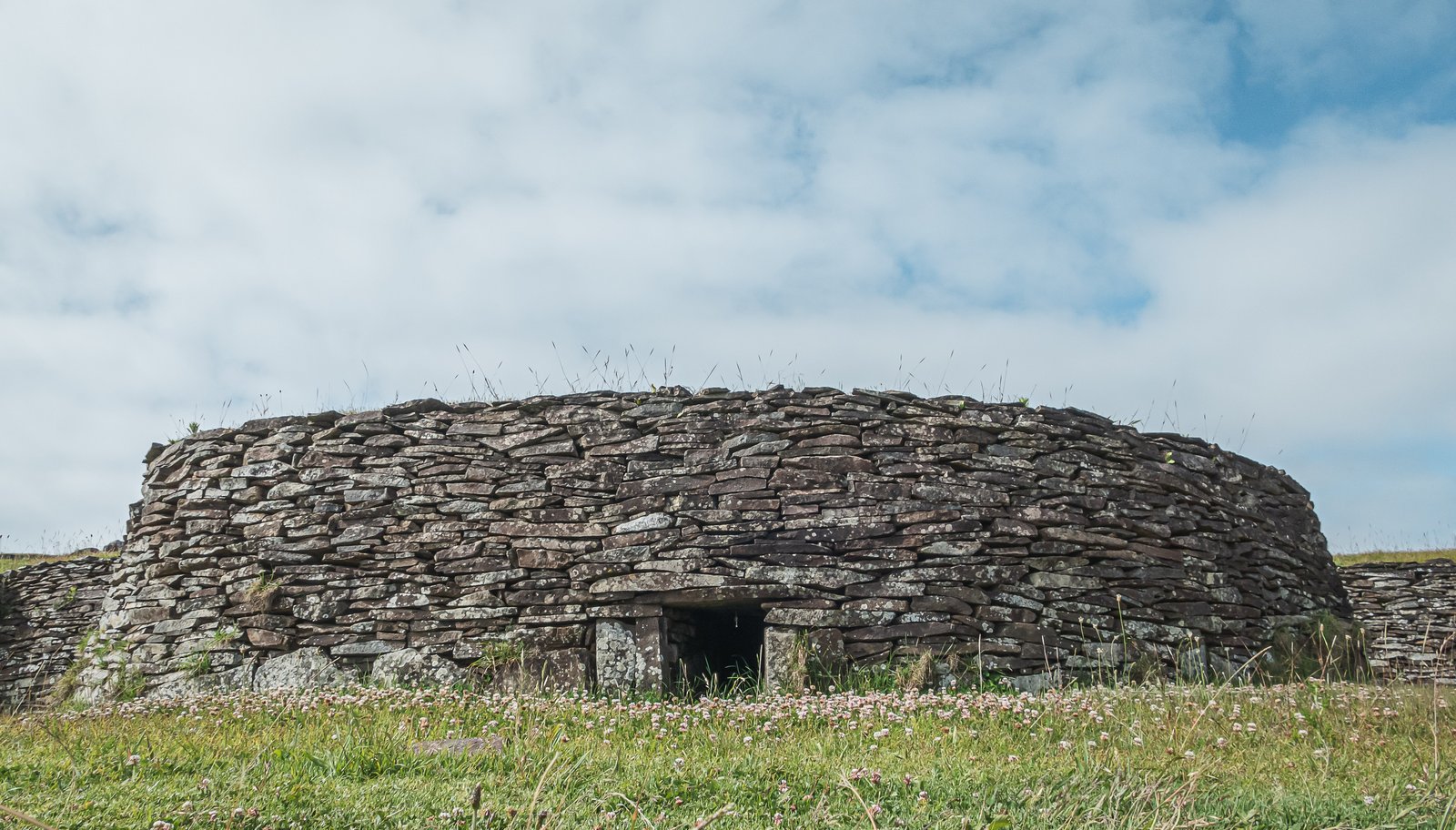
Rapa Nui is one of the most remote inhabited islands in the world and is home to one of the most remarkable cultural traditions in human history. The Australian Museum holds approximately one hundred objects from Rapa Nui. This diverse collection of cultural and archaeological material offers a window into the ingenuity, spirituality, and artistic life of the Rapa Nui people across generations. Most were collected during the nineteenth and twentieth centuries, a period of significant upheaval for the island and its people.
The Australian Museum acknowledges the complex history through which this collection came to be acquired and is committed to working in partnership with the Rapa Nui community in its ongoing care and interpretation. This commitment is reflected in recent acquisitions made in 2025, undertaken in direct consultation with the Rapa Nui community.
Rapa Nui (Easter Island)
Known to its people as “Te Pito o te Henua” - the Navel of the World - Rapa Nui (Easter Island) lies approximately 3,700 km west of mainland South America in the southeastern Pacific Ocean. Though politically connected to Chile, the island's cultural heritage, language, and ancestral connections remain fundamentally Polynesian.
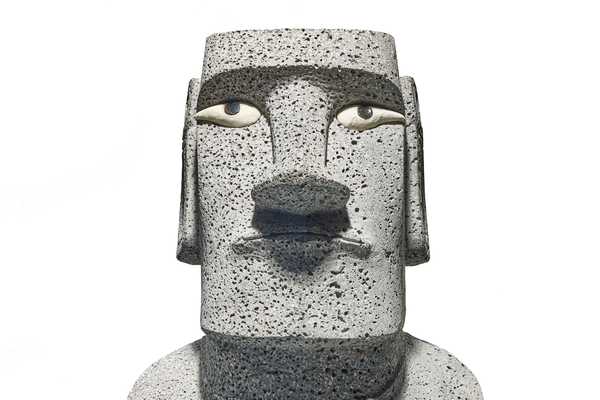
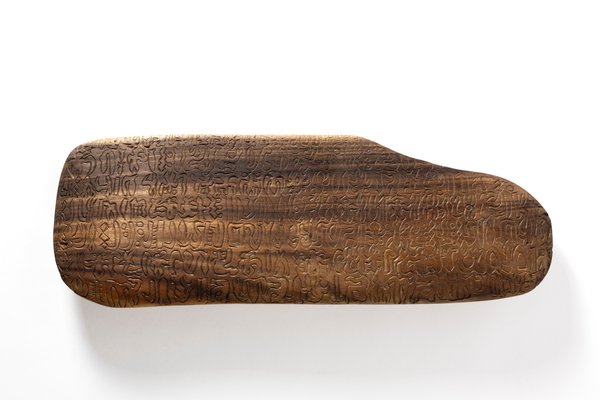
Extraordinary isolation shaped Rapa Nui's cultural development. Separated from the nearest inhabited land by thousands of kilometres of open ocean, the island's people created a truly distinctive culture. They carved the iconic moai - monumental stone ancestor figures that embody the spiritual authority of chiefly lineages and continue to captivate the world. They developed Roŋoroŋo, a unique script found nowhere else in Polynesia, its meaning still not fully understood. They built ceremonial villages, such as Oroŋo, and maintained traditions that distinguish Rapa Nui culture from other Pasifika peoples.
This remarkable cultural landscape was recognised in 1966 when Rapa Nui was designated a UNESCO World Heritage Site, acknowledging the significance of its archaeological sites including the moai quarry at Rano Raraku. More recently, management of Rapa Nui National Park has been transferred to the Ma'u Henua Indigenous Community, marking a significant return of authority over ancestral lands to Rapa Nui's people.
This renewed stewardship reflects a broader cultural revitalisation underway across the island. The annual Tapati Rapa Nui festival celebrates traditional language, arts, music, dance, and ancestral sports connected to the ancient Taŋata Manu ceremony, ensuring that these living practices and cultural knowledge systems are preserved and passed on to future generations.
Information was generously shared by indigenous cultural knowledge holders from Rapa Nui - Victor Pakomio, Vaitiare Pakarati, Johnny Tuki and Blanca Pakarati.
We the Rapa Nui people are resilient. Our culture has survived enormous challenges. We know of life's transgressions. Vaitiare Rivas Pakarati
Vaitiare Pakarati is a Rapa Nui artist creating sensory spaces and objects to allow for greater accessibility and inclusivity in understanding Rapa Nui cultural heritage and archaeology.
Sensory representations of Rapa Nui archeology
Greetings everyone. My name is Vaitiare Rivas Pakarati. My mother is Blanca Pakarati Tuki.
My work in Rapa Nui focuses on cultural accessibility and inclusive communication. I create sensory spaces within Rapa Nui archaeological sites. This allows people with visual and hearing impairments to learn about our cultural heritage and archaeology.
For me, the biggest challenge in making Rapa Nui's archaeological heritage accessible is the time it takes. Each ahu - ceremonial stone platform - requires specific time because every ahu and archaeological site on Rapa Nui is different, and it takes time to do this with deep respect for our culture.
Another challenge is the lack of tools to create these sensory spaces on the island.
A beautiful example is what you see here. This is a representation of the ceremonial centre of Tahai, a centre that was very important in ancient times because many decisions were made here that influenced all the clans on the island.
This is a representation of Ahu Vai Uri - these five moai. Then there's Ahu Tahai, and finally Ahu Ko Te Riku. It's adapted for people with visual impairments or blindness. Through this, blind people can appreciate our culture and our ahu through touch.
Another example is this platform that accompanies the ahu. This represents the island's geography - it's geographically triangular, and includes a description of the history of the ceremonial centre of Tahai written in Braille. At the furthest points, matching their locations on Rapa Nui, you'll find Rano Raraku, Poike and Rano Kau, the three volcanoes of Rapa Nui. The vakas (canoes) are here, which symbolise us as Polynesians and are fundamental to our culture.
On the other side of the ahus are Rapa Nui's marine animals. There's the honu (turtle), heke (octopus), ta'oraha (whale), among others.
We are very resilient people. Our culture has survived enormous challenges. We know of life's transgressions. That's why our community deeply values this work.