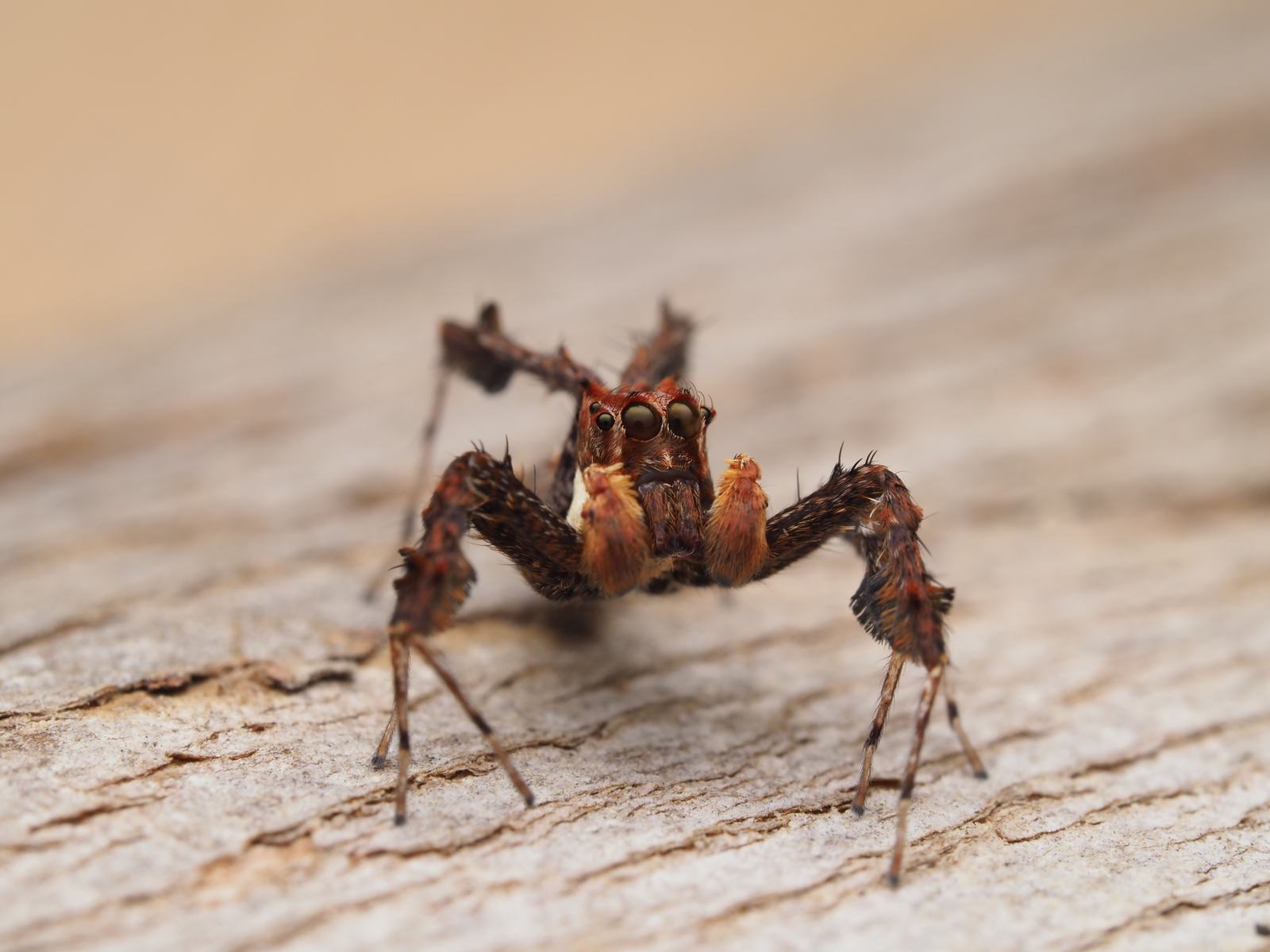
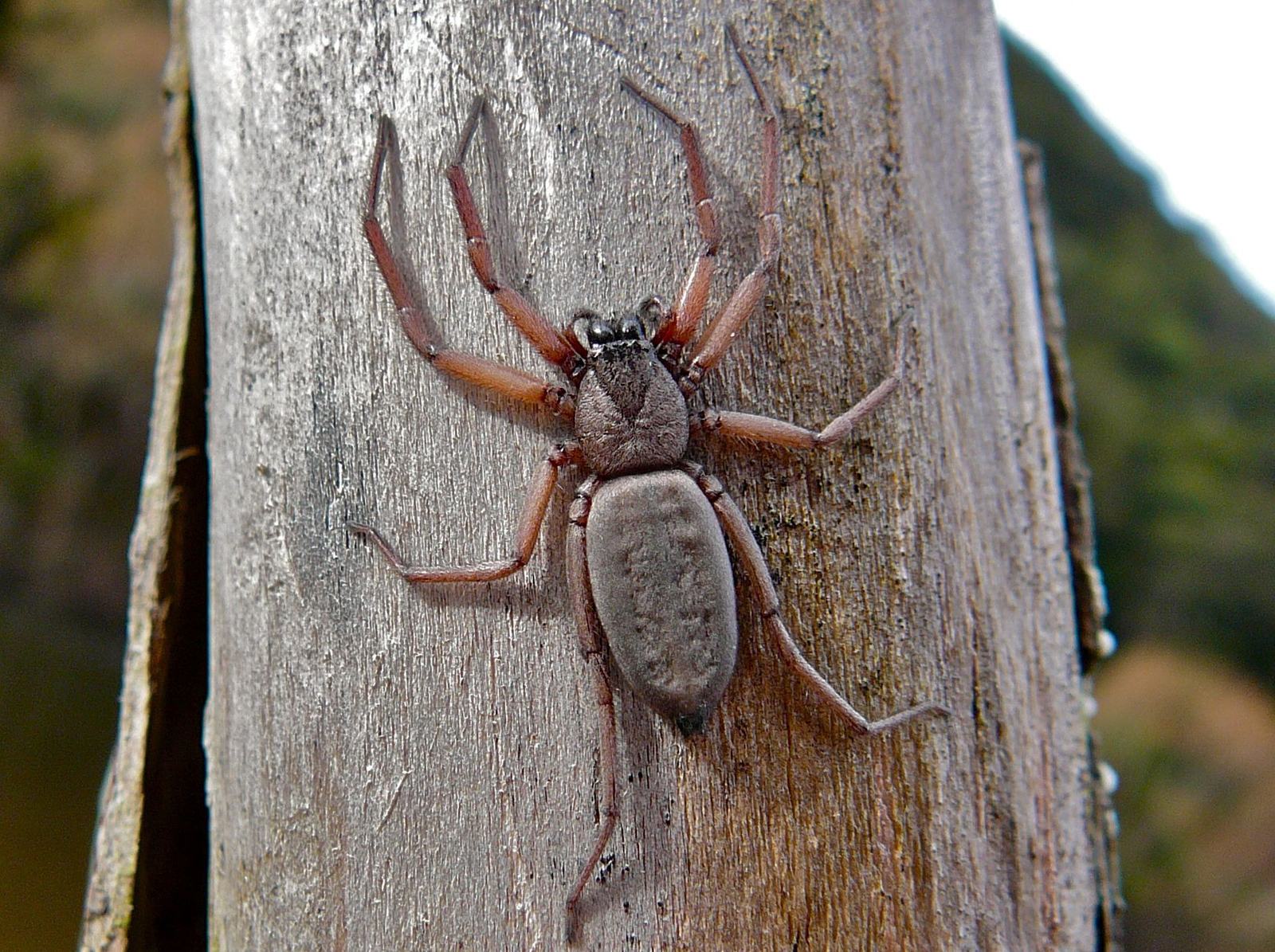
Spiders
The Arachnology collection includes the largest collection of funnel-web spiders in Australia. Learn more about spiders, their origins, and how they are classified.

Spiders are ancient invertebrates animals, and have long been a source of fear and fascination. They are abundant and widespread and are natural controllers of insect populations. Australia has about 3,600 species of spiders, a few of which are deadly to humans.
Spiders are arachnids, not insects but both spiders and insects belong to the largest group of animals on Earth, the arthropods. Arthropods have hard external skeletons and jointed limbs.
Characteristics
Spiders have:
- two main body parts
- exoskeleton
- eight walking legs
- simple eyes
- jaws for tearing or piercing prey
- a pair of pedipalps (food handling)
- silk glands and spinnerets.
A spider's body is in two sections. The cephalothorax comprises the head and thorax. It bears the eyes, mouthparts and legs. A slim waist joins the abdomen, with the silk spinning organs (spinnerets) and reproductive openings. The body is covered with a rigid exoskeleton (carapace). Spiders have four pairs of jointed legs with claws. Find out more about spider structure.
Many eyes, often poor eyesight
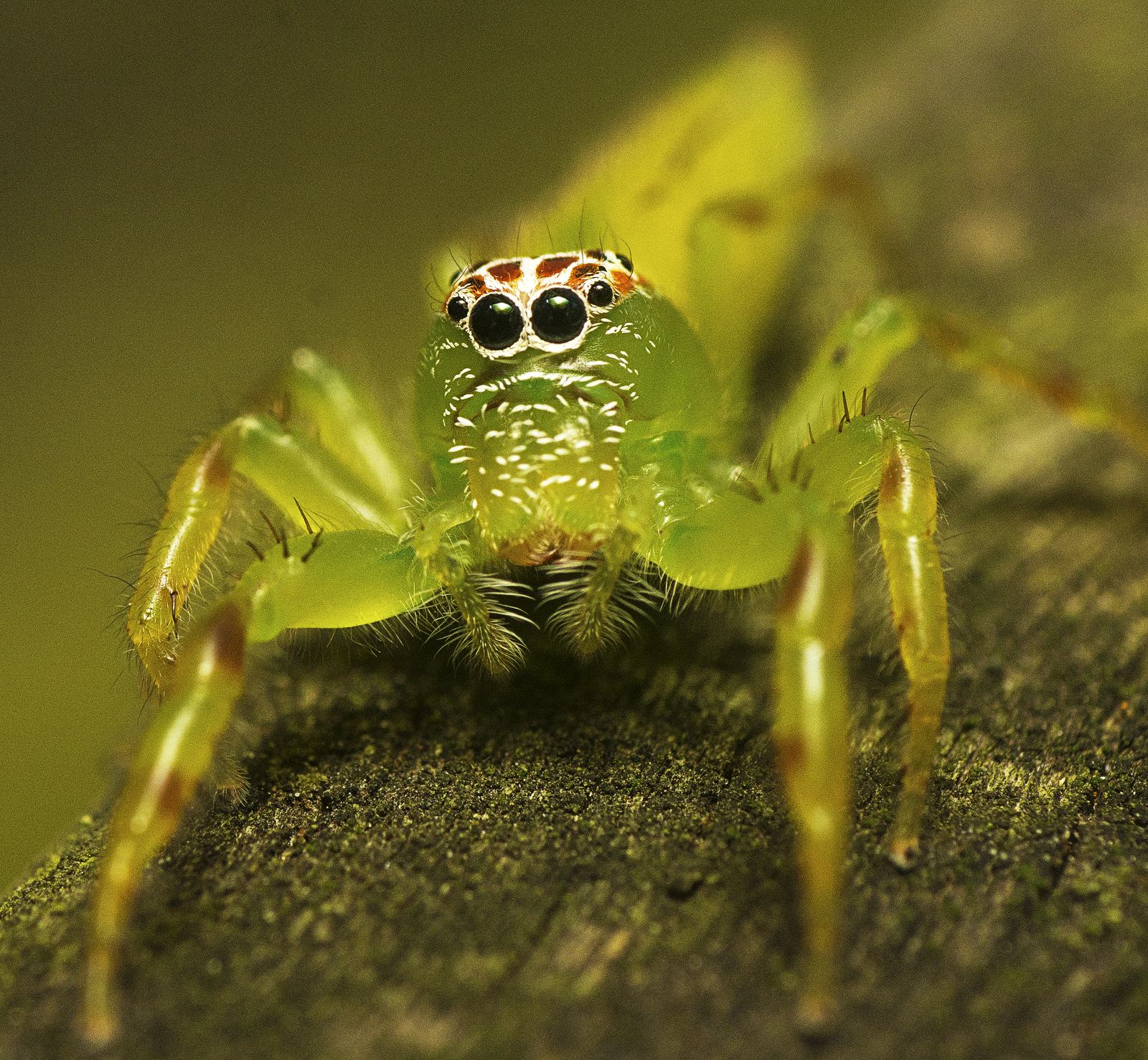
Spiders usually have eight eyes (some have less). Most have poor eyesight. They rely on touch, vibration and taste to navigate and find their prey. More about how spiders see the world. They make up for their poor eyesight with specialised sensory hairs and pit-like sense organs. They use them to sense their world, in courtship displays, for moving around, and in defence and prey capture.
Size and diversity
Most arachnids are less than 1 millimetre in size. Australia's biggest spiders are the whistling spiders. The northern species Selenocosmia crassipes can grow to 6 cm in body length with a leg span of 16 cm. The biggest spider in the world is the Goliath Spider, Theraphosa leblondi. It lives in coastal rainforests in northern South America. Its body can grow to 9 cm in length and its leg span can be up to 28 cm.
Australia has about 3,600 species of spiders. Most of these species come from the eastern and southern regions of Australia. Numbers of species are continually changing with research and the discovery of new species.
Discover some of the diversity of Australian spiders in our factsheets, and learn about spider facts.
Spider factsheets
53 factsheets in this sectionHabitat
Spiders live in almost every habitat on Earth. The only places where there are no spiders are the polar regions, the highest mountains and the oceans. A few spider species have invaded the ocean's edge, living in the rock and coral crevices of the intertidal zone.
Reproduction and lifecycle
Spiders lay eggs to reproduce. Females weave silk egg sacs, which may contain hundreds of eggs. Males of most species have short life spans and survive only a few matings.
After hatching, spiderlings use their fangs to cut a hole in the sac and emerge. After several days they disperse to find food and avoid cannibalism among hungry siblings. Some species leave by walking, others by bridging – climbing foliage and dropping down on a silk line to cross to adjacent branches. Some let out fine silk lines that catch the breeze and lift the spider up and away (ballooning). Learn more about egg sacs, spiderlings and dispersal.
Spiders moult to grow. A new larger cuticle is made underneath the old one, which splits and the spider climbs out. The new cuticle is soft and most spiders will not move until the cuticle hardens.
Behaviours and adaptations
Different spider species use many hunting methods, including trapping, stalking and jumping on prey. Some spiders catch prey in sticky webs, others hide and ambush animals as they pass by. Spiders use venom to paralyse their prey and often wrap it in silk before eating it. They cannot chew solid food, so they inject digestive fluids into the prey to turn its tissues into liquid. The spider then sucks up the liquid food and leaves the hard body parts behind. Find out more about how spiders capture prey and feed.
Spiders use many strategies to protect themselves from predators. One is autotomy – they can self-amputate a leg if grabbed by a predator. Young spiders can regenerate (grow back) at their next moult.
Many species use camouflage or hide by making themselves look like bark, leaves, twigs, bird droppings or even ants. Other spiders escape by dropping on silk threads, pretending to be dead or showing warning colours to scare predators away.
Some spiders build secure burrows with trapdoors, escape tunnels and other defences to stay safe from enemies and climactic extremes. These adaptations also help spiders catch prey by allowing them to hide and ambush animals more easily. Find out more about spider survival.
Spider silk is very light but also extremely strong and flexible. Spiders make different types of silk for different jobs – to build webs, wrap prey, protect eggs, make shelters, and as a safety line so spiders can climb, travel or escape from danger without falling. Find out more about how spiders make silk.
Webs are used to catch insects and other prey, with sticky silk trapping animals that fly or crawl into the web. Many spiders rebuild or repair their webs to keep them strong and effective. Different species construct a variety of spider webs.
Some spiders make noises to attract mates or as warning signals. Australian tarantulas are called Whistling Spiders because they 'whistle' when threatened. The sound may help scare off predators like small carnivorous marsupials when the spiders are caught hunting out of their burrows.
Dangerous spiders
Few Australian species are harmful to humans. Those considered dangerous are female Redback spiders, Mouse spiders and Funnel-web spiders. Funnel-webs are the most notorious of our spiders, with several of the species renowned for their highly toxic venom. The male Sydney Funnel-web is one of the most venomous spiders in the world. Find out more about spider bites and venoms.
Why they matter
Spiders have important ecological and agricultural roles as predators of insects. Many different spiders live alongside humans in nooks and crannies of houses, sheds and gardens. They are good to have around because they eat insect pests. Very few are harmful.
They stop insects taking over the world. Their venom and silk are used in medical research (stroke treatment), pest control (insect specific pesticides) and fibre technology.
Conservation status
Spider populations are threatened by the clearing and degrading of bushland.
Bushland remnants are important habitats for spiders in rural areas. Sheep and cattle damage vegetation and trample and compact the soil, decimating local populations of ground dwelling spiders. By conserving spider habitat, we save the spiders and the whole ecosystem of which they are a part.
Fossils and history
Spiders have evolved into thousands of different species and spread all over the world. Amber spider fossils – complete spiders trapped in clear, sticky, tree resins from the Tertiary Period (30 million years ago) – show us a spider fauna similar to that of today. Find out more about spider origins.
In the AM Collection
The Australian Museum's Arachnology Collection includes the largest collection of Funnel-web spiders in Australia.
What is Arachnology?
Listen to Matt Shaw, Arachnology Collection Manager at the Australian Museum, as he shares how spiders sense the world and the why we collect so many Funnel-web Spiders to study their dangers.
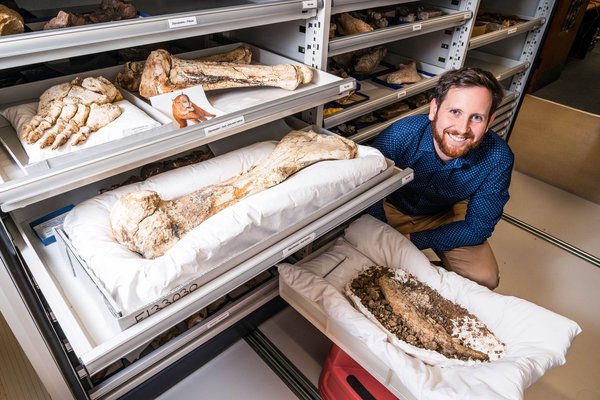
The Arachnology Collection at Australian Museum, is a well-known collection that is important for a variety of research that supports research in Australia and, for overseas researchers. It helps people understand how these creatures benefit the environment.
Hi, I'm Matt Shaw, I'm Collection Manager of Arachnology, Australian Museum. Arachnology is the study of arachnids. Arachnids have eight legs, and 1 or 2 body parts. There's about 85,000 species in Australia, probably, and they include things like scorpions, pseudo scorpions, then there's spiders, of course, but also, harvestmen and mites, lots of mites.
The interesting thing to consider with arachnids is how ancient some of the lineages are, more ancient than most insects or other animals you could think of. The earliest mite fossils, for instance, are 390 million years old.
It's good to reflect on spiders as major, generalist carnivores that consume enormous amounts of insect prey and other prey. This stops insects taking over the world.
Lots of arachnids that you would know, like scorpions … hidden near the front of the body are the things that actually do the crunching of the food, the chelicerae. You'll also be quite familiar with the chelicerae of spiders, but spiders have transformed their mouthparts to something quite different. So instead of a pair of appendages like that for crunching, they have made the top digit quite sharp and stabbing and it can work together. A lot of spiders pinch the tips of those digits together, these are fangs. Or if it's a Tarantula or a Funnel-web, they have the digits like this, and they strike downwards. If you think about how an arachnid senses the world, they're usually not seeing the world, only a couple of groups of spiders have got decent eyesight.
Arachnids generally are very good at sensing vibration. They sense vibrations through the ground sometimes, but also through the air. And this is how they sense the world. It's difficult to imagine all the diversity of arachnids in Australia. We know there's a lot we don't know. Think just of a relatively well known spider group, which, the genera of Funnel-web spiders. The Australian Museum has an exceptionally good collection of Funnel-web spiders. We need to know about Funnel-web spiders because of the variation in venom that may occur between species. This may affect treatment and the production of antivenoms and because of research like this is the sort of reason why, as long as people get appropriate medical care, we don't need to fear too much the possibility of people being killed by this potentially quite dangerous spider.
It's very easy to imagine arachnids as threatening, as dangerous, some of them do have dangers, of course, but in fact, most spiders, including some really big scary ones, do like to, keep away from you. The largest number of arachnids in our ecosystems are out of sight and out of mind. The vast bulk of them are less than one millimeter in size. And yet these miniature workers provide an essential role in cycling carbon and nutrients in the soil, which is relevant to climate change. And we want these miniature workers to keep doing that for us and with us and keeping ecosystems healthy.
Collection information



Australian spiders image gallery
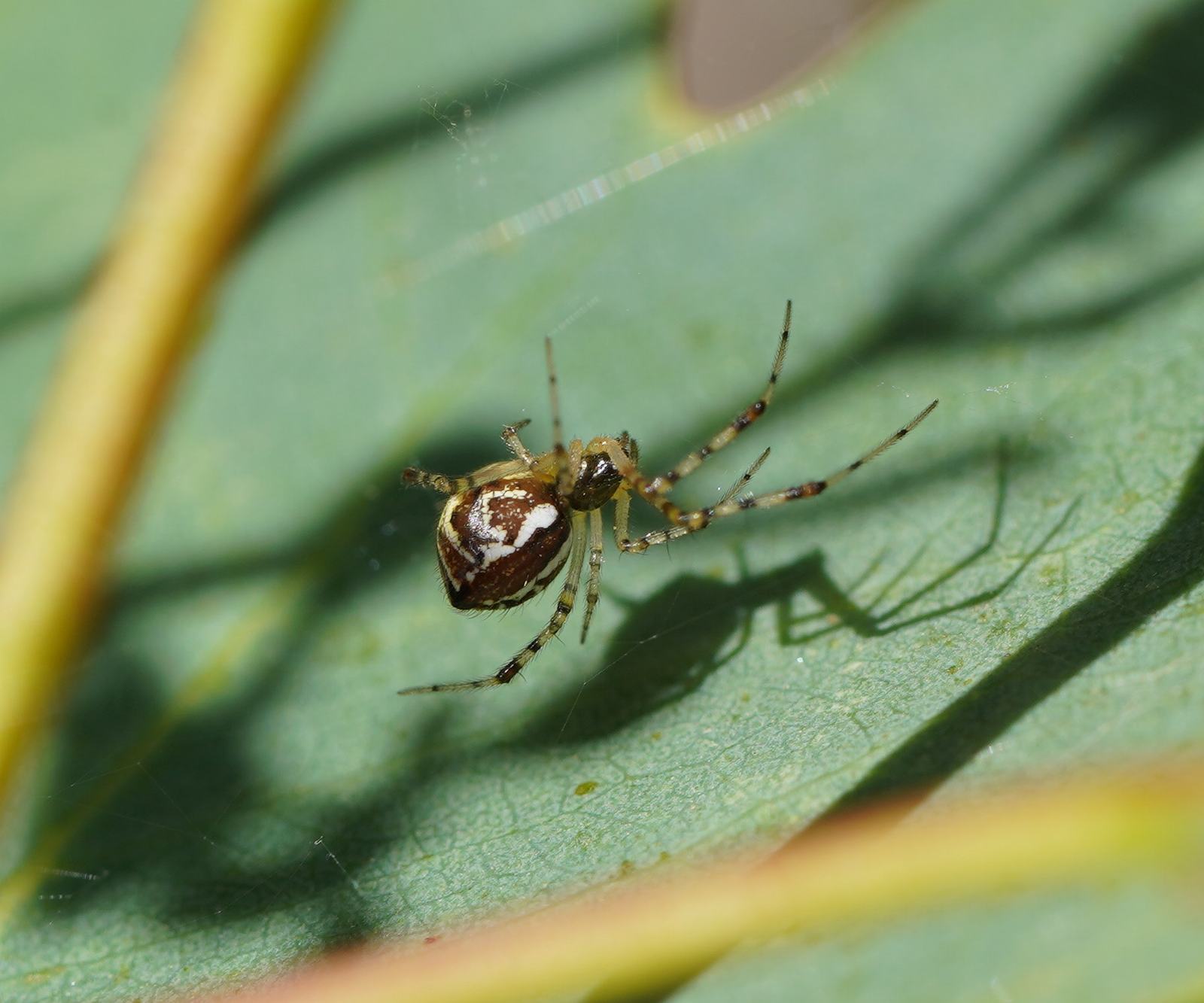
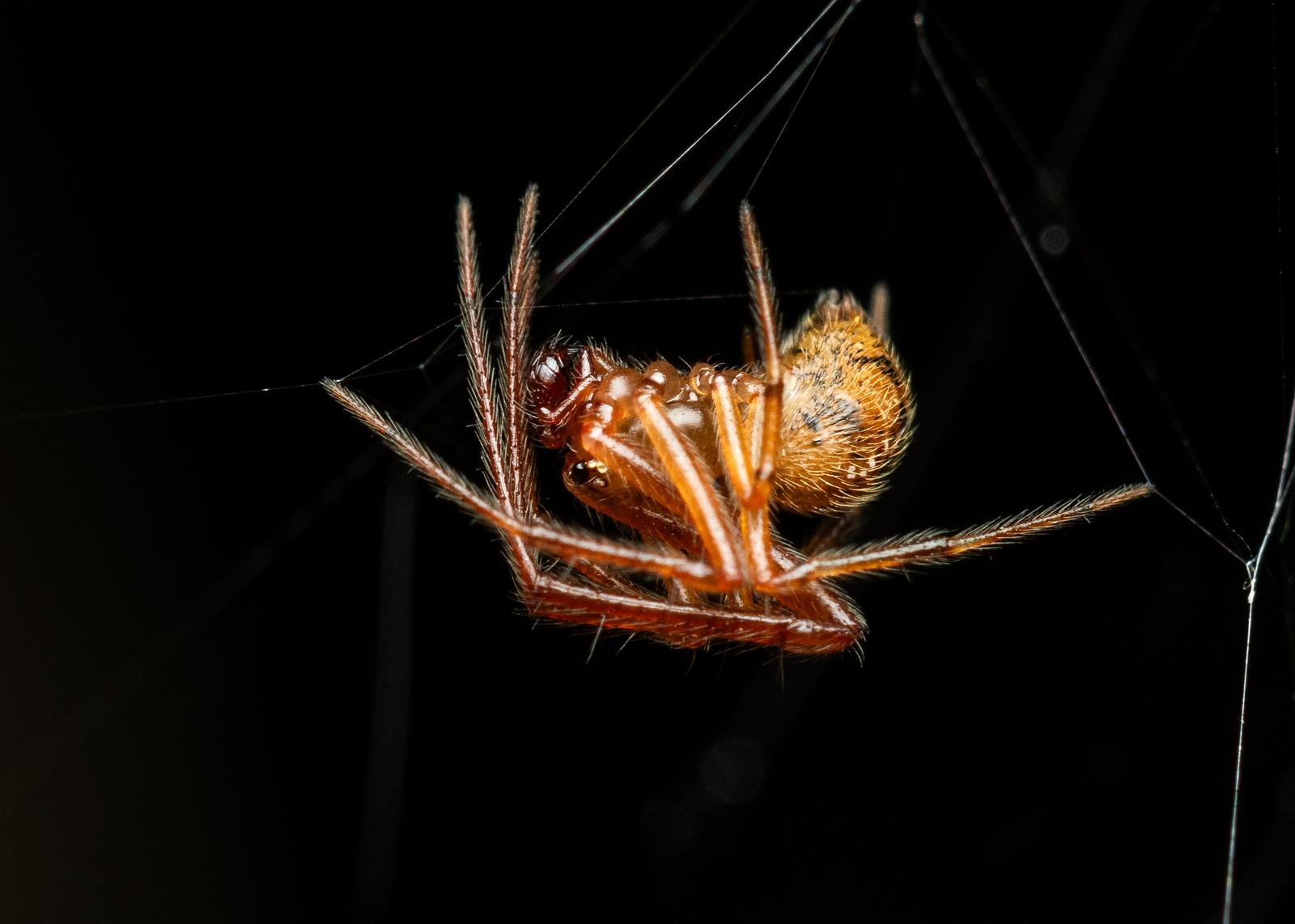
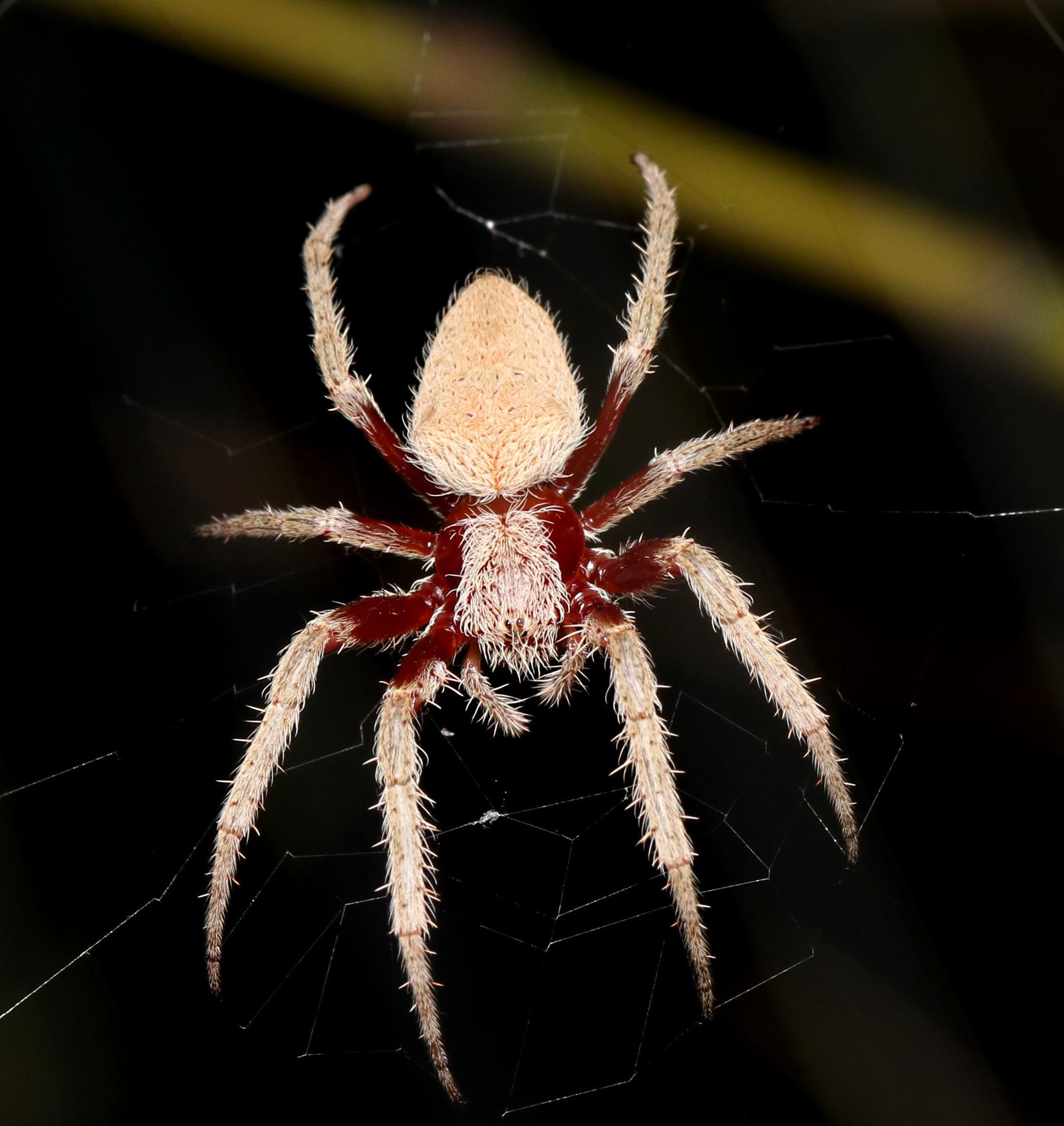
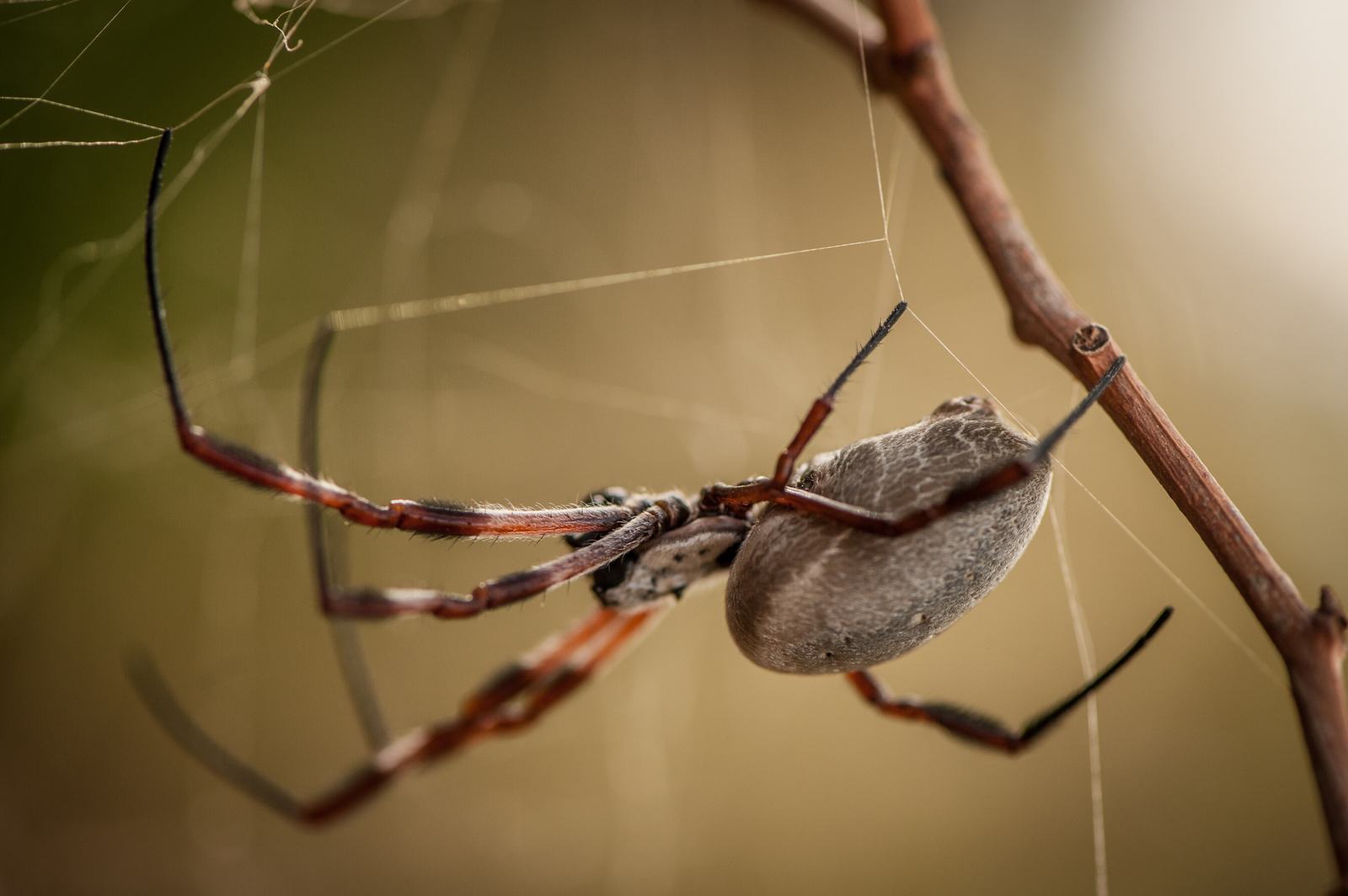
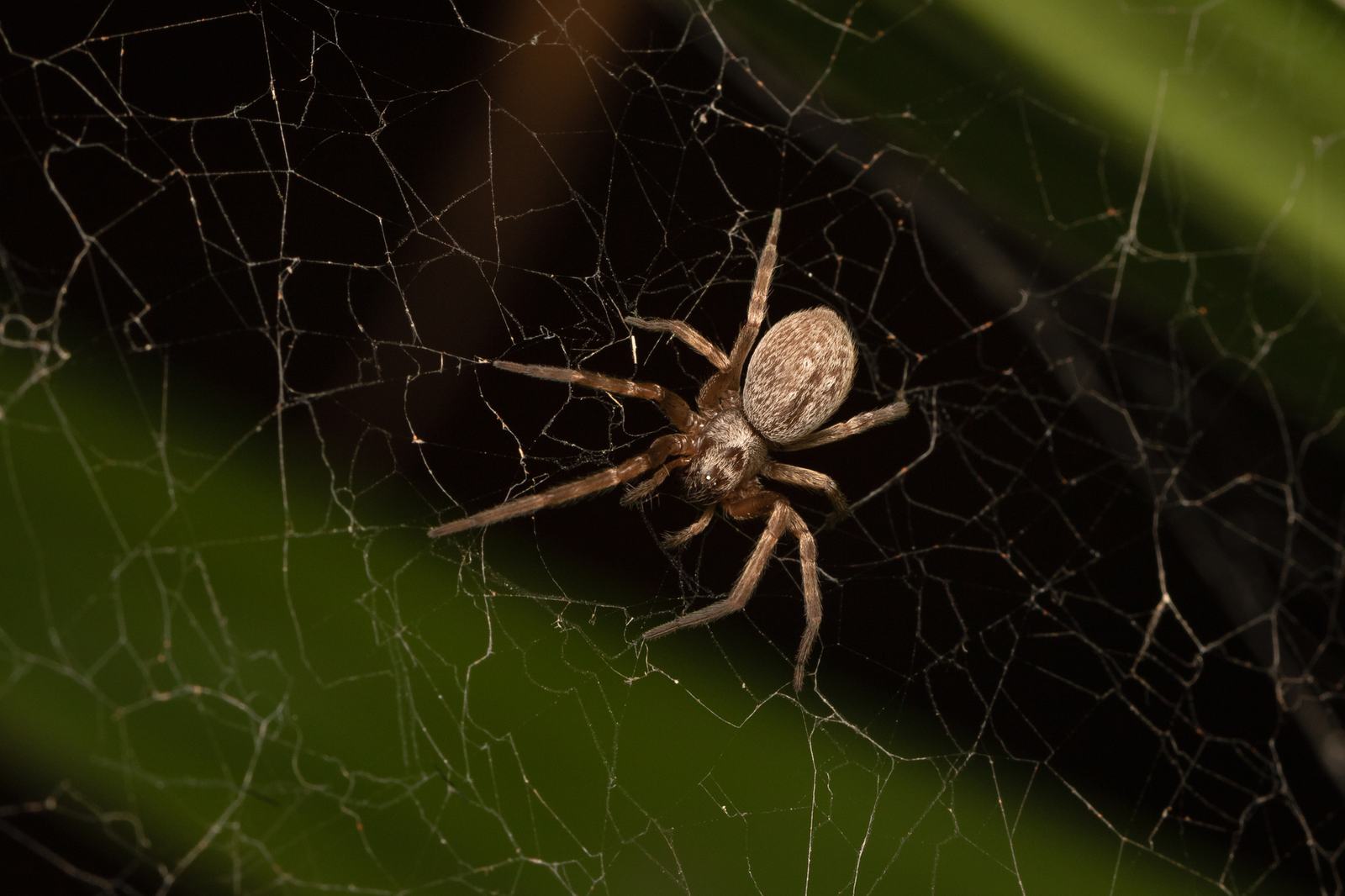
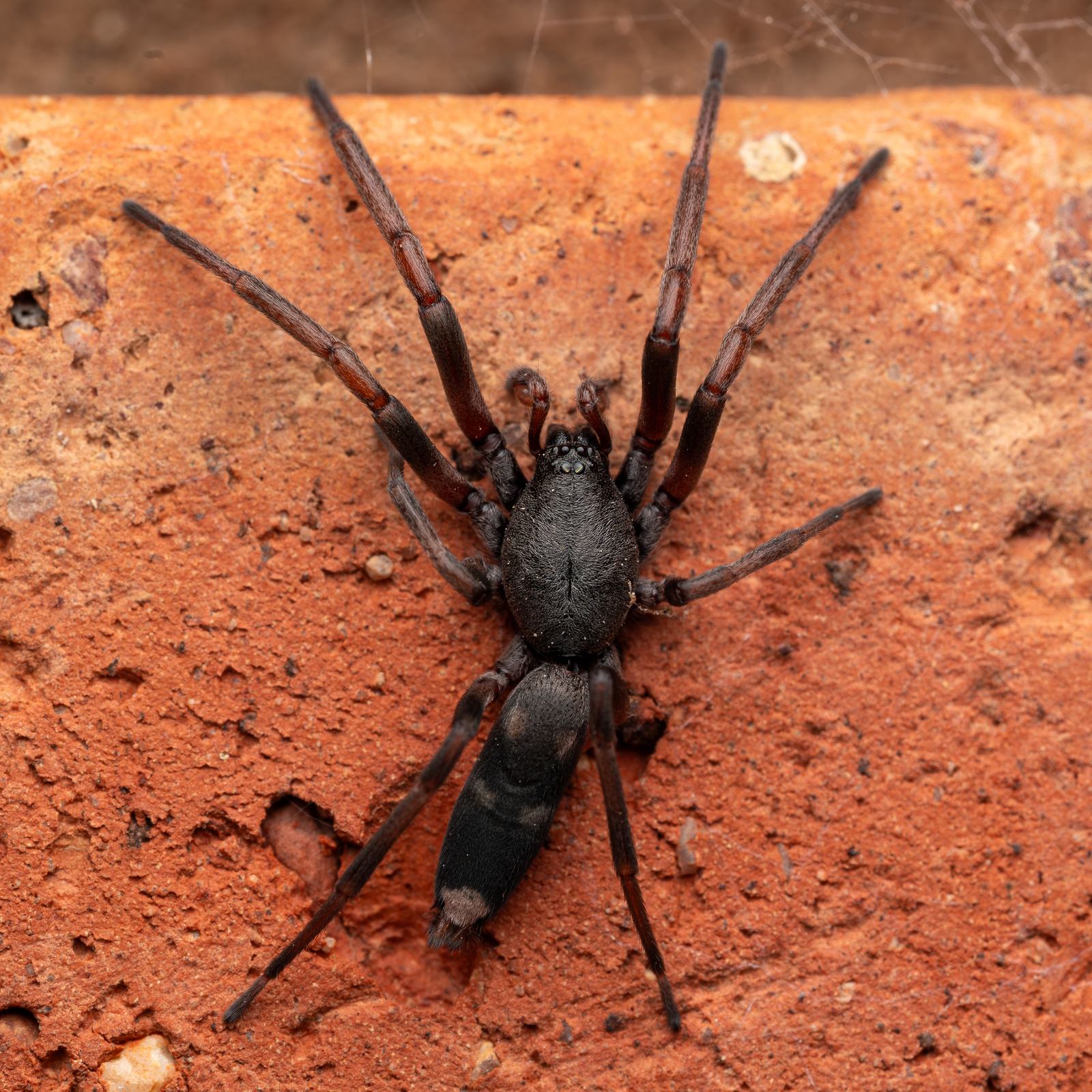
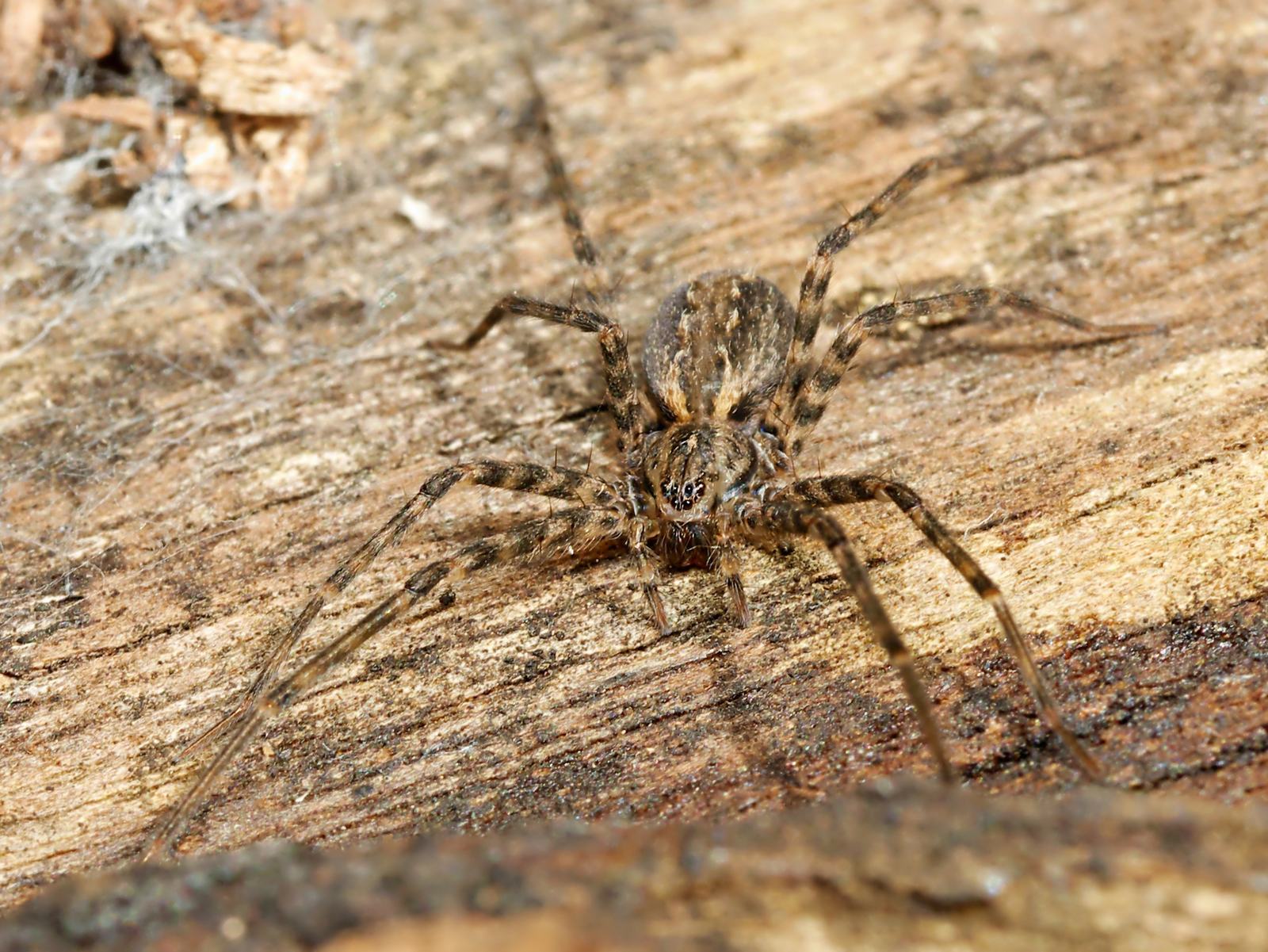
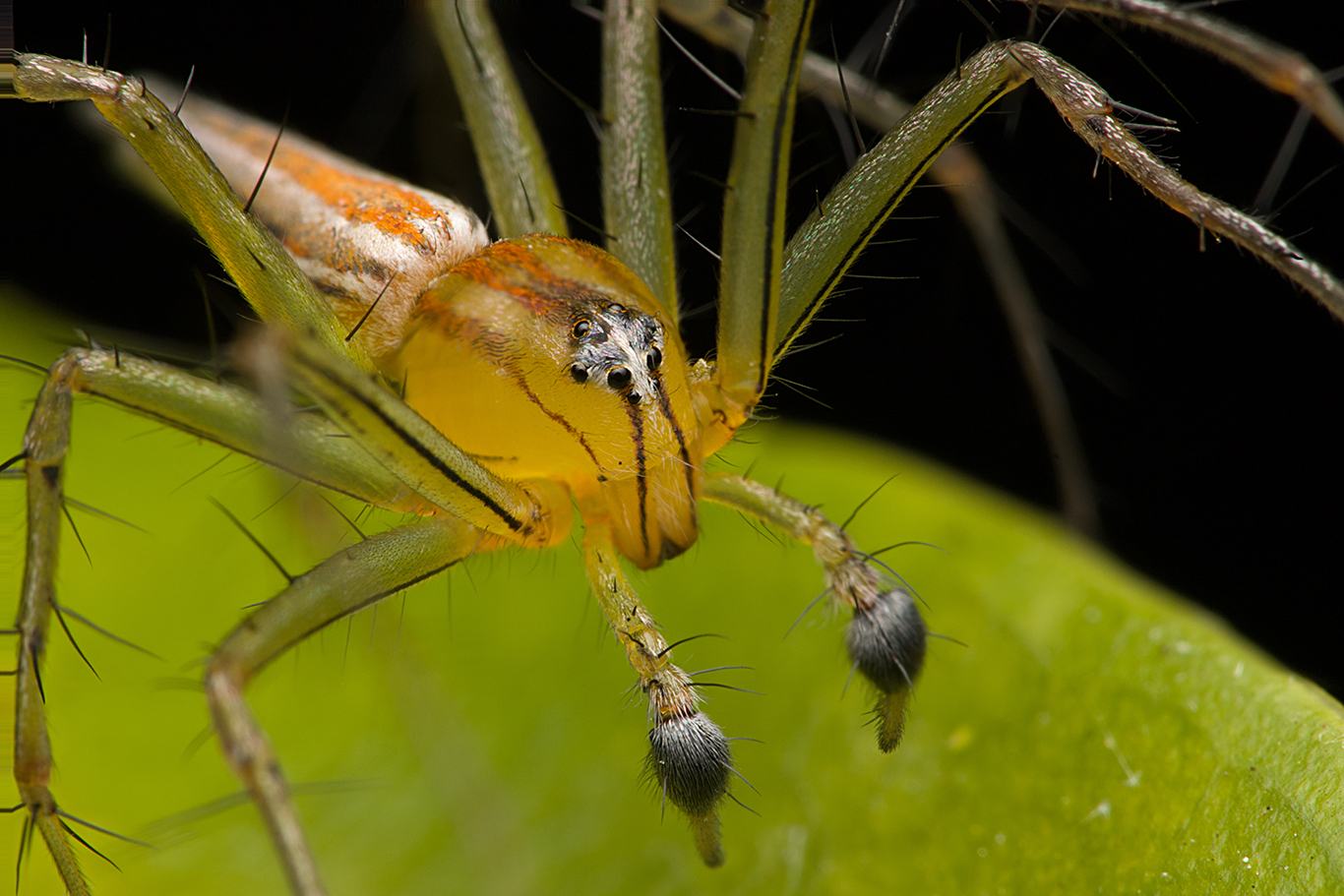
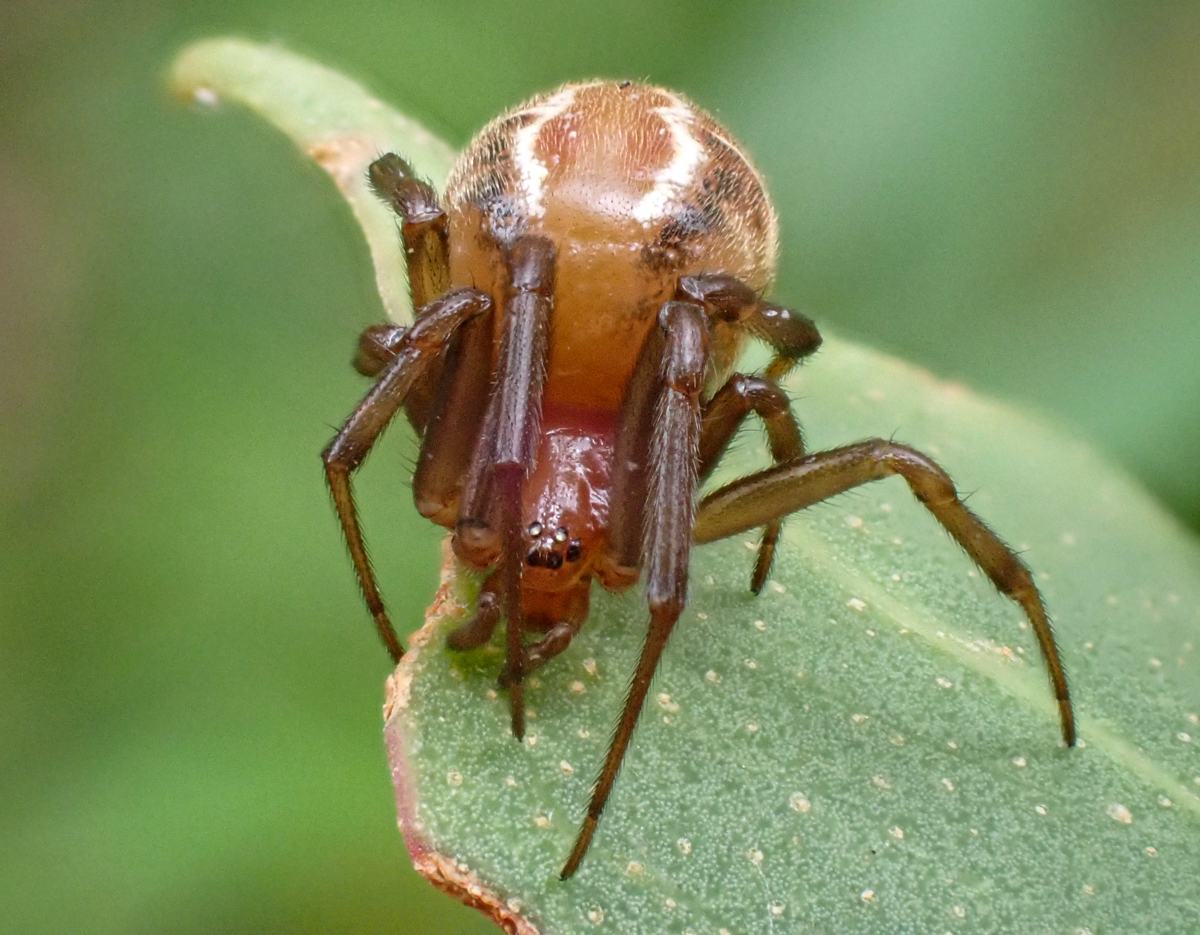
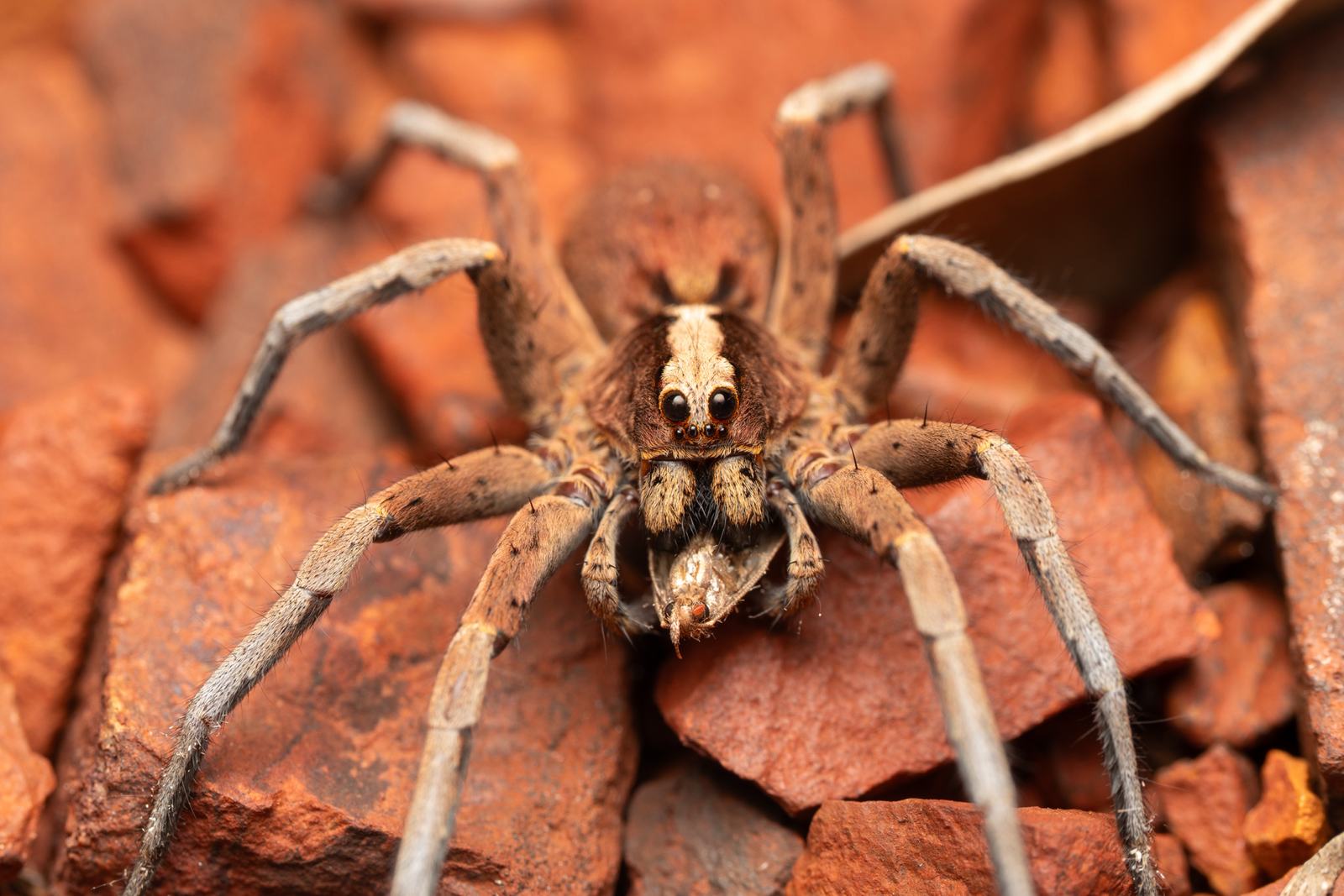
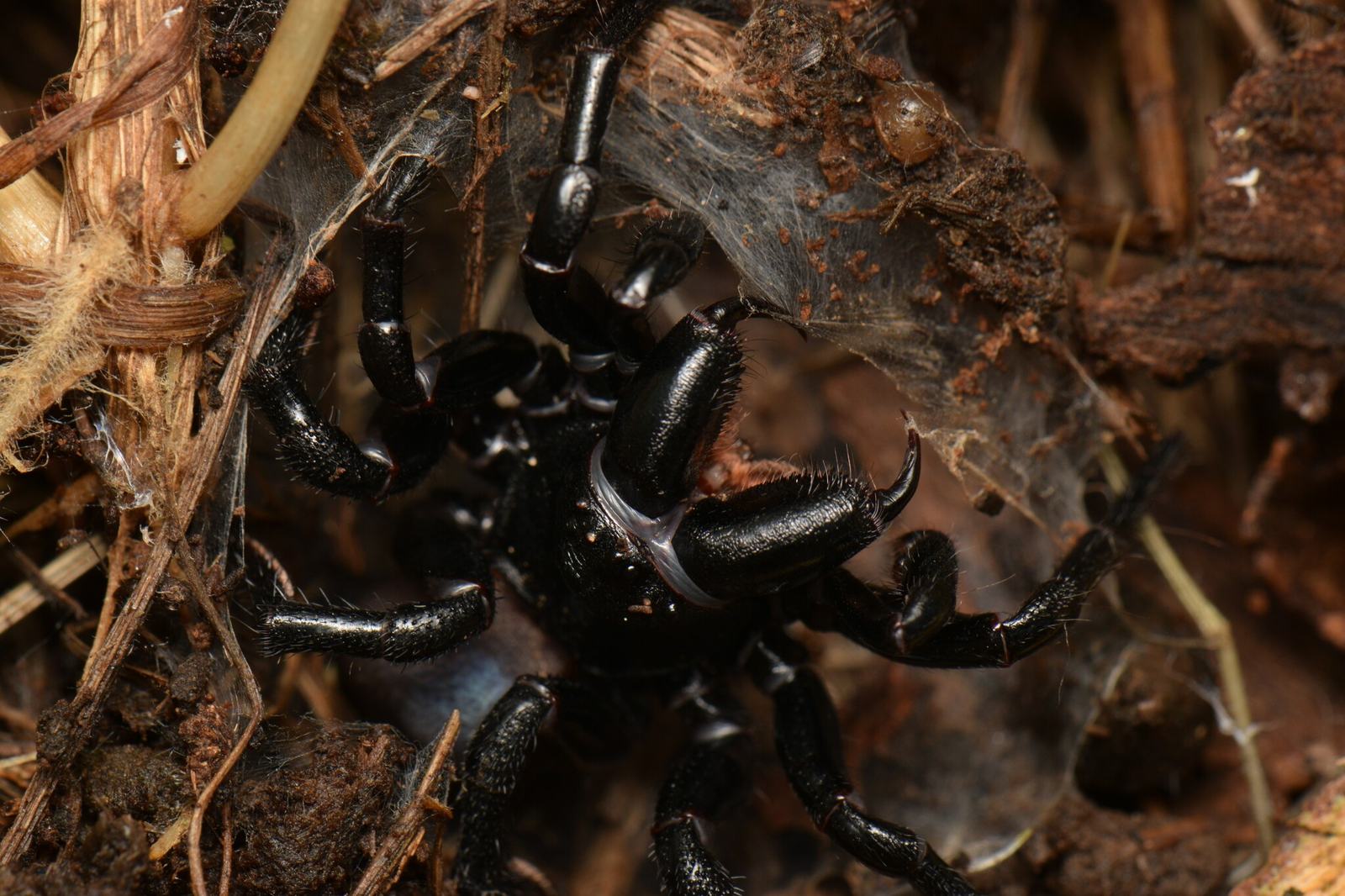
Australia's spiders come in a startling variety of colours, shapes and sizes. Some species make distinctive webs and many make silken retreats for protection or for their egg sacs and some even dig holes with elaborate silken triplines around the entrance. Here is a selection of images of Australian spiders to illustrate their diversity.