
Exploring the Deep: Australian Museum Scientists Voyage to the Coral Sea Frontier
What lurks at the bottom of the ocean, beyond the reach of any diver, in places no human has ever explored?
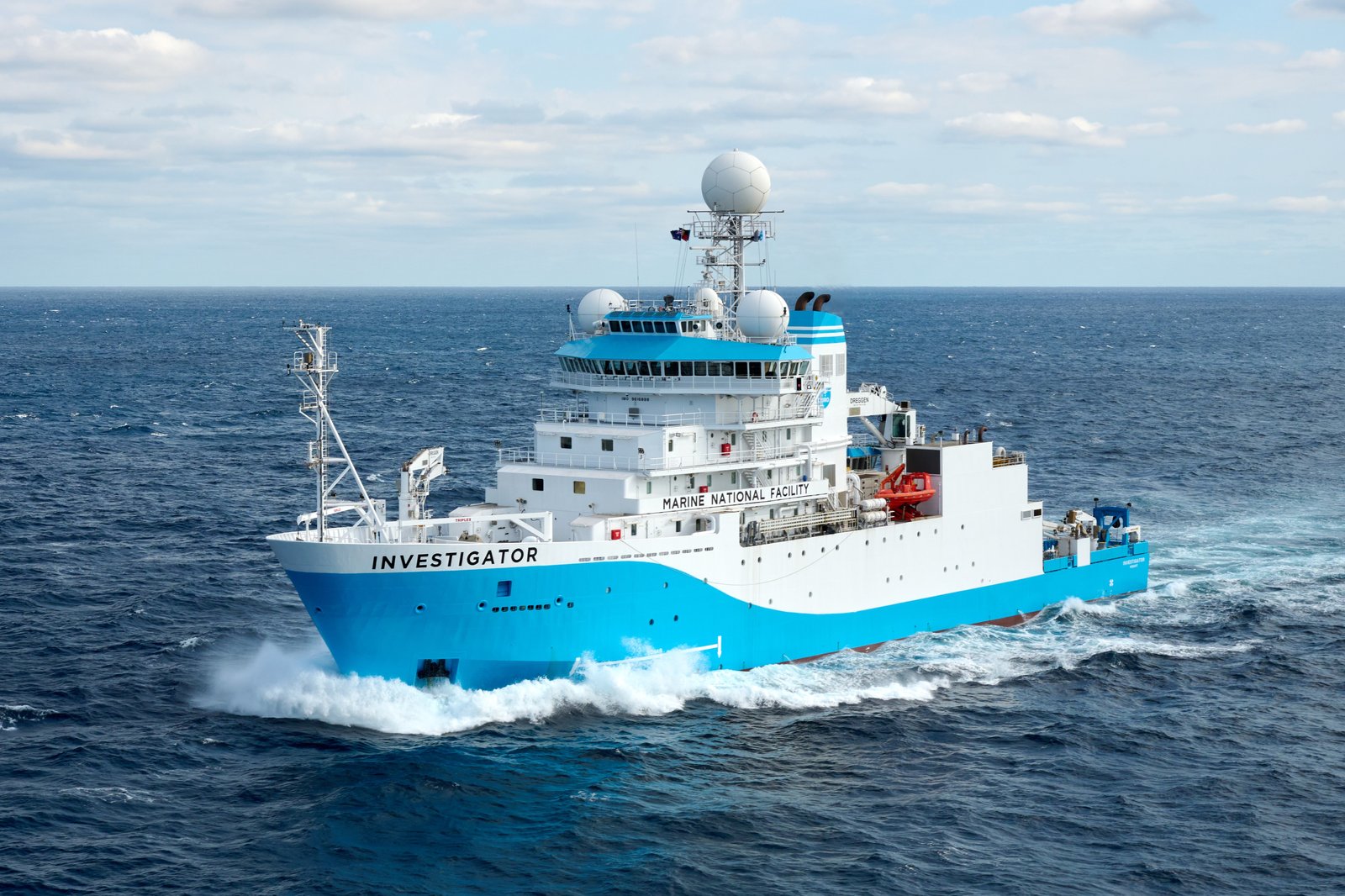
In October 2025, three Australian Museum scientists joined an elite team of researchers aboard the CSIRO research vessel Investigator for a groundbreaking 35-day expedition into the Coral Sea Marine Park—one of the world's largest marine protected areas.
© CSIRO
Mapping Uncharted Territory
The voyage, led by CSIRO, Australia’s national science agency, marked the first modern deep-sea investigation of the region, mapping and sampling the deep-sea from 200 down to 3,900 metres depth. A lot of the sampling focused on seamounts, which are large underwater mountains, some of which are taller than Mount Kosciusko.
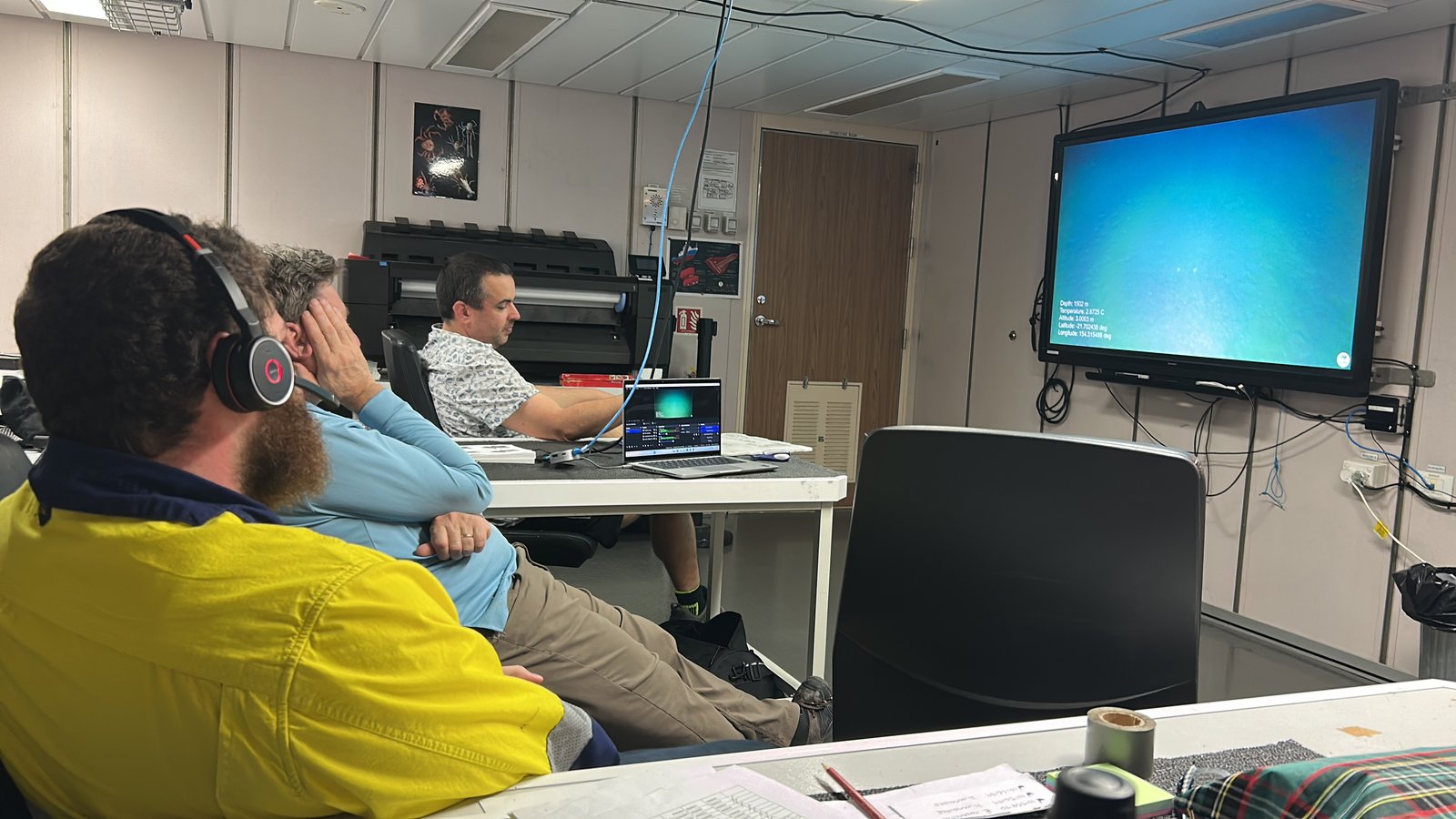
"It was an incredible privilege to be among the first people to sample these completely unexplored territories," said Dr Claire Rowe, a marine invertebrate taxonomist from the Australian Museum Research Institute (AMRI). "Even though the deep sea is sparse, we encountered fascinating creatures like dumbo octopuses and sharks through our live camera feeds."
Racing Against Time
Collecting baseline biodiversity data from the Coral Sea Marine Park is increasingly urgent as climate change, overfishing and invasive species threaten ocean ecosystems worldwide. The voyage's findings will guide future research and monitoring programs and assist Parks Australia in making evidence-based decisions to inform marine park management strategies.
© CSIRO
Life at Sea
Working in 12-hour shifts around the clock, the science team mapped seamounts, deployed a deep towed camera to capture live footage of the seafloor, and used specialised nets and trawls to collect specimens from depths, some of which could be completely new species to science.
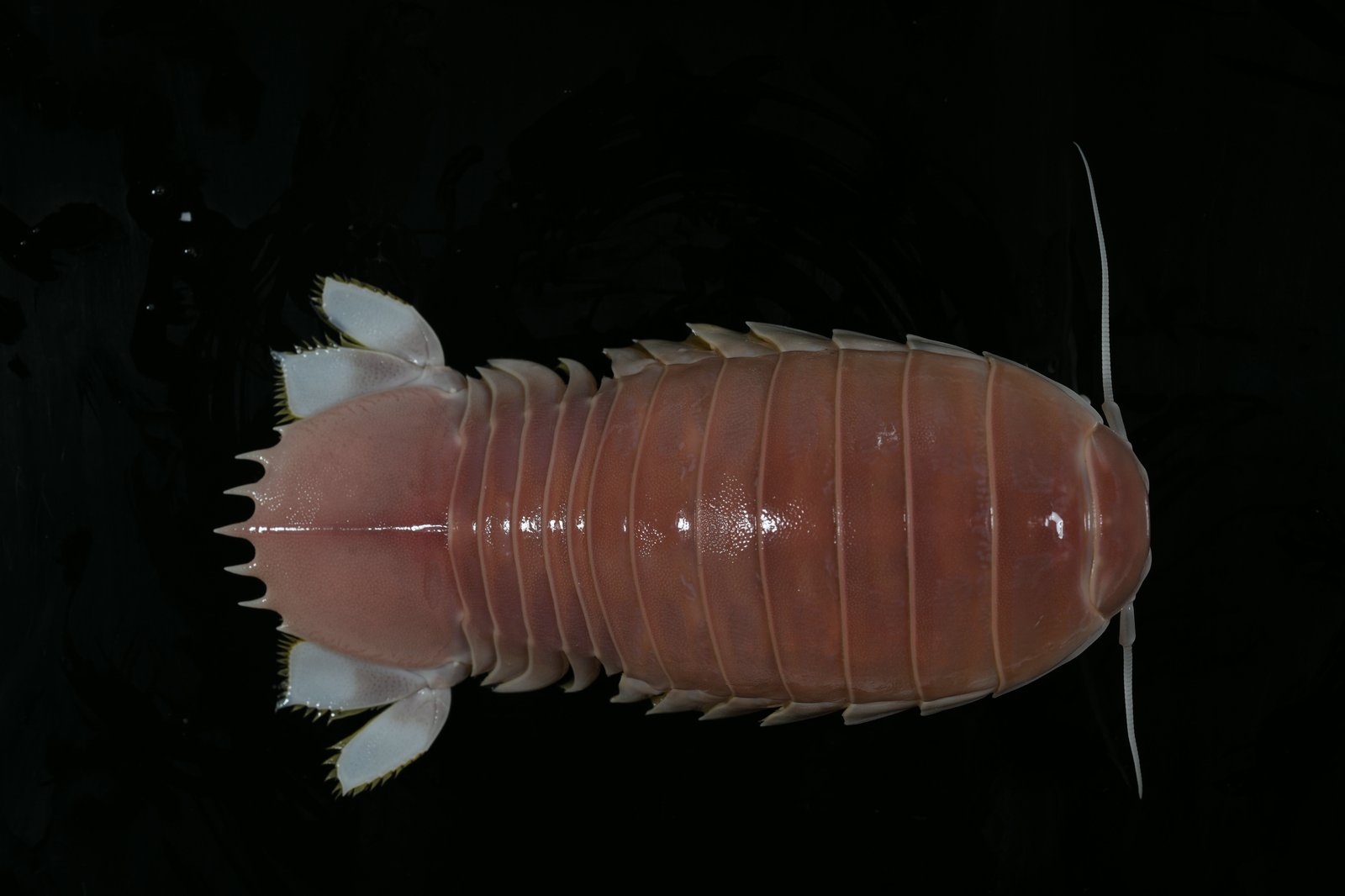
The hauls included some remarkable finds: Santa Hat jellyfish, large spider crabs, brightly coloured urchins, and even a giant deep-sea isopod the length of a dinner plate (relatives of the humble garden slater). For such a sparse environment, there was incredible diversity with some catches producing up to 12 different species of prawns.
© Australian Museum
A Gift to Future Generations
The specimens collected during the voyage will be examined by taxonomists at identification workshops funded by Ocean Census, then distributed to museums across Australia, including the Australian Museum.
These collections serve as time capsules of ocean biodiversity. Just as researchers today can study specimens collected in the 1800s, scientists 200 years from now will be able to examine today's collections—tracking how the sea changes over time.
A network of museums, collections and universities including Australian Museum, CSIRO’s Australian National Fish Collection, Museums Victoria, Western Australian Museum, Parks Australia, Scripps Institution of Oceanography, and James Cook University participated in this voyage.
This research was supported by a grant of sea time on RV Investigator from the CSIRO Marine National Facility. The research is supported by Parks Australia, Bush Blitz and The Nippon Foundation-Nekton Ocean Census.
Support Science and Research at the Australian Museum.
