
Australian Museum Returns Ancestors to Rapa Nui
Sydney, Wednesday 15 July 2026: The Australian Museum (AM) today returned 17 Tupuna, ancestors of the Rapa Nui people, to Te Mau Hatu o Rapa Nui (Easter Island) in a ceremony held at the AM. The ancestors will be taken back home with a Rapa Nui delegation on 16 July.
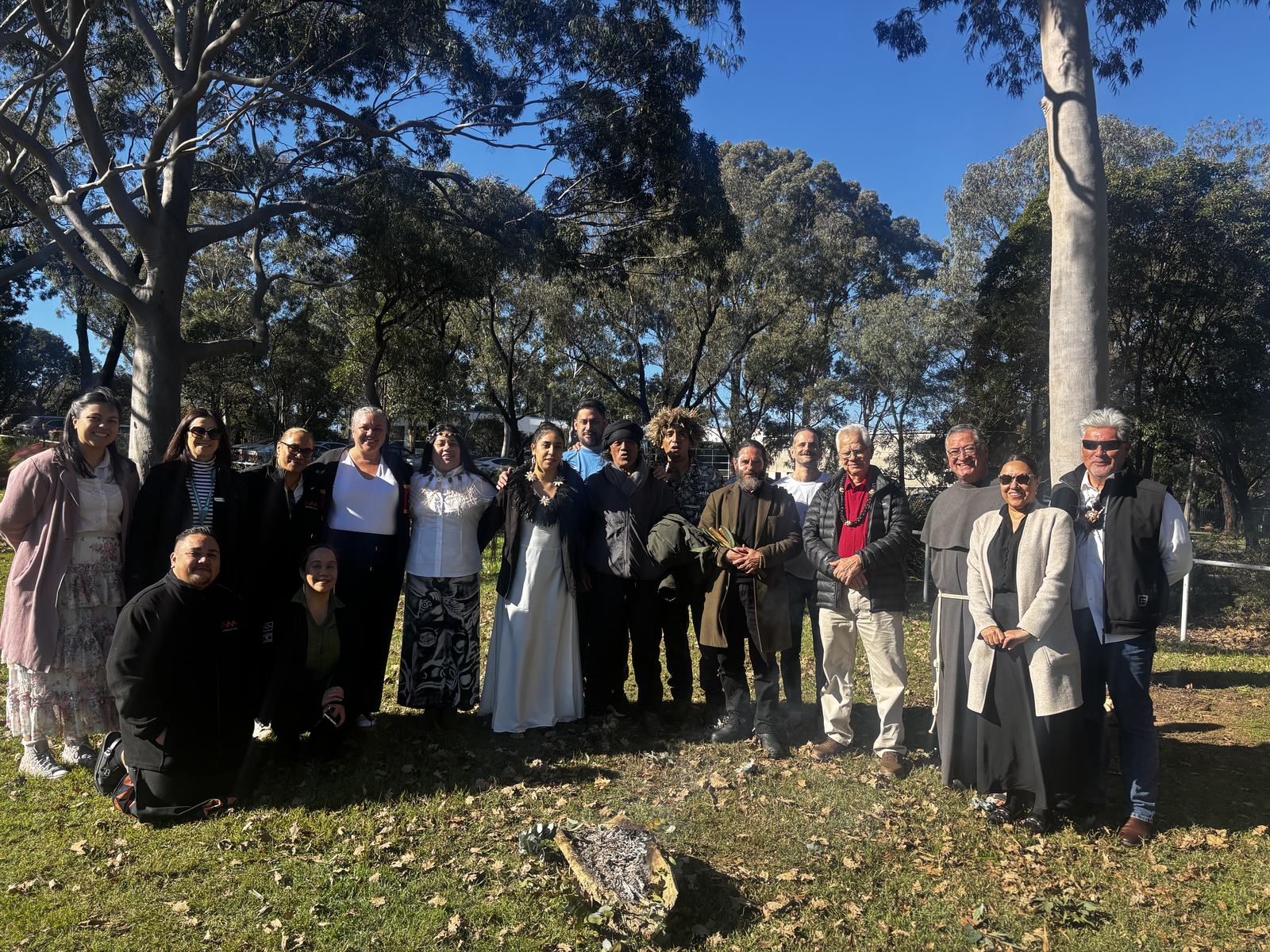
© Australian Museum
The Tupuna, 17 Ivi Tupuna (ancestral remains), and one sample of human hair, were removed from sacred burial sites at Rano Raraku, Rapa Nui, in September 1882 during a German naval expedition, and acquired by the Australian Museum through purchase the following year. At that time, museums, universities, and private collectors across Europe, the US, and Australia competed for cultural specimens, and remains were traded, gifted, or sold between institutions internationally.
"Our ancestors have waited a long time to return home. Today, after 144 years, they begin that journey. We are grateful to the Australian Museum for hearing us, for treating our Tupuna with respect, and for walking this path with us. This is not the ending but it is a healing," Vaitiare Pakarati, Rapa Nui artist, educator, and accessibility advocate said.
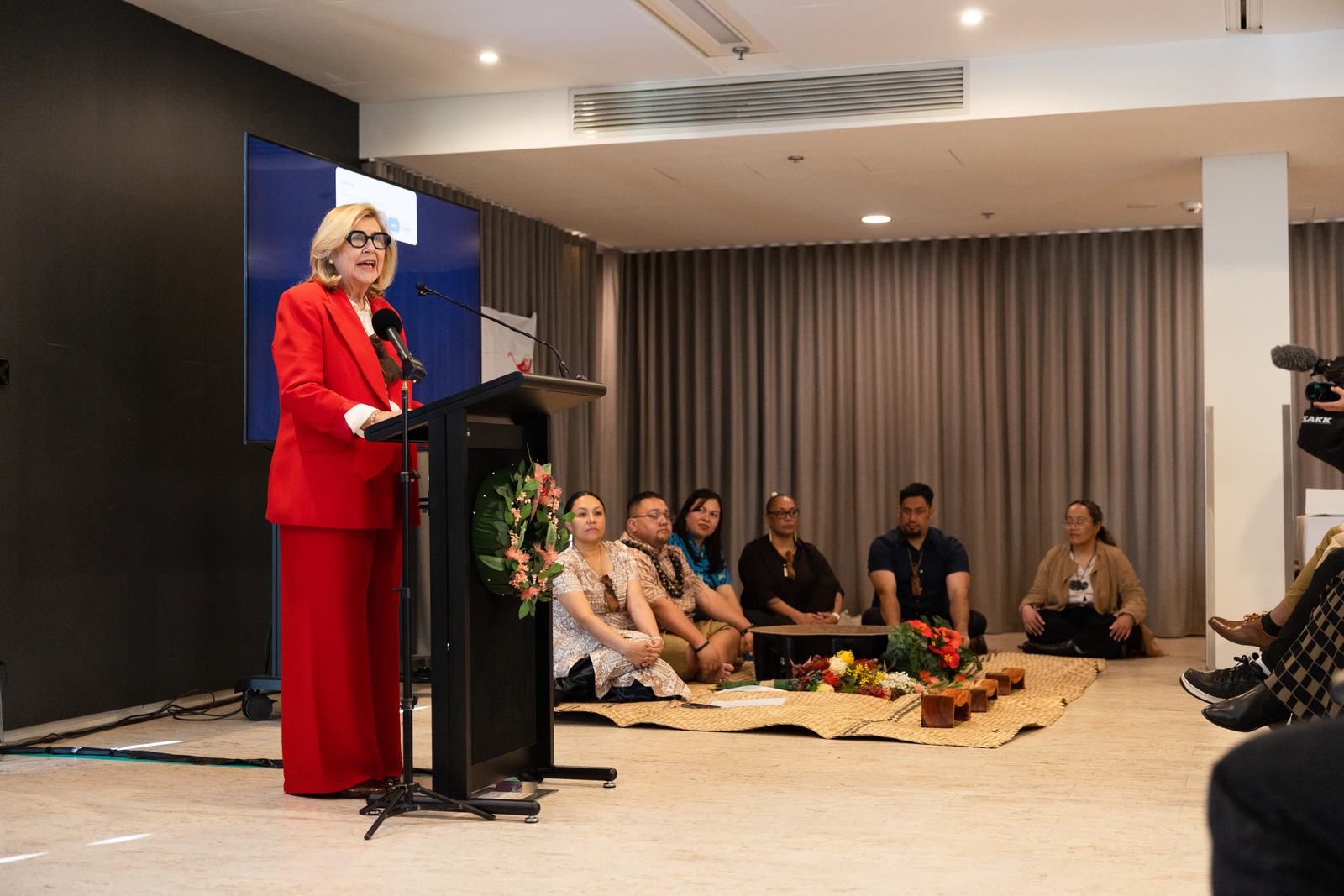
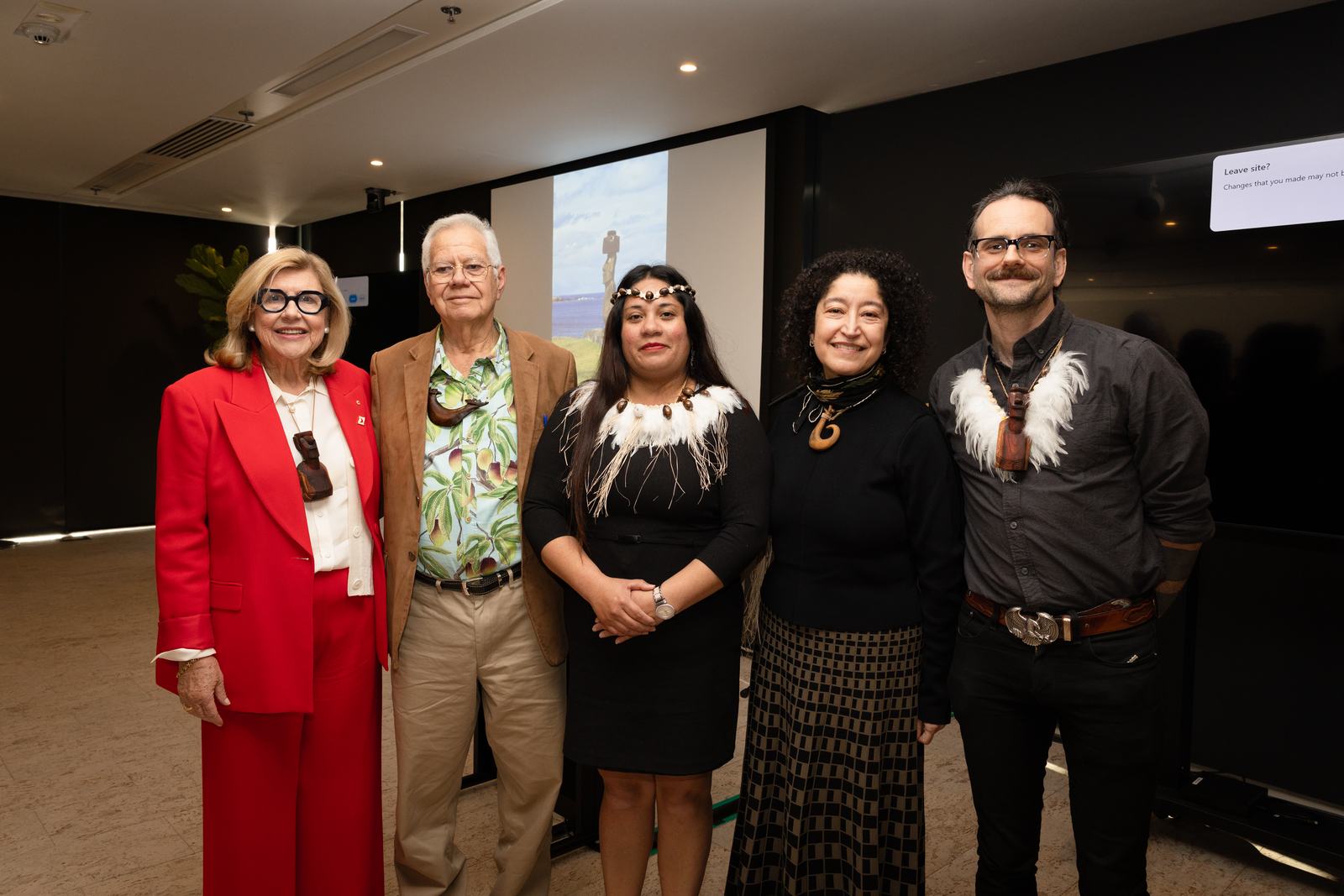
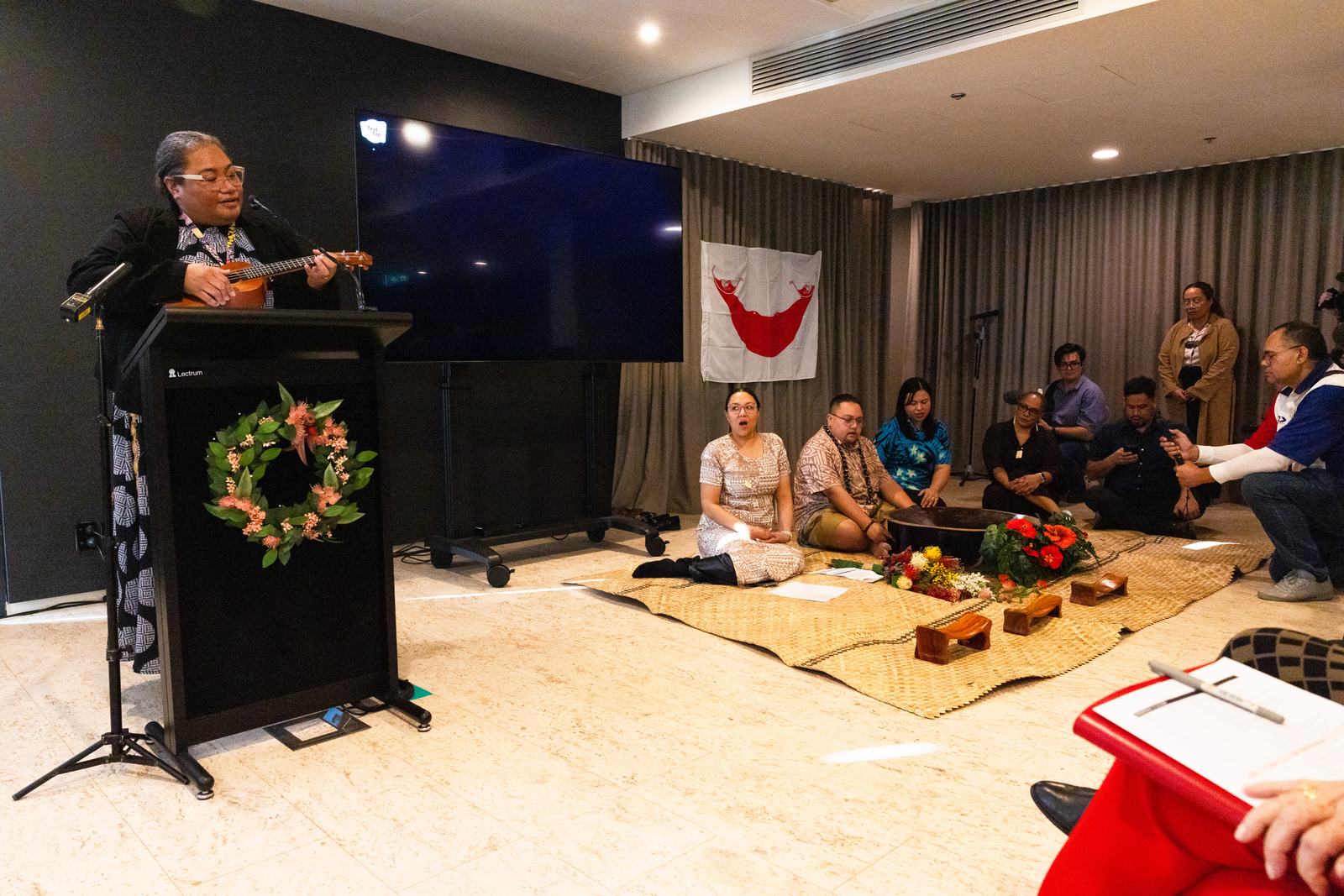
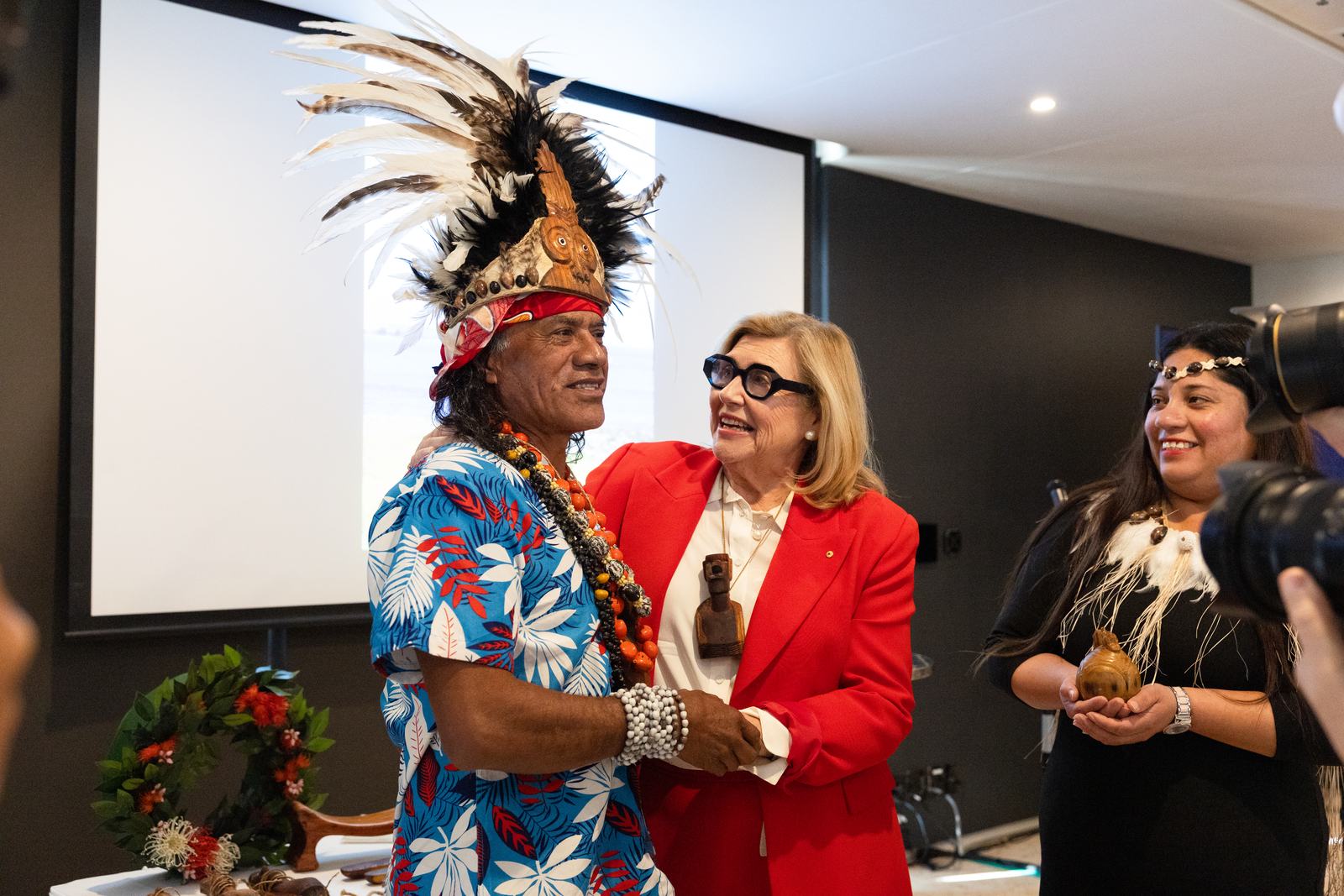
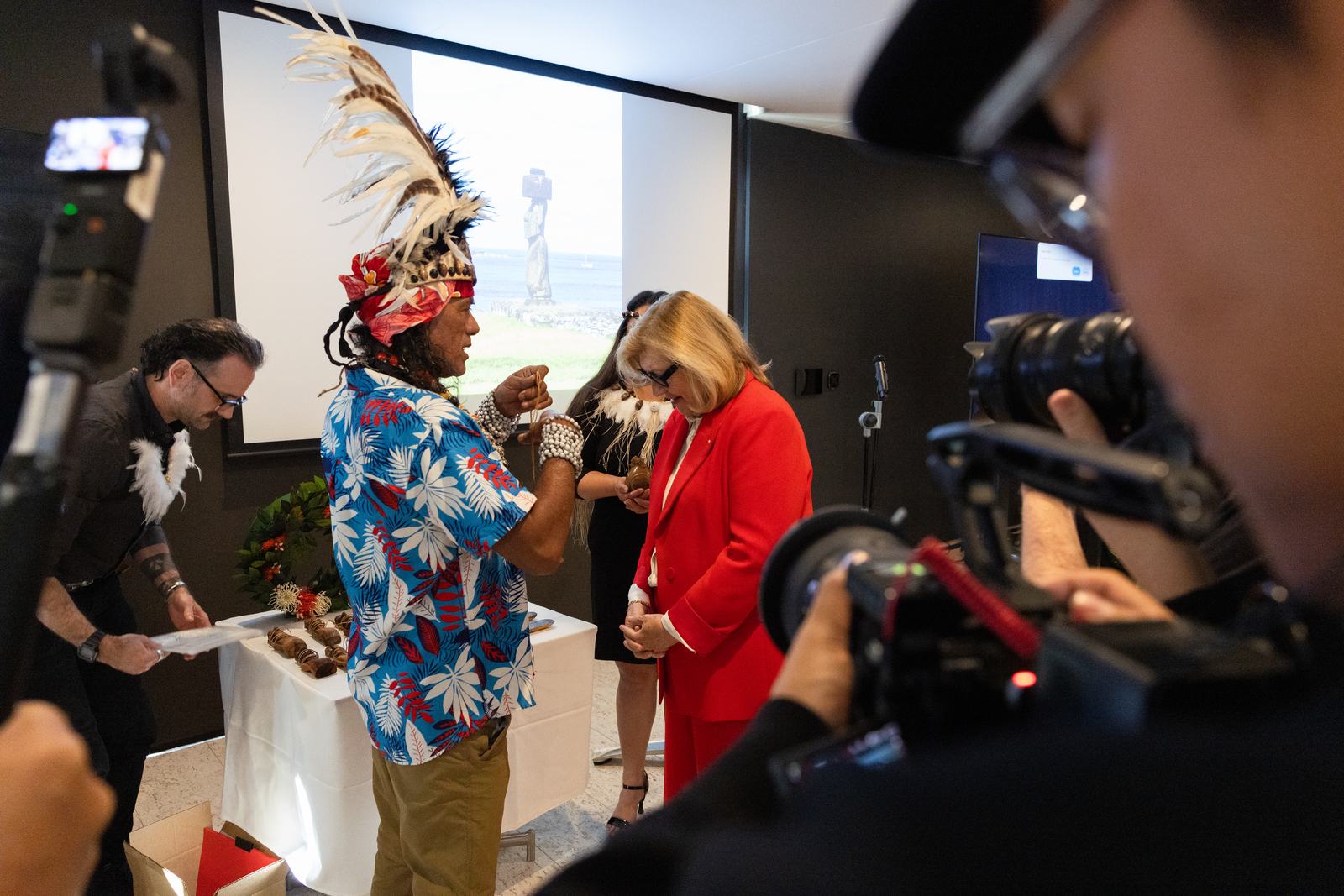
Funded by the Australian Museum Foundation, the repatriation is the result of a sustained process of community consultation that began when Melissa Malu, AM Head of Pasifika Collections and Engagement, met members of the Rapa Nui delegation at FestPAC in Hawai'i in June 2024. Ongoing dialogue, international consultation and careful negotiation between the AM and the community, including a visit by the Rapa Nui delegation to Sydney in June 2025, led to today's return of the ancestors.
"This is a profound moment, for the Rapa Nui people, and for the Australian Museum," Laura McBride, AM Director First Nations said. "These ancestors were taken from their sacred resting places without the consent of their people as part of a colonial system that caused deep and lasting harm. Returning them is both an acknowledgement of that history and an act of deep respect for the Rapa Nui community and their right to determine what happens to their ancestors."
Australian Museum Director and CEO Kim McKay AO said the AM acknowledged the imperative to address museum collecting practices of the past.
"The Australian Museum acknowledges the circumstances of how these ancestors came to be in our collection and is deeply sorry for this past wrong. Returning them is an act of moral responsibility. We are honoured to have walked this path with the Rapa Nui community, we are grateful for their guidance through this process and we are glad these ancestors are going home," Ms McKay said.
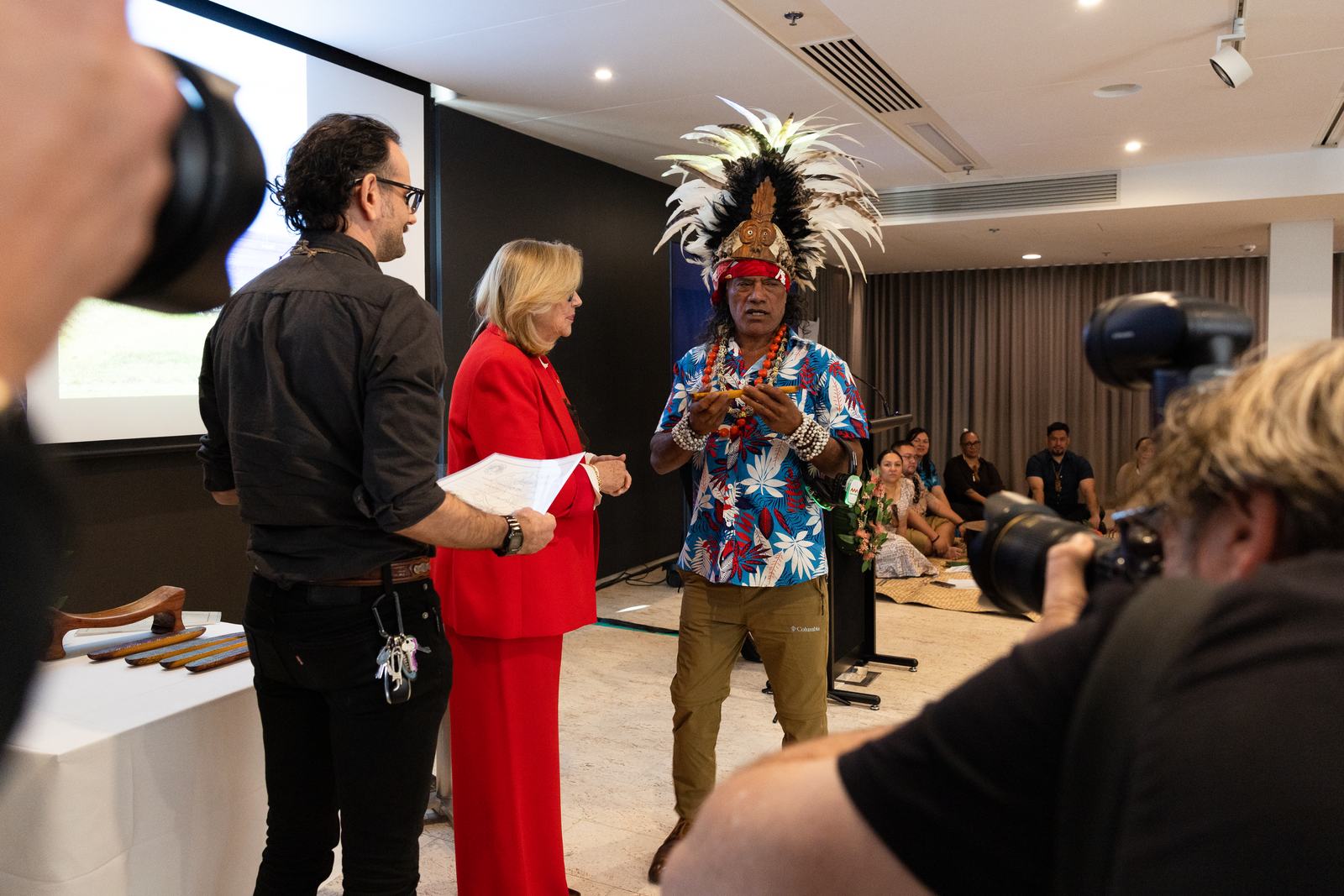
The Repatriation ceremony, held at the Australian Museum this morning, included a Welcome to Country, the signing of custodianship documentation, and cultural contributions from both the First Nations Division and the Rapa Nui delegation.
For media inquiries, email Clare Patience, Head of Communications, Australian Museum via media@australian.museum
About the Australian Museum
The nation’s first museum, the Australian Museum (AM) was founded in 1827 and will mark its 200-year anniversary in 2027. It is internationally recognised as a natural science and culture institution focused on Australia and the Pacific. The AM holds more than 22 million objects and specimens in its collection, the largest in the Southern Hemisphere. It pursues a mission to ignite wonder, inspire debate and drive change. The AM’s vision is to be a leading voice for the richness of life, the Earth and culture in Australia and the Pacific and commits to transforming the conversation around climate change, the environment and wildlife conservation; being a strong advocate for First Nations cultures; and continuing to develop world-leading science through the Australian Museum Research Institute (AMRI). The AM is not only a dynamic source of reliable scientific information on the environmental and social challenges facing our region, but also a trusted site of cultural exchange and learning.
