Scientist for a Day: Wildlife Geneticist
Go behind the scenes of the Australian Centre for Wildlife Genomics, conduct DNA experiments with a scientist, and meet researchers with fascinating stories to tell in this school holiday full-day adventure for kids.
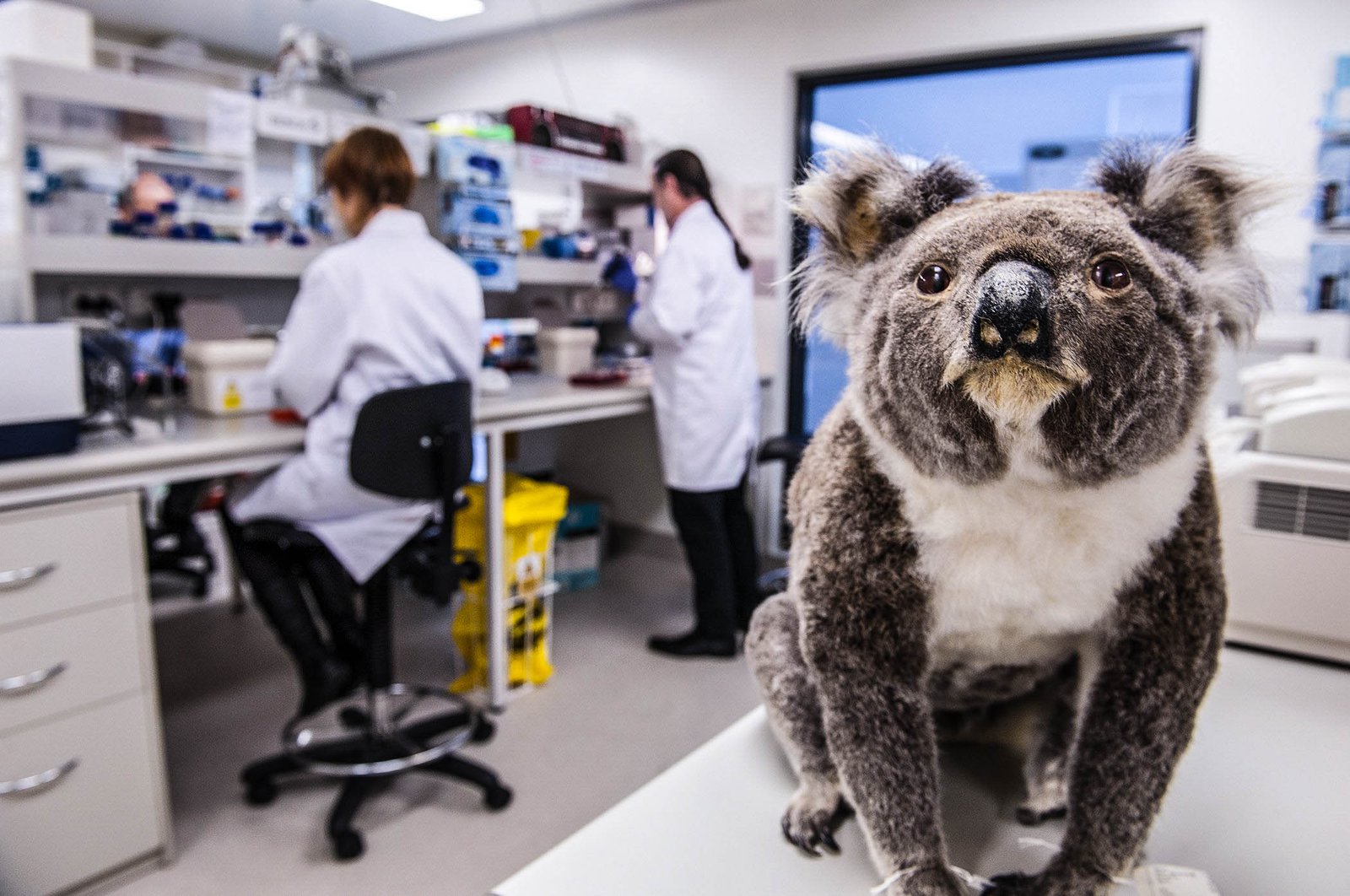
Researchers in the Australian Centre for Wildlife Genomics lab.
Image: Stuart Humphreys© Australian Museum
This program has sold out. Discover more exciting school holiday programs.
Ages: Strictly 9-12 years
Become a wildlife geneticist for a day these school holidays and discover how DNA helps protect animals in ways you might never have expected!
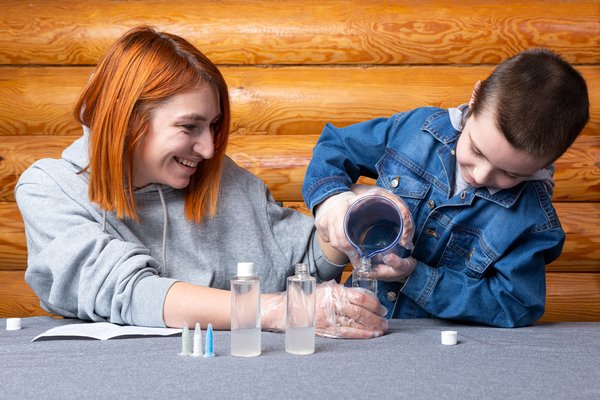
Join expert researchers from the Australian Centre for Wildlife Genomics for an interactive, behind‑the‑scenes experience that brings real scientific research to life. Through hands‑on experiments, gallery exploration and lab visits, young scientists will uncover how genetics help us understand animal adaptations, biodiversity and conservation.
You’ll delve deep into DNA with David Alquezar, Manager of the Australian Centre for Wildlife Genomics, learn how animals develop unique traits to survive Australian environments, and put your knowledge to the test in the Surviving Australia gallery. Get creative by combining different traits and DNA sequences to design your own one‑of‑a‑kind dog to take home at the end of the day.
For curious minds keen to explore real science beyond the classroom, this is an unforgettable full-day school holiday adventure.
David Alquezar

© Australian Museum
Dr David Alquezar is a molecular biologist with a strong research background in virology assay development, emerging virus discovery and museum genomics. He has broad interests in human & animal welfare through molecular genetic approaches that span across wildlife conservation, infectious diseases and forensic biology.
In his current role he assists with the implementation of genomic applications to expand on the Australian Museum’s focus as an integral leader in biodiversity and conservation research. He also manages a team of collection and technical staff that perform research and applied casework projects that inform government and industry partners through specialist molecular diagnostic capabilities. These methodologies aim to resolve species identification, taxonomy and conservation related questions of wildlife via detection and reporting on their distributions.