Minerals: Secondary unit

-
Audience
Secondary school -
Learning stage
Stage 4 -
Learning area
Science -
Type
Learning unit, Learning resources
On this page...
The Australian Museum Mineralogy and Petrology collection consists of 79,745 registered specimens: 60, 475 minerals and 19,270 rocks (including 755 meteorites).
The collection is the oldest rock and mineral collection in Australia. The mineral component is the largest of any Australian collection; and the meteorite collection is the oldest and second largest in the country.
About 35% of the collection is from NSW, 25% from other Australian states and Antarctica, and 40% from overseas.
Special features of the collection include: zeolite minerals, gemstones, Australian meteorites and tektites, the Sir Douglas Mawson Antarctic collection, the Albert Chapman mineral collection, and suites of eastern Australia mantle and crustal xenoliths from volcanic rocks.
Learning intentions:
- Investigate how rocks and minerals are used
- Explore and identify the properties of rocks and minerals
- Compare rocks and minerals
- Design an experiment that explore the formation of rocks
- Communicate scientific discoveries of rocks and minerals
Success criteria:
- I can explain the diversity of rocks and minerals on Earth
- I can explain and provide examples of how rocks and minerals are used in everyday life
- I can identify fascinating rocks and minerals that can help us learn about our planet.
- I can plan an experiment to observe factors that effect crystal growth
NSW Syllabus
Stage 4, Science Years 7-10 Syllabus
A student:
- explains how energy causes geological and chemical change SC4-CHG-01
- explains how uses of elements and compounds are influenced by scientific understanding and discoveries relating to their properties SC4-PRT-01
- uses scientific tools and instruments for observations SC4-WS-01
- plans safe and valid investigations SC4-WS-03
- uses a variety of ways to proces and represent data SC4-WS-05
- identifies problem-solving strategies and proposes solutions SC4-WS-07
- communicates scientific concepts and ideas using a range of communication forms SC4-WS-08
-
Before your visit
-
Acknowledgement of Country
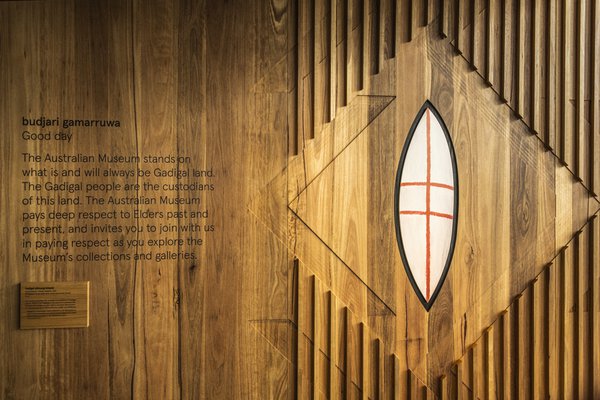
![Gadigal Shield and Statement of Reflection]()
Learn about the importance of an Acknowledgement of Country, and write one for your school.
-
Minerals A–Z
![A rainbow of minerals]()
Can you come up with an alphabet of minerals? You can also use this diagnostic assessment to find out what questions you have about minerals.
-
Gems, minerals, crystals, rocks
![Mineralogy at the Australian Museum, photographed in August 2024.]()
Do you know a mineralogist from a petrologist? A gem from a crystal? Learn these definitions and the Australian Museum's collection with these short videos.
-
Many minerals
![Minerals in the Chapman Gallery]()
How many minerals are there on Earth and where did they all come from?
-
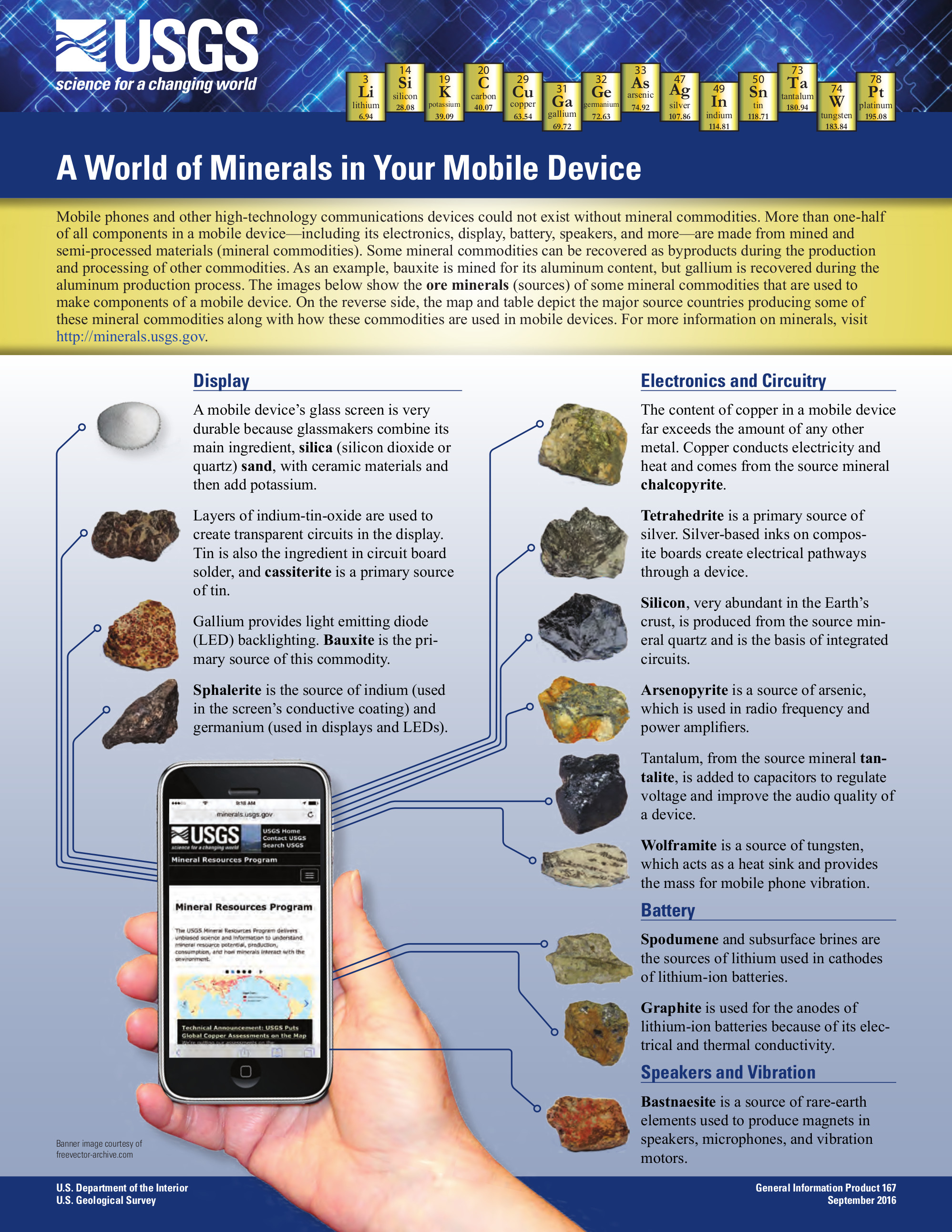
Mobile minerals
![Whales Audio Tour]()
We use minerals everyday – maybe we take them for granted! How do you think our use of minerals has changed over time, and where is the use of minerals heading?
-
Mineral properties
![Web Banners]()
Is it see-through? Is it hard? Is it smooth or crystalline? Is it magnetic? Learn about the properties of minerals and how they can be used in identification.
-
Crystal systems
![Halite D.11550 AT (1)]()
Have you ever thought about salt longer than it takes to find where the shaker is? Look at salt crystals and design an experiment to craft your own!
-
Earth: inside and out
![Earth, as seen from outer space.]()
What came first: the mineral or the rock? Learn about the three different types of rocks and identifying how they form on and under the Earth's crust.
-
Rock it!
![Rock wall - Long reef]()
Create a rock collection for your class, and categorise it based on rock type. If you aren't sure what you have found, use the rock classification activity sheet to guide your identification.
-
-
At the Museum
-
Book a free self-led visit
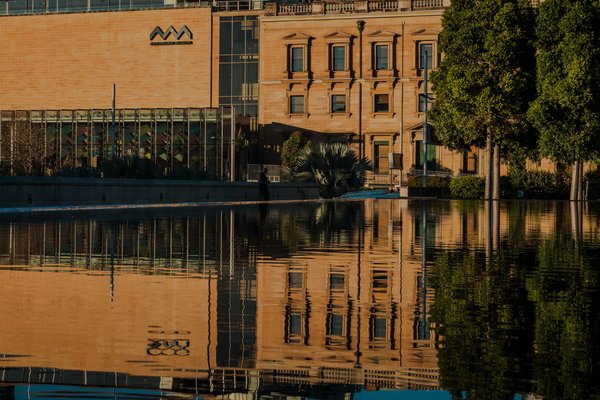
![Exterior of Australian Museum building]()
Book in a self-led visit to the Museum for your school, and use our downloadable learning resources designed to engage students in our collections and exhibitions.
-
Book an educator-led program
![High school student and teacher look at mineral display]()
Book into our Museum educator-led program Earth's resources, designed for students in Stage 6 doing Earth and Environmental Science.
-
-
After your visit
-
Museum minerals
![Teaching the public about minerals and mammals on Community Day, at the AMRI stall.]()
Can you curate a story about minerals? With a partner, create a presentation about rocks and minerals.
-