Skip to acknowledgement of country
Skip to footer

Australian Museum Australian Museum website
  • What's On
  • AM Shop
  • Join & Give
  1. Home
  2. Learn & Connect
  3. Earth science

Earth science

The Mineralogy and Palaeontology collections include rocks, minerals, gemstones and fossils. Learn more about these naturally occurring, inorganic solids.

  • Updated
    01/09/20


Earth photographed from space.

Shaping the Earth

What makes the Earth unique? Where does it fit in the Solar System and, ultimately, the universe? Take a look inside the Earth and find out what it is made from and how it is structured. Look at the processes that shape the Earth.

Read more

Amethyst geode D.47883

What are minerals?

Minerals are the building blocks of our planet. Discover what they reveal about the history of Earth and our solar system and what makes them so essential to our existence.

Read more

Web Banners

Mineral properties

Minerals can be identified using a number of properties. These include physical and chemical properties such as hardness, density, cleavage and colour, crystallography, electrical conductivity, magnetism, radioactivity and fluorescence.

Find out more

Chalcedony blue and white

Gemstones

Gemstones are prized for their beautiful colours and patterns and are used in a range of applications including jewellery, decorative items and as important features of mineral collections.

Read more

School girl looking at megafauna display

Australia over time

Learn about our evolving landscape, Australian megafauna and other extinct animals and how we use fossils to relate the animals of the past with those of today.

Megafauna
Fossil sites in Australia
Geological time scale
Learn more

Long-wave fluorescing minerals

Mineralogy

Learn more about our mineralogy and petrology collections and study of minerals and rocks.

Gemstones
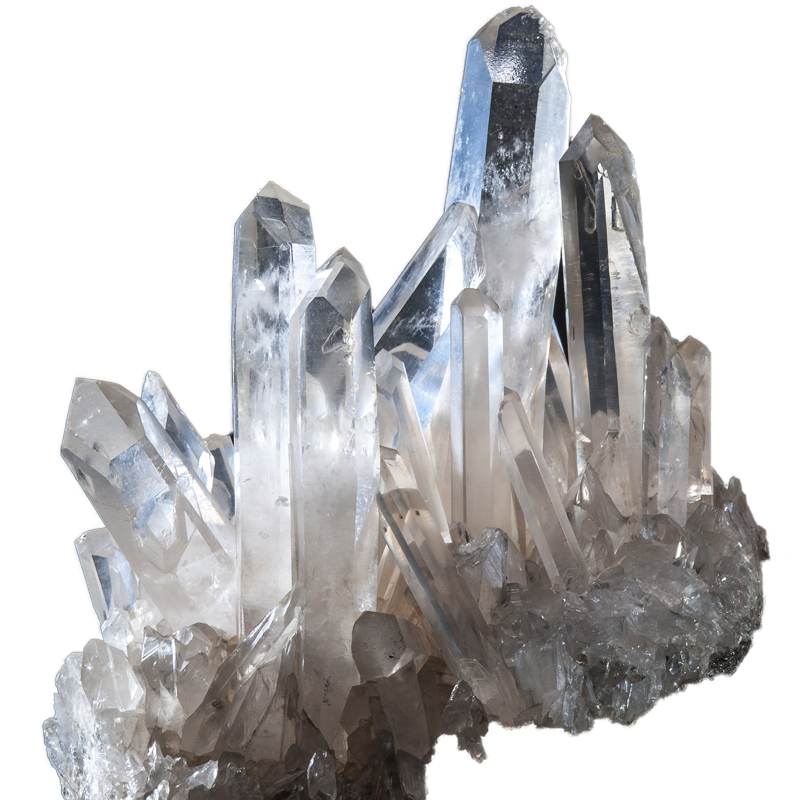
Crystals
Learn more


  • Mineralogy Collection

    Study of rocks & minerals.
    Learn more
  • Palaeontology collection

    Ancient animals and plant fossils.
    Read more
  • Australian Museum Research Institute

    Scientific discovery and conservation of our collections.
    Find out more

You may also be interested in...

You may also be interested in...

Feathertail glider

Animal factsheets

Discover the astonishing variety of mammals, birds, reptiles, marine life and more in the Australian Museum collections.

Invertebrates
Vertebrates
Extinct animals
Find out more

The AMRI Herpetology Collection. These are general shots of the Collection specimens and Collection areas for the AM website redevelopment in 2018.  Shots taken in the Herpetology Collection with Techinical Officer Stephen Mahony.

Herpetology

Herpetology is the study of amphibians, including frogs, toads, salamanders and caecilians, and reptiles, including lizards, snakes, turtles and crocodiles.

Amphibians
Reptiles
Find out more

Vita Cochran visit

Museum Archives and Research Library

The Museum Archives and Research Library cares for the Museum’s institutional memory and its historic natural history book and journal collections dating from 1836.

History of the Museum
Archives
Rare books
Photography
Explore our history

3D scanning of fish fossils

Collection objects in 3D

See some of our rare and unique natural science and cultural collection objects in 3D.

Egyptian collection
Fish and fossils
Extinct mammals
Learn more

Light Microscopy - Mark McGrouther

Science of life

Learn about biodiversity, the scientific study of life and organisms, and the story of human evolution.

Stages of Decomposition
The Human story
Virtual Autopsy
Learn more

Glass marine model

Blaschka glass models

The 19th century was a time of great scientific endeavour. In 1879 the Australian Museum actively sought to share these wonderful discoveries with the public by ordering specimens and models from Europe so that it could display all the common European vertebrates and invertebrates.

Glass models of sea anemones
Leopold and Rudolf Blaschka
Discover more

Marine Invertebrates Collection Area 2018

Marine Invertebrates

The Marine Invertebrates Collection is active in research on a variety of taxa, such as annelids, cnidarians and crustaceans, and holds extensive collections of most marine phyla.

Crustaceans
Polychaetes
Learn more

ACWG DNA Labs 2015

Frozen Tissue collection

Our extensive collections are a valuable resource for the investigation of biodiversity, population genetics, phylogenetics and more.

Tissue samples of species
Contain DNA
DNA Lab
Find out more

Illustration of pacific objects

The Sarah Stone Collection

A fascinating collection of original watercolours by a talented female natural history artist.

Illustrations of objects from Captain Cook’s voyages
View collection

Egyptian Mummy

Yellow coffin from Akhmim

A mummy, well wrapped in bandages in a painted coffin without a lid from Thebes in Egypt, was gifted to the Museum in 1912 by brewer, politician, and philanthropist, Robert Lucas-Tooth.

18 October 2022
Read more

Australian Museum Archival images 200 Treasures

History of our museum collections

Discover the history of the collections and construction of Australia's first museum, beginning in January 1846.

Read more

Douglas Mawson in the Antarctic

Heading south: Mawson and the Australasian Antarctic Expedition

In December 1911, the Australasian Antarctic Expedition set sail from Hobart and into the history books.

Geologist Douglas Mawson
Sun compass
Sledgemeter
Find out more

You have reached the end of the main content.
Go back to start of main content
Go back to top of page

The Australian Museum acknowledges that we operate on the lands, waters and skies of many First Nations Peoples. As Australia's first museum, we share the responsibility of advocating for Country and honouring First Nations Peoples and knowledges. This website may contain names, images and voices of deceased Aboriginal and Torres Strait Islander peoples.

Go back to top of page
Australian Museum Logo
Opening Hours
Open Daily 10am - 5pm
Closed Christmas Day
Free General Entry
Address
1 William Street
Sydney NSW 2010
Australia
Phone
+61 2 9320 6000
www.australian.museum
Copyright © 2026 The Australian Museum
ABN 85 407 224 698
View Museum News
Skip Footer Navigation
  • Visit & Book
    • What's on at the Australian Museum
    • Admission information
    • Accessibility and inclusion
    • Membership
    • Food and drinks
    • Museum Shop
    • Education and group bookings
    • Multilingual visit information
    • Australian Museum venue hire
    • Australian Museum Visitor Map
    • Audio guides for exhibitions
  • Learn & Connect
    • Latest news
    • For teachers and students
    • Australian Museum Collections
    • First Nations cultures and history
    • Pasifika cultures and history
    • Climate change
    • Sustainability
    • Expeditions and fieldwork
    • Animal factsheets
    • Australia over time
    • Dinosaurs and their relatives
    • Science of life
    • Earth science
    • Journals & Publications
    • Research Library
    • Object and species identification
  • Get involved
    • About the Australian Museum
    • Become a Member
    • Donate to the Museum
    • Australian Museum Research Institute (AMRI®)
    • Australian Museum Eureka Prizes
    • Work at the Museum
    • Student opportunities
    • Citizen science projects
    • Volunteer at the Australian Museum
    • Partnerships
    • Commercial services
    • Touring exhibitions
    • Media Centre
    • Contact us
  • About
    • Our Organisation
    • Our history
    • Media Centre
Connect with us
  • The Australian Museum Facebook page
  • The Australian Museum Twitter/X account
  • The Australian Museum on Instagram
  • The Australian Museum Linkedin profile
  • The Australian Museum YouTube channel

Join our Newsletter

Receive the latest news on events, exhibitions, science research and special offers.

  • Site map
  • Privacy
  • Cookie Declaration
  • Social Media Guidelines
  • Terms of Entry
  • Copyright © 2026
The Australian Museum is a New South Wales Government funded cultural institution.

NSW Government logo Australian Museum logo
Back to top

You have reached the end of the page. Thank you for reading.
Website Navigation Dialog Modal
  • What's On
  • AM Shop
  • Join & Give
  • Visit & Book
      • What's On Calendar
      • Location & Transport
      • Admission information
      • Food & Dining
      • Access & Inclusion
      • Become a Member
      • Members-only events
      • Member login
      • Explore magazine
      • Gift Membership
    • Group Bookings
    • Visitor Guides & Map
    • Museum Shop
  • Learn & Connect
      • Latest news
      • Read our articles
      • Listen to podcasts
      • Exhibition publications
      • Media Centre
      • Education programs
      • School excursions
      • First Nations learning resources
      • Science learning resources
      • History learning resources
      • First Nations cultures and history
      • First Nations Collections
      • Pasifika cultures and history
      • Pasifika Collections
      • World Cultures
      • Cultural Collection Enhancement Project
      • Australian Museum Research Institute (AMRI®)
        • Lizard Island Research Station
        • Australian Centre for Wildlife Genomics
        • AMRI Seminars and Lectures
        • Collection Care and Conservation
        • Citizen science projects
        • Expeditions and fieldwork
      • Life & Geoscience Collections
        • Archaeology
        • Arachnology
        • Entomology
        • Herpetology
        • Ichthyology
        • Malacology
        • Mammalogy
        • Marine Invertebrates
        • Mineralogy
        • Ornithology
        • Palaeontology
        • Frozen Tissue
        • AMRI Collection Enhancement Project
      • Learning resources
        • Australia over time
        • Earth Science
        • Dinosaurs and their relatives
        • Human evolution
        • Biodiversity
      • Search our Science Journal
      • Australian Museum Eureka Prizes
      • Animal factsheets
        • Spiders
        • Native frogs
        • Reptiles
        • Worms
        • Molluscs
        • Sea squirts and sea tulips
        • Jellyfish, anemones and corals
        • Mammals
        • Australian Bats
        • Fishes
        • Birds
        • Insects
        • Plankton
        • Sea stars and sea urchins
        • Centipedes and millipedes
        • Crustaceans
        • Dangerous Australian animals
        • Australia’s extinct animals
      • Learn about climate change
      • Impacts of climate change
      • Climate change solutions
      • Stories of our changing environment
      • Climate Solutions Centre
  • About Us
      • Organisation & Governance
      • Australian Museum Collections
      • Archives & Research Library
      • History of the AM
      • Visitor information
      • Australian Museum Foundation
      • Donate to the Museum
      • Partnerships
      • Become a Member
      • Venues & Functions
      • Touring Exhibitions
      • Staff profiles
      • Work at the Museum
      • Awards & Fellowships
      • Student opportunities
      • Volunteer at the Australian Museum
      • Contact List
      • Ask an Expert
      • Ask an Elder
      • Subscribe to our eNewsletter
      • Search our Website
Website Search Dialog Modal
Photo of two painted shields

The Australian Museum respects and acknowledges the Gadigal people as the First Peoples and Traditional Custodians of the land and waterways on which the Museum stands.

Image credit: gadigal yilimung (shield) made by Uncle Charles Chicka Madden