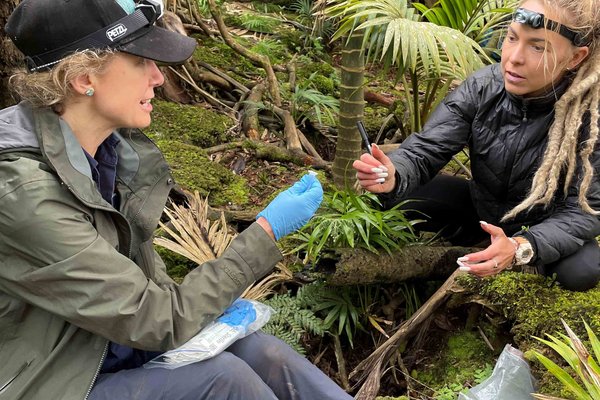
Land snails of Lord Howe Island
A UNESCO World Heritage Site in the Tasman Sea, Lord Howe Island is home to 70 endemic land snail species. The Australian Museum has partnered with local managers since 2016 to protect them.
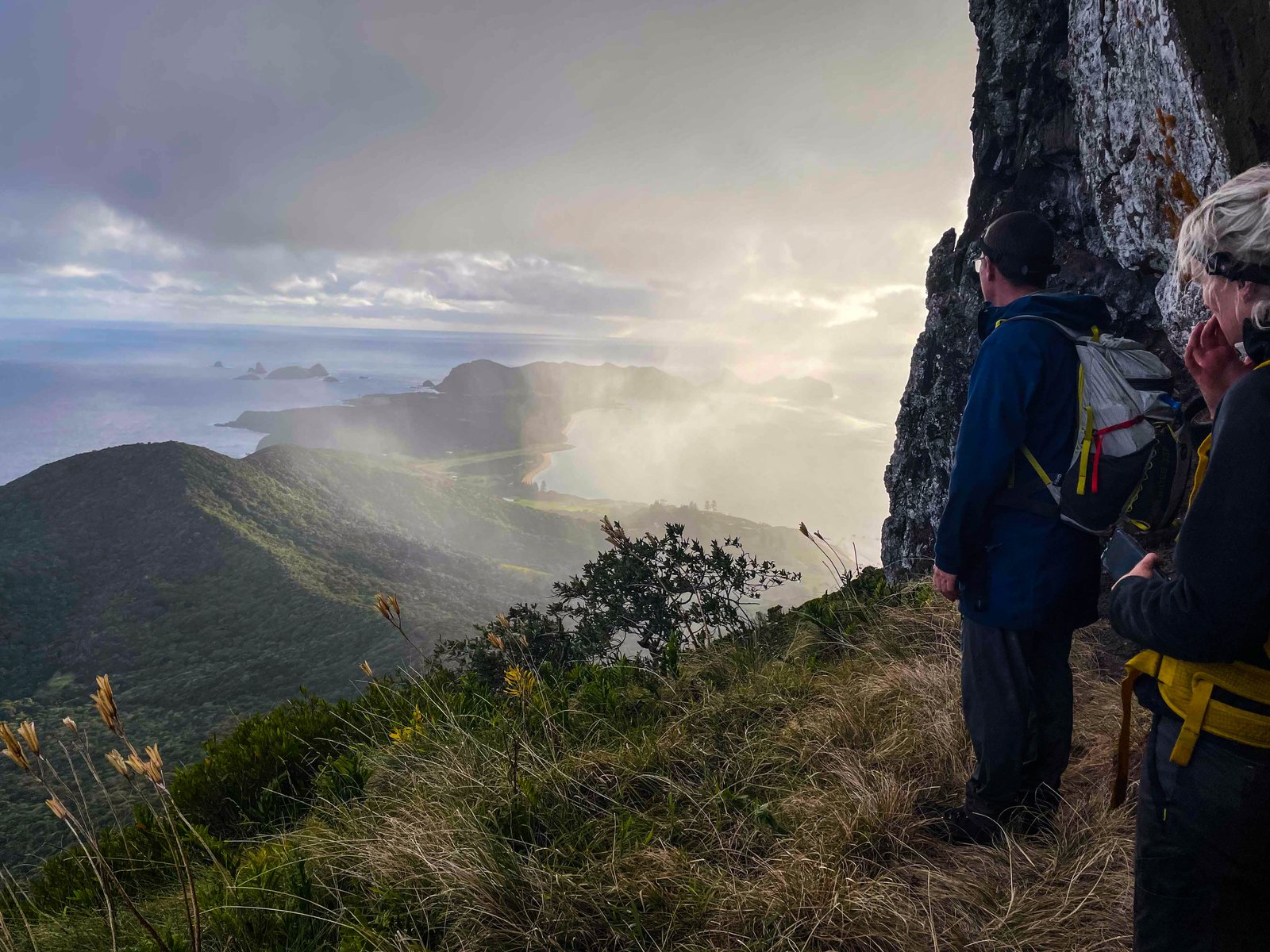
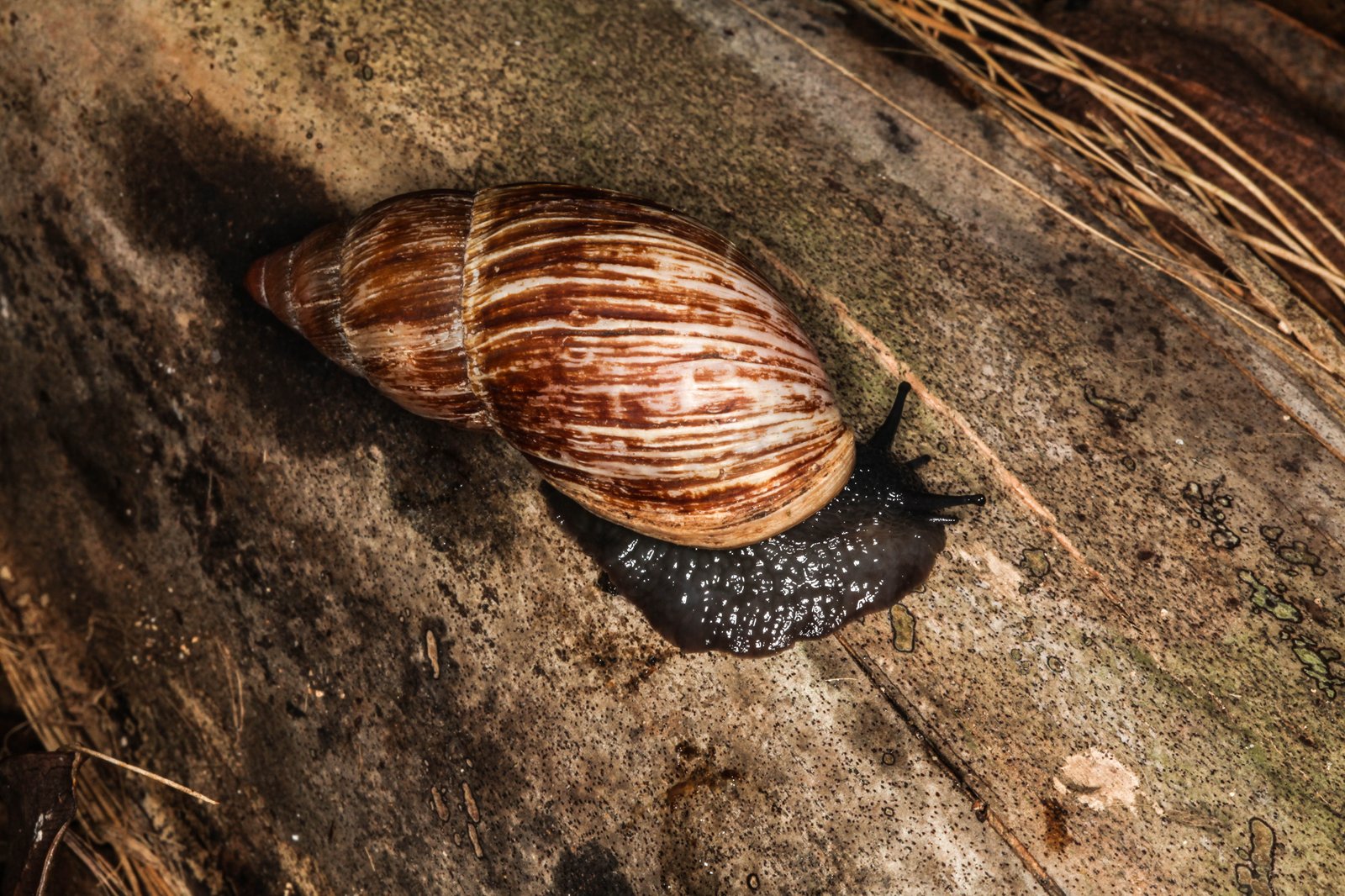
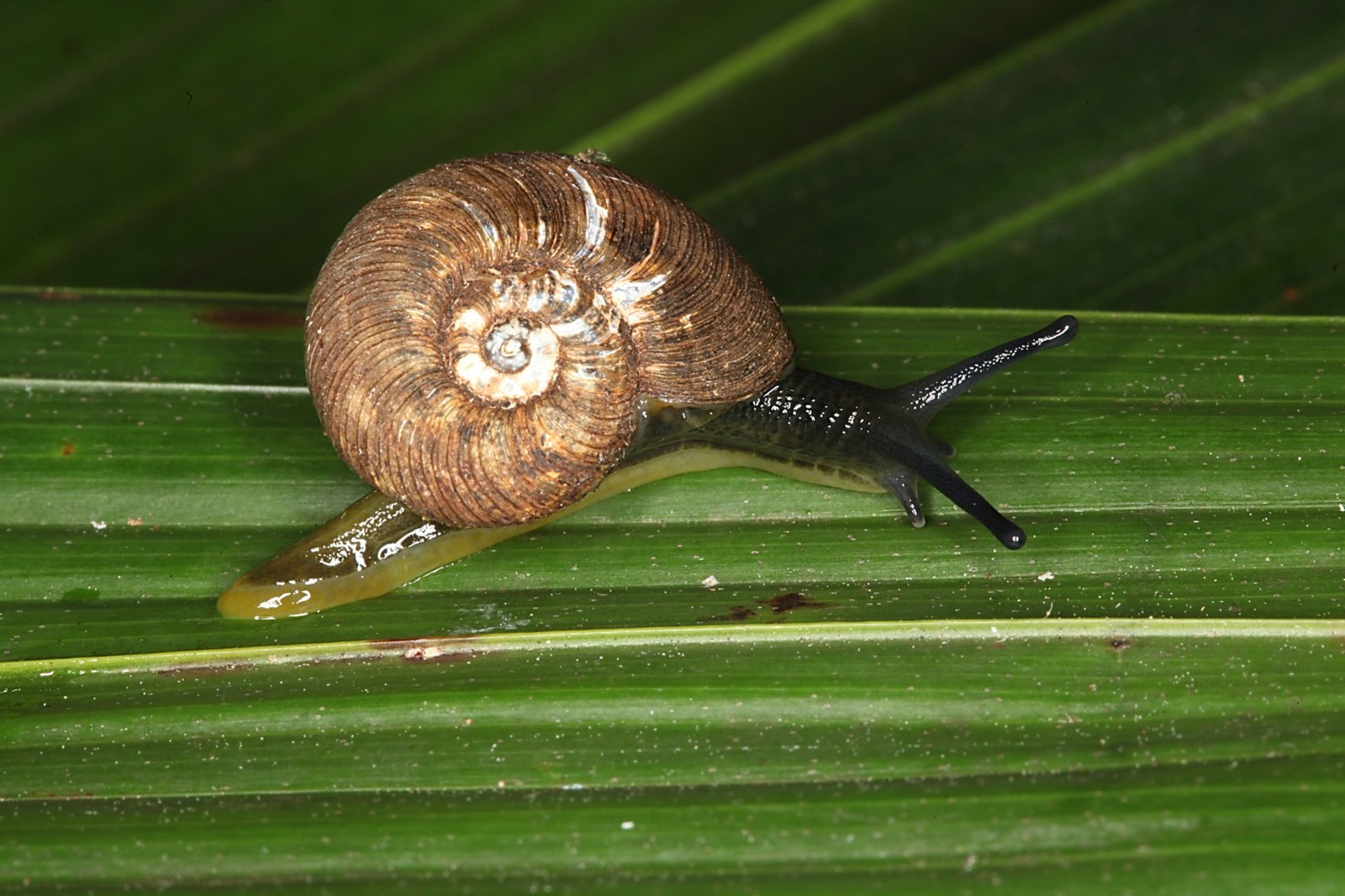
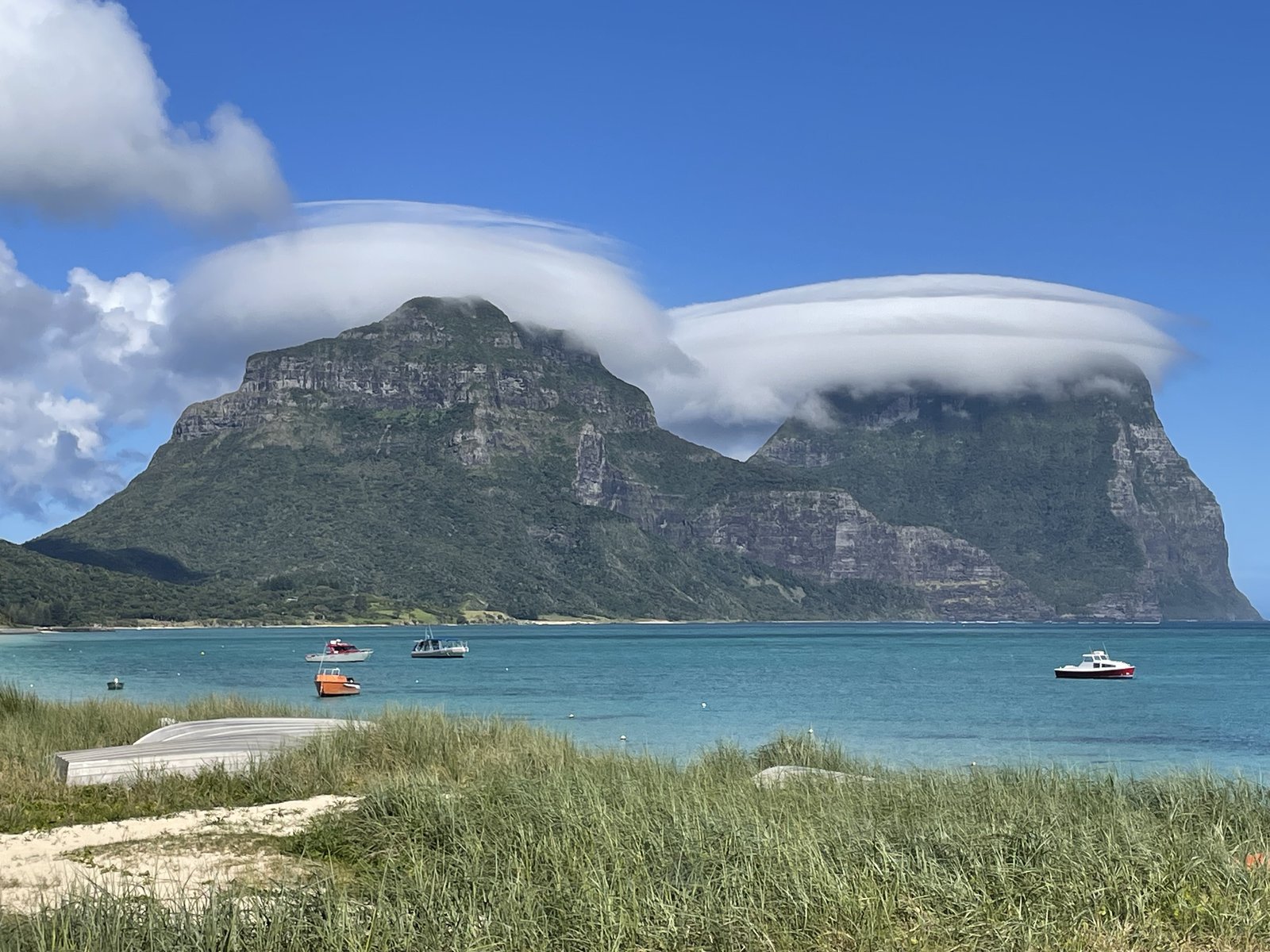
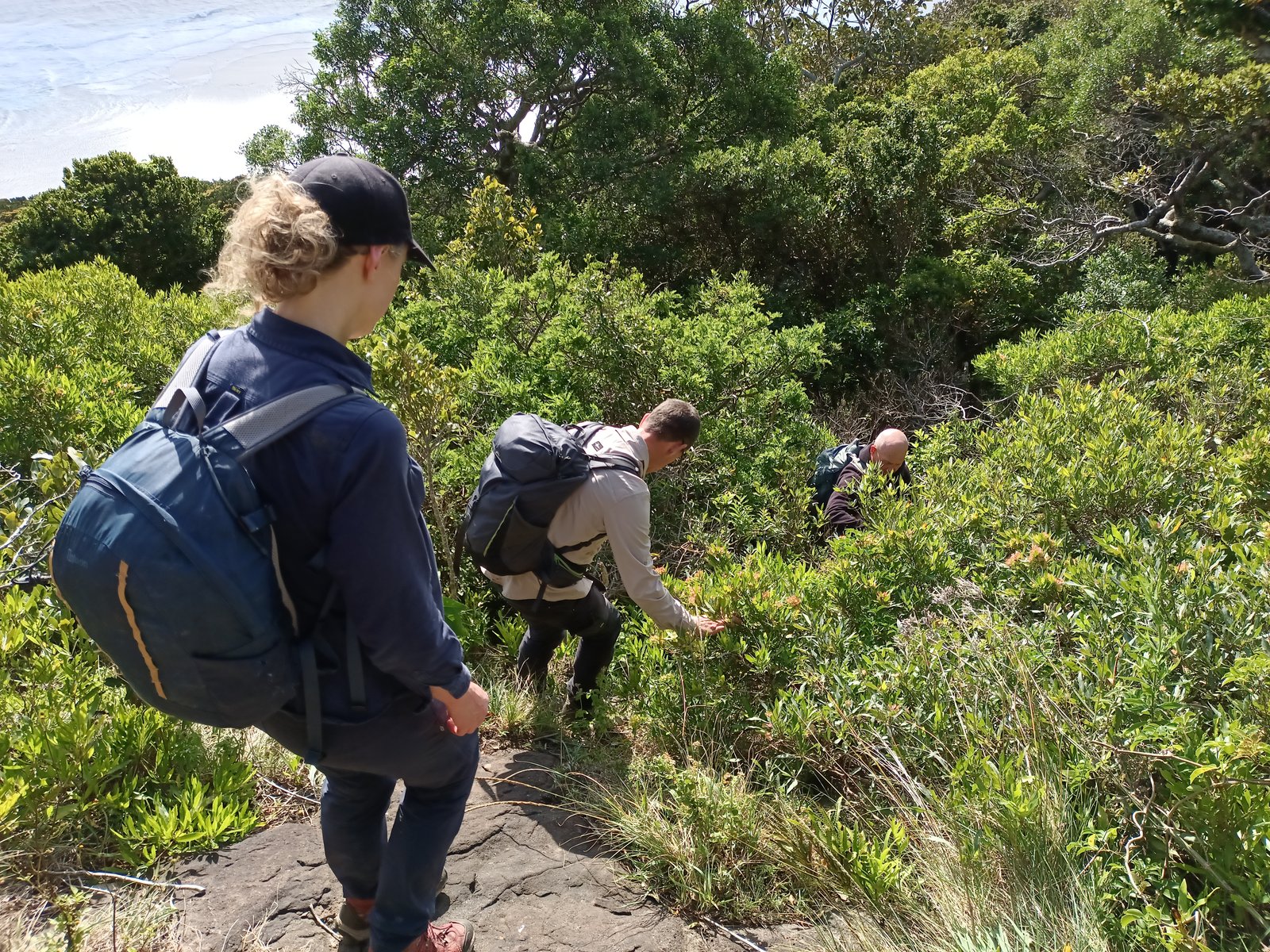
Lord Howe Island is situated in the Tasman Sea about 600 km east of the Australian mainland. This beautiful UNESCO World Heritage Site is a small crescent-shaped volcanic remnant of only 14.5 km2, home to a remarkable diversity of endemic flora and fauna, including around 70 species of land snails.
The Australian Museum has a long history of collaboration with Lord Howe Island, with our first expedition there dating back to 1851. Surveys by AM scientists in the 1970s that demonstrated the negative impact of introduced species were instrumental in initiating conservation work to rid the island of pigs, goats and cats over the following decades.
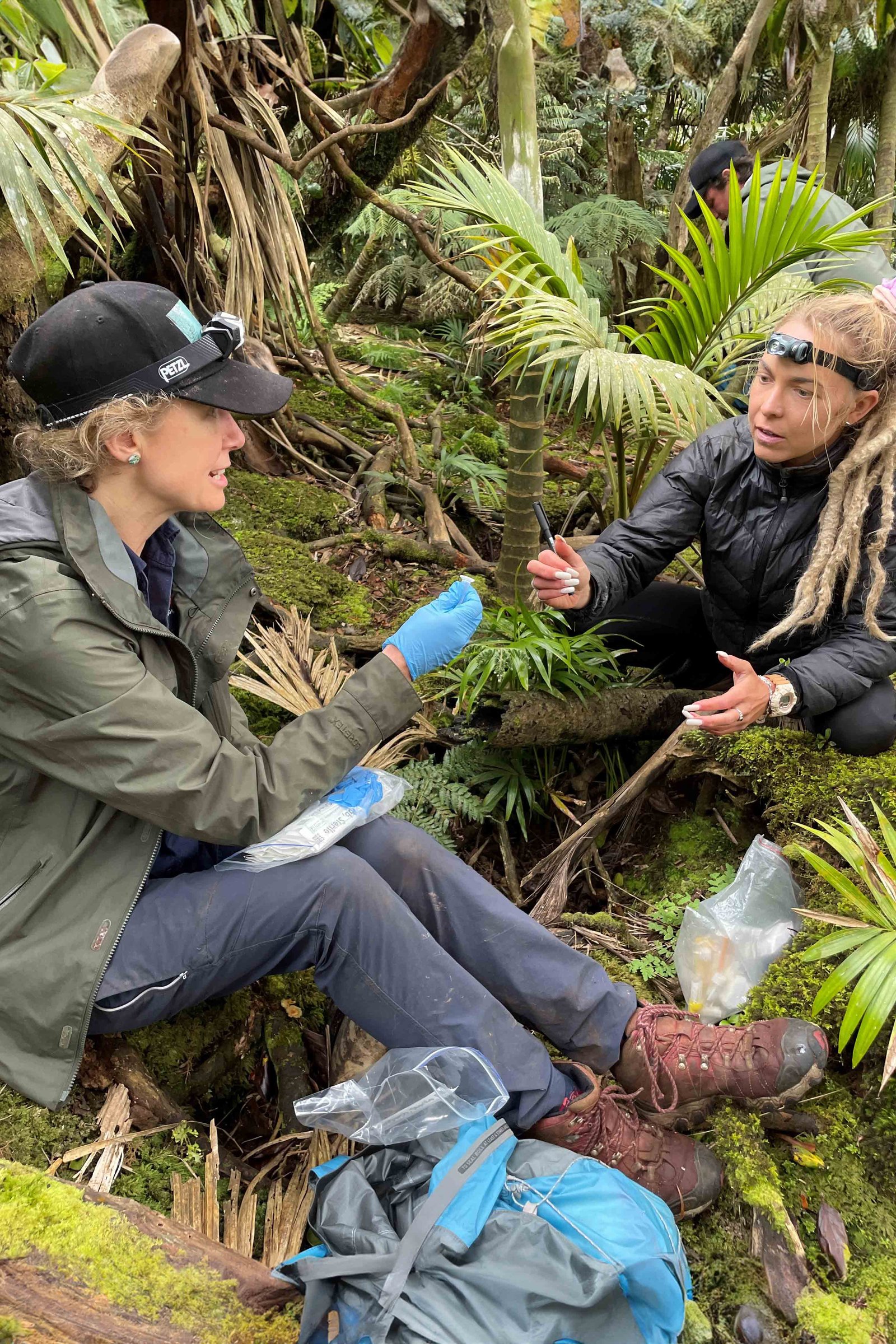
When an island-wide rodent eradication was planned, AMRI scientists Frank Köhler and Isabel Hyman were invited to Lord Howe Island in 2016 to assess the potential impact on the island’s endemic land snails. This first trip led to a long-term collaboration with the Lord Howe Island Board and the NSW Saving our Species (SoS) team (Department of Climate Change, Energy, the Environment and Water), working to document the land snail diversity and to protect the threatened species.
Between 2016 and 2025, Isabel and Frank and SoS colleague Craig Stehn undertook 15 snail surveys on Lord Howe Island. The tradition of Team Snail t-shirts began during this trip, and over the last ten years many helpers from SoS, AMRI, the Lord Howe Island Board and the Lord Howe Island community have donned the shirts and joined Team Snail to provide much-appreciated assistance. Snail hunting has taken the team to the very summit of Mt Gower with backpacks and tents, camping out for three-day surveys of the summit, and off the beaten track all around the island, especially in the rugged southern mountains.
Scientific outputs of this work include a Field Guide to the land snails of Lord Howe Island and taxonomic revisions of families Helicarionidae, Microcystidae, Charopidae and Punctidae to date (with more in preparation). Baseline population genetics sampling has been completed for four of the five threatened species and the first publications are in preparation.
You can read more about our land snail surveys on Lord Howe Island in the blogs below, and follow the exciting story of species rediscovery in this video captured by Justin Finnegan.
Rare snail on Lord Howe Island
Dr Isabel Hyman and Dr Frank Köhler from the Australian Museum Research Institute discuss their recent land snail discoveries on Lord Howe Island.
Publications
- Hyman, I.T. & Köhler, F. 2025. More than just a dot: the enigmatic ‘large’ Punctidae of Lord Howe Island (Gastropoda: Stylommatophora). Zoological Journal of the Linnean Society205(4): zlaf166.
- Hyman, I.T. & Köhler, F. 2024. Size does matter: integrative taxonomy and size evolution of threatened charopid land snails on Lord Howe Island (Gastropoda: Stylommatophora). Organisms Diversity & Evolution 24: 257–312. https://doi.org/10.1007/s13127-024-00644-z
- Hyman, I.T., Caiza, J. & Köhler, F. 2023. Dissecting an island radiation: systematic revision of endemic land snails on Lord Howe Island (Gastropoda: Stylommatophora: Microcystidae), Zoological Journal of the Linnean Society 197(1): 20–75. https://doi.org/10.1093/zoolinnean/zlac075
- Hyman, I. T. & Köhler, F. 2020. A field guide to the land snails of Lord Howe Island. Sydney: Australian Museum Scientific Publishing.
- Hyman, I. T. & Ponder, W. F. 2016. Helicarionidae (Gastropoda: Heterobranchia: Stylommatophora) of Lord Howe Island. Molluscan Research 36(2): 84-107.