Night Owls: An autism and sensory-friendly night out for adults
Dress up and visit the Australian Museum after hours in a relaxed, low-sensory and supportive environment.

Night Owls provides an exclusive, fun night out for those who prefer to visit the Museum in a controlled sensory, relaxed and supportive environment.
Image: Anna Kučera© Australian Museum
Ages: Recommended 16+
Night Owls is an exclusive, after-hours experience at the Australian Museum, designed for adults who prefer a calmer, sensory-friendly environment. With a curated evening program, Night Owls supports autistic visitors and anyone who benefits from a more relaxed and accessible museum experience.
Program features:
- A relaxed, low-capacity environment after hours
- Adjusted lighting and sound, with clearly signposted activity times
- A designated quiet space to rest and recharge
- A Visual Story to help you prepare and know what to expect
- Staff trained in autism awareness and accessibility
- Pop-up bar with drinks and light snacks
- Silent disco, DJ’s, dance lessons and activations in selected gallery spaces
- Talks and activities, including guided tours, Ask an Expert sessions with AM scientists, hands-on STEM stations, and creative activities.
To support your visit, a Visual Story and detailed program will be available closer to the event date.
FAQs
Night Owls is designed for autistic people and those with sensory sensitivities. Features of this event may also benefit visitors with other access requirements and their families or friends. This event is recommended for people aged 16+.
Night Owls events align with the Australian Museum's Accessibility and Inclusion Action Plan (AIAP) to break down barriers that hinder the full and effective participation of people with access requirements, and create a place where everyone can be inspired to explore and understand our natural and cultural worlds.
Night Owls is a gateway event where visitors become familiar with the Australian Museum in a safe and supportive environment, in order to feel comfortable and confident visiting us again.
During the Night Owls event I may dress up if I would like. Dress up could include costumes such as superheroes or cartoon characters, my best or favourite outfit, or any other clothes that I feel comfortable in.
I will remember my dress up can’t show any of my private body parts, and if I wear something that covers my face, I must be able to remove it so security can see my face on entry.
- Night Owls events have limited capacity to reduce crowds, queues and associated noise.
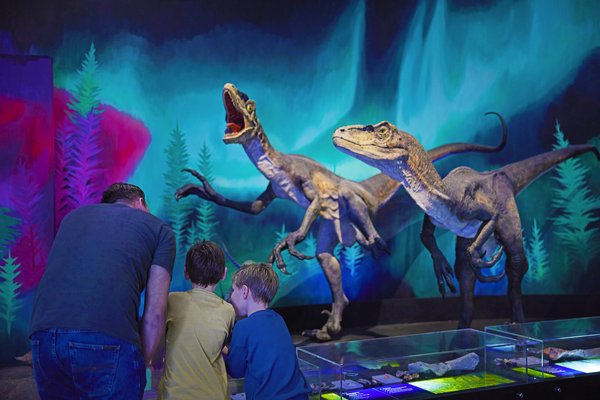
- The Museum will have lighting adjusted and loud unexpected sounds, such as dinosaurs roaring, will be switched off or down.
- High sensory areas will be indicated on the Museum map and in the Visual Story.
- Hand-dryers will be turned off and paper towel will be available in toilet facilities.
- Designated quiet spaces will be available for use to take a break and reset before continuing on your Museum adventure!
The Museum closes to the general public at 5pm and will reopen at 6pm for the Night Owls event. The Museum closes for the Night Owls event at 9pm.
Everything you would do during opening hours and more! You can draw, listen to experts talk about their favourite scientific topics, take dancing lessons as part of our Silent Disco, have a glass of wine (if you're over 18) and snack at the pop-up bar.
This is the Australian Museum's second Night Owls program, and hopefully there will be more to come. To be the first to know about our next Night Owls event, subscribe to our eNewsletter.
You can also come to our Early Birds mornings which happens four times a year.
There is currently no onsite parking at the Museum. We recommend parking at nearby car parks and metered parking in surrounding streets. Enacon Parking on Cathedral Street has 11 accessible spots and is a 3 minute walk to the Australian Museum. This route has no steps. For more information please refer to the Enacon Parking website.
For more information on parking and public transport options visit our parking and transport page.
Yes, more detailed information on the Museum’s accessibility features can be found here.