


Australia's first environmental standards, designed to toughen protections and tighten offset rules, have drawn a mixed reaction from development and green groups.
The four standards, announced by Environment Minister Murray Watt and published on Friday, set national frameworks for development decisions involving major environmental issues, offsets and community engagement, and could accelerate approvals.
Their launch follows a 2020 review into Australia's environment laws, led by former Australian Competition and Consumer Commission chair Graeme Samuel, which found existing rules were ineffective.
National Environmental Standards were the centrepiece of Professor Samuel's recommendations, in addition to greater enforcement, more involvement from states, and a focus on environmental recovery.
The new standards will require developers to avoid, mitigate and repair significant environmental damage before they can consider compensation or environmental offsets.
Offsets must also achieve a net gain under the rules, and be feasible, measurable and provide a tangible benefit.
The standards would apply to agreements with states and territories within days, Senator Watt said, but would not be used to assess individual projects until December.
"Ultimately, our reforms to national environment law are about restoring trust in the system," he said.
"It's about turning around nature's dire trajectory while simplifying the process to approve the new homes, energy and minerals projects Australia needs."
The standards have been welcomed by the Property Council and Urban Development Institute of Australia, which said greater clarity should accelerate approvals.
Changes made after consulting with industry groups would make the standards more efficient, UDIA national president Oscar Stanley said, although a lot would depend on how rules were applied in practice.
"These changes are important steps towards an environmental approvals system that delivers strong environmental outcomes while being practical for industry to navigate," Mr Stanley said.
Several environment groups criticised the final standards, with the Australian Conservation Foundation saying they delivered modest changes.
The framework also fell short of protections recommended in the Samuel Review, Environmental Justice Australia co-chief executive Nicola Rivers said, and lacked sufficient clarity.
"The rules are too vague and leave decision-makers too much wriggle room," she said.
"Following the process can count as getting the right result for nature. Those are not the same thing."
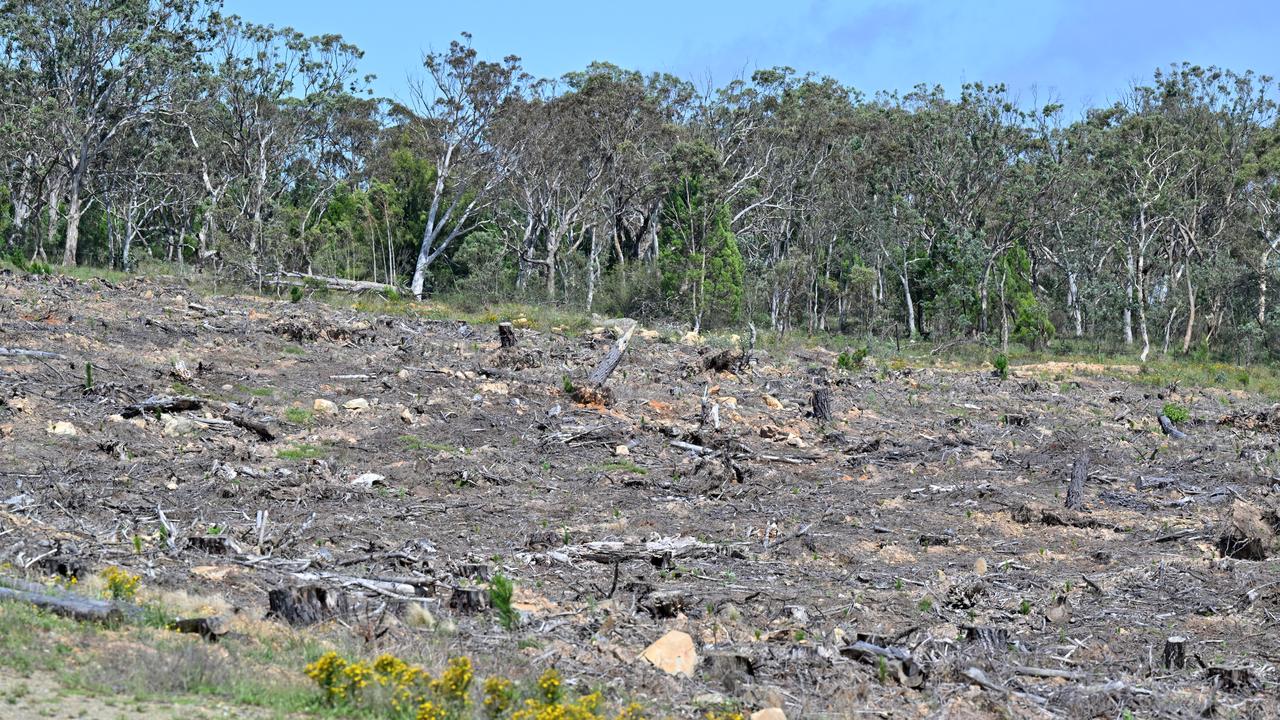
The true test of the standards would be whether they could limit deforestation, Greenpeace Australia Pacific nature head Glenn Walker said, which threatened native species including koalas, greater gliders and swift parrots.
"Unless these standards deliver protection for the Great Barrier Reef from deforestation run-off and ensure the healthy recovery of wildlife under threat then they will have failed," he said.
"There's clear improvement on the draft standards that were released, which we welcome, but what we have today still falls well short of what would be optimal."
