Ngurruwarra/Derndernyin
Experience a monumental collaborative artwork celebrating stone fish traps, sea knowledge and living culture from the Wellesley Islands.

© Mirndiyan Gununa Aboriginal Corporation
Aboriginal and Torres Strait Islander Peoples should be aware that this exhibition contains the names, voices and images of people who have passed away.
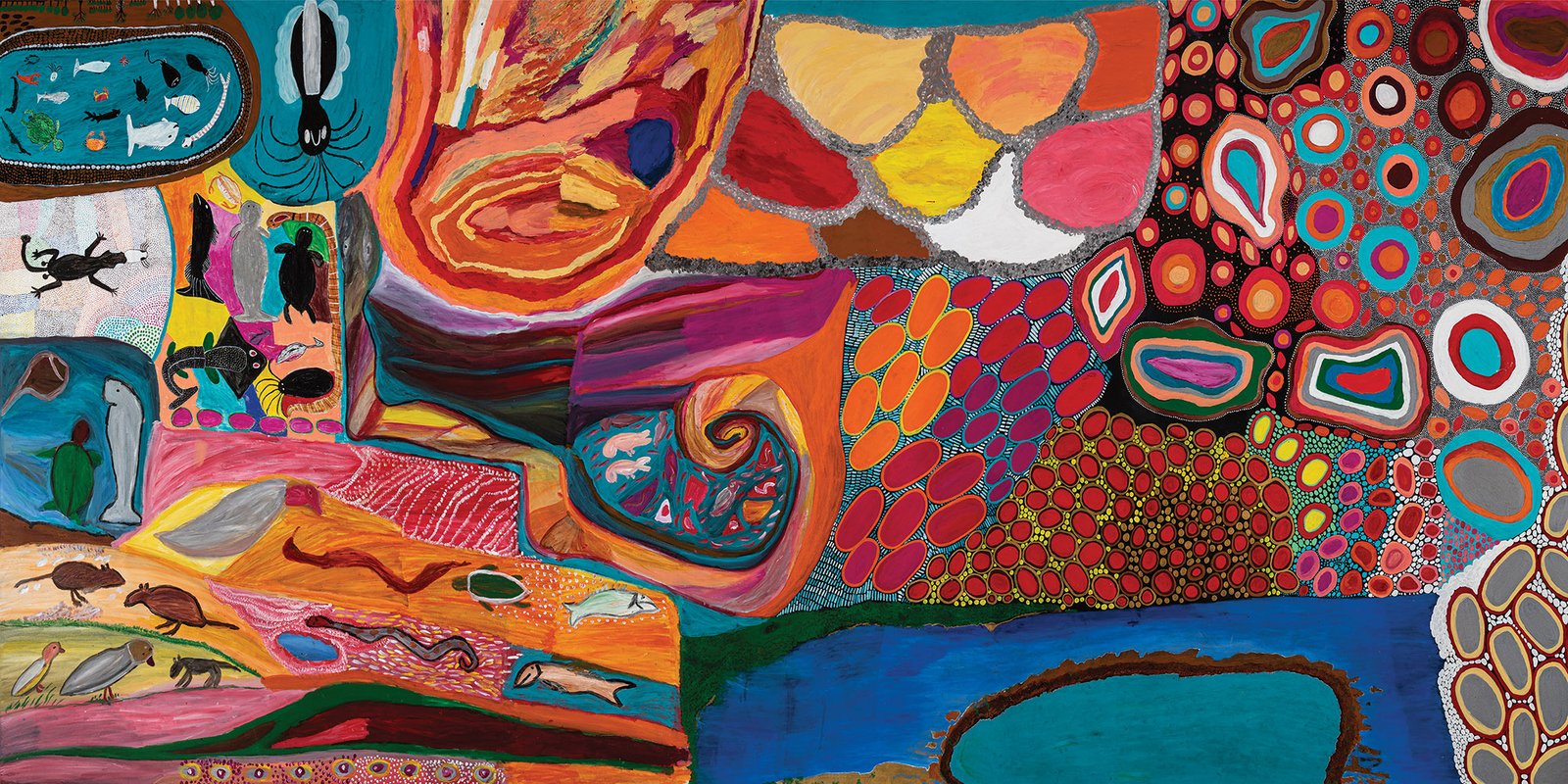
Ngurruwarra/Derndernyin* is a powerful collaborative exhibition created by ten Kaiadilt, Lardil and Gangalidda artists, honouring the stone fish traps of the Wellesley Islands. At its centre is a monumental 20‑metre‑long painting that celebrates culture, story and identity across the seas, lands and skies of the Traditional Owner communities of the region.
For thousands of years, saltwater peoples of the Wellesley Islands have carefully managed their waters, sustaining healthy seas while being sustained by them. The Ngurruwarra/Derndernyin are born from generations of ocean observation, shared knowledge, and continuous construction and care of stone fish traps, grounded in deep respect for Country and Culture.
Each artist painted multiple sections of the canvas, working together to ensure the story flows seamlessly across the interconnected surface. The exhibition is accompanied by a three‑screen audiovisual artwork by Martin Potter, which expands on these themes and a 9-metre-long pencil drawing titled Dulka Warngiida, being displayed for the first time. A selection of objects from the Australian Museum Wellesley Islands collection, chosen in consultation with Community and directly connected to fishing practices and stone fish traps, will also be on display.
*Ngurruwarra (stone fish traps) - Kaiadilt language
Derndernyin (stone fish traps) - Lardil language
Visit Ngurruwarra/Derndernyin in the First Nations Gallery.
Download the catalogue
Thanks to Mirndiyan Gununa Aboriginal Corporation, Australian Research Council Centre of Excellence for Australian Biodiversity and Heritage (CABAH), and Queensland Museum for allowing us to share this catalogue.
Learn more about Ngurruwarra/Derdernyin and the Mirndiyan Gununa Art Centre on Mornington Island.
Learn more about the collection
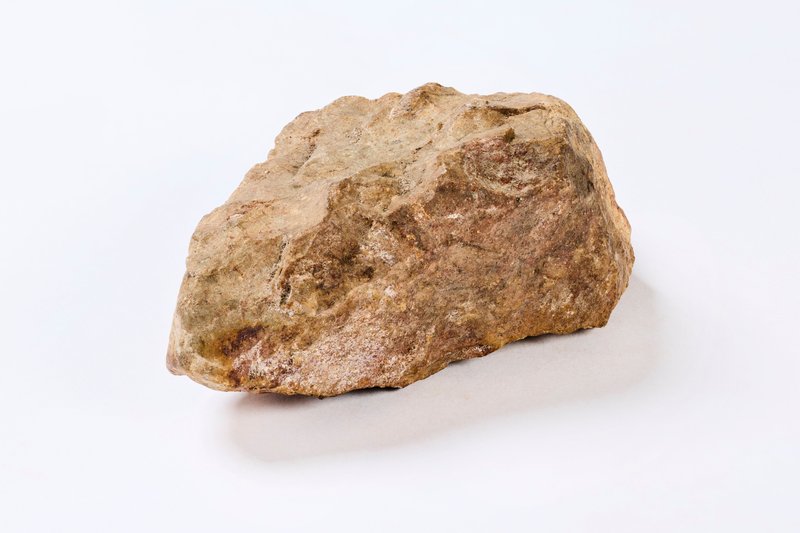
Oyster Picker
Made by Ancestor
The oyster picker here is used across the Islands to pry and open oysters from the stone walls of the ngurruwarra/derndernyin.
Lardil peoples call this object thungal.
This object was acquired by the AM in 1905 and made from jasperoid rock (E013492). It is unclear whether it was made by a Kaiadilt or Lardil Ancestor.
Image: Oyster picker. Jasperoid rock, Gulf Country, Queensland, Australia. Made by Ancestor. Collection number: E013492. Acquired 1905. Photographer: Russell Perkins © Australian Museum
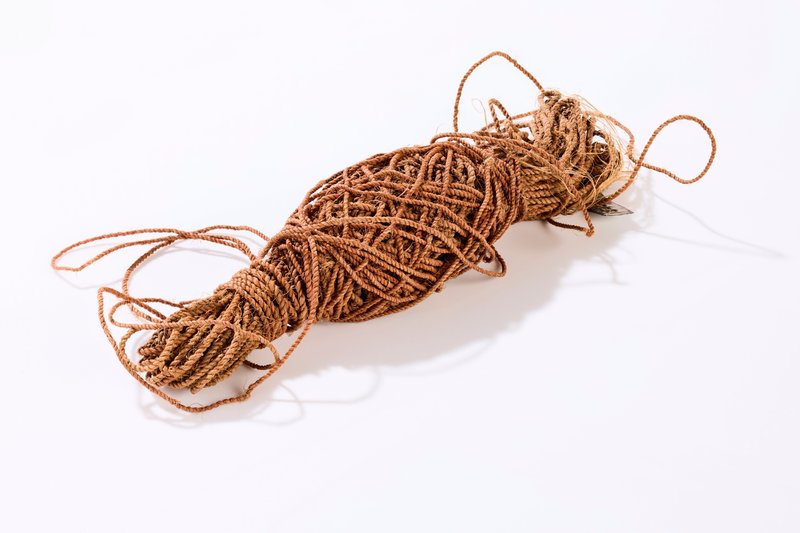
Birrka (string)
Made by Lardil Ancestor
This string is made by hand processing hibiscus bark. Lardil are expert craftspeople in processing and weaving fibre for nets, lines and ropes. Lardil peoples use barkuwen, large nets sometimes up to 9m x 4.5m in size, that are used to catch dugong. The hunters stood chin deep in the waters of the ngurruwarra (stone fish trap) creating a V-shape whilst other men on walpa (rafts) would chase the dugongs in. Other nets included dumunthar, a hand net used to catch prawns and a dulnhu kirra, a V-shaped purse net used to hunt schools of dulnhu (fish).
Image: Birrka (string), natural fibre, hibiscus, Mornington Island, Gulf Country, Queensland, Australia. Made by Lardil Ancestor. Collection number E014758. Acquired 1905. Photographer: Russell Perkins © Australian Museum
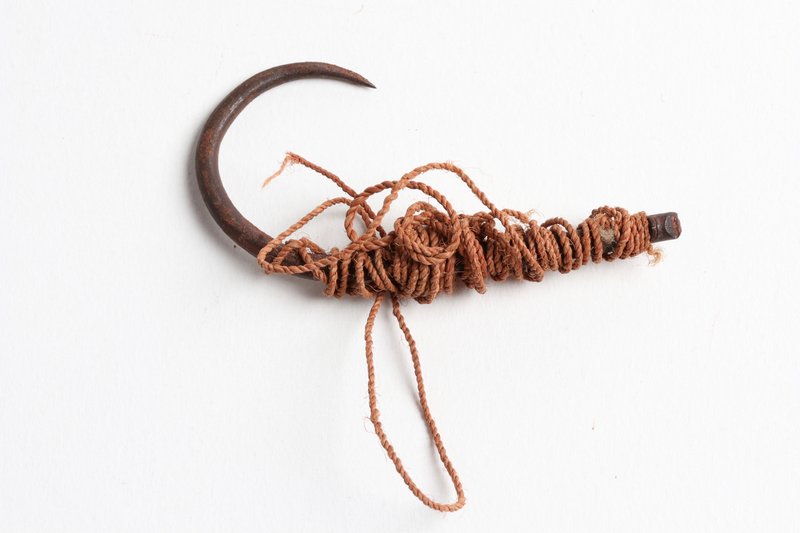
Fishhook and thura (fishing line)
Made by Lardil Ancestor
This line is called thura as it is to be added to a bush rod. The line is made through a labour-intensive process using madarr (bark of the hibiscus tree). After harvesting madarr, it is broken down into a fibrous material and then rolled, woven, tied, or affixed depending on use.
The consistent evenness of the string points to the skill of the craftsperson, and the incorporated nail fishhook you see here demonstrates adaptive and reactive design.
Image: Fish hook and thura (fishing line). Mornington Island, Gulf Country, Queensland. Made by Lardil Ancestor. Collection number E013880. Acquired 1905. Photographer: Rebecca Fisher © Australian Museum
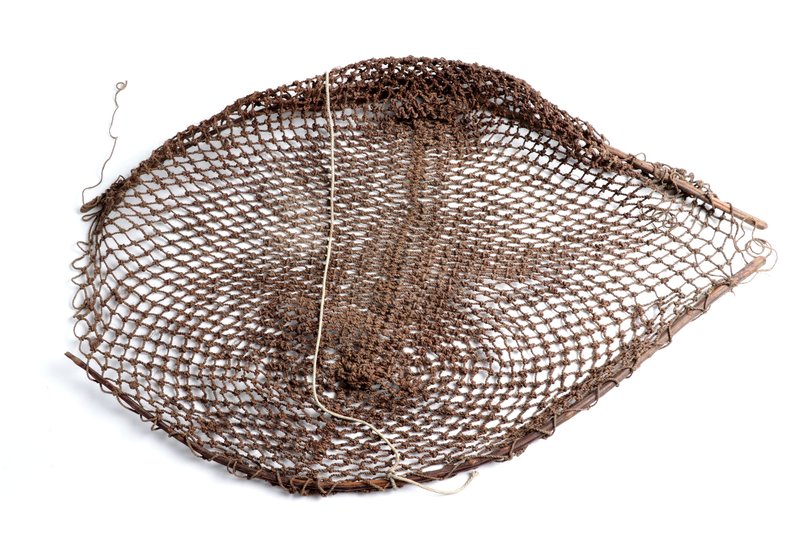
Mijilda (fishing net)
Made by Kaiadilt Ancestor
Kaiadilt peoples make and use mijilda, small purse-shaped hand nets, used to trap fish sheltering in holes and cavities in intertidal and offshore reefs.
Fish were frightened out by poking cavities with a spear or hand and then collected in the net.
Image: Mijil (fishing net). Bentinck Island, Gulf Country, Queensland. Made by Kaiadilt Ancestor. Collection number: E014979. Acquired 1905. Photographer: Rebecca Fisher © Australian Museum
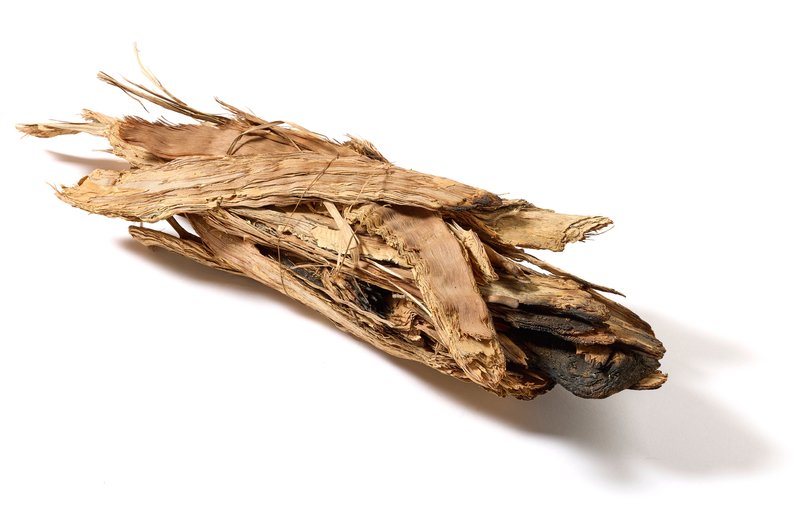
Bark Torch
Made by Kaiadilt Ancestor
This bark material is gathered into a bundle and lit at one end to make a torch. These torches provide a light that burns slowly and evenly for night fishing. It attracts bait fish who in turn attract bigger fish, whilst providing light for the fisherman to work.
The one on display is made by a Kaiadilt Ancestor but in Lardil these are called Merrka.
Image: Bark torch, bark, Bentinck Island, Gulf Country, Queensland, Australia. Made by Kaiadilt Ancestor. Collection number E011832. Acquired 1903. Photographer: Anthony Potter © Australian Museum
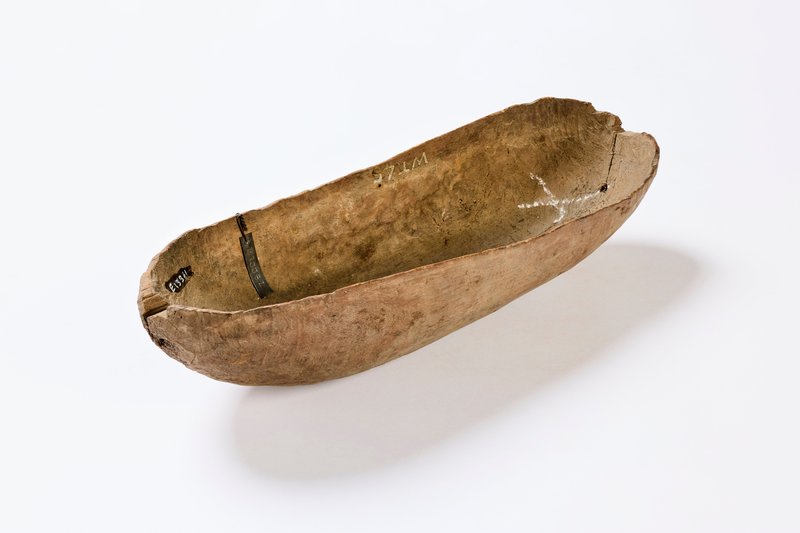
Choomut (wooden carrier)
Made by Lardil Ancestor
This is an example of a coolamon or wooden carrier. They are multi-purpose objects used to carry smaller items like small fish, shellfish, fire embers, while larger ones are also used to carry babies.
These carriers are made from different types of wood, in different weights, sizes, and finishes depending on intended use.
Image: Choomut (wooden carrier). Wood, Mornington Island, Gulf Country, Queensland, Australia. Made by Lardil Ancestor. Collection number E013361. Acquired 1905. Photographer: Russell Perkins © Australian Museum