
Citizen scientists capture over 26k frog records across Australia during FrogID Week 2025
The eighth annual FrogID Week delivered an invaluable nationwide snapshot of Australia’s frogs, powered by citizen scientists across the country.
The Australian Museum’s annual FrogID Week continues to strengthen one of Australia’s most powerful biodiversity datasets, thanks to the thousands of citizen scientists who record frog calls each November.
Frogs in Focus
Frog populations face growing pressures from disease and climate change, habitat loss and modification, and long-term verified datasets are increasingly essential for detecting trends, informing conservation, and guiding environmental decision-making.
FrogID
The Australian Museum’s free FrogID app is an unparalleled resource for monitoring Australia’s amphibians and raising awareness of their vital role in healthy ecosystems. Listening to thousands of frog calls each week requires extraordinary focus, accuracy and taxonomic knowledge. It is this blend of expert validation, the rapid speed of data collection, and the large scale of community participation that makes this project so important.
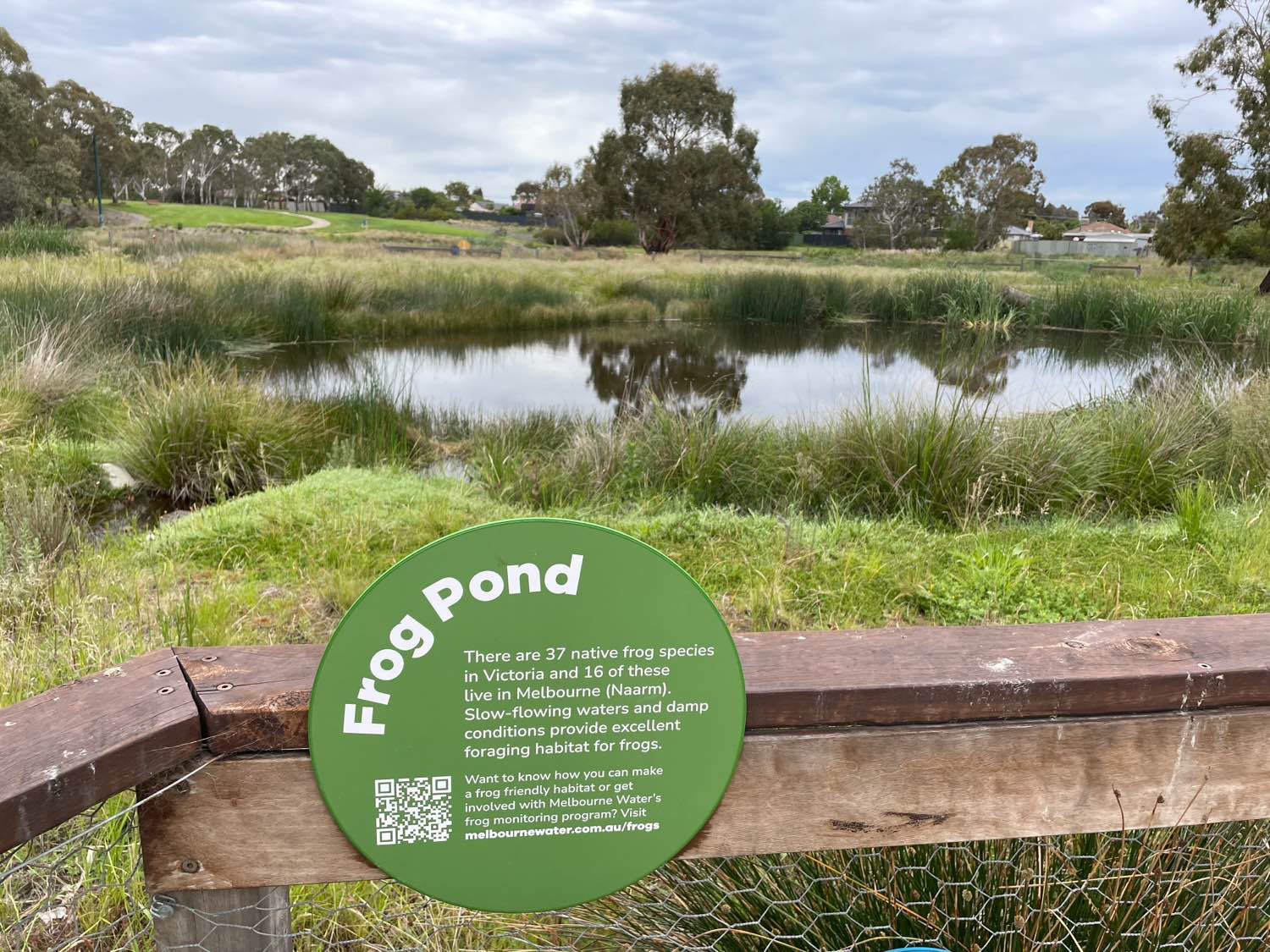
© Stephen Hart
Recordings are vital
The male of each frog species in Australia has a unique call, and every recording submitted via the FrogID app is an “audio voucher” tied to a precise location which is then reviewed by the sharp ears of the FrogID validation team. This team can identify the frog species through wind, rain, dogs barking, and inevitable cricket sounds. Because calling males advertise from breeding habitat to attract female frogs, each recording not only identifies species with scientific accuracy, but also reveals when and where frogs are breeding, offering insights into their breeding seasons, habitat use and how these are changing over time.

© Australian Museum
FrogID Week 2025
From 7-16 November 2025, the Australian Museum hosted the eighth annual FrogID Week event, once again showcasing the extraordinary dedication of Australia’s frog loving community.
Wins
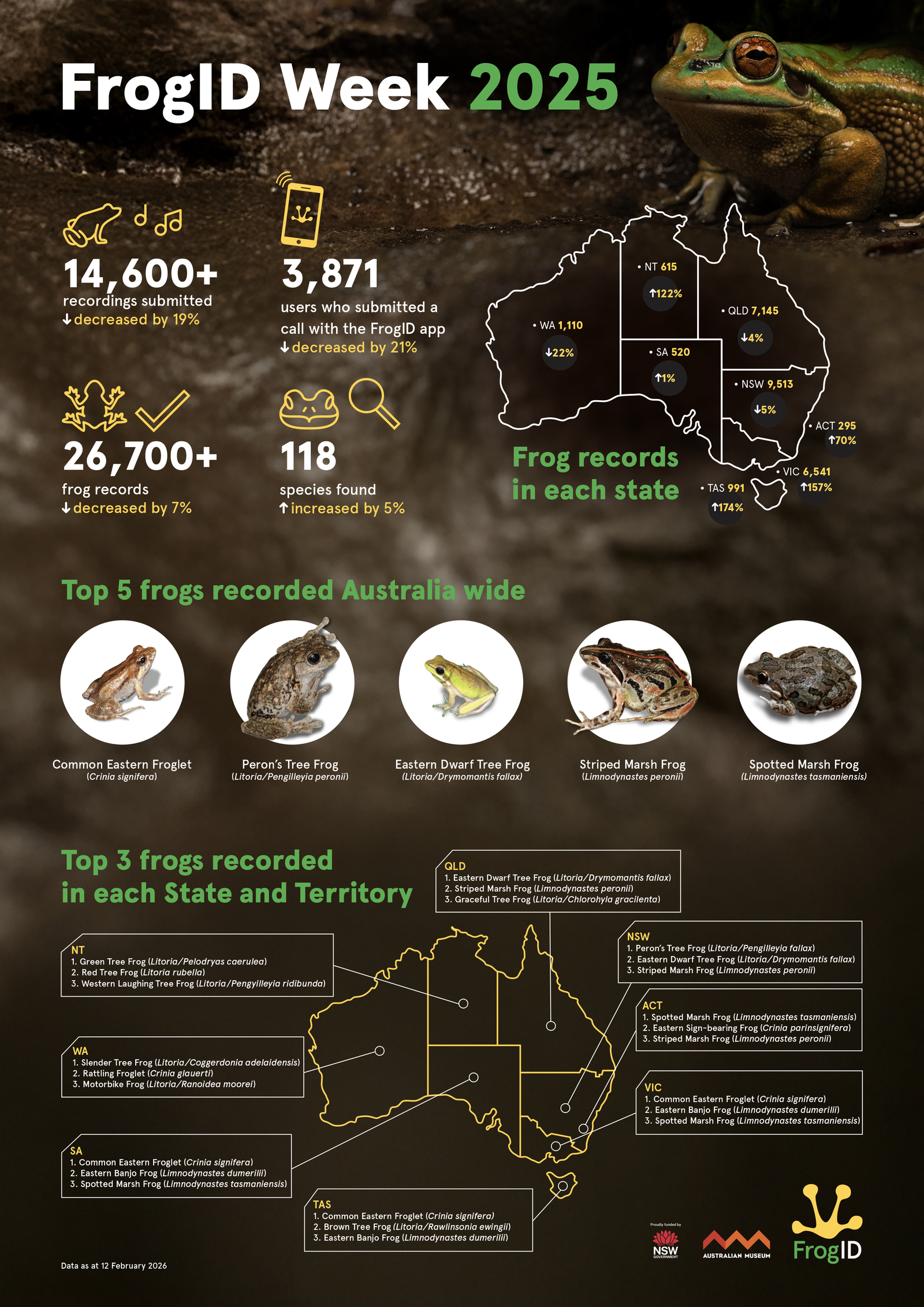
More than 14,600 submissions were received, resulting in over 26,700 expert validated frog records, representing around 2% of the entire national FrogID database. Every day of FrogID Week 2025 saw more than 2,700 new frog records added, contributing to the most rapid collection of frog data anywhere in the world.
A total of 118 frog species were recorded during FrogID Week 2025 - the highest number ever documented in a FrogID Week – representing almost half of all Australian frog species (47%).
On 15 November, participants gathered 3,900 frogs in just 24 hours – the 15th highest recording day in FrogID history, averaging 2.7 frog records per minute!
© Australian Museum
Endangered Species
High conservation priority species were detected, including six records of the Endangered Giant Burrowing Frog (Heleioporus australiacus), 18 records of the Vulnerable Green and Golden Bell Frog (Litoria/Ranoidea aurea), and 27 records of its close relative, the Vulnerable Southern Bell Frog (Litoria/Ranoidea raniformis).
We also received three records of the recently described Western Desert Tree Frog (Litoria larisonans) from Western Australia, along with three records of the Endangered Loveridge’s Mountain Frog (Philoria loveridgei) and five records of the Vulnerable Sphagnum Frog (Philoria sphagnicola).
FrogID Week 2025 also achieved impressive spatial coverage, with recordings spanning approximately 14% of Australia, surpassing last year’s effort. Importantly, we received frog calls from four Australian grid cells that had no previous FrogID records, helping to fill critical knowledge gaps, particularly in remote or under-sampled regions. Impressively, Tasmania recorded its highest ever number of FrogID Week records, while New South Wales led the nation with 9,513 frog records – 36% of all submissions during the event.
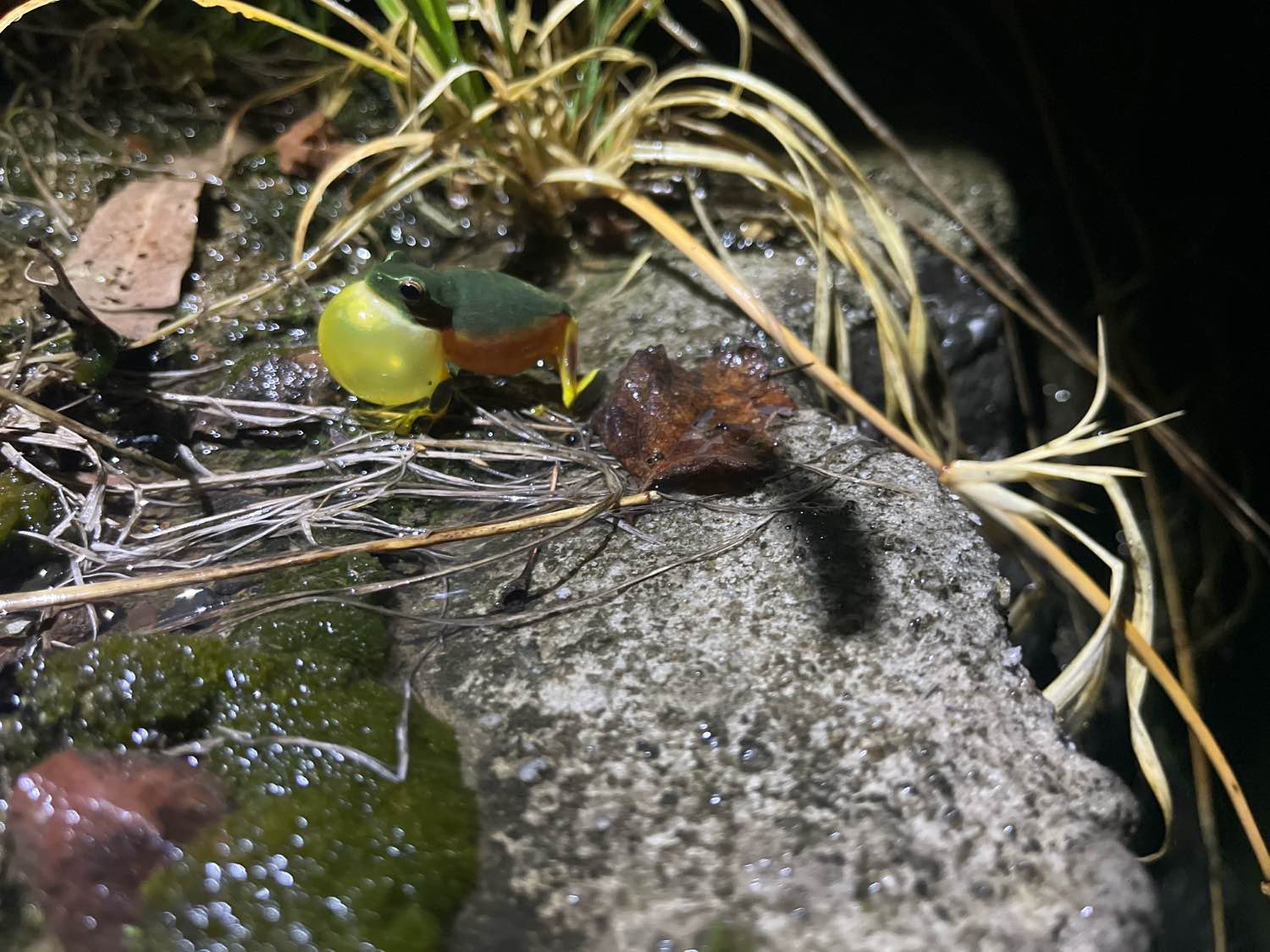
© Tommi Mason
2025’s Top Frogger!
A big congratulations to Tommi Mason, the winner of our FrogID Week 2025 Top Frogger competition! Tommi secured the top spot by submitting an impressive total of 516 submissions, resulting in 848 frog records. Michele Brook and Ryan Carleton also demonstrated outstanding dedication, placing second and third, respectively. As a passionate contributor to previous FrogID Weeks, we’re thrilled to celebrate Tommi’s well-earned win and are grateful for the incredible contributions from everyone who took part.
Let’s Keep Going
Each year, FrogID Week adds thousands of new, expert-verified records to the long-term FrogID dataset, now recognised as one of Australia’s most comprehensive biodiversity monitoring resources. This data helps scientists, conservationists and land managers detect trends, understand how breeding habitats and seasons are shifting, and make informed decisions to better conserve Australia’s frogs. Whether you recorded from your backyard, local park, farflung landscapes, or simply helped spread the word, thank you for contributing to FrogID Week and advancing Australia’s understanding of its remarkable amphibians.
Save the date: the ninth FrogID Week will take place Friday 6 November to Sunday 15 November 2026.
Nadiah Roslan, Project Coordinator: FrogID, Australian Museum Research Institute.
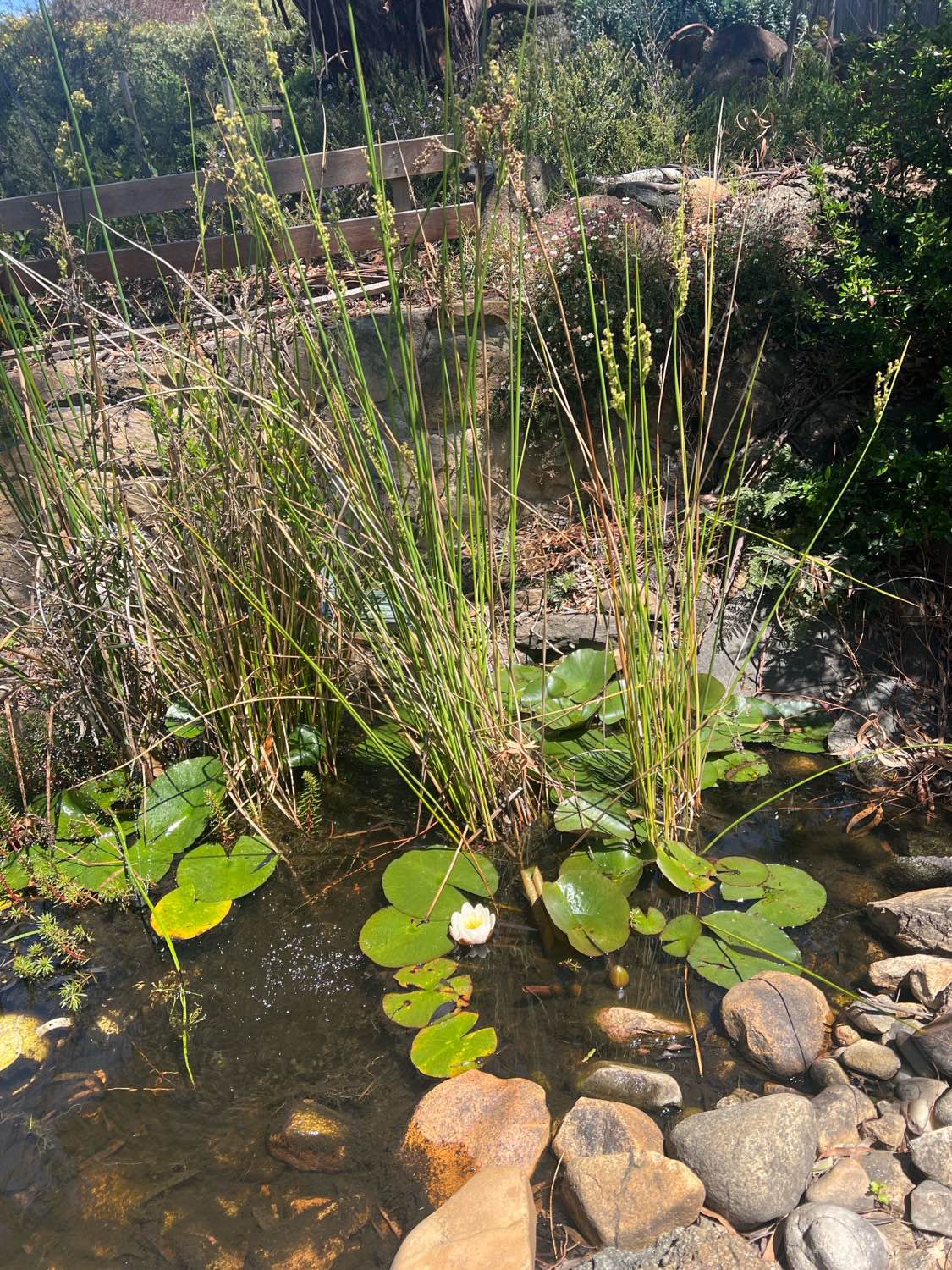
© Karen Longmuir
More information:
- For scientific outputs of FrogID, visit https://www.frogid.net.au/science.
- To become a FrogID Week partner, contact our Partnership Sales Manager on (02) 9320 6450, partnerships@australian.museum.
- For previous FrogID Week blogs, visit: https://australian.museum/blog.
Acknowledgements
We would like to thank the generous donors who have provided funding for the project; our Museum partners, the Museum and Art Gallery of the Northern Territory, Museums Victoria, Queensland Museum, South Australian Museum, Tasmanian Museum and Art Gallery, and Western Australian Museum; the many Australian Museum staff and volunteers who make up the FrogID team; and, most importantly, the thousands of citizen scientists across Australia who have volunteered their time to record frog calls with FrogID.
