
Australian Museum historic taxidermy Manta Ray conservation project
On this page...
Meet the magnificent Manta Ray hidden in our collection
© Australian Museum
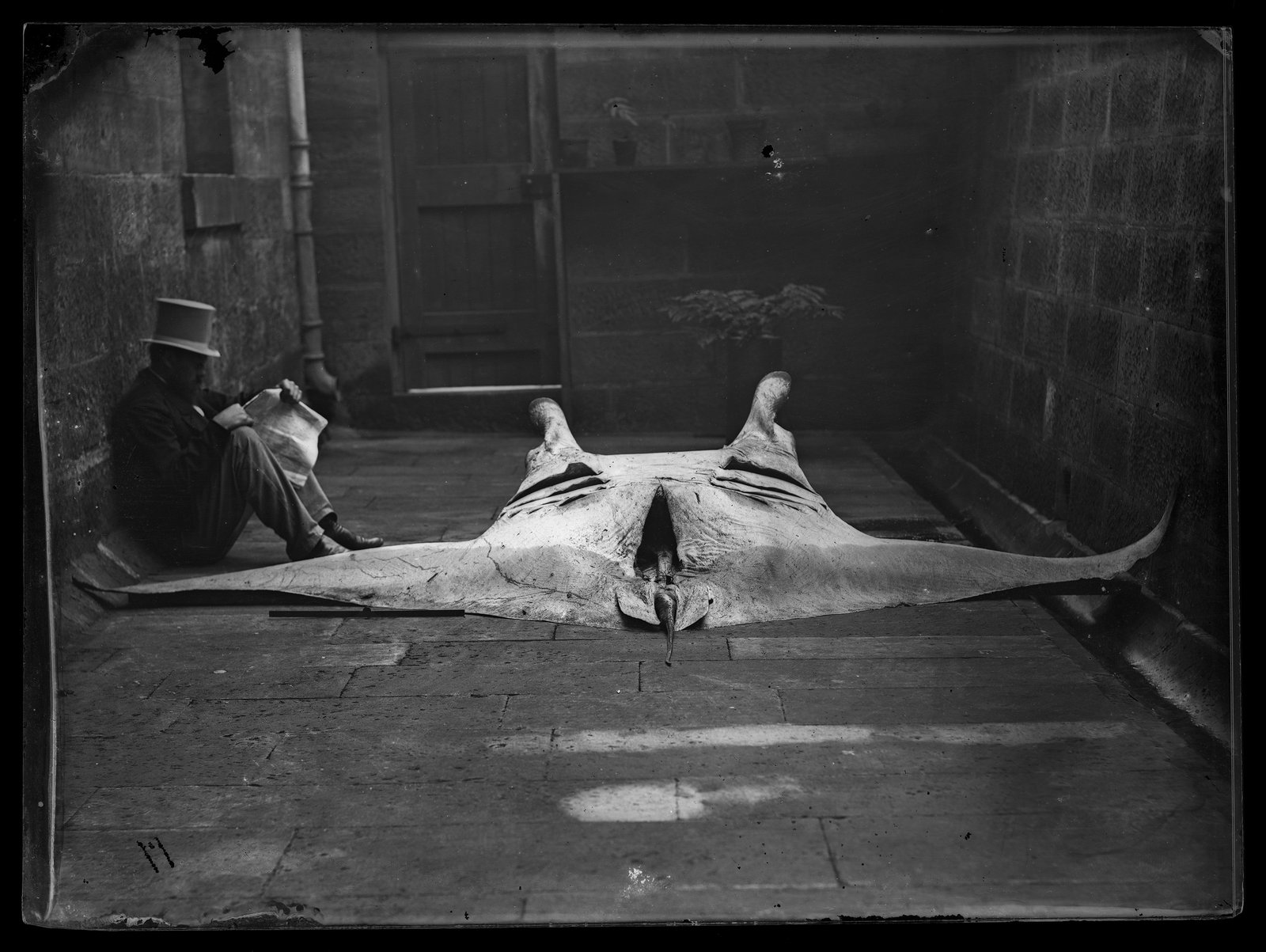
The Australian Museum is home to thousands of incredible specimens, but few are as breathtaking as the massive taxidermy Reef Manta Ray, Mobula alfredi (Krefft 1868) that has been quietly residing in our Ichthyology Collection for over 150 years. Thanks to generous funding from the Australian Museum Foundation, we're embarking on an exciting conservation journey we're calling "Project Manta Ray."
Over the coming months, our skilled Collection Care and Conservation team will undertake the ambitious task of stabilising and repairing this iconic specimen. Our Conservators will carefully assess the condition, record current damage, and devise a treatment plan to stabilise the taxidermy specimen. This large-scale treatment will ensure the iconic specimen is preserved for scientific research and so that future generations can marvel at one of nature's most graceful giants. This will be a major undertaking for the team, requiring a collective approach to the treatment.
What makes this specimen so special?
The numbers alone are staggering. This specimen was collected in 1868 and taken to the Australian Museum where it was made into a taxidermy mount. For 157 years it has either been on display or in storage at the Museum and is overdue for some well-deserved care.
Our Manta Ray measures an impressive 3.6 meters from wing stub to wing stub – and when complete, would have stretched 4 meters from wingtip to wingtip. From its tail to its mouth, it spans 1.8 meters.

© Australian Museum
But size isn't the only thing that makes this specimen remarkable. This is what scientists call a "holotype" – the very first specimen used to formally describe the species Mobula alfredi (originally named Manta alfredi before a name change in 2017). In the scientific world, holotype, this is the name bearing specimen for the species, are invaluable reference points, the gold standard against which all other specimens of the same species are compared.
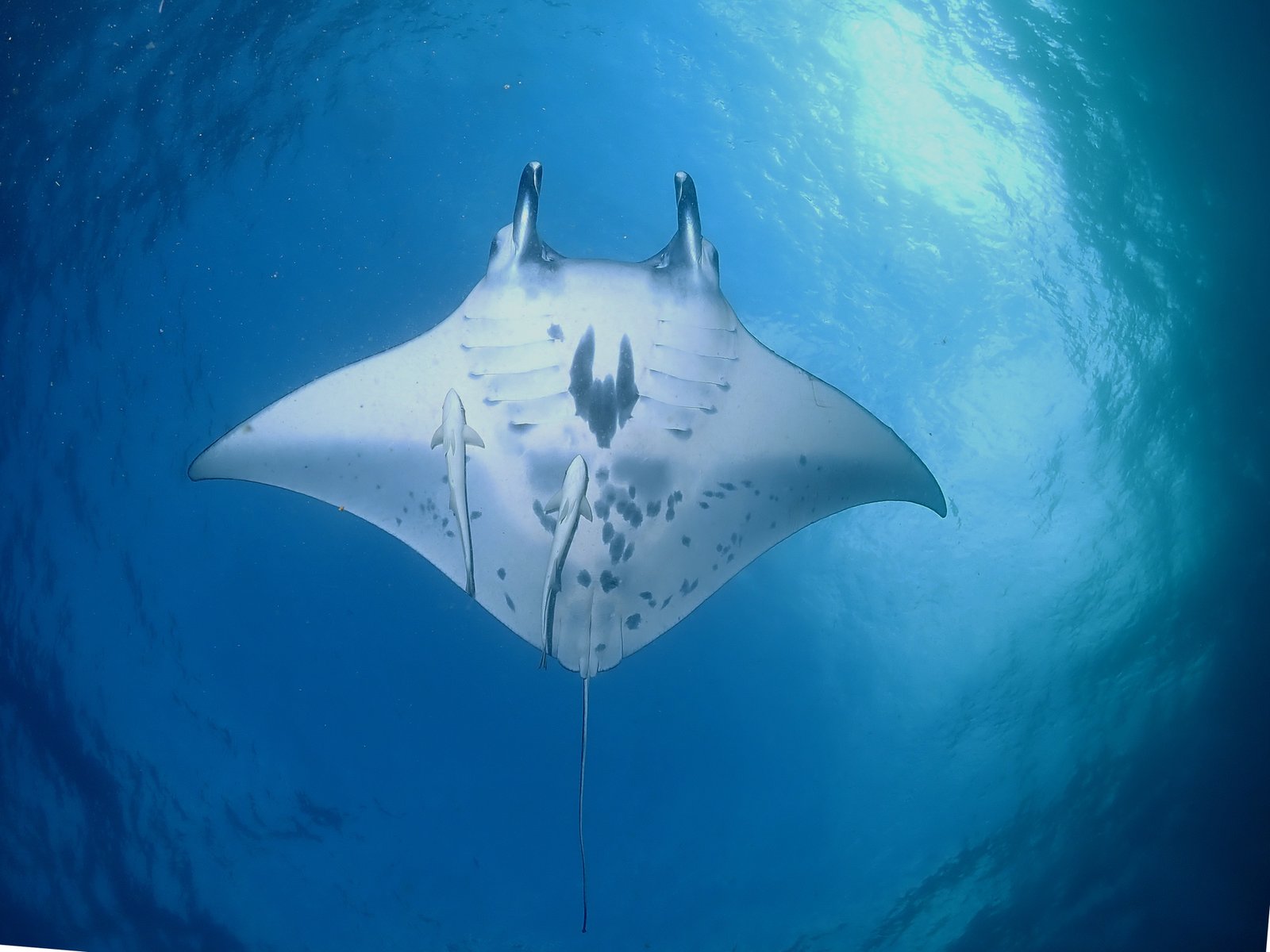
Perhaps most intriguingly, this massive ray was collected right here in Sydney Harbour at Watson's Bay – the only known occurrence of this species ever found within the harbour. Today, these "reef" Manta Rays, the second-largest Manta Ray species in the world, are typically found in tropical waters far from Sydney's shores.
© CC BY-NC 4.0
Stay tuned as we begin this fascinating conservation journey and discover what secrets this 150-year-old specimen might reveal about our changing marine environment.
