
Pink Lion's Mane Jellyfish
 Click to enlarge image
© Australian Museum
Fast Facts
-
Classification
- Genus
- Cyanea
- Species
- rosea
- Family
- Cyaneidae
- Order
- Semaeostomeae
- Class
- Scyphozoa
- Phylum
- Cnidaria
- Kingdom
- Animalia
-
- Size Range
- Bell: 1 m across; tentacles up to 10 m
Introduction
The Pink Lion's Mane Jellyfish can grow to be one of the largest of all jellyfishes.
What do Pink Lion's Mane Jellyfish look like?
Identification
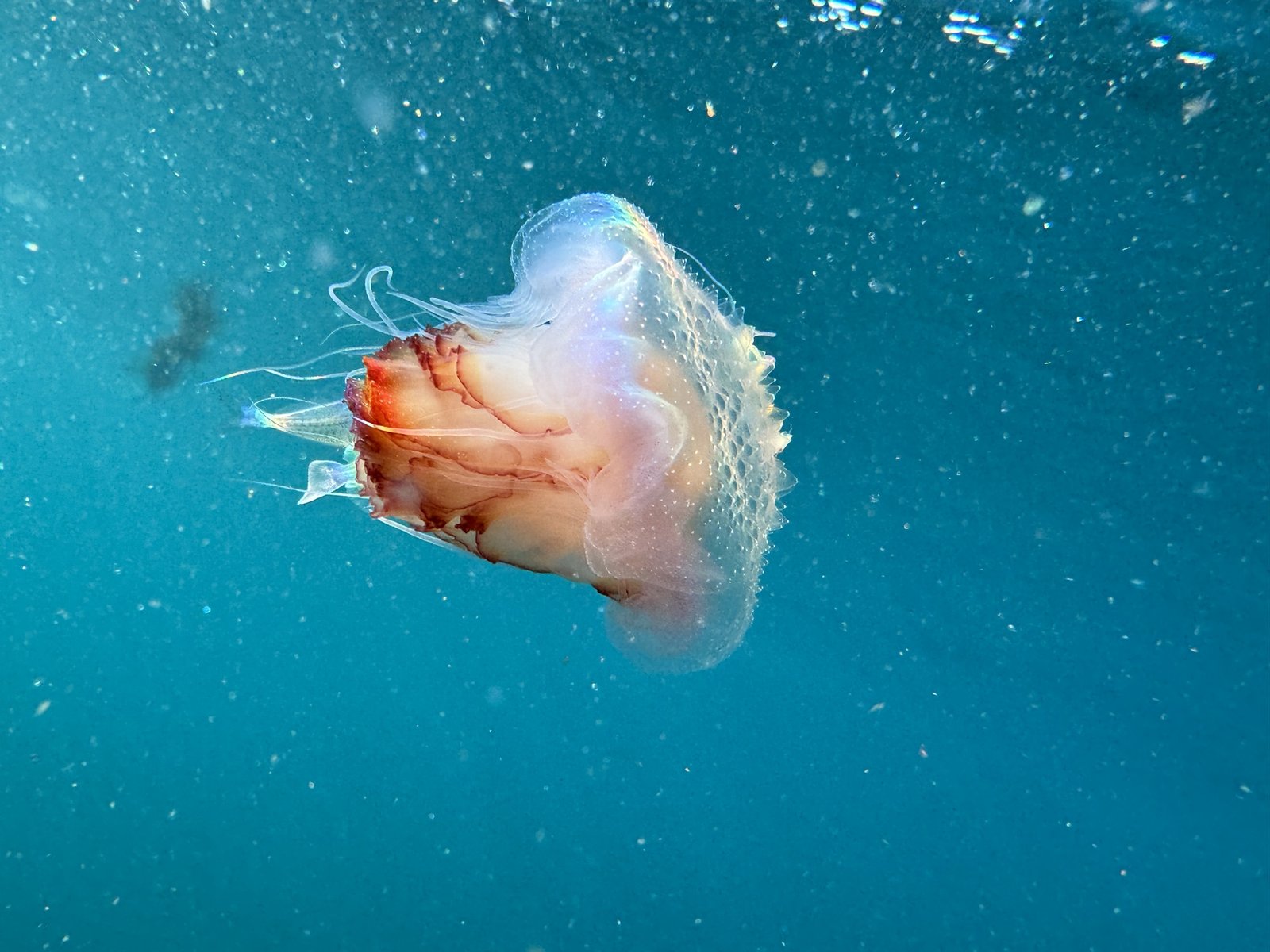
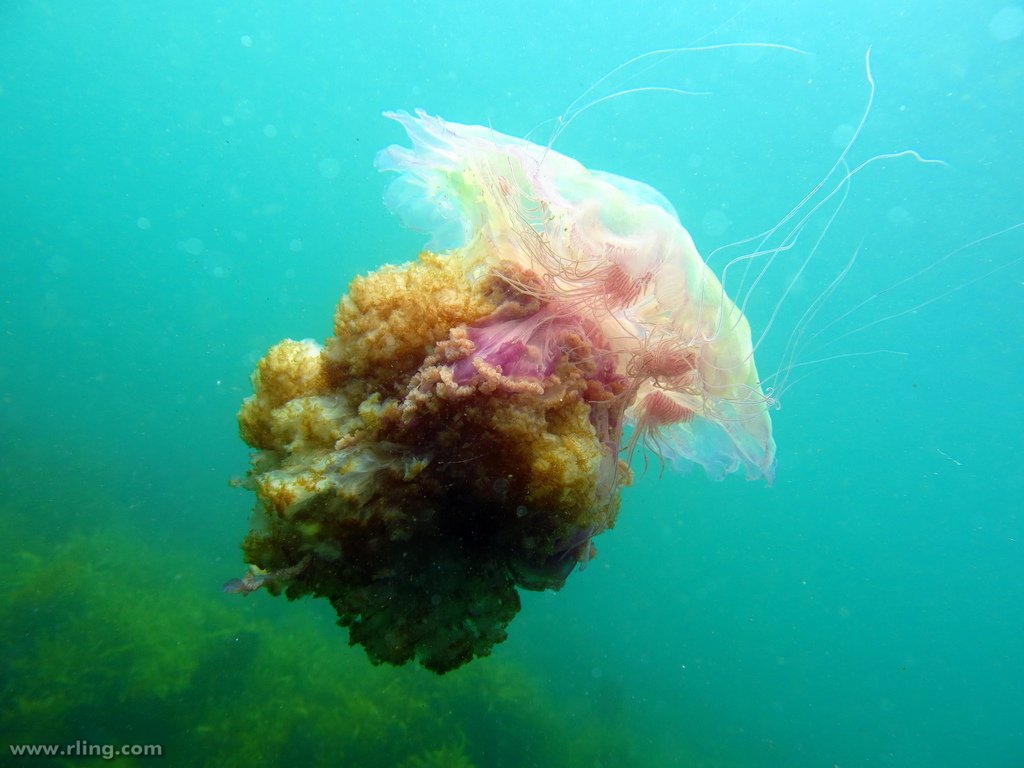
The Pink Lion's Mane Jellyfish's disc-shaped bell can be over 1 m across and its trailing tentacles can reach more than 10 m in length. These tentacles are very fine and difficult to see.
Where do Pink Lion's Mane Jellyfish live?
Habitat
The Pink Lion's Mane Jellyfish lives in coastal waters and oceans.
Distribution
The Pink Lion's Mane Jellyfish is found in marine waters throughout Southeastern Australia and New Zealand.
How have Pink Lion's Mane Jellyfish adapted?
Other behaviours and adaptations
The tentacles can extend outwards in a fan-like trap through which only the smallest of animals can pass without being caught. Large individuals often have many small fish that live near the bell of the jellyfish and avoid the stinging tentacles. This gives the fish protection from predators, as few animals will approach a large Pink Lion's Mane Jellyfish.
Are Pink Lion's Mane Jellyfish dangerous to humans?
Danger to humans
These jellyfish can deliver a painful sting and their fine tentacles are often difficult for swimmers to avoid. They are best given a wide berth. If stung, apply a cold pack to relieve the pain and seek medical attention if necessary.
