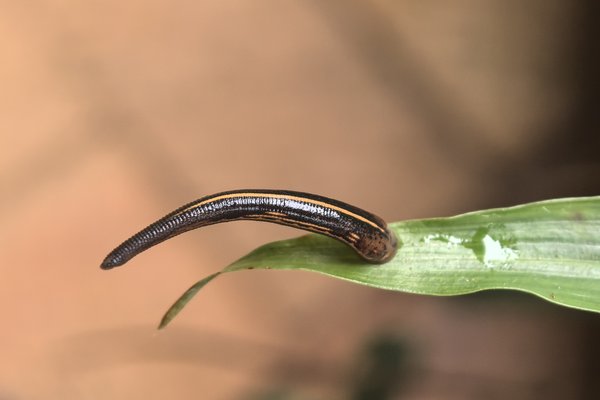
Members Night Talk: Rats, Fleas & the Plague that Haunted Sydney
When plague reached Sydney, science didn’t have all the answers. Discover how uncertainty fuels fear, and why our reactions to risk aren’t always what they seem.
Unsplash
6pm: Drinks & canapés in the Members Lounge
6.30pm - 7.30pm: Talk and audience Q&A
Why do we react so strongly to the threat of disease, sometimes even more when we don’t fully understand it?
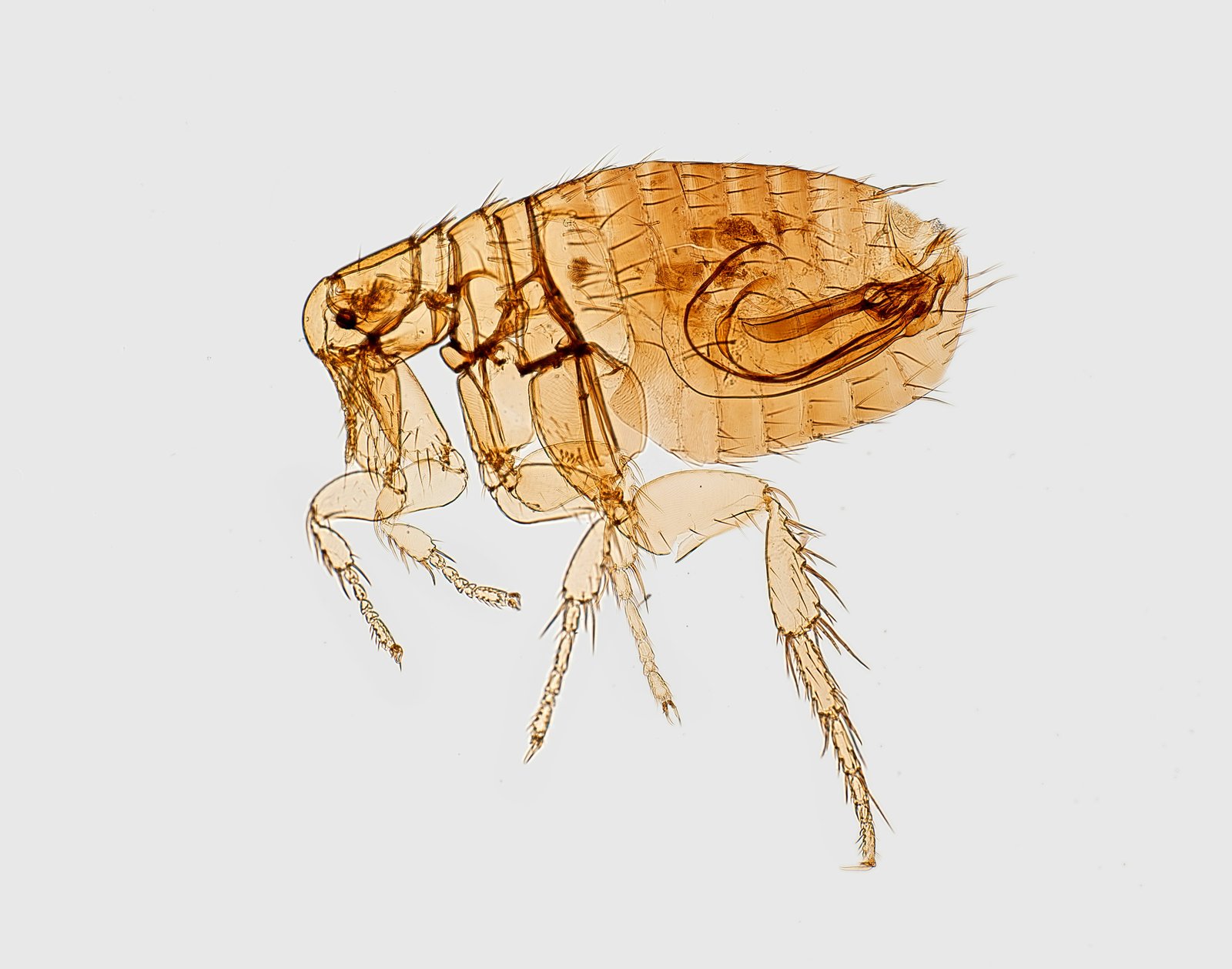
In 1900, a global outbreak of bubonic plague reached Sydney. Scientists had already identified the bacteria responsible, but how it spread to humans remained unclear. One theory suggested fleas carried the disease from rats to people, yet this idea was still widely debated.
Amid this uncertainty, leading figures like NSW Chief Medical Officer Dr J. Ashburton-Thompson were still working to understand the mechanics of transmission. Without clear answers, fear and disgust intensified. These reactions weren’t simply responses to known dangers - they were ways of navigating the unknown.
What counted as “dangerous” or “contaminated” shifted quickly, often without solid scientific evidence. In this climate of doubt, almost anything could seem suspect. It was only later, as the role of fleas became better understood, that perceptions of risk narrowed and responses became more focused.
This talk invites you to reflect on your own reactions to perceived threats. Why do some things feel instantly repellent, while others don’t? Set alongside the world of blood-feeding creatures explored in Bloodsuckers: Nature's Vampires, it asks a simple but provocative question: how much of what we feel is instinct and how much is learned?
Ultimately, this isn’t just a story about plague. It’s about how we respond to uncertainty. And in reconsidering our reactions to “bloodsuckers” and other sources of discomfort, we may begin to see disgust not as a fixed instinct, but as a flexible response shaped by the world around us.
Not a Member? Join now to receive free or discounted entry to special exhibitions, exclusive events, access to our Members Lounge and a range of benefits.
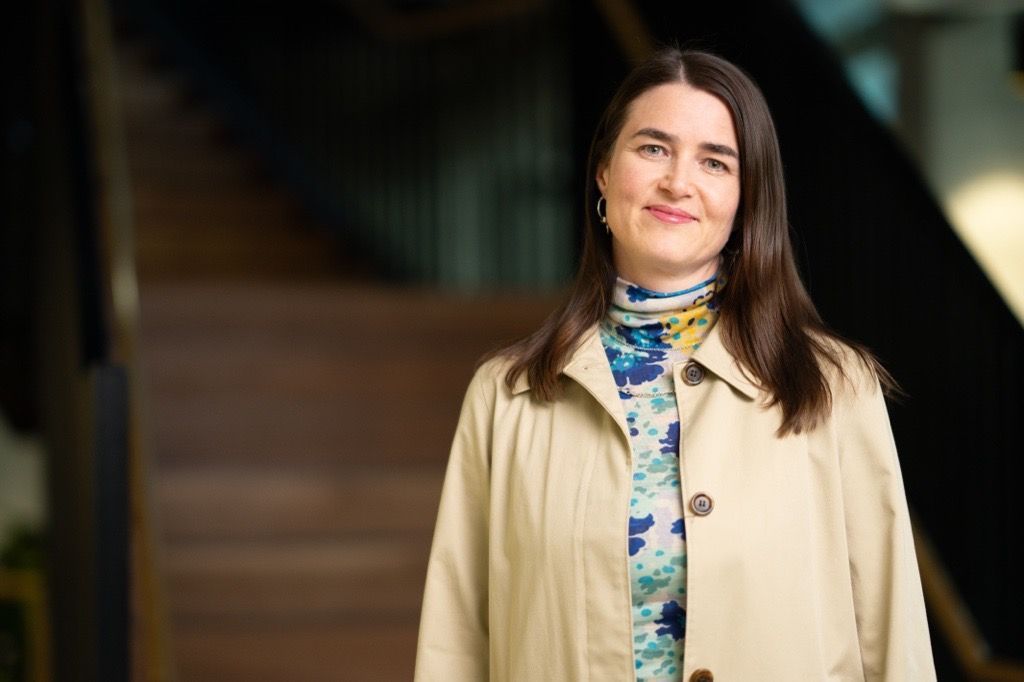
Philippa Nicole Barr
© ANU
Philippa Nicole Barr is a multilingual professional with extensive experience in technology, education and healthcare sectors across Australia and Europe. Her first book, Uncertainty and Emotion in the 1900 Sydney Plague, was published by Cambridge University Press in April 2024. She has taught and published in medical anthropology, urban studies and global health. She is currently affiliated with the Australian National University and works in the government sector.