Blitzing biodiversity at Barrington Tops
Our scientists have returned from a two-week Bush Blitz to Barrington Tops, NSW, surveying the native biodiversity on the Traditional Country of the Biripi, Worimi, Guringai, Geawegal and Wonnarua peoples.
Located around 350 kilometres north of Sydney in New South Wales, Barrington Tops is a remarkable landscape within the Great Dividing Range. The region is recognised for its World Heritage-listed Gondwana Rainforests, extensive temperate rainforest systems, subalpine woodlands, montane wetlands and exceptional biodiversity. It supports a diverse range of native plants and animals, including many rare and threatened species. It also holds deep cultural significance for Traditional Owners through important cultural sites, stories and enduring connections to Country.
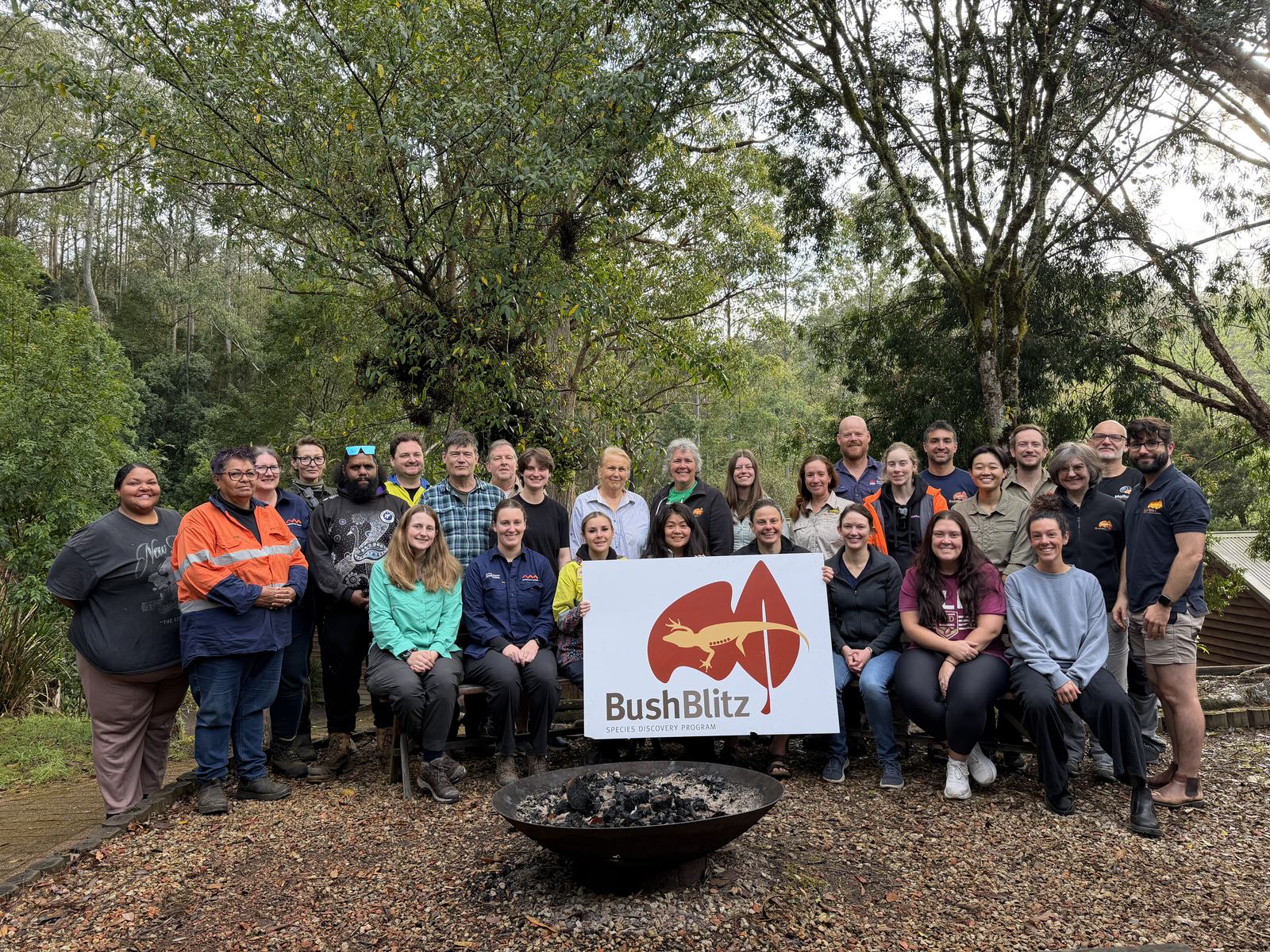
Bush Blitz team photo with Gimbigu Rangers
Image: Bryan Lessard© Bryan Lessard
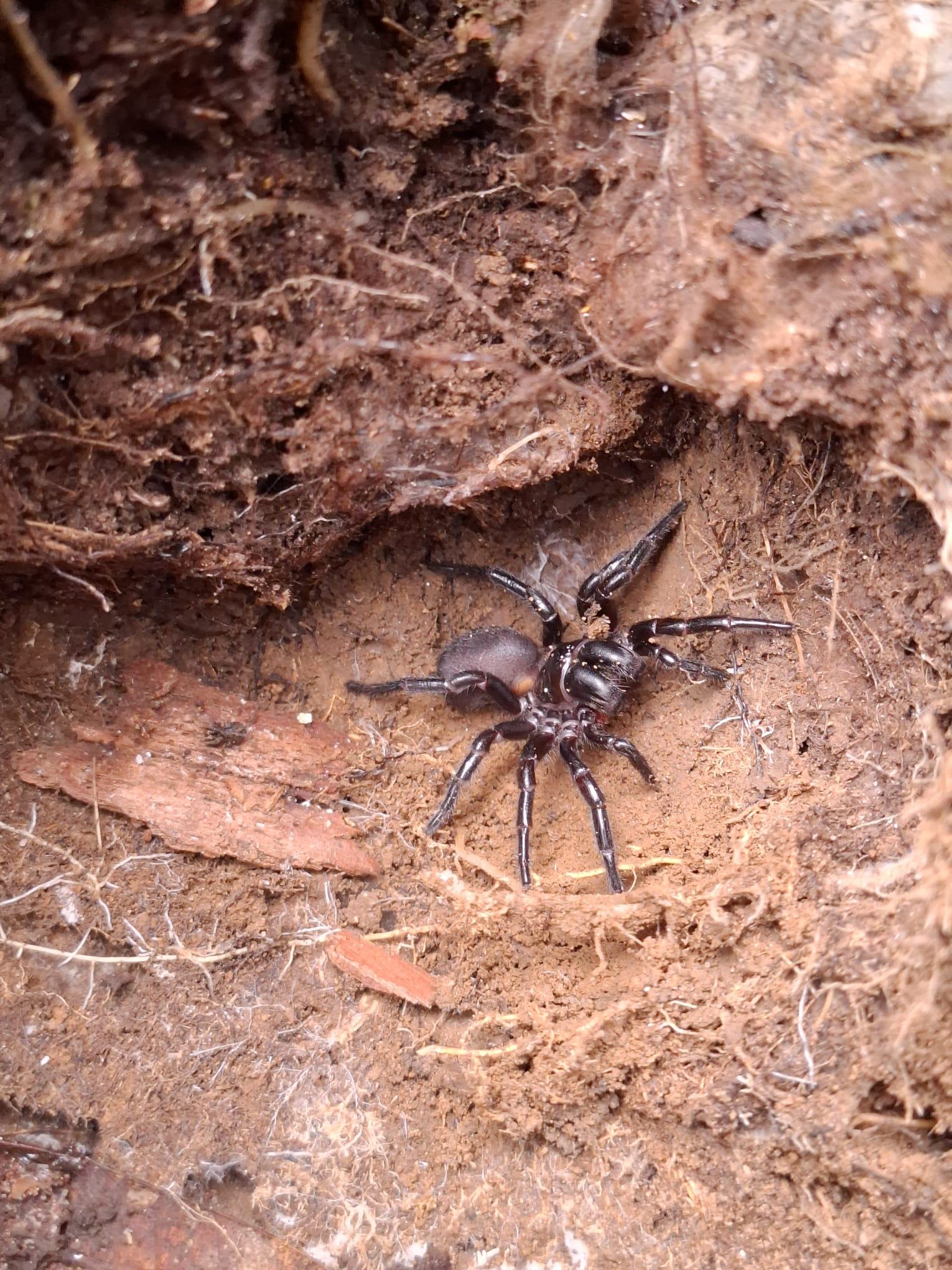
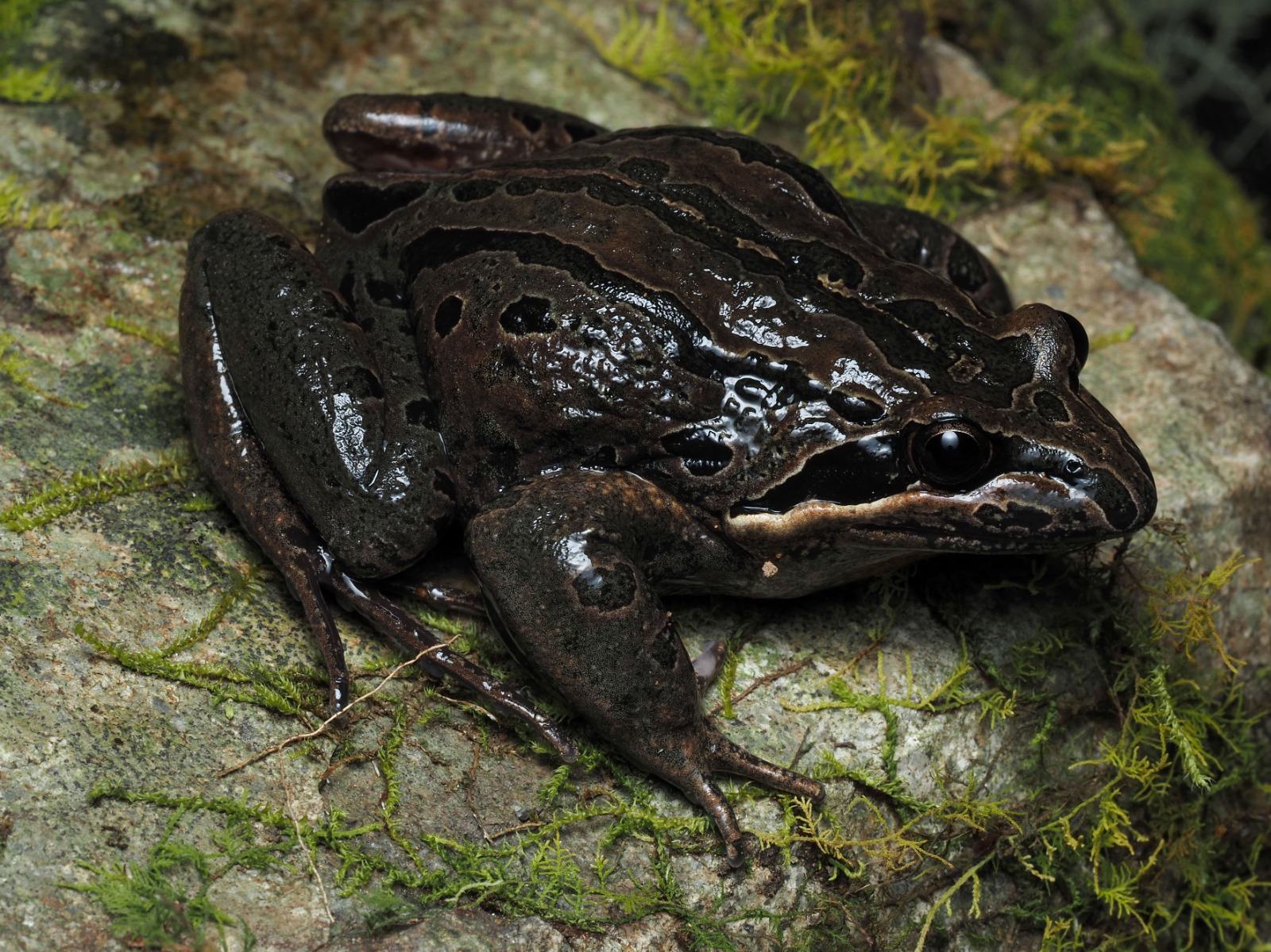
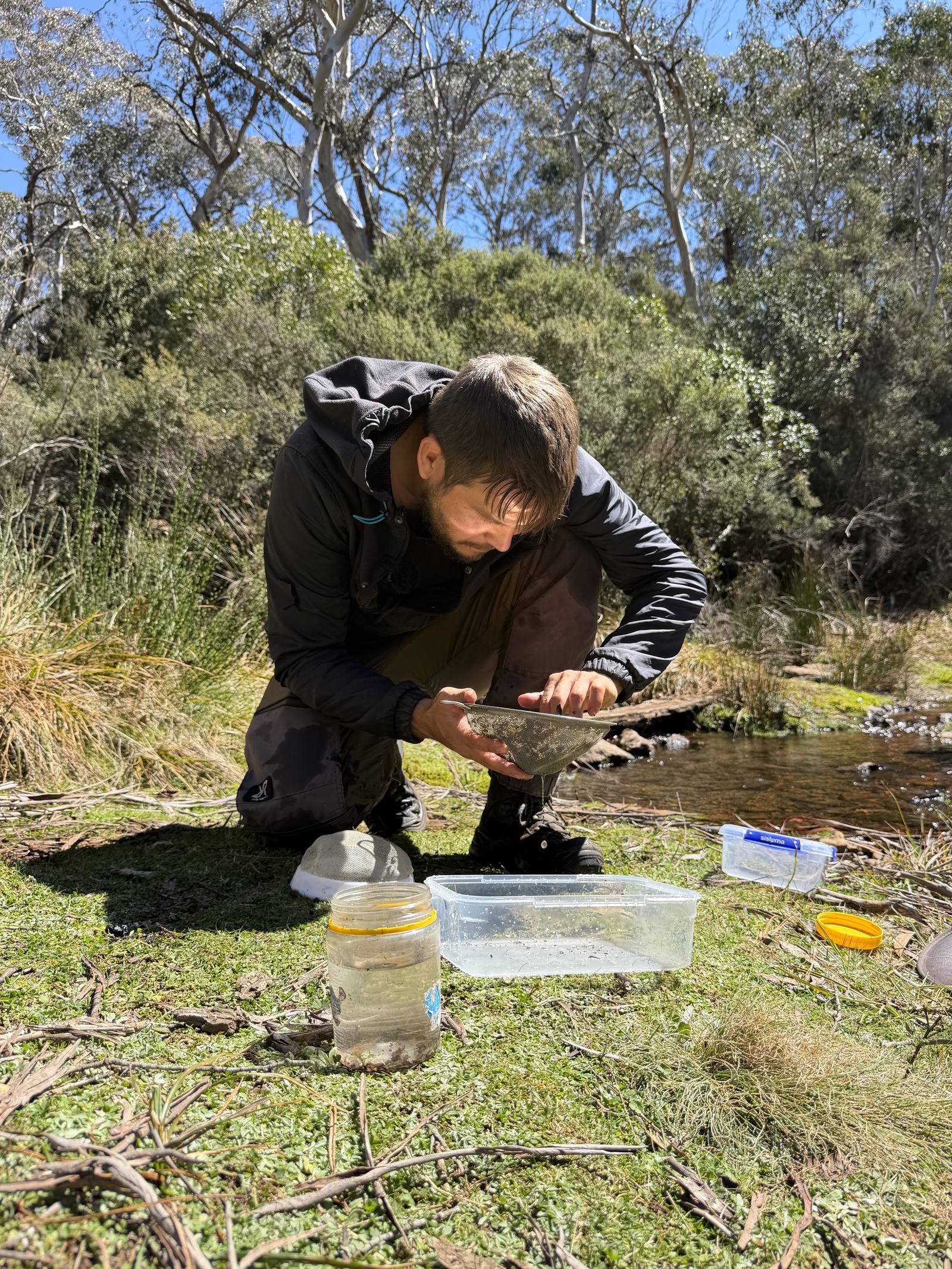
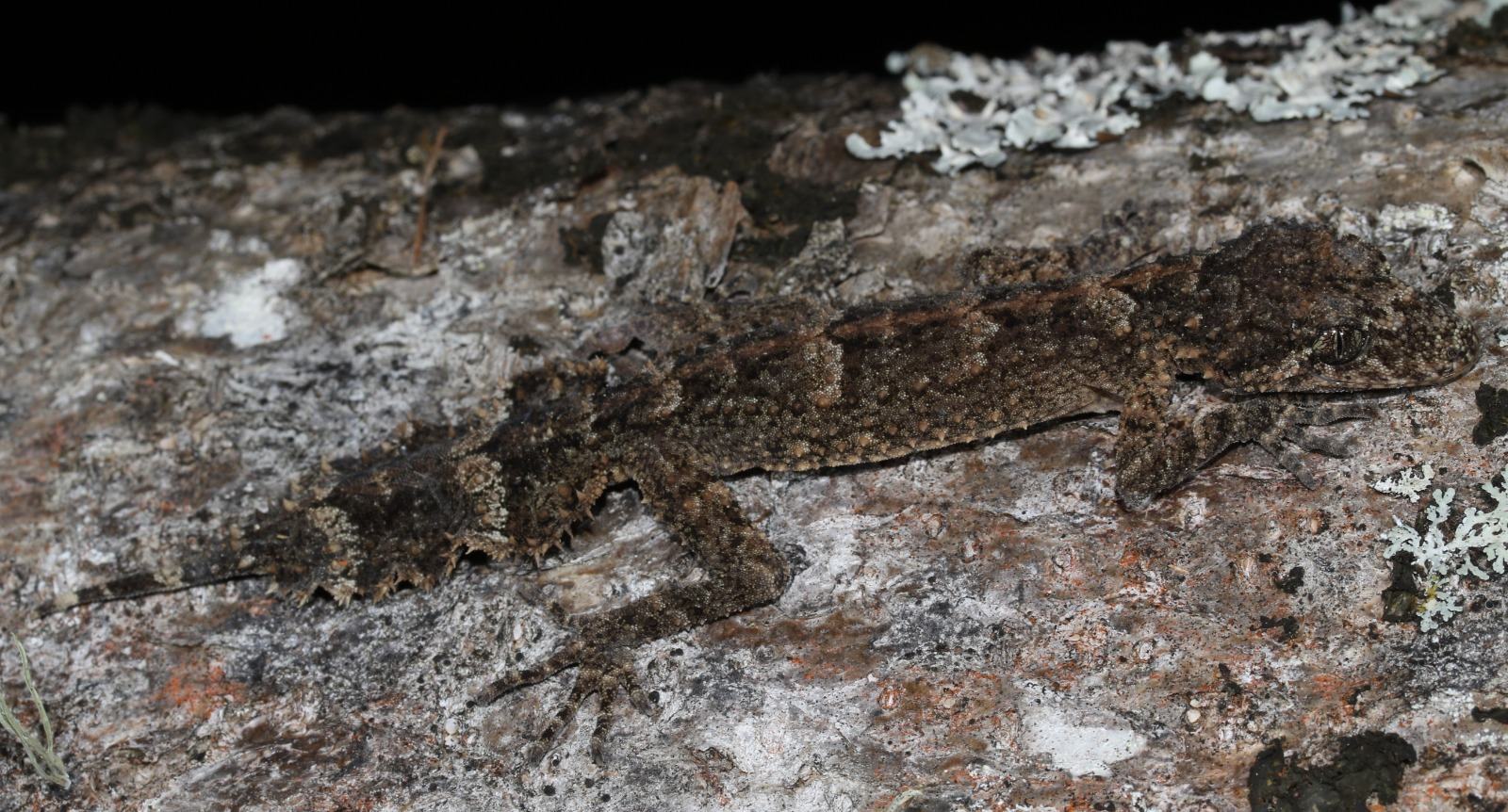
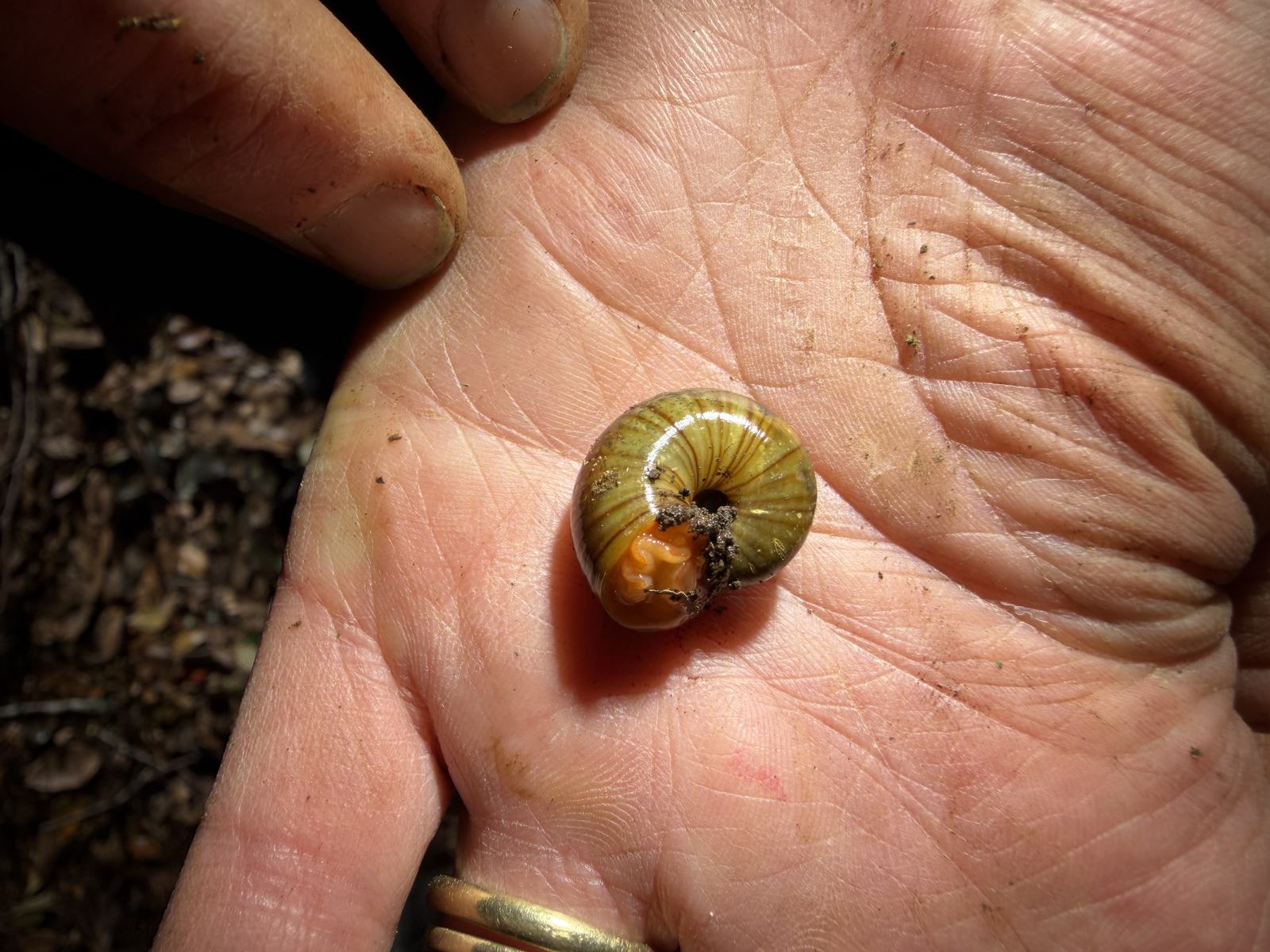
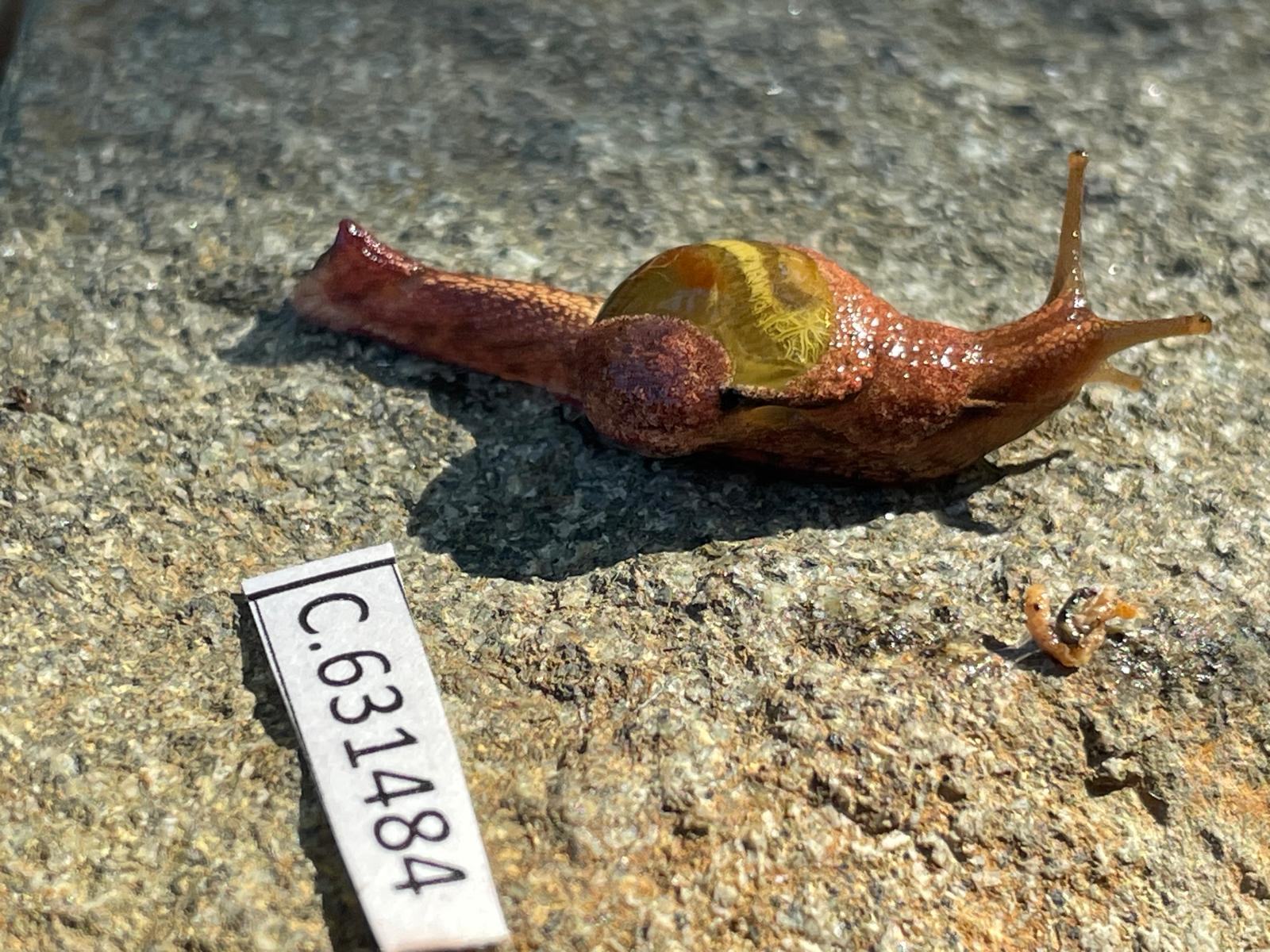
During the Bush Blitz, taxonomic experts from the Australian Museum surveyed, collected and identified a wide range of groups, including mammals, reptiles, frogs, freshwater fish, land snails, spiders and mites, freshwater invertebrates and insects.
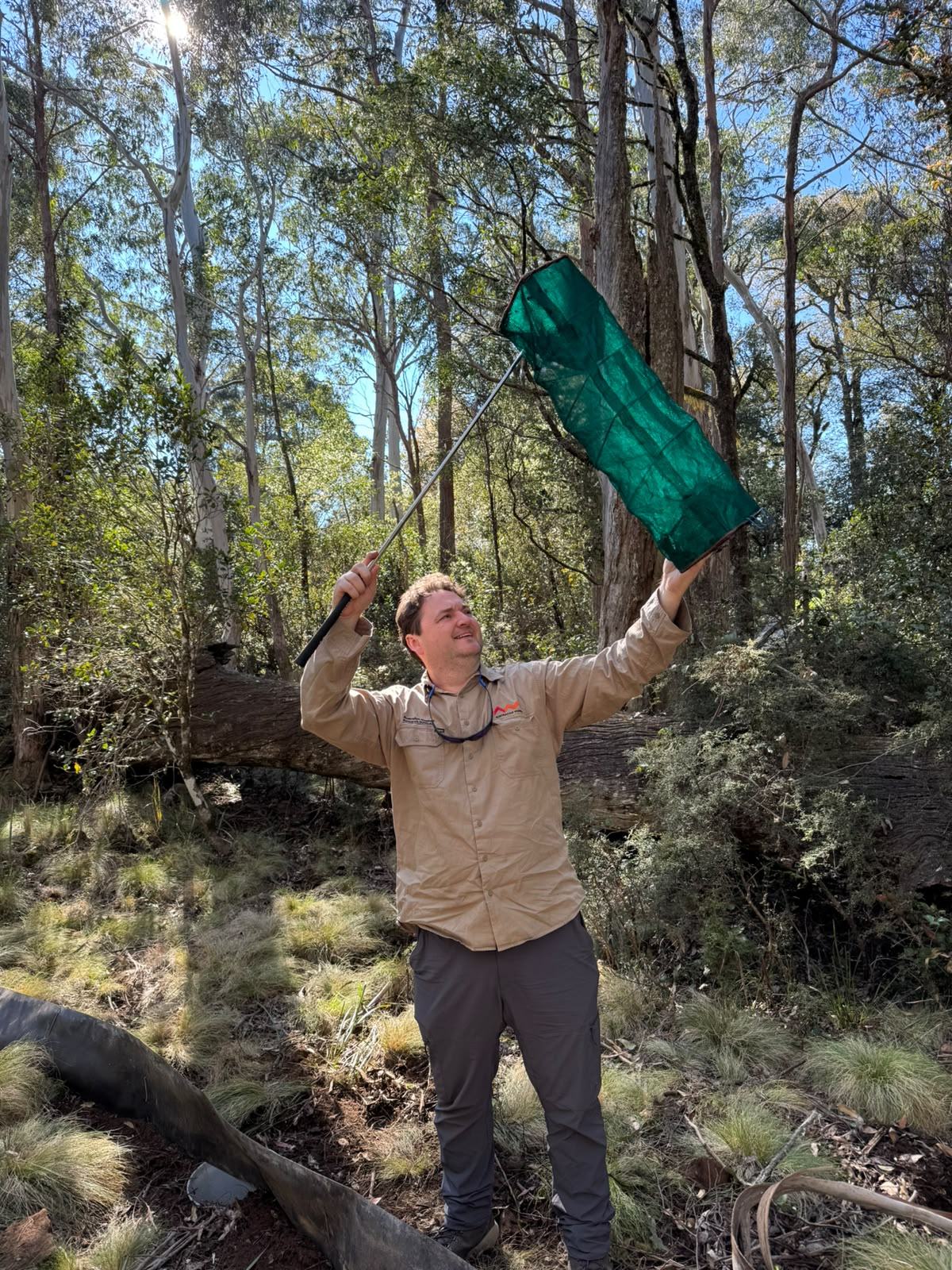
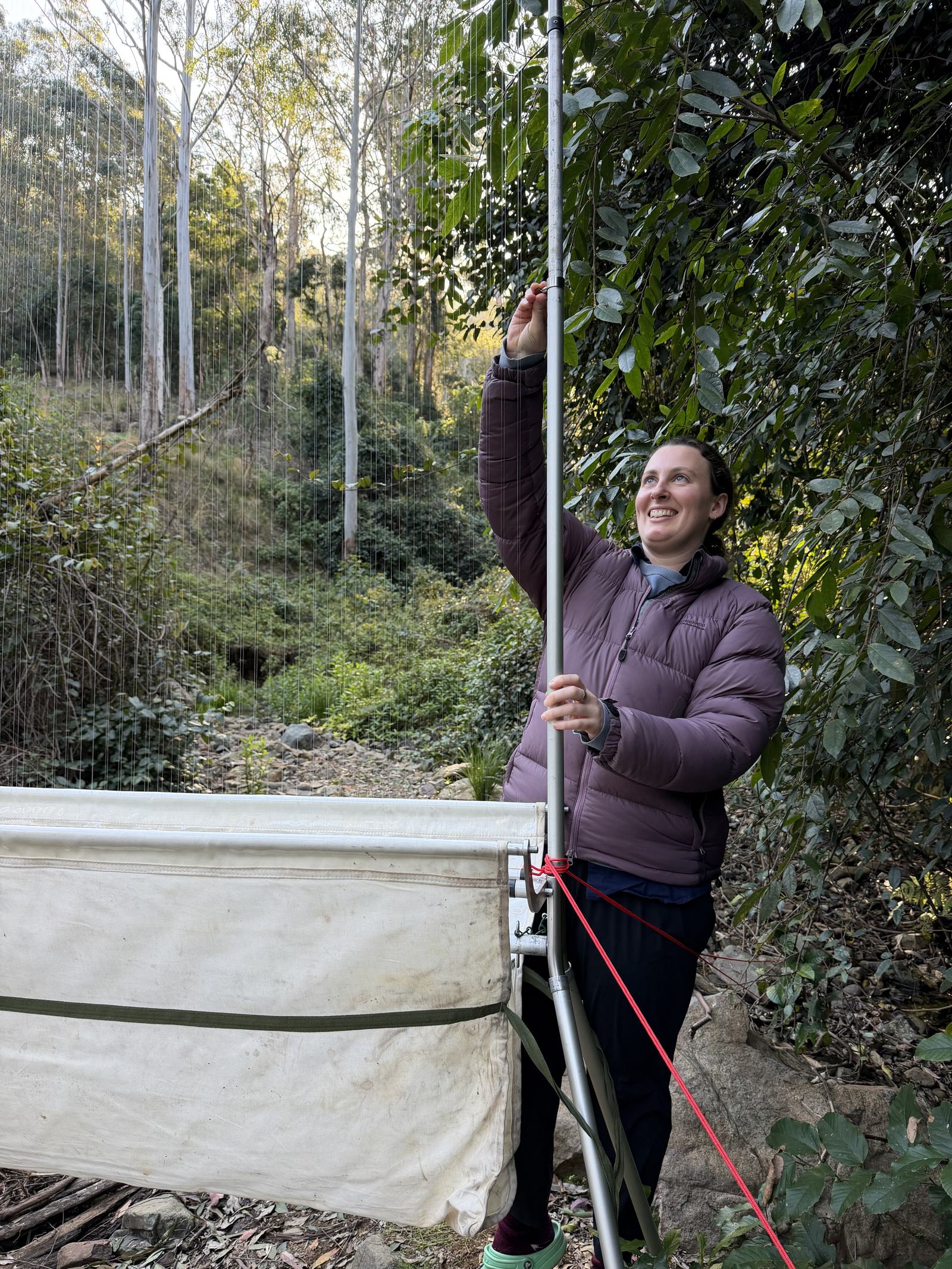
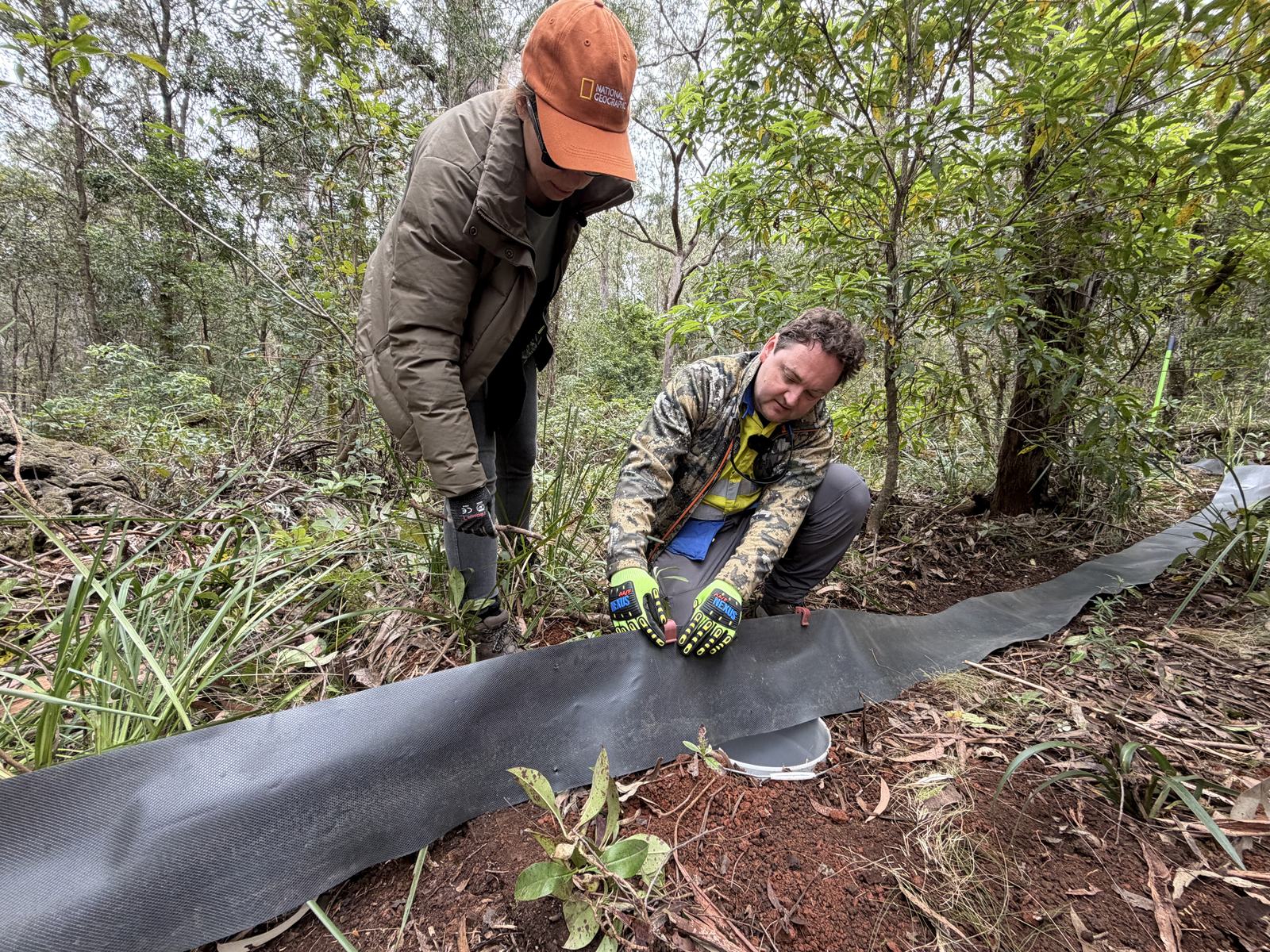
The Bush Blitz survey brough together more than 40 people including local Gimbigu Aboriginal Rangers, Australian Museum staff and fellow researchers from University of NSW, the South Australian Museum, the Museum and Art Gallery of the NT and La Trobe University who worked together to enrich our understanding of the biological diversity living in the Barrington Tops region. The team was also joined by BHP, the NSW National Parks, Wildlife Service and Forestry Corporation of NSW who assisted with site access and helped the scientific team set pitfall traps, acoustic cameras and hand collect invertebrates.
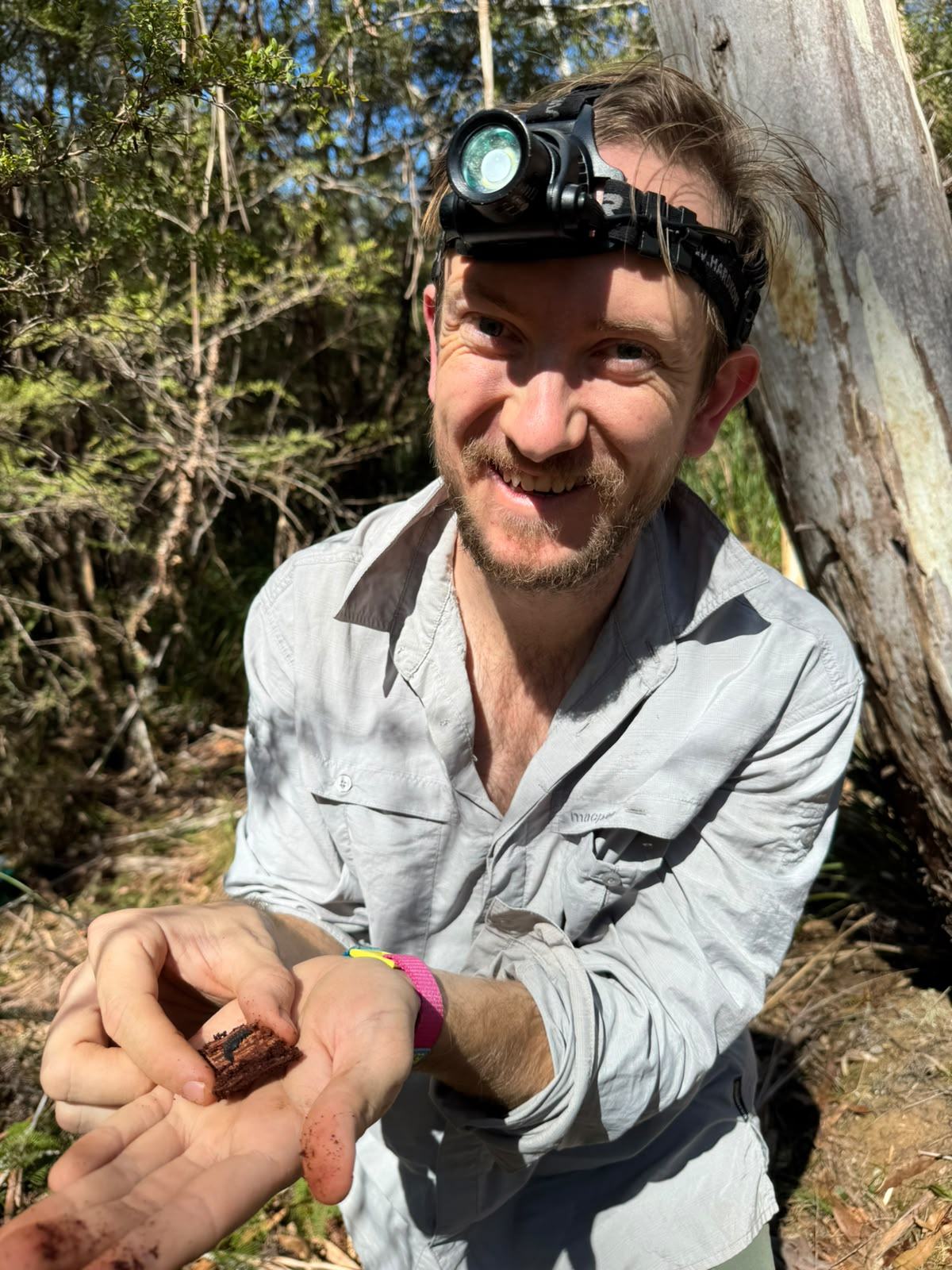
Each day, scientists headed out into the field to search for species across a variety of habitats, ranging from open woodlands, grassy swamps and dense Gondwanan rainforests. In the evenings, the scientist’s brough specimens back into the field laboratory where they carefully examined, documented and identified the species that will be added to a species list for the Barrington Tops region.
© Ben Daly
Already, hundreds of records have been collected and identified. Our scientists will now spend the next few months identifying the species by comparing specimens to the reference collections held at the Australian Museum and sequence the DNA from individuals to identify species and map the evolutionary relationships of these unique animals. These observations and specimens will contribute to a greater understanding of the biodiversity of Barrington Tops and may reveal species that are new to science or new records for the region.
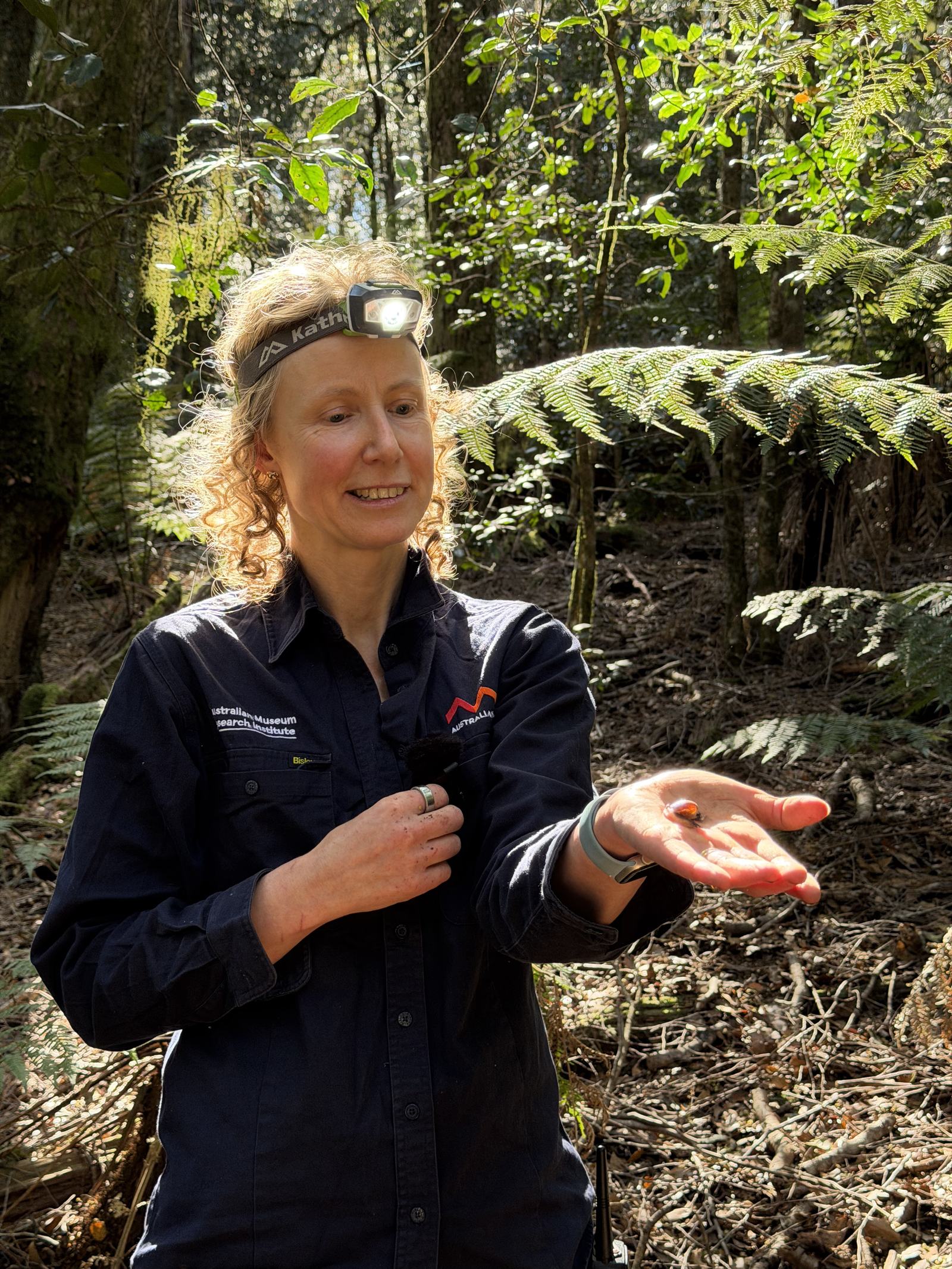
Over the weekend our scientists shared their passion and Bush Blitz experience as part of the Gloucester Community Day. This gave local school kids and the community a chance to meet the scientists and get up close to some of the interesting native animals they’ve found living in the area.
© Isabel Hyman
© Bryan Lessard
Bush Blitz is Australia’s largest biodiversity survey program bringing scientists, Aboriginal and Torres Strait Islander Peoples and land managers together to uncover species new to all sciences. Since the program began in 2009, Bush Blitz scientists have identified more than 2,100 species new to science from Australia.
See our Australian Museum scientists in action as they uncover hidden species during the Barrington Tops Bush Blitz on our social media channels or visit bushblitz.org.au to find out more.