
Celebrate Sir David Attenborough's 100th birthday with the Australian Museum
Sydney, Wednesday 6 May: The Australian Museum (AM) is marking the 100th birthday of its beloved Lifetime Patron, Sir David Attenborough, by offering free entry to the latest exhibition Bloodsuckers: Nature's Vampires across this weekend, from Friday 8 May to Sunday 10 May 2026.
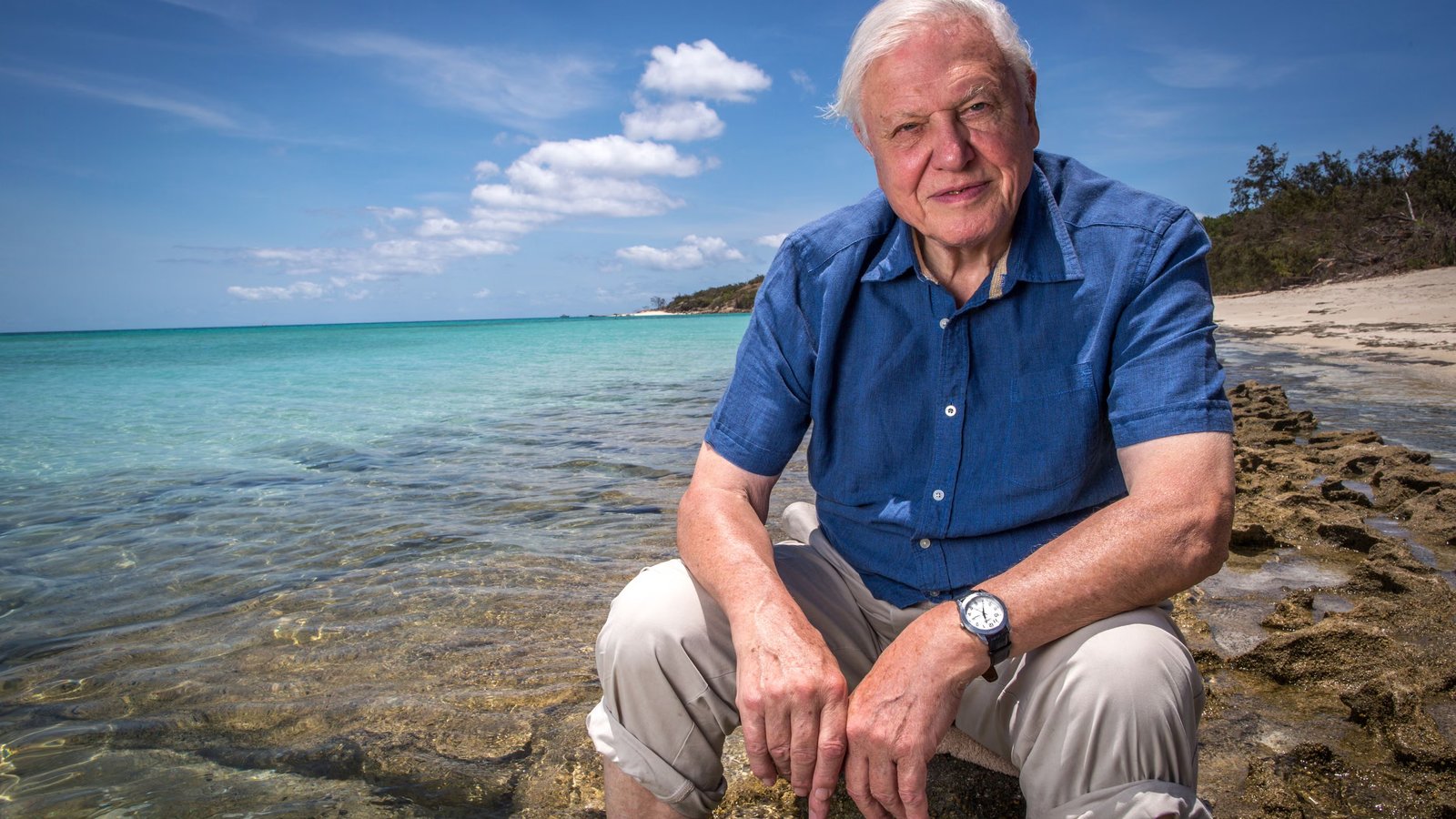
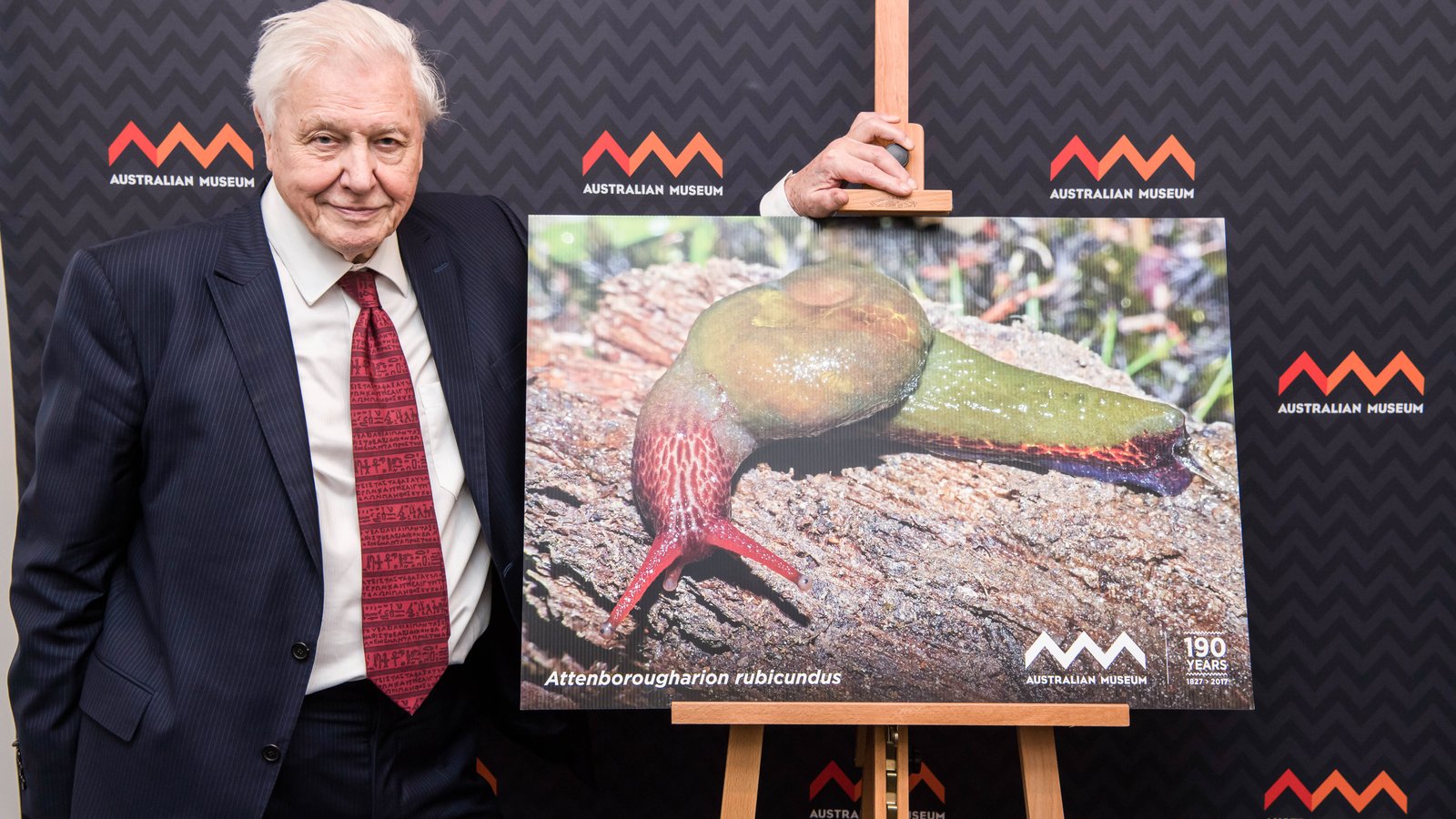
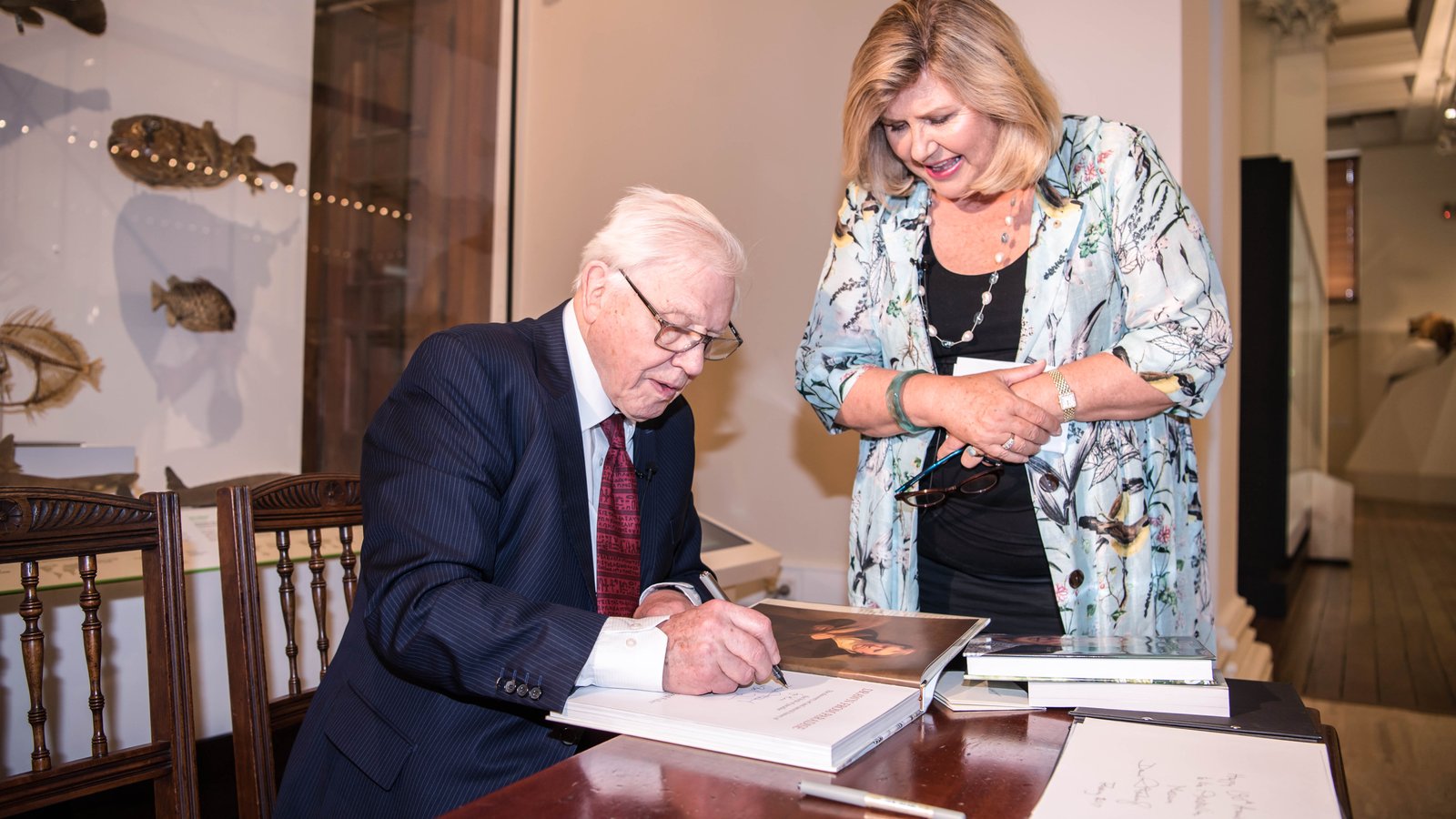
In 2017, the Australian Museum awarded Attenborough its Lifetime Patron honour in recognition of his remarkable contributions to scientific communication and advocacy. He has supported the AM for more than 40 years, including touring the AM’s fossil collections, giving lectures to AM members and featuring the AM's Lizard Island Research Station in his Great Barrier Reef documentary. In 2017, AM scientists also named the newly identified Tasmanian semi slug after him, Attenborougharion rubicundus, which he said might be the “most beautiful slug in the world”.
CC BY 4.0
© Australian Museum
© Australian Museum
© Australian Museum

© Australian Museum
Director and CEO of the Australian Museum, Kim McKay AO said Sir David Attenborough had enjoyed a long career of sparking curiosity and awe in the natural world and revolutionised the public's relationship with nature.
“Sir David Attenborough has spent his lifetime reminding us that our fate is tied to the fate of every creature on Earth, and he encourages us to understand just how remarkable the planet is. What better way to celebrate his 100th birthday than by making it possible for everyone to experience that same kind of wonder at the Australian Museum.
“Bloodsuckers: Nature’s Vampires is exactly the kind of exhibition Attenborough would love, it’s surprising, scientifically rich, and full of creatures most people overlook and underestimate, and this weekend, it's free," McKay said.
© Auckland Museum
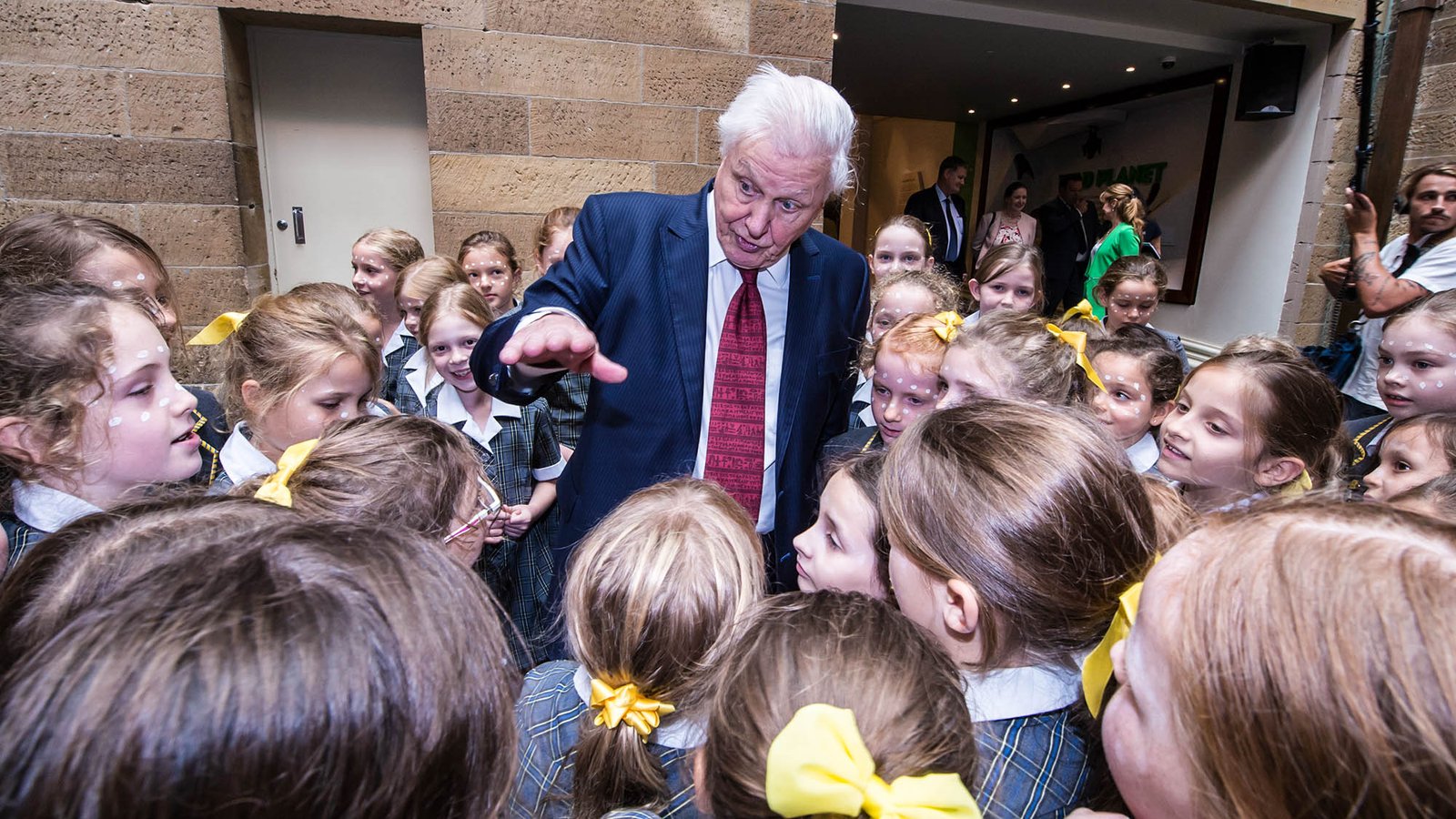
The AM is also asking visitors to share their best wishes to one of the world’s most important environmental advocates in person with activity stations set up in the main hall for letter writing and picture drawing. The messages will be gathered up and sent to him to enjoy.
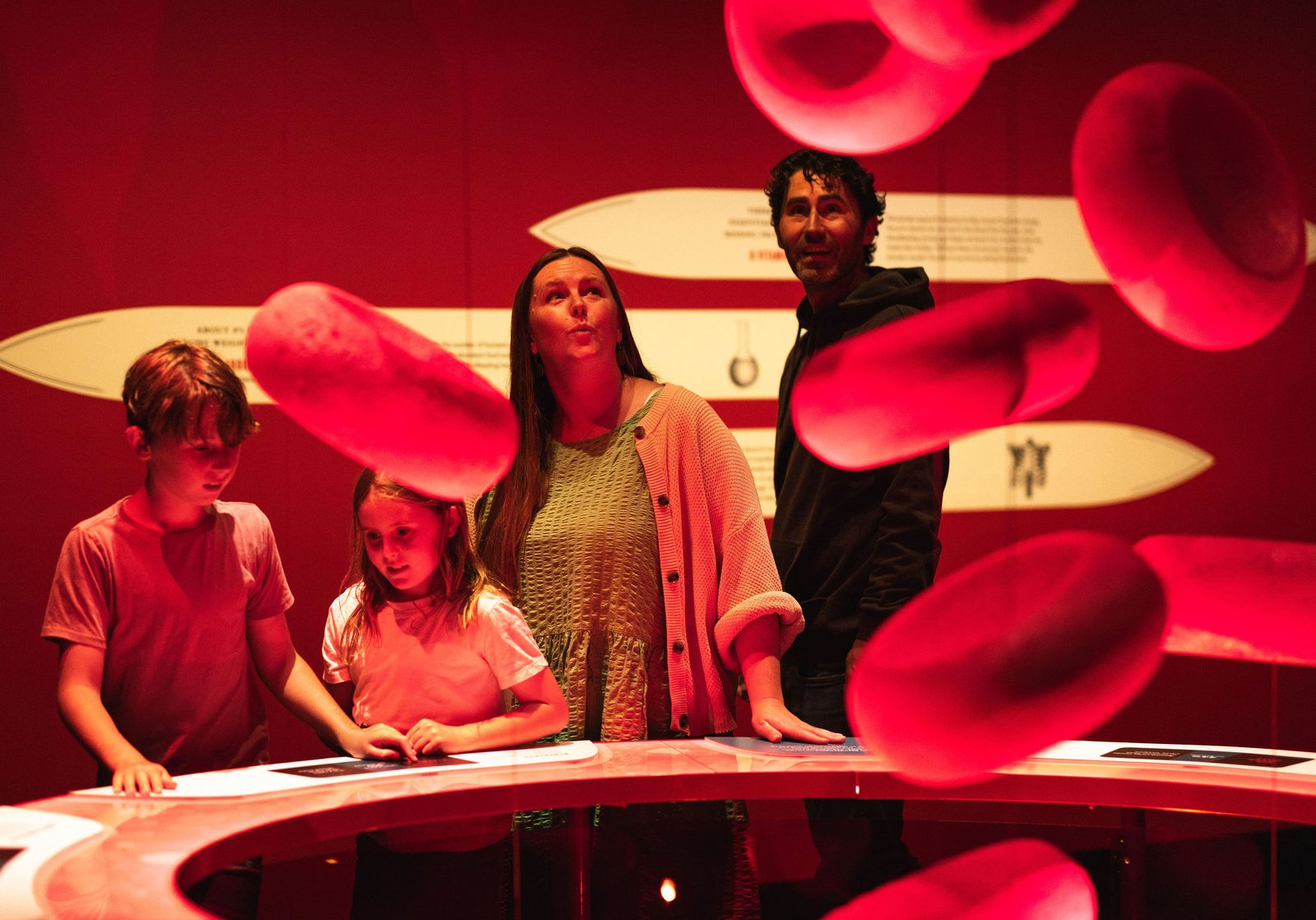
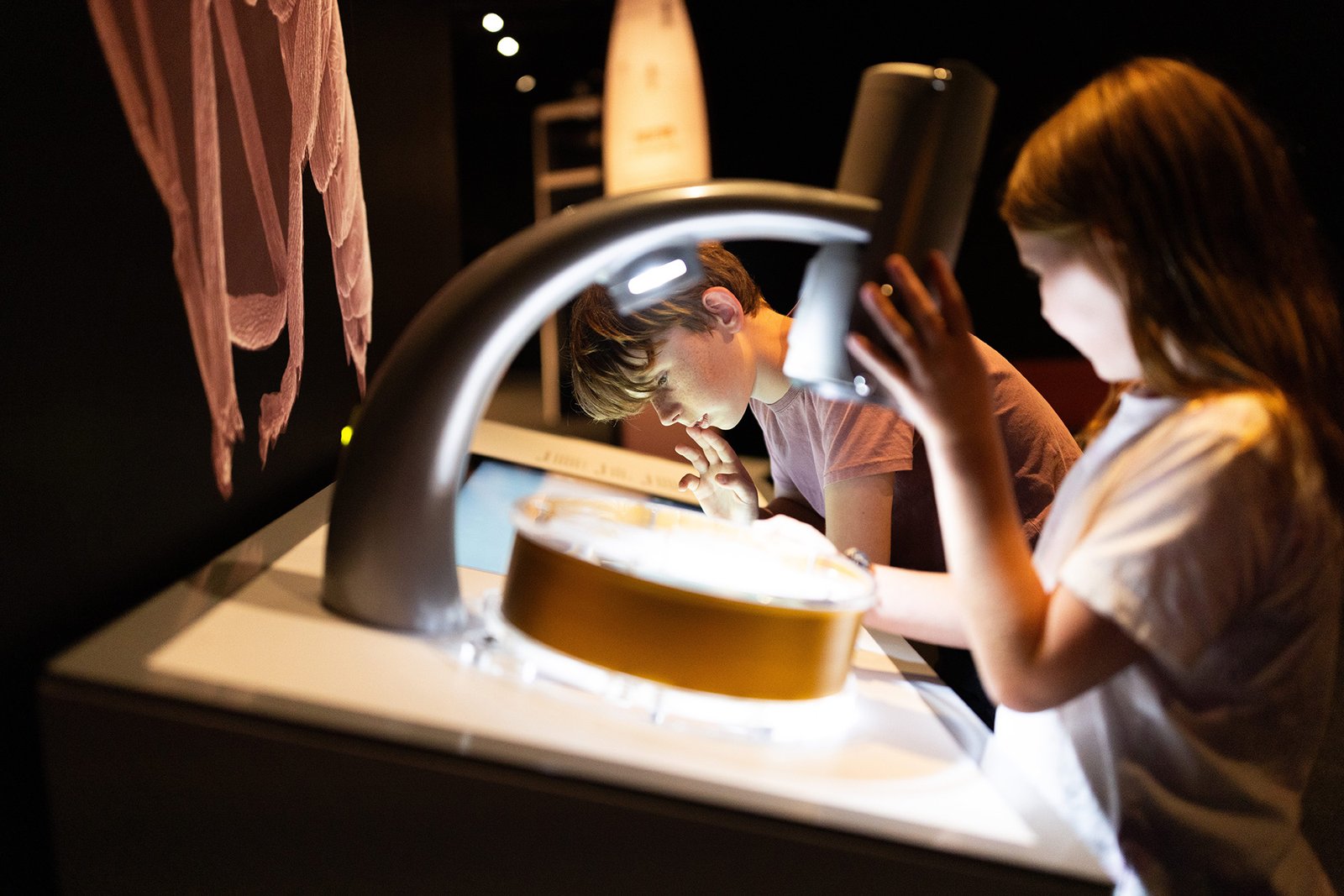
Currently showing at the AM, Bloodsuckers: Nature's Vampires is a deep dive into the creatures that have fascinated and inspired humans for centuries. From vampire bats and leeches to mosquitoes and ticks, the exhibition explores the biology, folklore and ecological importance of animals that feed on blood, precisely the kind of encounter with the natural world that Sir David has championed throughout his extraordinary career.
Free entry to Bloodsuckers: Nature's Vampires runs from Friday 8 May to Sunday 10 May 2026. Visitors are encouraged to book online to secure their preferred timeslot.
Bookings are available via the Australian Museum website.
© Auckland Museum
Download the media release
For interviews, images and further information, contact Clare Patience at media@australian.museum.
About Bloodsuckers: Nature’s Vampires
Running until 11 October 2026, the exhibition explores the strange and fascinating creatures behind centuries of vampire myths, vampire bats and medicinal leeches to mosquitoes, black flies and prehistoric-looking lampreys; animals that survive by feeding on blood, revealing the remarkable evolutionary adaptations that allow them to pierce, slice, detect and consume it. Developed by the Royal Ontario Museum and touring internationally, Bloodsuckers has been recognised with major global awards including Overall Winner at the American Alliance of Museums Excellence in Exhibition Awards (2019) and a Merit Award at the Society for Experiential Graphic Design Global Design Awards (2021).
About the Australian Museum
The nation’s first museum, the Australian Museum (AM) was founded in 1827 and will mark its 200-year milestone in 2027. It is internationally recognised as a natural science and culture institution focused on Australia and the Pacific. The AM holds more than 22 million objects and specimens in its collection, the largest in the Southern Hemisphere. It pursues a mission to ignite wonder, inspire debate and drive change. The AM’s vision is to be a leading voice for the richness of life, the Earth and culture in Australia and the Pacific and commits to transforming the conversation around climate change, the environment and wildlife conservation; being a strong advocate for First Nations cultures; and continuing to develop world-leading science through the Australian Museum Research Institute (AMRI). The AM is not only a dynamic source of reliable scientific information on the environmental and social challenges facing our region, but also an important site of cultural exchange and learning. Visit www.australian.museum
