On Country Advocacy
Country Advocacy upholds First Nations Peoples' right to Care for Country through knowledge systems that have endured since first light.

By Rachael Cavanagh, Minyungbal. This piece was written during her time as the Australian Museum's First Nations Country Advocate Researcher, this role was supported by GreenCollar.
A First Nations Country Advocate plays a crucial role in promoting the rights, interests of First Nations Peoples. In this instance their rights to Care for Country. This role encompasses a wide array of responsibilities, including advocacy, community, and the promotion of First Nations knowledge systems. Caring for Country is a deep understanding of what Country needs and the best practice of giving back to a system that is here to care for us. Country is a gift, and it is my obligation as a guardian to care for this place for the generations to come. What we do now does not only directly affect us, but it will also impact on our grandchildren who are yet to walk this place.
What is Country Advocacy?
Country Advocacy means taking action to support and protect Country. In First Nations cultures, Country is a term used to describe the interconnected relationships among land, water, sky, and all living things, as well as the stories, language, and spiritual relationship with place. Caring for Country is the holistic practice of looking after tangible and intangible aspects, respecting both the environment and the cultural connections that sustain it.
A Country Advocate exists to uphold the right of First Nations peoples to Care for Country. This encompasses advocacy, community engagement, and the promotion of First Nations knowledge systems. The reignition of these Traditional Knowledge systems is at the heart of Country Advocacy. At its core, it means identifying and understanding First Nations ways of knowing, being, and doing. It involves respecting Country and Kin, our role as custodians, and our reverence for our relational ways. [1]
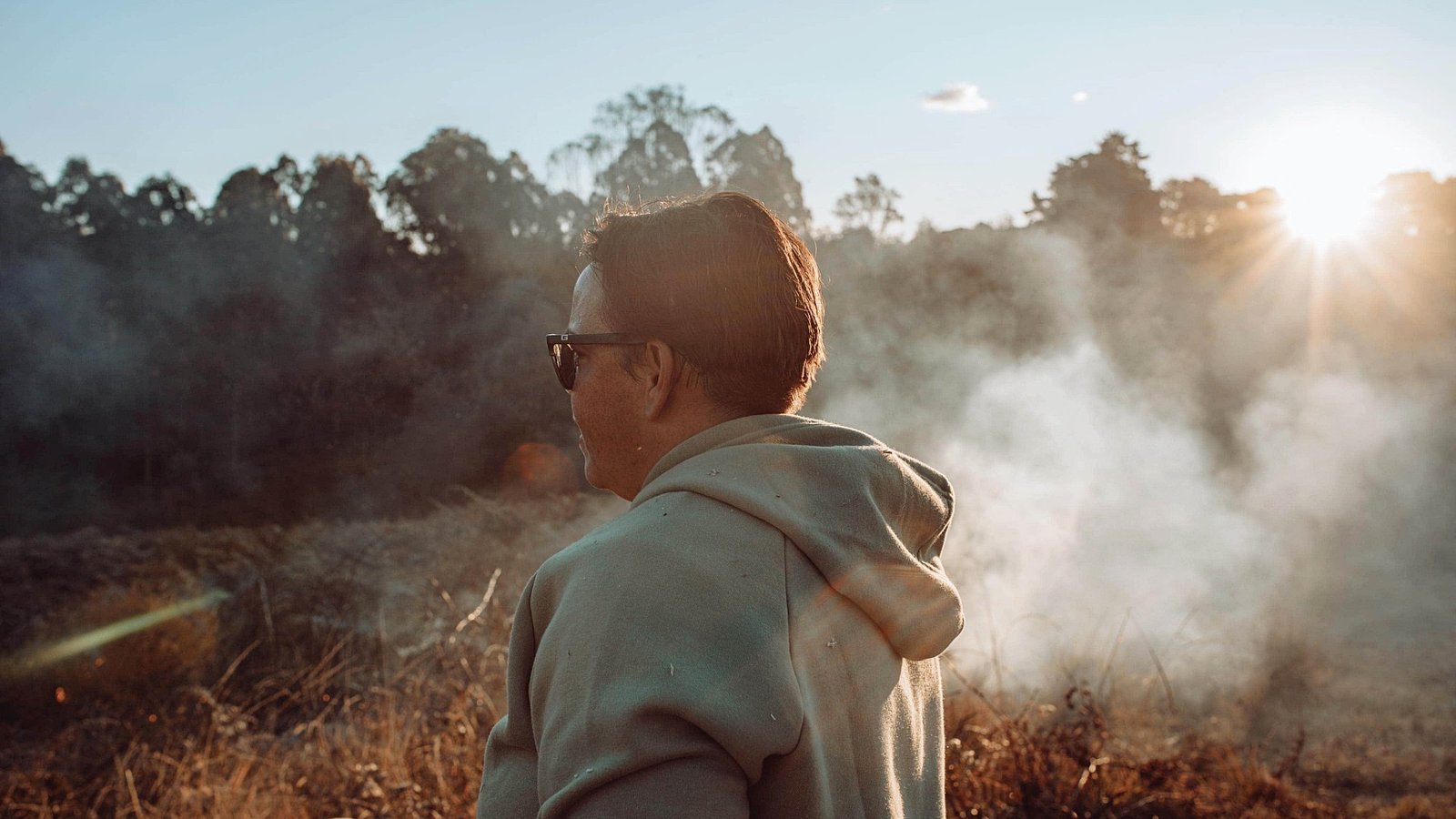
One such First Nations knowledge system is Cultural Fire. Cultural Fire refers to the practice of conducting low-intensity, controlled burns using place-based knowledge of the environment. It is a traditional method that supports healthy biodiversity, waterways, flora, and fauna, and helps manage fuel loads and reduce wildfire severity. Unlike isolated fire management techniques, Cultural Fire is embedded in a living and breathing relationship between people and place, one that has endured across generations.
As Minjungbal Elder Uncle Magpie Yeeribligin says: "You look after Country; Country will look after you."
© Wayila Creative
© Rachael Cavanagh

© Rachael Cavanagh
Why does Country Advocacy matter?
Country Advocacy is a way of communicating and addressing conservation challenges through a cultural lens. Country Advocacy can amplify these issues, make them more accessible for broader community engagement, and invite collaboration with partners who may not otherwise be involved. The inclusion of diverse perspectives, driven by First Nations leadership, strengthens advocacy efforts and enriches the social and environmental well-being for everyone.
Country Advocacy centres First Nations people's traditional knowledge and their right to nurture and care for Country. The United Nations Declaration on the Rights of Indigenous Peoples (UNDRIP) also recognises this right internationally and is essential to First Nations self-determination, cultural preservation, and social justice. [2]
While Australia endorsed UNDRIP in 2009, its principles are not secured in domestic law. The gap between endorsement and implementation remains. However, when Country Advocates operate within frameworks that prioritise cultural governance and collaborate with community controlled First Nations organisations, they succeed by reflecting their values and empowering communities to achieve their goals.
Appropriation and erasure
As First Nations concepts like Caring for Country and Country Advocacy enter public awareness, their appropriation also grows. Using First Nations' knowledge without respecting sovereignty, ownership, and protocols is a form of injustice. This injustice is often hidden behind the language of inclusion or reconciliation.
This is what many First Nations peoples and Elders call extractive engagement. It happens when organisations consult or research, take First Nations concepts and language, in a manner that excludes free, prior, and informed consent, and fail to establish long-term benefits for communities.
Although many organisations have collaborated with First Nations communities on environmental initiatives, such as cool burning, Caring for Country, and Country-based renaming. Too often, these ancient practices are used without the instruction of First Nations peoples. Subsequently, the cultural and spiritual context is erased, and essential protocols are ignored. This results in First Nations custodians being excluded from the practices that originated from them.
To meaningfully work with First Nations peoples, organisations must respect cultural protocols. Commit to ethical partnerships and proper attribution. Cultural practices must be led and directed by First Nations peoples; otherwise, they risk losing the cultural wisdom that underpins them, and the full value of these practices cannot be realised.
How to be a Country Advocate
There are many ways to stand with First Nations Country Guardians and support the vital work they do.
Organisations like Country Needs People champion the role of First Nations rangers and land managers, and the ways in which First Nations peoples have shaped and managed land and sea Country for millennia.
Programs such as the Martuwarra Fitzroy River initiative in the Kimberley demonstrate what Country Advocacy looks like in practice; fostered in place and guided by deep cultural knowledge. [3]
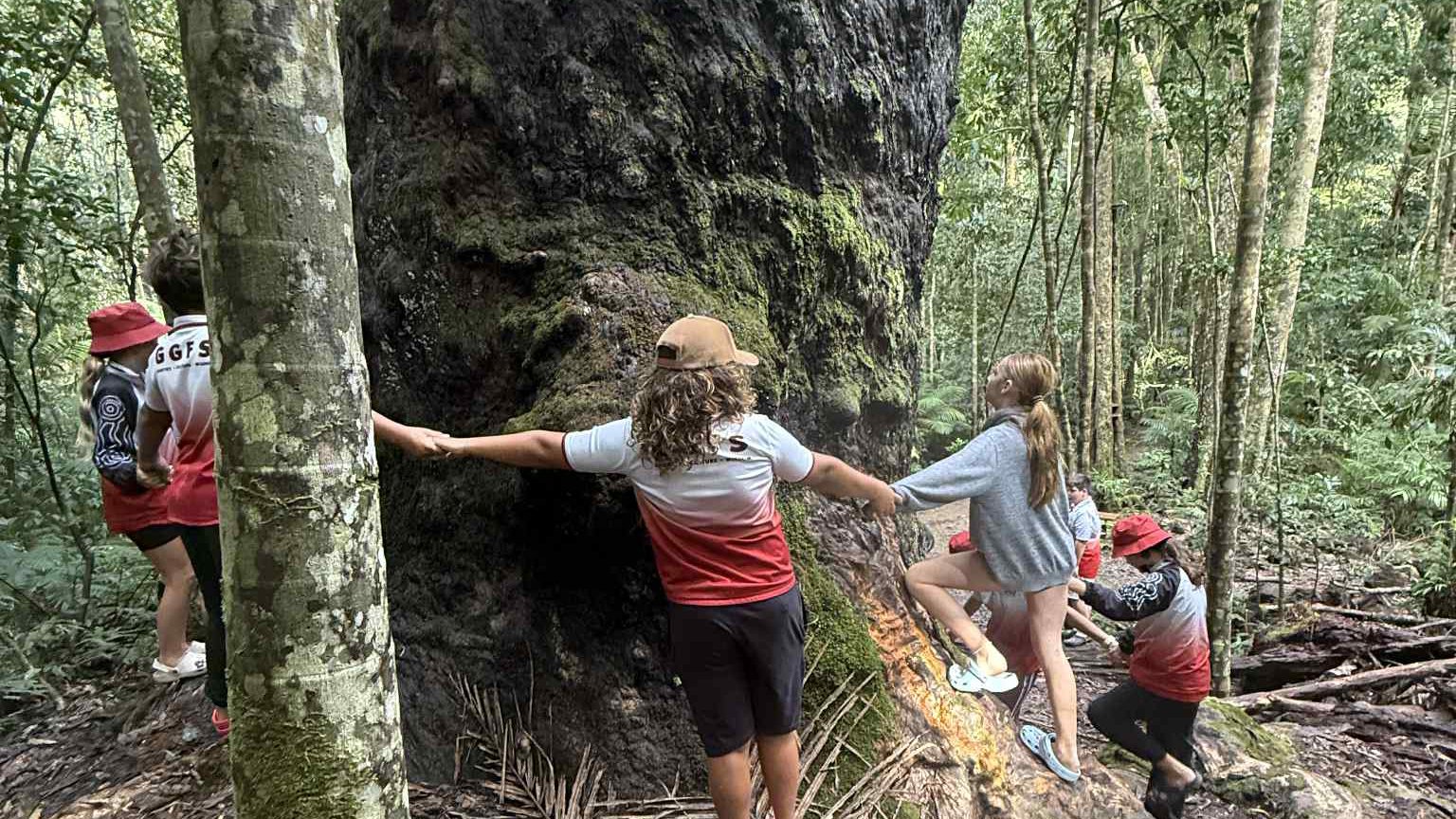
Closer to home, the Australian Museum’s Country Advocate Researcher, led the On Country Advocacy in Action Partnership with Wajanna Yaam Property. This two-year collaboration demonstrates what genuine, community-led Country Advocacy can look like within an institutional setting. The project began with deep relationship-building and community consultations at the Gumbaynggirr Giingana Freedom School, where Elders, parents, and staff co-designed the research framework. Fieldwork and ecological data collection grounded in Gumbaynggirr knowledge systems followed, alongside cultural mapping, language revitalisation, and immersive education programs that enabled children to identify Country types, plants, and animals and connect them to Gumbaynggirr Dreamings. Underpinned by the principle of Naraa Narii (reciprocity), the partnership stands as a model for First Nations-led research that centres Cultural respect, Gumbaynggirr leadership, and long-term community benefit.
More institutions in Australia are seeking to engage with First Nations peoples and communities. Recognition of our knowledge is increasing, especially in Caring for Country. Our cultural practices, ecological knowledge systems, and languages are beginning to inform sustainable land management and policy. This is a welcome shift. But recognition alone is not enough.
True collaboration means aligning with local cultural contexts and ensuring environmental solutions are equitable. When done purposefully, this leads to impactful advocacy and an intimate understanding of the environment. Genuine partnerships honour First Nations stewardship and custodianship, for Country and for all who share it.
References
- Australia State of the Environment. (2021). Caring for Country. Australia State of the Environment. https://soe.dcceew.gov.au/indigenous/management/caring-country
- Declaration on the Rights of Indigenous Peoples | Victorian Aboriginal Heritage Council. (2020). Vic.gov.au. https://www.aboriginalheritagecouncil.vic.gov.au/declaration-rights-indigenous-peoples
- Poelina, A. (2020). Multispecies Justice for Land, Living Waters, and Indigenous Peoples Wellbeing (2020). Anne Poelina. https://annepoelina.com/films
Rachael Cavanagh
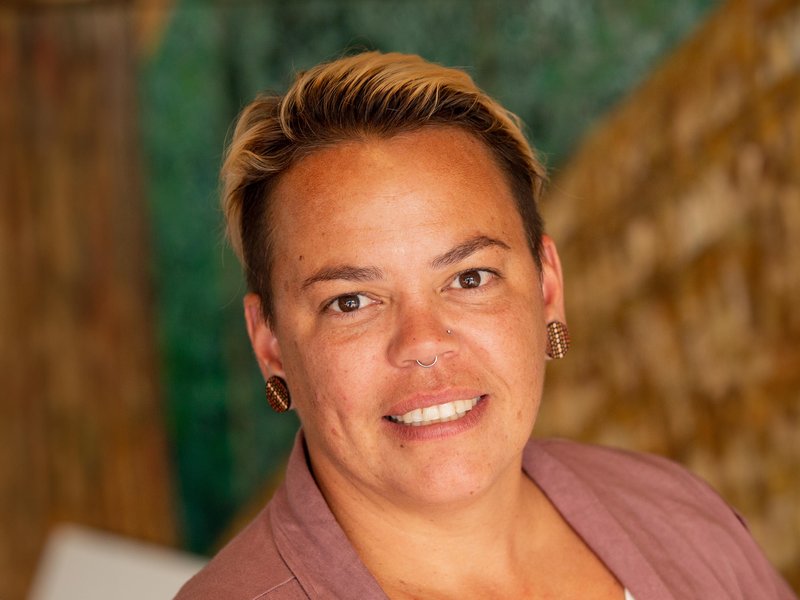
First Nations People are the greatest asset to our Country, especially in the current global climate. I have been fortunate to have grown up learning how to read Country, ecosystems, and landscapes through Minyungbal practices, through knowledge being passed down by the women in my family; this has guided my care for Country from my early life onwards.I come from the Ancestors of Lightning and the Lore of Fire, understanding the deep intricate kinship systems woven through knowing what Country needs. Walking with fire is more than just cultural fire practices to maintain healthy Country - there are many ways in which fire is used culturally through our kin.
As a woman from both Saltwater and Freshwater Country, understanding our water systems as the life givers of land is also important in understanding women’s roles caring for these important features of Country. It is imperative that we work with First Nations Peoples to lead in climate and environmental spaces as we are the ones who have been here since first light, we know Country, we have the solutions to a future for all.