
Our first expeditions: tragedy in Moreton Bay
Discover what happened on the Australian Museum's fateful, and fatal, first two expeditions.
On this page...
The Australian Museum’s first foray into scientific expeditions began not with a seasoned naturalist or a trained collector, but with an English carpenter called William Holmes who was the museum's first employee. Holmes' two journeys to Moreton Bay in Queensland would kickstart nearly two centuries of museum expeditions, despite a rather shaky start...
Creative Commons Attribution-Share Alike 4.0 International
A new museum with big ambitions (and one employee)
In the late 1820s, the Colonial Museum (the future Australian Museum) was little more than a room of “Australian curiosities” tucked behind the General Post Office in Bent Street, Sydney. At the helm of this fledgling museum was William Holmes.
Arriving in Sydney in 1827, Holmes worked as a cabinet-maker, applied unsuccessfully for a land grant and almost certainly did not picture himself becoming the colony’s first museum professional. Family legend suggests Holmes had been hoping for a peaceful rural life in the new colony, not a role curating shells and animal skulls in a small room behind the Post Office.
Yet, his cabinet-making skills were undoubtedly useful for a new museum, perhaps making him the ideal candidate for the job. So, on 16 June 1829, Holmes was appointed as the Museum’s first official employee: the "Zoologist" or "Keeper".
The first expedition to Moreton Bay
Despite his unconventional background, Holmes set about building the museum's collections and displays. While the Australian Museum Archives don't have many records from his short time at the museum, his surviving papers contain inventory lists, purchase requests and correspondence to the Colonial Secretary, suggesting he was busy at work.
Just a few months into the job, Holmes travelled to the Moreton Bay penal settlement (today's Brisbane) in November 1829. He carried a letter from Colonial Secretary Alexander Macleay (himself a keen insect collector) instructing the settlement's Commandant Patrick Logan to provide Holmes with whatever rations he needed. Due to a lack of records from this time, it's not known how fruitful this first expedition was for the collection.
Tragedy ends the second expedition
Nonetheless, Holmes was keen to return to the area in 1831. In June of that year, the convict ship Eleanor arrived in Sydney carrying more prisoners destined for Moreton Bay. Here was an opportunity for a second collecting trip to this relatively unexplored region, which would have been an attractive proposition for any collector.
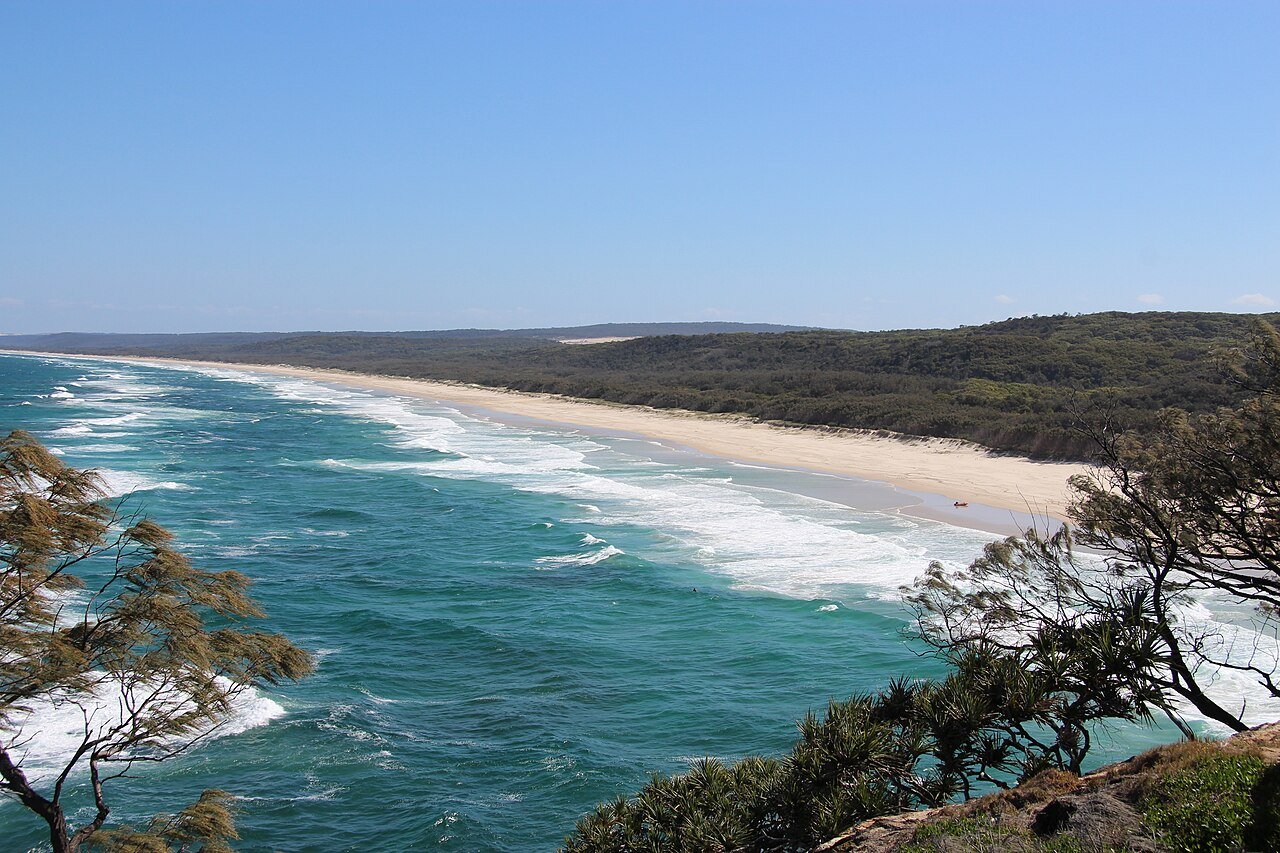
Holmes boarded the ship and arrived in Moreton Bay in August. The key thing we know about this second expedition to Moreton Bay is that it ended in tragedy. On the morning of 23 August 1831, Holmes and a convict assistant called Samuel Saunders were collecting birds near Amity Point on Minjerribah (North Stradbroke Island). Suddenly, Holmes accidentally discharged his double‑barrelled fowling gun.
The shot entered his right chest. According to Saunders' recollections, Holmes' final words were "Oh, my God, I'm dead." Saunders ran for help, but Holmes' declaration came true before assistance could reach him.
Holmes' body was taken back to the penal settlement by pilot James Nelson, and an inquest was held the next day. His burial place remains uncertain, though the old Brisbane burial ground is a likely possibility. While his belongings were sent back to Sydney a few weeks later, none of the birds he collected on that final expedition ever reached the museum.
Legacy of the Moreton Bay expeditions
Despite this tragic end, Holmes' first two expeditions weren't an entirely lost cause. His expeditions to Moreton Bay, however improvised or under-resourced they were, began a legacy of field collecting that continues at the Australian Museum today. After a perilous beginning, we can confidently say that the museum's expeditions have become significantly less fatal and continue to play a key role in building the Australian Museum's vast scientific and cultural collections.
