
Hidden in plain sight: Meet Australia’s newly identified skink species
Sydney, 14 April 2026: A lizard known to Wiimpatja Aboriginal Owners as Kungaka “the Hidden One” has been formally described as a new species, acknowledged in research published today in Zootaxa. With fewer than 20 individuals of the species known to exist, the Kungaka is also now one of Australia's most threatened reptiles.
Through a partnership with Wiimpatja Aboriginal Owners and the NSW National Parks & Wildlife Service (NPWS), scientists from the Australian Museum Research Institute (AMRI), have confirmed the Kungaka (Liopholis mutawintji) is a distinct species found only in Mutawintji National Park, north-east of Broken Hill, in NSW.
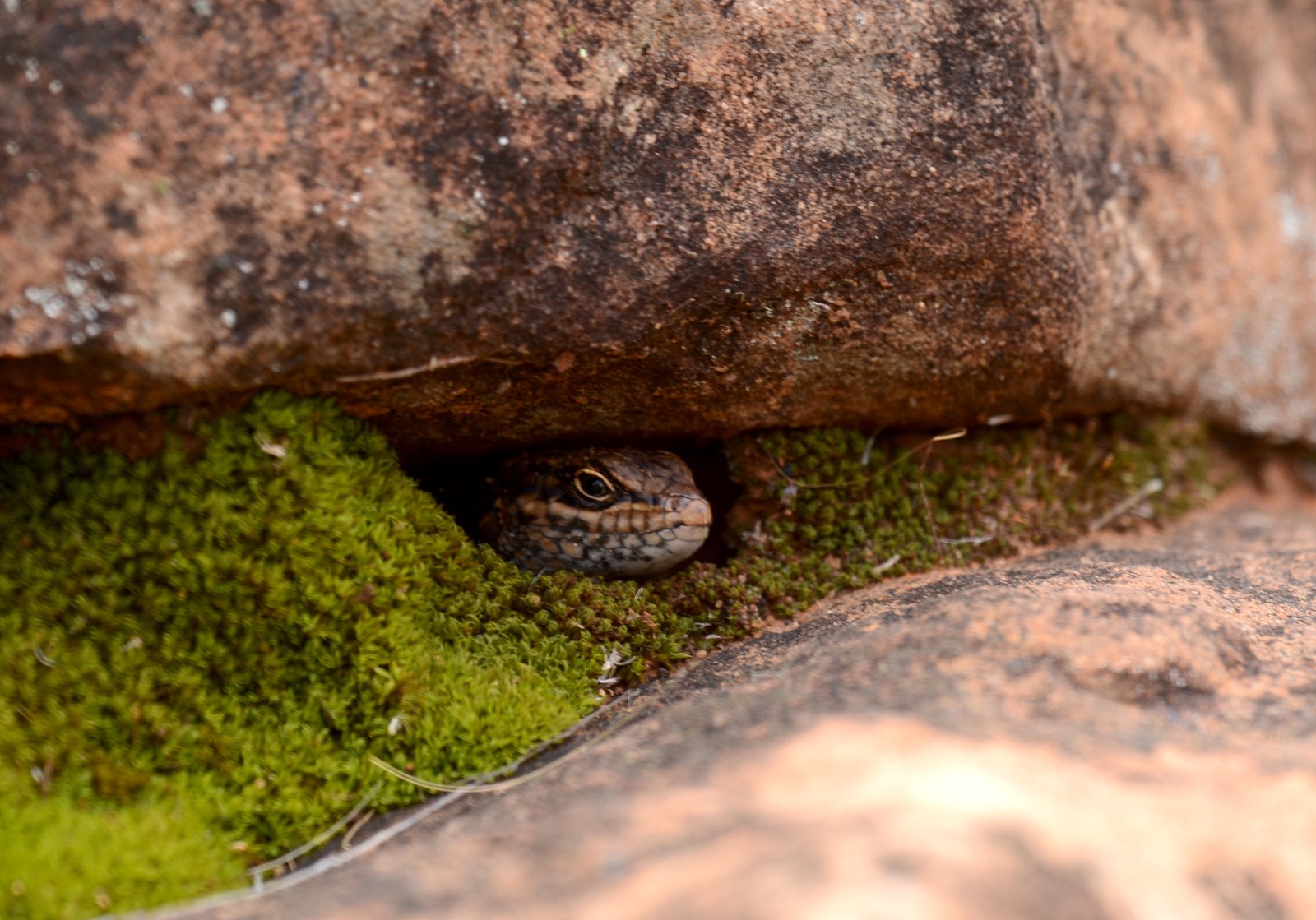
CC BY-ND
Minister for the Environment, the Hon. Penny Sharpe MLC, said the discovery of the Kungaka in the rugged gorges of Mutawintji National Park is an exciting moment and a powerful reminder of how much there is still to protect.
“Our conservation efforts are helping identify at-risk species to ensure we act quickly to secure their future,” Ms Sharpe said.
Curator, Amphibian and Reptile Conservation Biology at the Australian Museum and UNSW Sydney, Dr Jodi Rowley, said the findings emphasised the value of close collaboration between First Nations Custodians, scientific institutions and government departments.
“With potentially fewer than 20 individuals remaining, the Kungaka stands on the brink of extinction. Their survival depends on sustained, long-term collaborative partnerships, and continued monitoring and evaluation. Working with our colleagues, Wiimpatja Aboriginal Owners and NSW Government has delivered the important first step in its continued existence,” Dr Rowley said.
The species was previously considered an isolated population of the widespread White's Skink (Liopholis whitii). Genetic analysis and examination of variation across its wide distribution have now confirmed it is one of three distinct species and the only one restricted to Mutawintji, around 500 km from its closest relatives, surviving in a tiny pocket of humid, rocky habitat surrounded by hot saltbush and gibber plains.
Lead author of the paper, Australian Museum researcher Tom Parkin, said the scientific description of the Kungaka is just the first step.
“The Kungaka represents an ancient lineage that likely originated earlier when the environment was quite different. Today, it survives in a tiny, isolated pocket of sheltered gorge in Mutawintji. Through this research, we not only better understand a species, but also the history behind the surrounding environment,” Mr Parkin said.
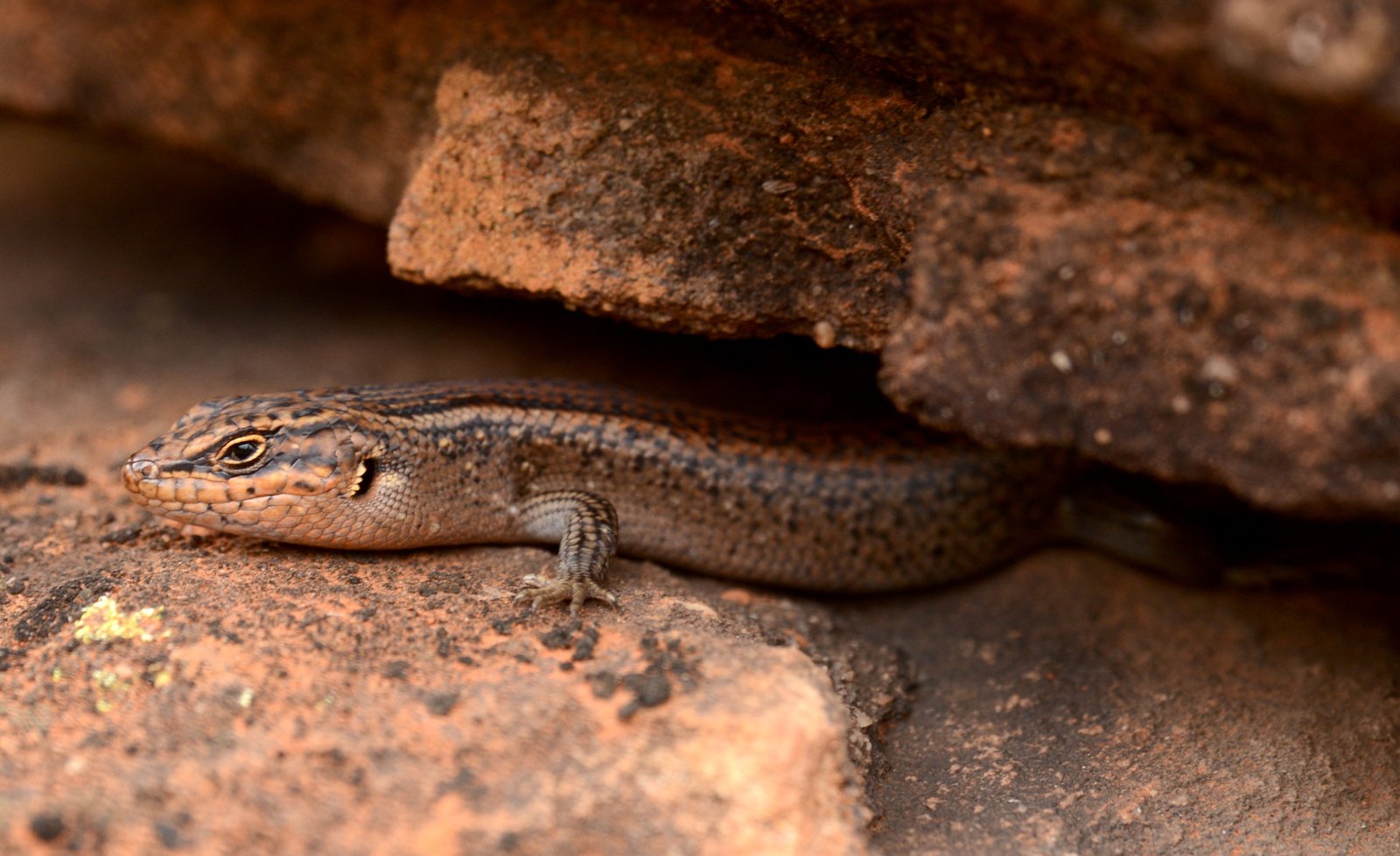
CC BY-ND
Feral goats have been identified as a key threat to the skinks’ survival because they degrade the local habitat through overgrazing and trampling, reducing food availability and shelter, exposing lizards to predators and extreme temperatures. Introduced predators, such as cats and foxes, also compound the risk, while climate change is intensifying heat and drought across the region.
The Mutawintji Board with the support of NPWS will continue to survey to better understand this unique species and the conservation actions needed to minimise risk of extinction.
For Wiimpatja, the Kungaka is deeply connected to people, Country and culture, said Warlpa Thompson, Mutawintji Board of Management.
“Our people have been leading the way for looking after this extremely rare lizard. Now that it's about to be given the name Kungaka, the Hidden One, in Wiimpatja parlku, the world will soon know how special they are. The Mutawintji Board of Management and NPWS will continue to build on the work that has already been done, but given that Kungaka are on the verge of extinction, we are seeking further support to create an in-Country sustainable solution,” Warlpa Thompson said.
Read more about the discovery of Kungaka in Meet Kungaka, 'the hidden one': this ancient lizard could be the rarest reptile in Australia in The Conversation.
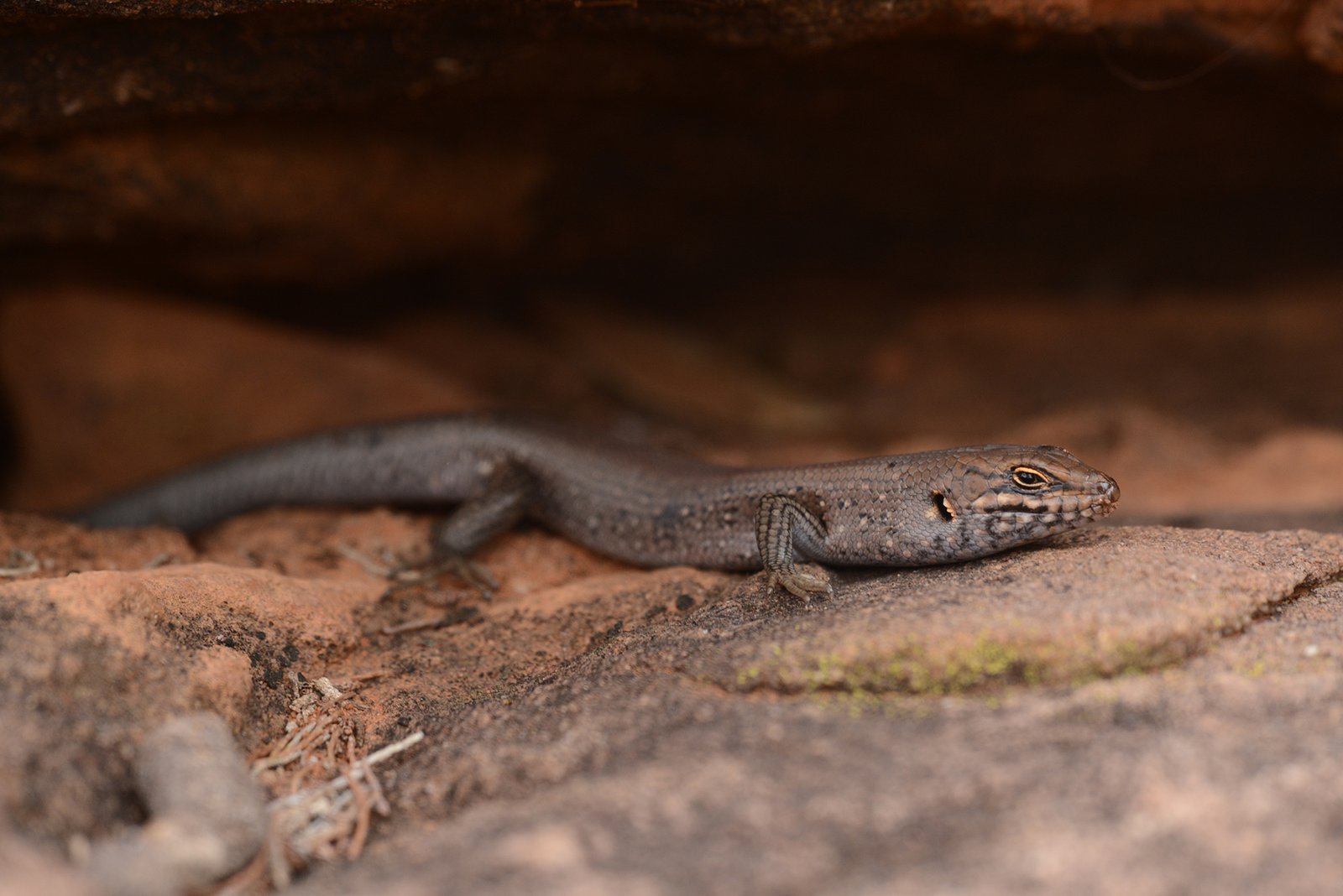
CC BY-ND
Download the media release
For interviews, images and further information, contact Clare Patience at media@australian.museum.
About the Australian Museum
The Australian Museum (AM) was founded in 1827 and is the nation’s first museum. It is internationally recognised as a natural science and culture institution focused on Australia and the Pacific. The AM’s mission is to ignite wonder, inspire debate and drive change. The AM’s vision is to be a leading voice for the richness of life, the Earth and culture in Australia and the Pacific. The AM commits to transforming the conversation around climate change, the environment and wildlife conservation; to being a strong advocate for First Nations cultures; and to continuing to develop world-leading science, collections, exhibitions and education programs. With 22 million objects and specimens and the Australian Museum Research Institute (AMRI), the AM is not only a dynamic source of reliable scientific information on some of the most pressing environmental and social challenges facing our region, but also an important site of cultural exchange and learning.
