
Bloodsuckers: Nature's Vampires opens at the Australian Museum
Sydney, Thursday, 2 April, 2026: The international award-winning exhibition, Bloodsuckers: Nature’s Vampires, opens today at the Australian Museum (AM) for a six-month run, exploring the remarkable creatures that have inspired centuries of mythology and impacted global populations, shaping modern medicine.
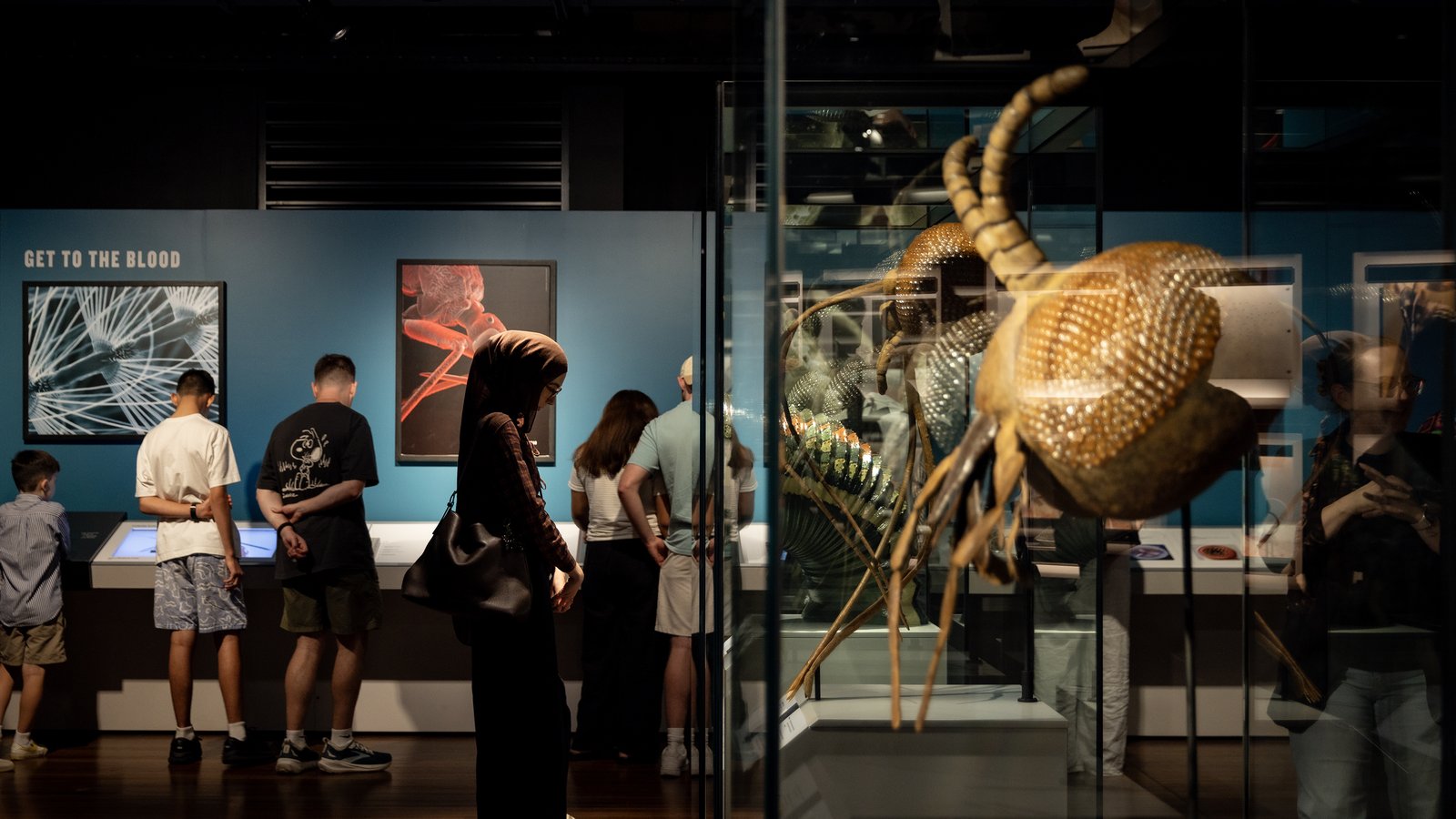
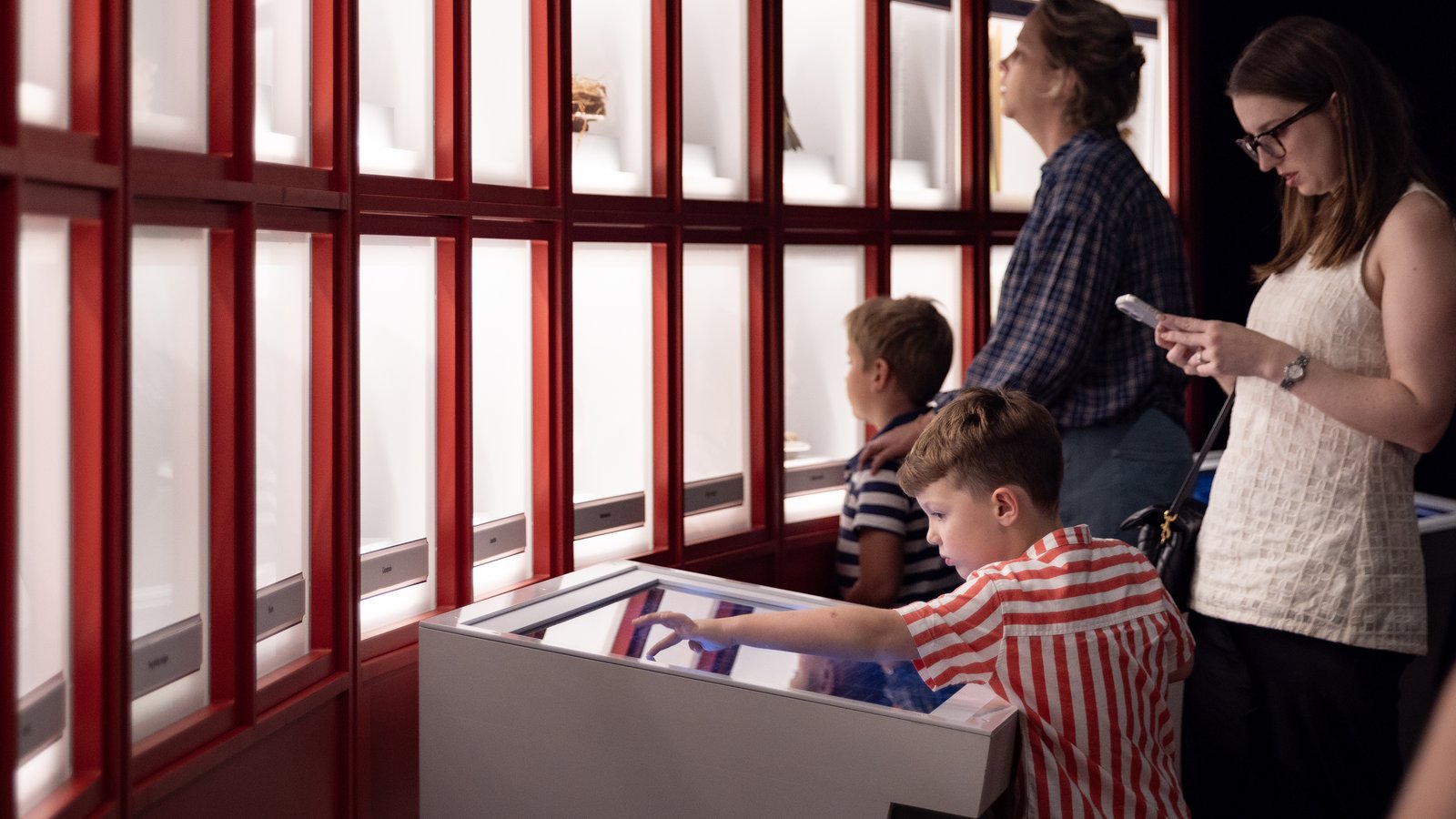
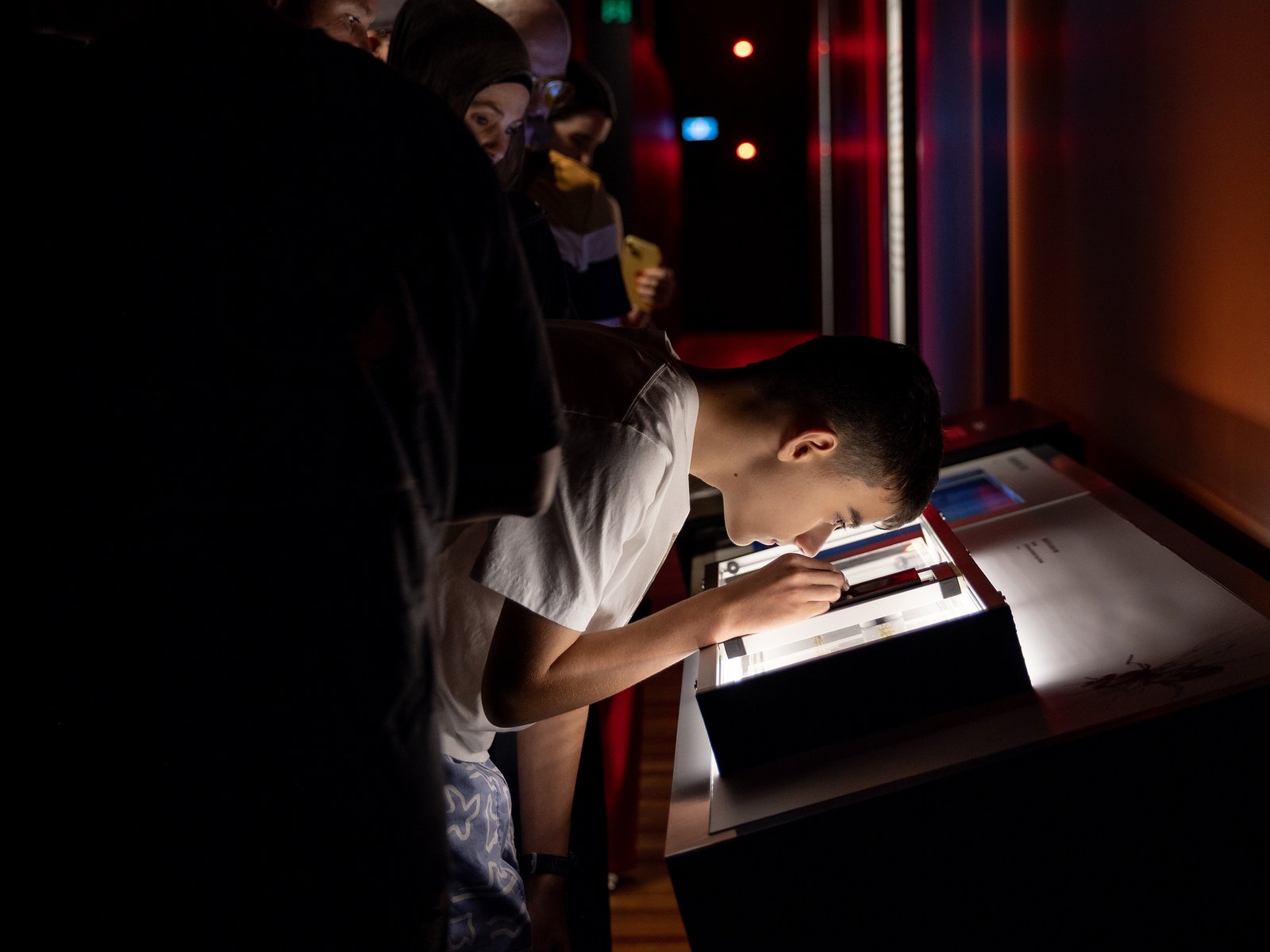
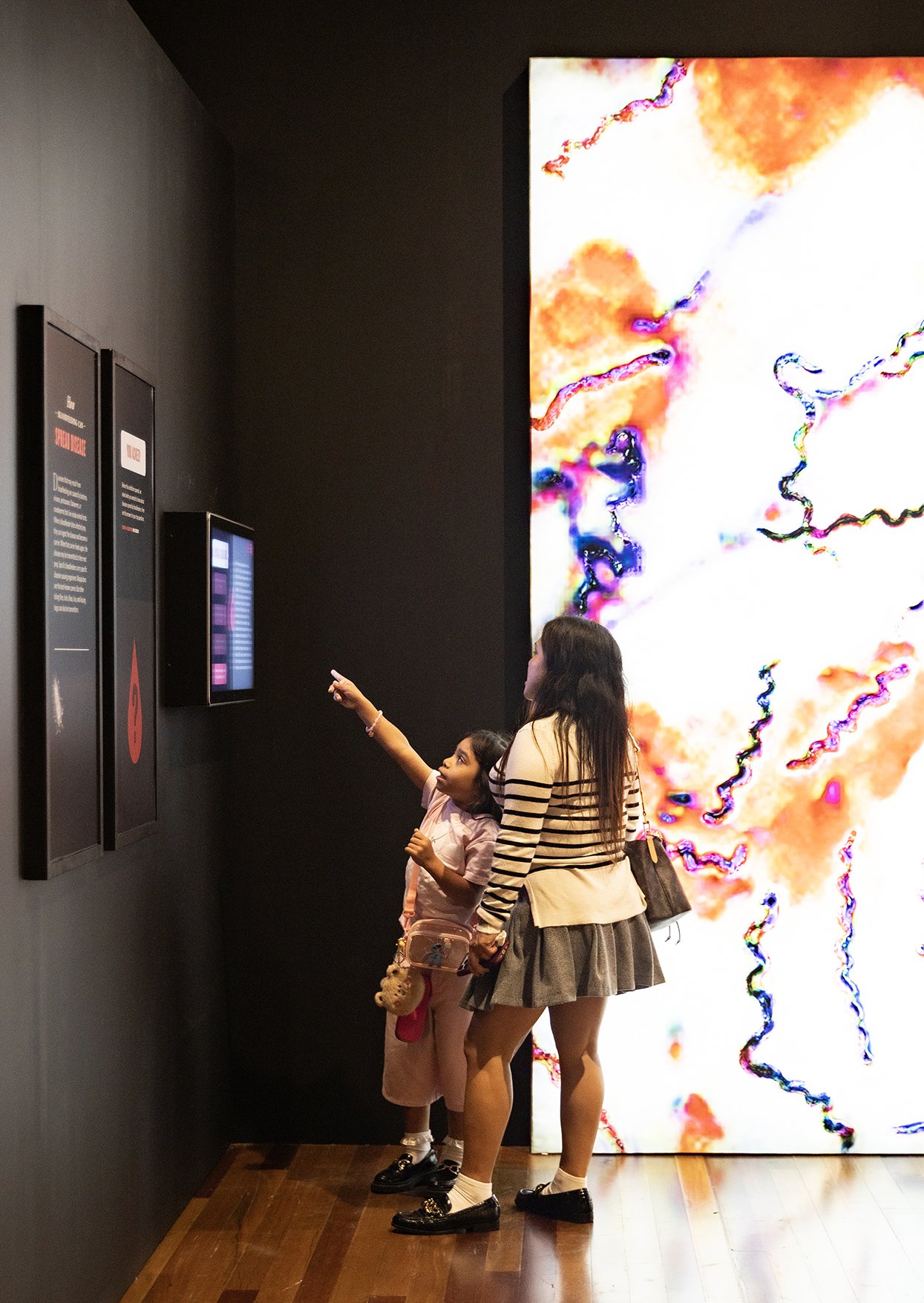
From leeches to lampreys, and mosquitos and mites, this science and pop culture exhibition was developed by the Royal Ontario Museum (ROM), Toronto, Canada, featuring interactive displays, larger-than-life installations, specimens and historic medical artefacts that explain how tiny micro-predators have evolved to dominate the planet.

© Australian Museum
Director and CEO of the Australian Museum, Ms Kim McKay AO, said that for the first time, the exhibition will also feature a special section focusing on Australia’s homegrown bloodsuckers, incorporating the latest research from Australian Museum scientists.
“The Bloodsuckers exhibition gives visitors a rare opportunity to understand the remarkable biology behind what we too often dismiss as a nuisance. Whether a mite, tick or a leech, these ingenious creatures have developed highly specialised and sophisticated ways to live with hosts, access blood and survive. The essence of this extraordinary exhibition is the power of evolution in action.
“Australia is known across the globe for its beautiful environment, but also its biting insects. We have drawn upon the Australian Museum’s scientific research adding a new element to the exhibition that demonstrates how bloodsuckers have adapted to this unique habitat,” Kim McKay said.
© Australian Museum
© Australian Museum
Australian Museum Chief Scientist Professor Shane Ahyong said the Bloodsuckers exhibition explores both the biology of blood-feeding and the extraordinary adaptations that make it possible.
"Blood-feeding is one of nature's most sophisticated evolutionary strategies. It has taken millions of years to acquire the skill, from developing specialised piercing mouthparts to saliva containing anticoagulants and anaesthetics. It gives you a whole new insight into that mosquito about to land on your arm," Professor Ahyong said.
Senior Curator of Entomology at Royal Ontario Museum, Doug Currie, said the exhibition reveals how diverse and wide-ranging blood feeding is throughout time and geography.
"Bloodsuckers have elicited both fear and wonder in humans across history and cultures. By learning more about these creatures, visitors may come to appreciate that some things that seem unpleasant on the surface are also deeply important," Mr Currie said.
© Australian Museum
Bloodsucker facts…
- Vampire bats are the only mammals that survive entirely on blood
- Only female mosquitoes drink blood, using it to nourish their eggs inside of their bodies
- Evidence shows that leeches were used as bloodletting instruments from around 400 BCE
A rich learning experience spanning not only the scientific but also History and English curricula, the exhibition includes a section focusing on how bloodsuckers have also impacted cultural history and pop culture, through mythology to modern storytelling, including the iconic Dracula. Free school holiday Bloodsucker-inspired activities will also take place throughout April.
Tickets are priced from $31 for adults and $20 for children 4-15 years, purchase via the Australian Museum website.
Bloodsuckers: Nature's Vampires is proudly supported by hotel partner, Pullman Sydney Hyde Park. Pullman Sydney Hyde Park is offering family-of-four accommodation packages for Australian Museum visitors, including tickets to Bloodsuckers: Nature's Vampires exhibition, buffet breakfast, overnight accommodation, and an activity pack for children. The hotel is only a three-minute walk from the Australian Museum. Bloodsuckers: Nature’s Vampires is also proudly supported by PetSure, connecting insurance, innovation and veterinary care to help improve access to pet healthcare in Australia.
High-res images, b-roll and interviews available on request.
Media Enquiries:
- Connor Parissis, Senior Media and PR Advisor, Original Spin
connor@originalspin.com | 0424 739 471 - Amber Forrest-Bisley, Company Director, Original Spin
amber@originalspin.com.au | 0405 363 817
Download the media release
© Australian Museum
About the Australian Museum
The nation’s first museum, the Australian Museum (AM) was founded in 1827 and will mark its 200-year milestone in 2027. It is internationally recognised as a natural science and culture institution focused on Australia and the Pacific. The AM holds more than 22 million objects and specimens in its collection, the largest in the Southern Hemisphere. It pursues a mission to ignite wonder, inspire debate and drive change. The AM’s vision is to be a leading voice for the richness of life, the Earth and culture in Australia and the Pacific and commits to transforming the conversation around climate change, the environment and wildlife conservation; being a strong advocate for First Nations cultures; and continuing to develop world-leading science through the Australian Museum Research Institute (AMRI). The AM is not only a dynamic source of reliable scientific information on the environmental and social challenges facing our region, but also an important site of cultural exchange and learning. Visit www.australian.museum
About ROM
Opened in 1914, ROM (Royal Ontario Museum) showcases art, culture, and nature from around the world and across the ages. Today, ROM houses more than 18 million objects, from Egyptian mummies to contemporary sculpture, from meteorites to dinosaurs. ROM is the most visited museum in the country and one of the top ten museums in North America. It is also the country’s preeminent field research institute, with a diverse range of experts who help us understand the past, make sense of the present, and shape a shared future. Just as impressive is ROM’s facility—a striking combination of heritage architecture and contemporary, cutting-edge design, which marks the Museum as an iconic landmark and global cultural destination. On now, Sharks. Tickets on sale now at rom.ca.
About Pullman Sydney Hyde Park
Pullman Sydney Hyde Park blends contemporary style with exclusive service, providing an urban escape in the heart of Sydney’s CBD. Positioned opposite Hyde Park, this premium hotel caters to both business and leisure travellers with 241 modern rooms and suites, offering breathtaking views of the city and park. Guests can enjoy premium amenities including a rooftop pool, fitness centre, and a variety of dining options. As part of Pullman Hotels & Resorts, a global brand with over 140 properties worldwide, Pullman Sydney Hyde Park delivers an energising, connected experience that embodies the spirit of modern travel. Pullman is part of Accor, a world-leading hospitality group with over 5,200 properties across 110 countries.
