Historical expeditions
Look back at some of the most important (and most disastrous) historical expeditions from the past two centuries.
![M00511 Snake [specimen] field trip](https://media.australian.museum/media/dd/thumbnails/images/M00511_Snake_specimen_field_trip.width-1600.7594fa1.jpg)
![AMS391/ M00189 Thistle Island [Mammalogy field visit to Spencer Gulf]](https://media.australian.museum/media/dd/thumbnails/images/AMS391_M00189_Thistle_Island_Mammalogy_field_.width-1600.080f37b.jpg)
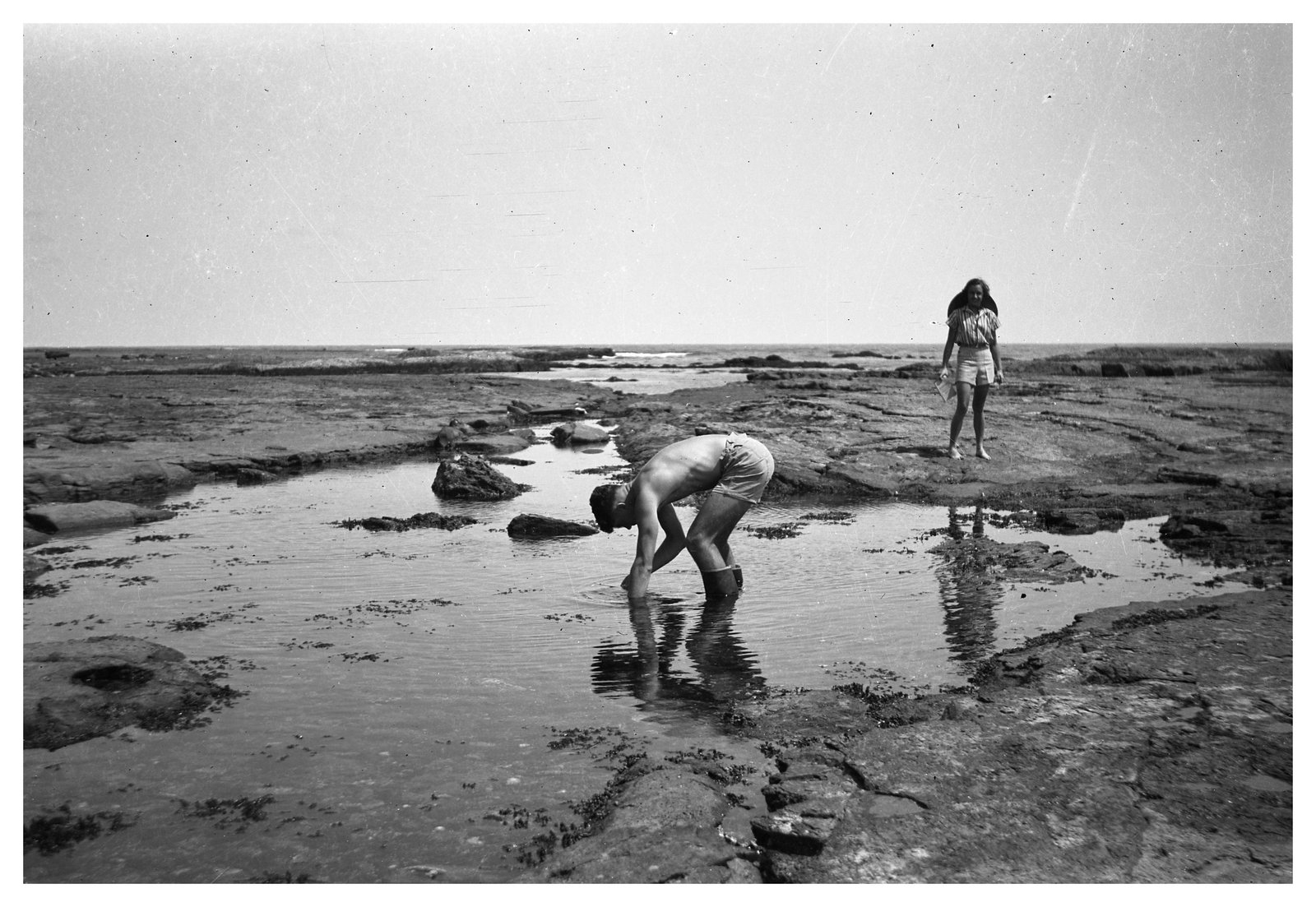
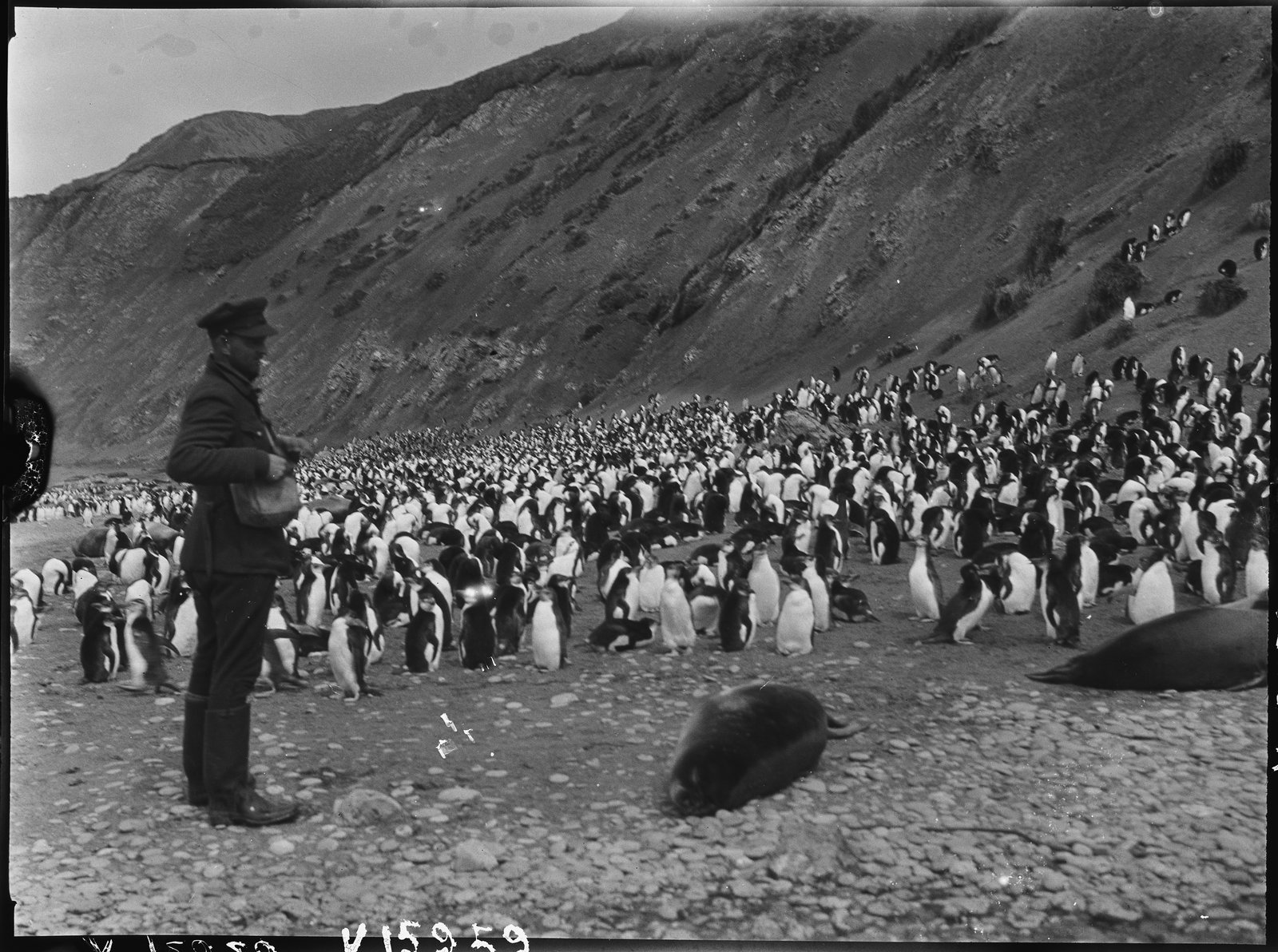
For nearly two centuries, expeditions have played a key role in building the Australian Museum's incredible scientific and cultural collections and increasing shared knowledge about Australia's natural environments.
Beginning with the Australian Museum's first official (and fateful) expeditions in 1829 and 1831, museum staff frequently organised expeditions throughout the 19th and 20th centuries to gather specimens, document places and contribute to scientific research. The Australian Museum also maintained strong relationships with independent expeditioners who chose to donate or sell their finds to the museum to share them with a wider public.
Together, these early expeditions helped establish the Australian Museum as a place where collections from Antarctica to Lord Howe Island and beyond could be seen and studied. At the same time, they often caused lasting harm to local communities and ecosystems. On some early expeditions, collectors removed cultural objects and ancestral remains without permission, and in some cases through violence. On others, vulnerable animals were collected in extraordinary numbers for both museum scientific collections and to create reserve collections for trade and exchange.
The Australian Museum recognises this dual history of its early expeditions and has an ongoing commitment to collaborate with impacted communities, such as via our repatriation program. Today's contemporary expeditions are firmly grounded in partnership, animal ethics and conservation and focused on collaborative knowledge-building.
Past expeditions
Explore some of the historical Australian Museum expeditions below, curated by the Australian Museum Archives.