Modelling scientific investigations
 Click to enlarge image
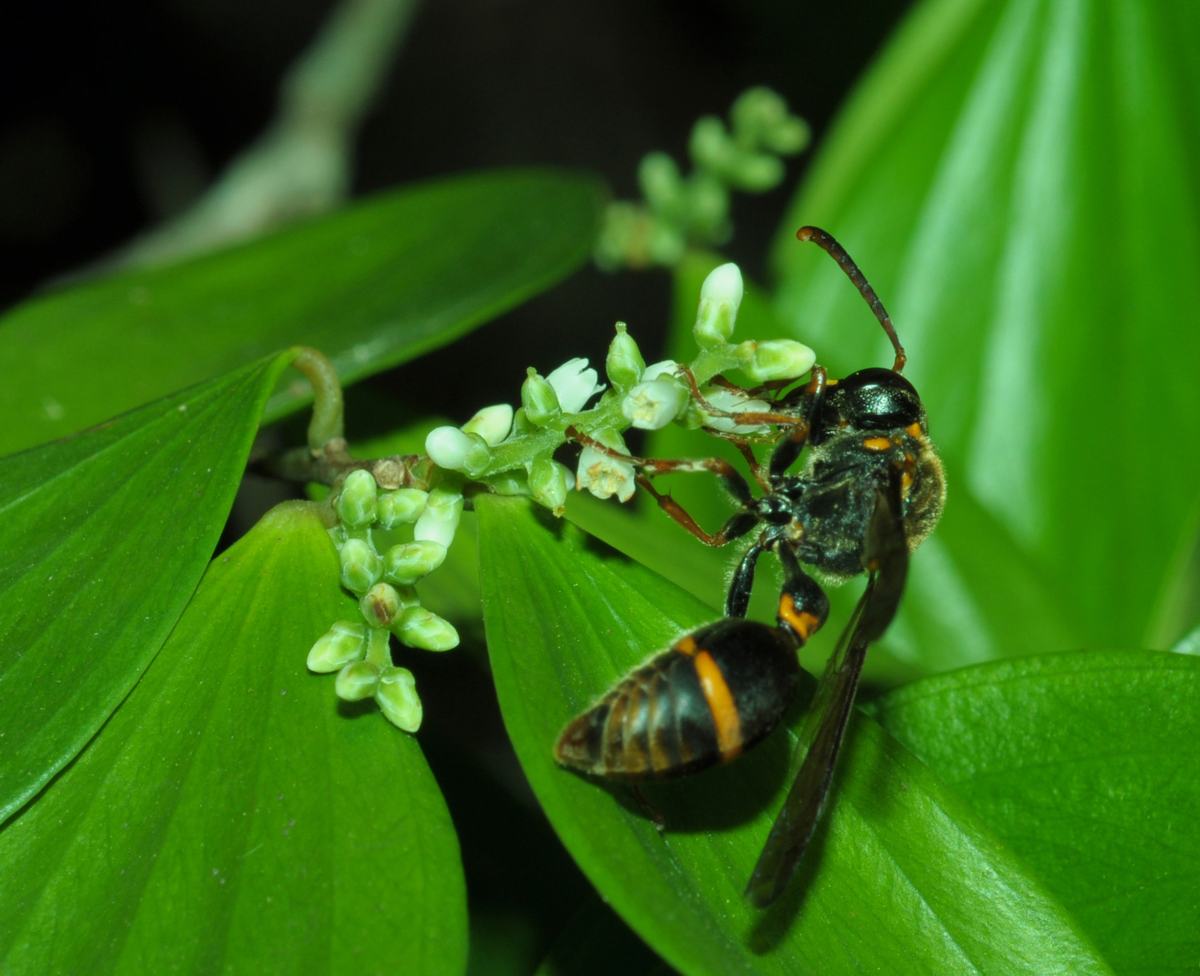
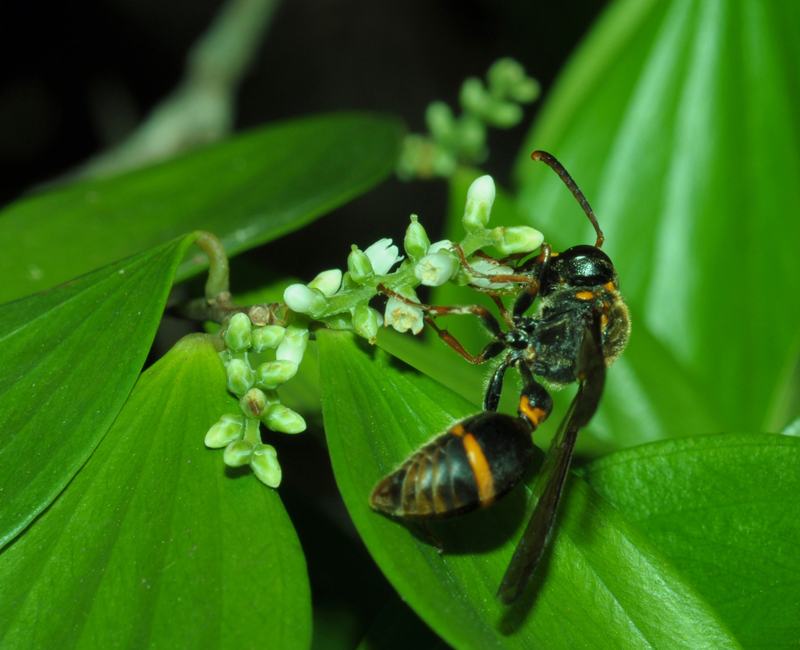
Deuterodiscoelius ephippium (Vespidae) foraging on Trochocarpa laurina – Ericaceae/Epacridaceae. Vespidae, and other large-sized wasps, are frequent visitors to flowering rainforest trees and shrubs with easily accessible ‘open’ flower structures. Many large wasps are important agents of pollen transfer between co-flowering plants.
Image: Geoff Williams
© Geoff Williams
© Geoff Williams
This information forms part of the Plant2pollinator resources.
| Question | Purpose of question |
| I am going to investigate... | Students focus on the problem and formulate a question for investigation. |
| What do I think will happen? | Students make a prediction. |
| Why do I think it will happen? | Students justify their prediction using existing knowledge, beliefs and experiences. Prior knowledge is activated. |
| What will I need? | Students identify materials and equipment needed for their investigation |
| How will I make it a fair test? | Students refine their plan to ensure that tests are fair and variables are controlled. |
| What happened? | Students record their observations and measurements. |
| Was this what I expected? | Students compare what happened with their prediction. It may force them to confront any discrepancies between their beliefs and their data. |
| Why did it happen? | Students construct an explanation for their data. |
| What was difficult for me? | Students reflect on what they did, how they did it, what was difficult and, perhaps, what was not done well. |
| How I could improve this investigation? | Students identify weaknesses in their investigation and outline improvements that could be made. |