Australian Pipit
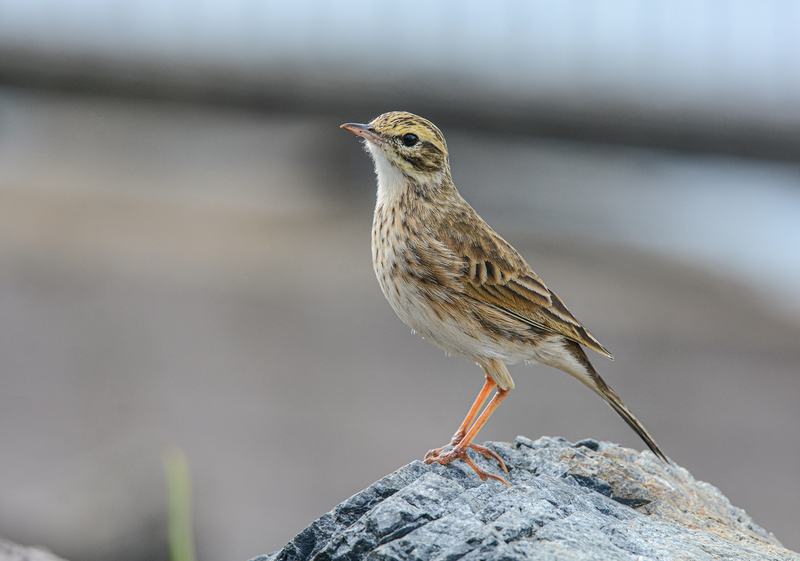 Click to enlarge image
CC BY-NC 4.0
Fast Facts
-
Classification
- Genus
- Anthus
- Species
- australis
- Family
- Motacillidae
- Order
- Passeriformes
- Class
- Aves
-
- Size Range
- Up to 18 cm
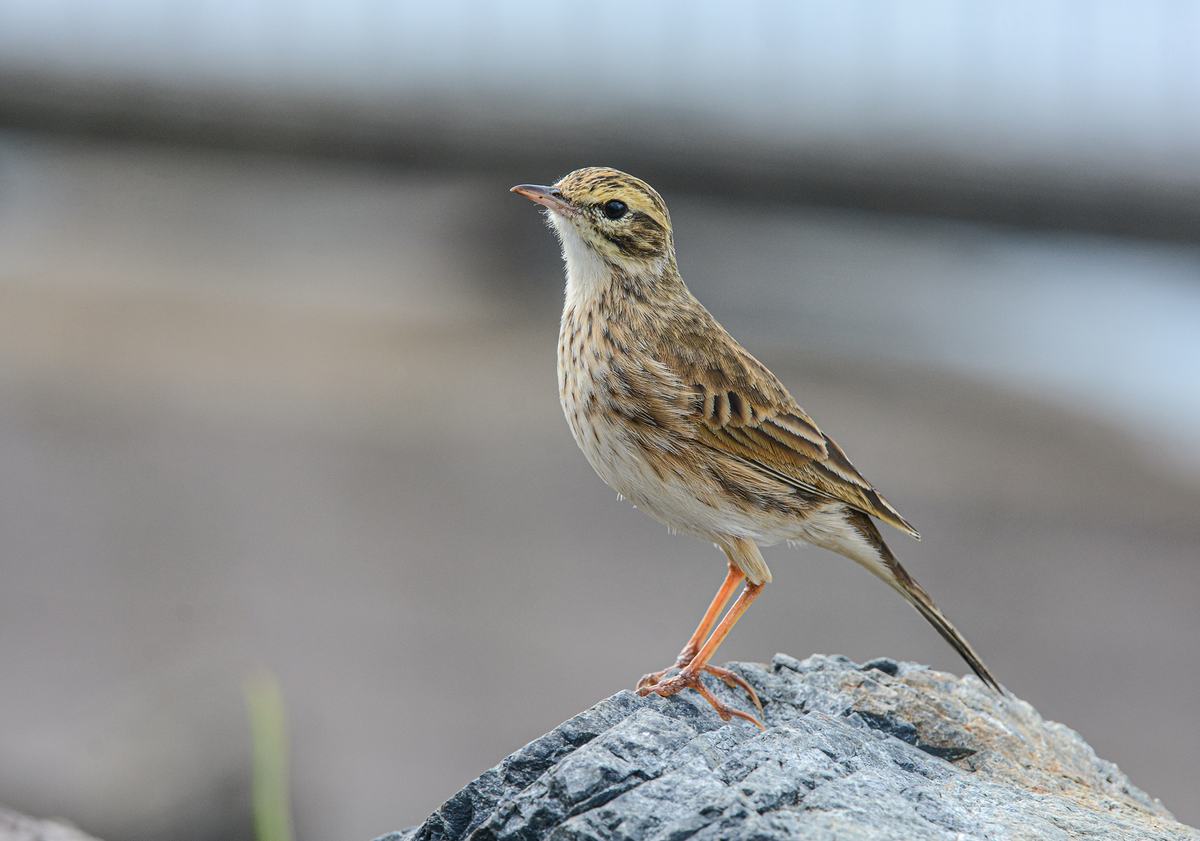
The Australian Pipit is a ground-dwelling bird found across Australia in habitats ranging from saltmarshes to dry shrublands. It's easily recognised by its streaked back, pale eyebrow stripea and pink-grey bill and legs.
Identification
Featuring darker brown streaks on its upperparts and pale creamy-white stripes above the eyebrows and below the cheeks, the Australian Pipit blends easily into grassy, open terrain. The underparts are creamy white, spotted and streaked dark on the breast, while the wings and tail are dark brown, with the outermost tail feathers white.
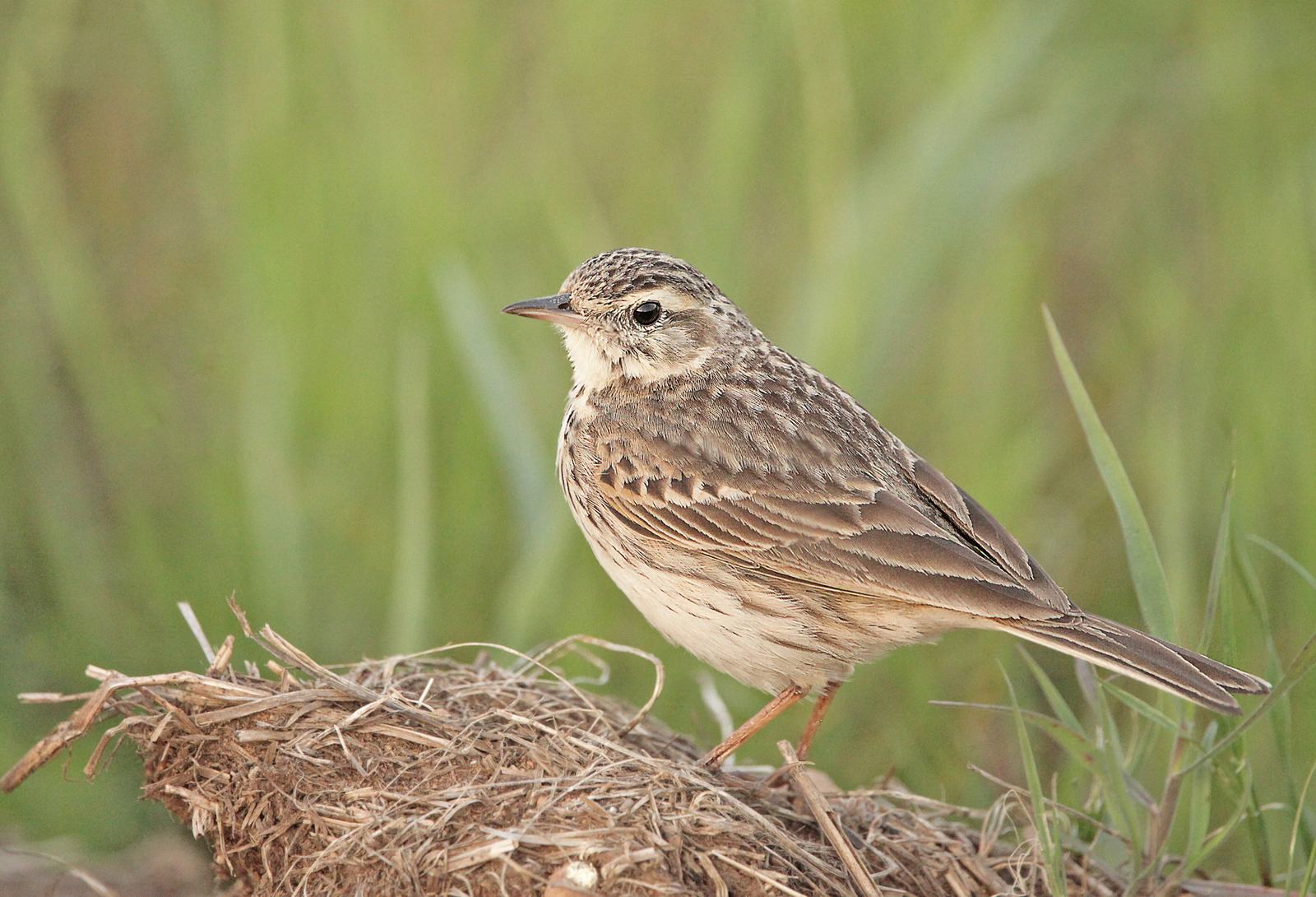
CC BY-NC 4.0
Habitat
The Australian Pipit favours open country, occupying a range of habitat types from saltmarshes to dry shrublands and open woodland clearings.
Distribution
Found across Australia
Feeding and diet
Their diet consists of insects and their larvae, as well as seeds. It forages in a jerky, darting motion, stopping to perch on low stones or shrubs, wagging its tail up and down.
Reproduction and life cycle
Breeding behaviours
Breeding pairs are formed after an elaborate courtship ritual, with males making swooping dives from a height, accompanied by a sweet trilling song. The nest is a depression in the ground, sometimes sheltered by a grass tussock, stone or piece of wood, and lined with grasses and hairs. The female incubates the eggs and feeds the young.