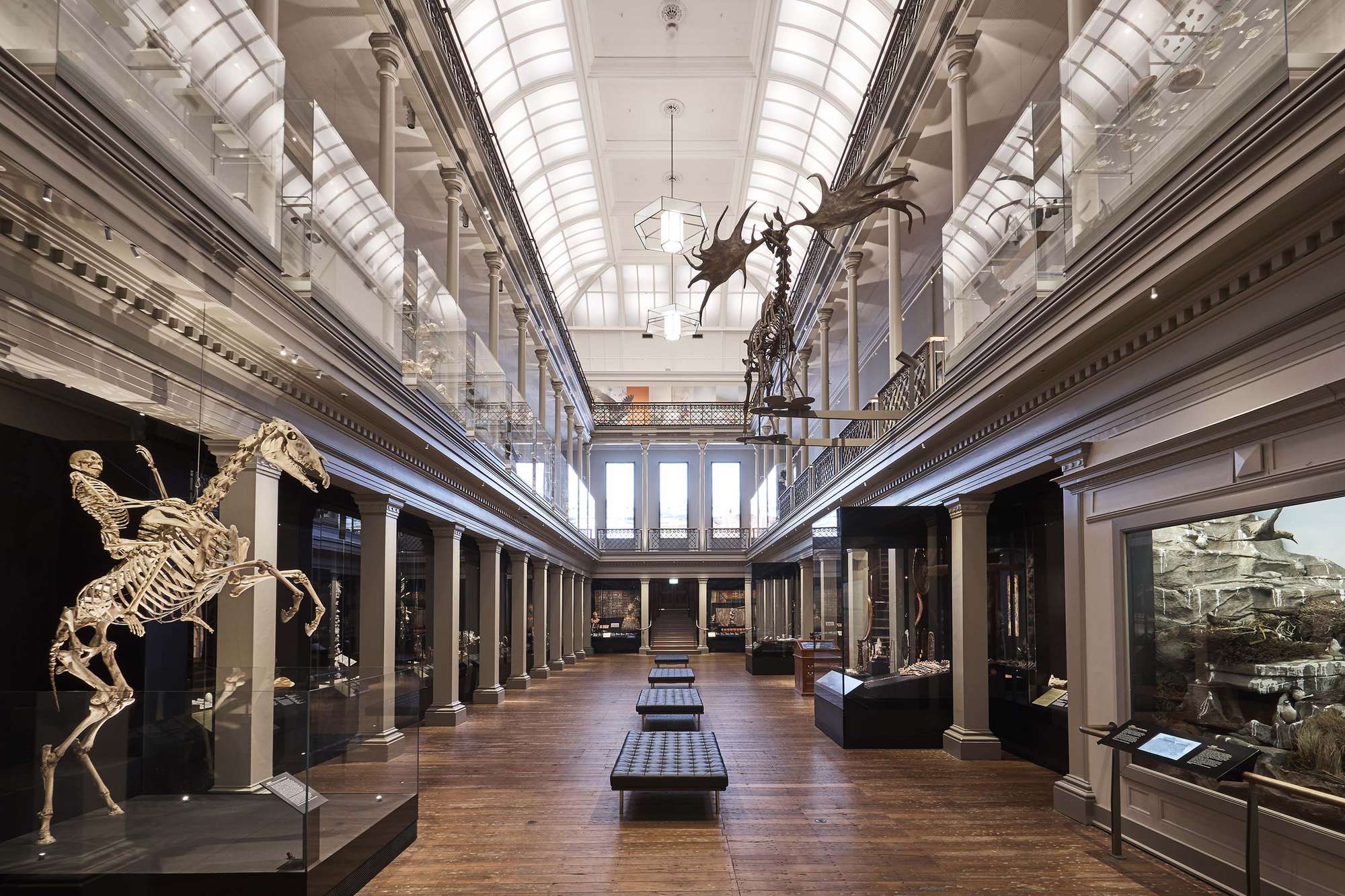
Morning Star Pole case
From a Morning Star Pole guiding souls to their resting place, to shell dolls used as children's toys in Arnhem Land, this case brings together objects that reveal the richness, diversity and continuity of First Nations cultures across Australia.
Story of the case
Listen to the audio guide of the Morning Star Pole case.
Audio Transcript
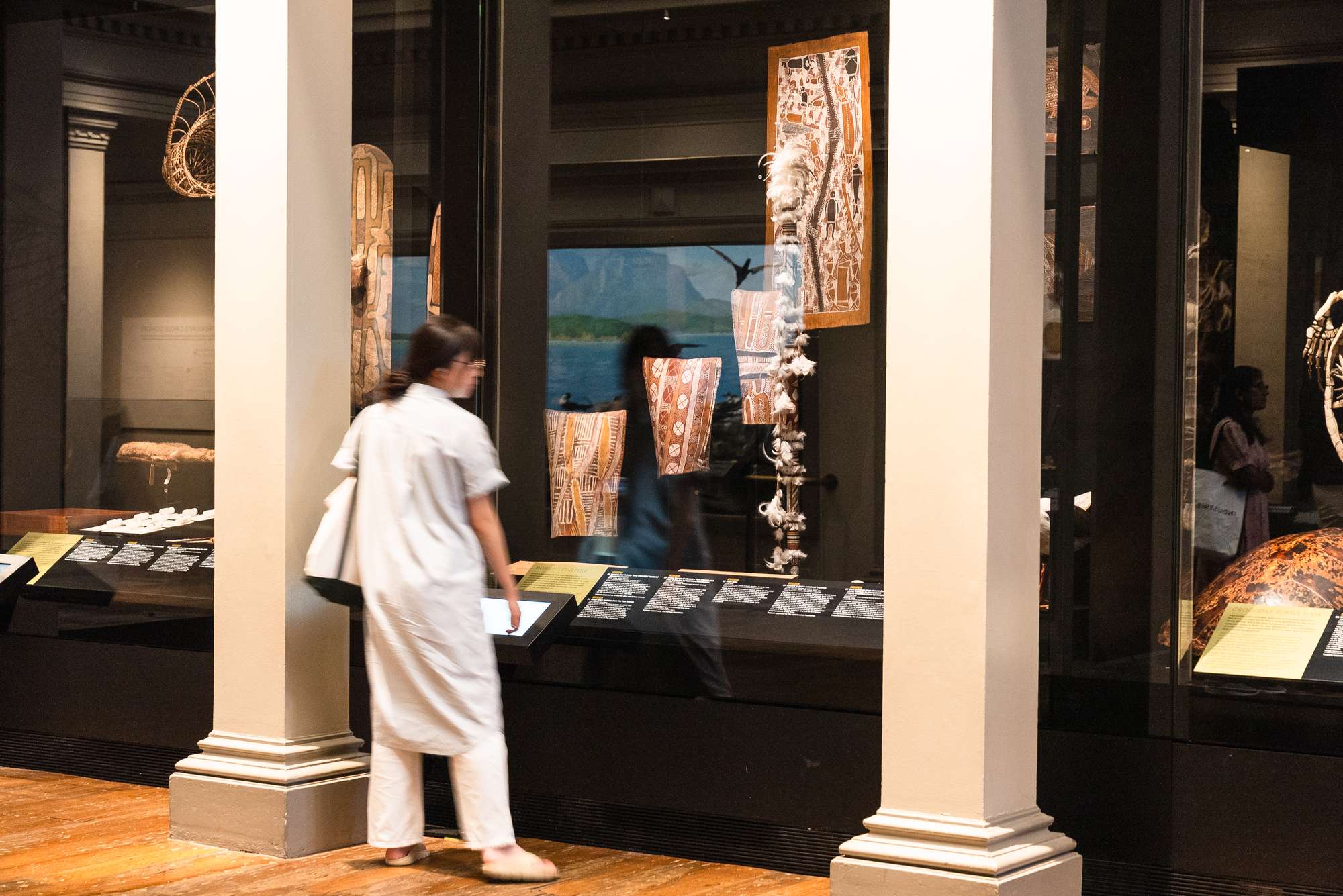
This display presents several examples of the Museum’s important collections of Indigenous Australian artefacts. These cultural objects are easily admired for their beauty, but their true value and meaning are to be found elsewhere, in the central roles they play in the cultures and beliefs of their creators.
Pointing heavenwards in the centre of this showcase is a morning star pole from Elcho Island in the Northern Territory. In the mythology of the Dhüwra Yolngu, Banumbirr, the morning star, came from the east across the sea, creating the land and the animals as she passed. In her trail of light, Banumbirr gathers up the souls of the dead and returns them to their resting place. The feathers on the top of the pole represent the star, the long arms its trail of light and the short arms the cradle from which the spirits overlook the earth.
The Banumbirr ceremony reflects a close knowledge of the natural world. We know the morning star as the planet Venus, and Banumbirr ceremonies are timed with the appearance of Venus ahead of the rising sun, which varies from year to year.
The two bark paintings on the back wall to the right of the morning star pole come from Groote Eylandt, the home of the Anindilyakwa people. The paintings depict animals important in the lives or beliefs of the Anindilyakwa – including kangaroos, jellyfish, crabs, fish, lizards and turtles – as well as local landscapes and symbolic motifs. More than mere pictures, they embody an intimate knowledge of the local environment, and in part serve to record this knowledge for the next generation.
To the left of the morning star pole are tunga, or painted bark baskets from the Tiwi people of Bathurst and Melville Islands. Again the true value of these beautiful objects lies in their role in the ceremonies of their creators. During funerals tunga are placed on top of tutini, or grave posts, as gifts for the spirits of the dead as they travel up the tutini from the grave to the spirit world.
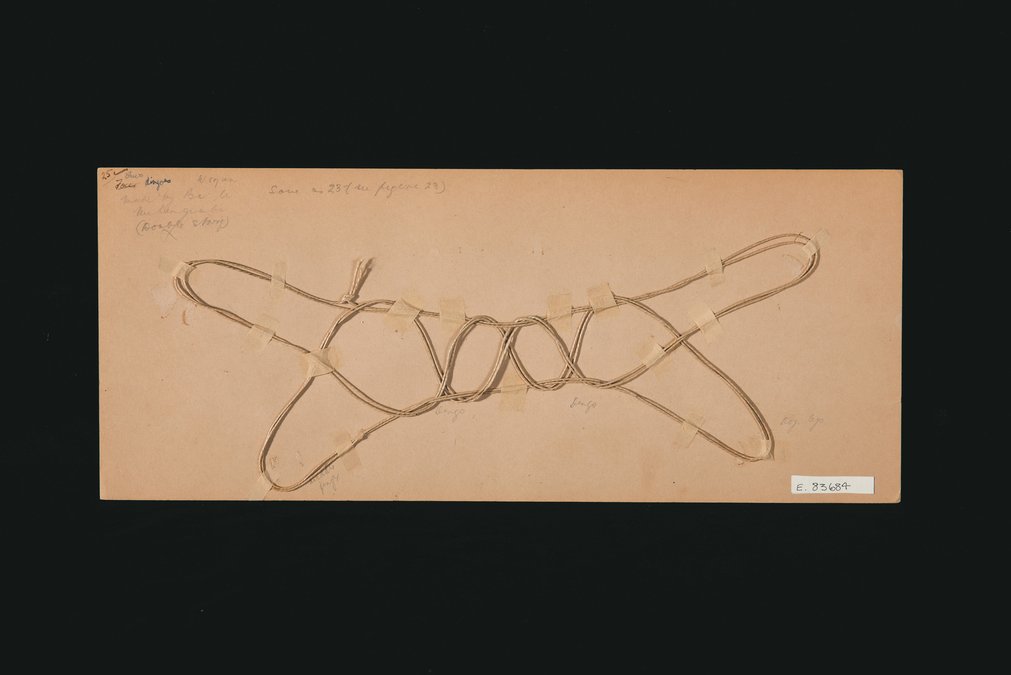
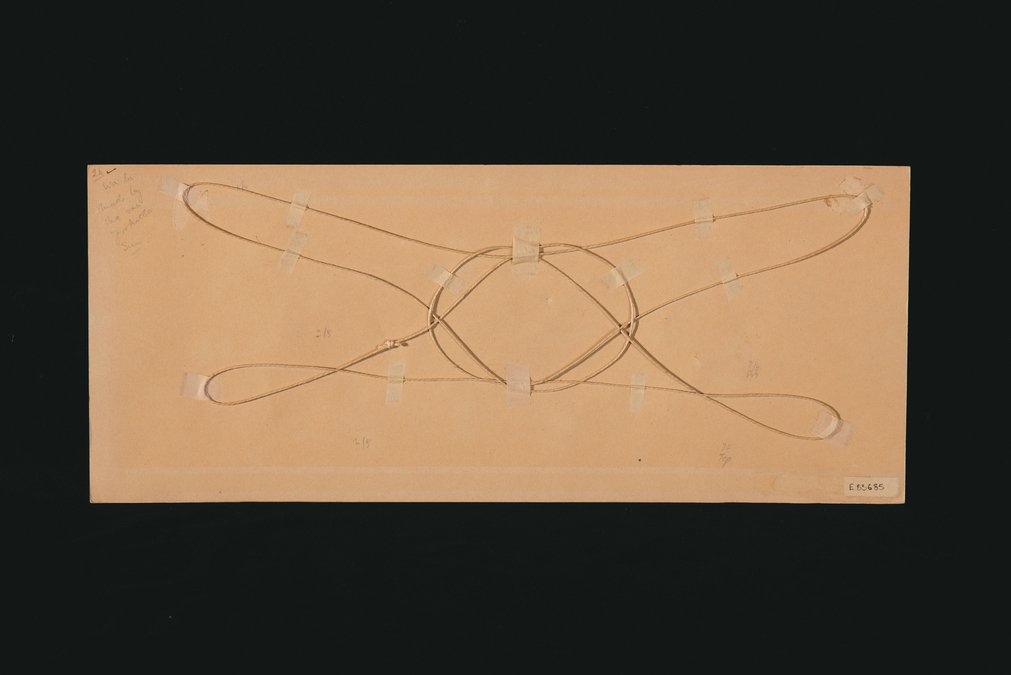
Matjka-wuma (string figures)
Who’s the painted cave man
Who lives in Arnhem Land
You’ll find it’s Fred McCarthy
Tying strings around his hand.
These words are from the journal of Frederick McCarthy, an Australian Museum anthropologist who was part of a 1948 expedition to Arnhem Land. The Australian Museum has a collection of 192 string figures collected by McCarthy from the Yolngu people at Yirrkala, in the Northern Territory. This collection is the largest-known of its kind collected from one community at one time in the world.
AM Treasure Circle
Treasure supported by Carrawa Foundation.
Shell dolls
These charming objects were used as toys by children at Hemple Bay, Groote Eylandt, in the Northern Territory. Shell dolls were played with by both girls and boys, and were a way of teaching young children an understanding of different family groupings. The shells represented the different members of their families, and were moved about in various family and social groupings. The larger shells represented the parents and adults, while the smaller ones symbolised the children. Thirty-two shell dolls were collected by Australian Museum anthropologist Frederick McCarthy during the 1948 American–Australian Scientific Expedition to Arnhem Land. Most of the dolls consist of unornamented conical-shaped shells, some of which were wrapped in small pieces of variously coloured cloth.
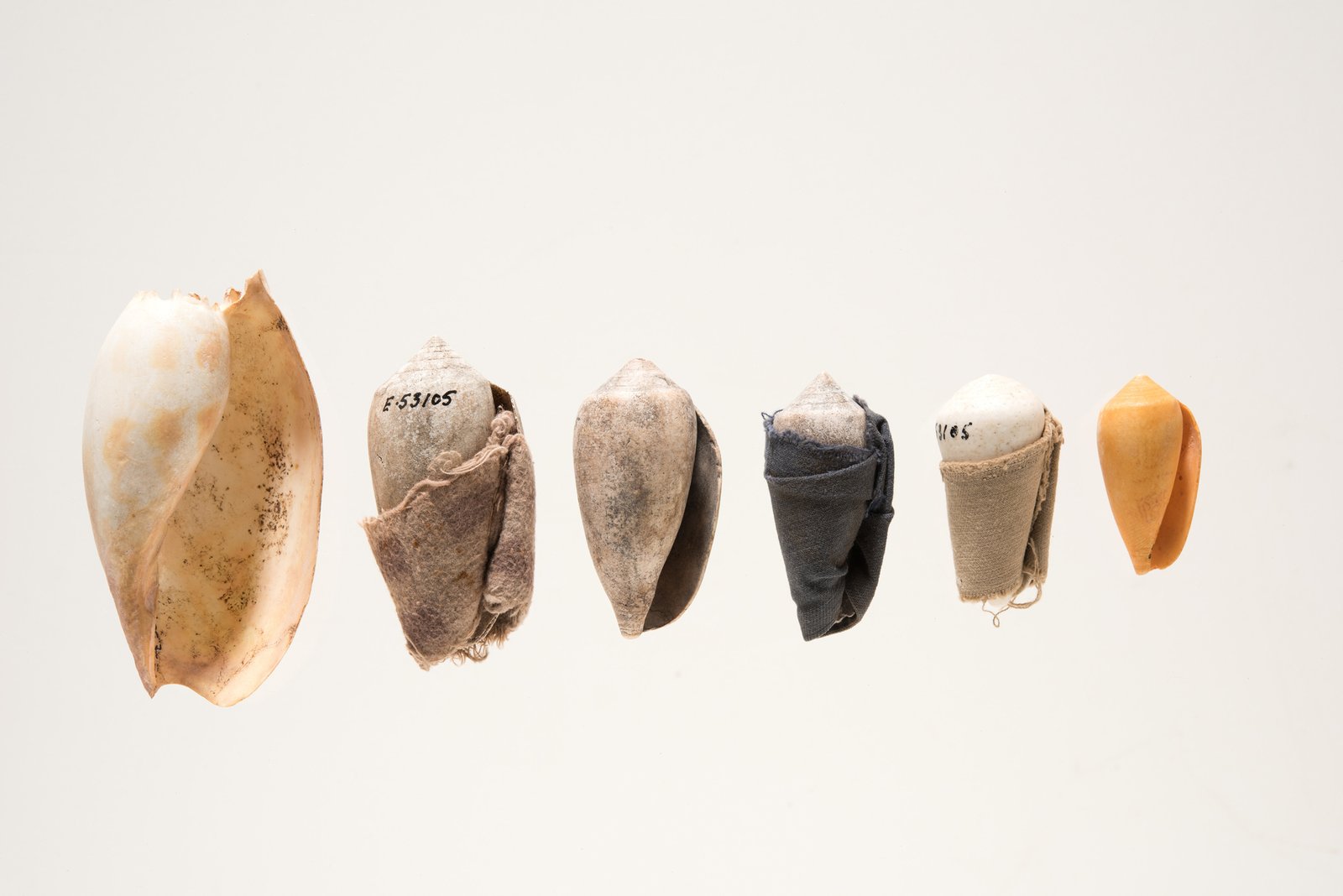
Shell dolls. Shell, cloth. Hemple Bay, Groote Eylandt, Northern Territory. Collected by Frederick McCarthy during the American–Australian Scientific Expedition to Arnhem Land, 1948. Registered 1949. AM Aboriginal & Torres Strait. Islander Cultural Collection. E053105.
Image: Stuart Humphreys © Australian MuseumAM Treasure Circle
Interested in supporting this Treasure? Contact the Australian Museum Foundation to discover how.