A History of the Long Gallery and the Australian Museum
Australia's first purpose-built museum gallery has captivated visitors since its opening in 1857. From live animals in the basement to a stunning heritage restoration, the Long Gallery's history is as fascinating as the treasures it holds.
In May 1857, the Australian Museum opened the doors of the Long Gallery – its first purpose-built gallery – to an eager Sydney public.
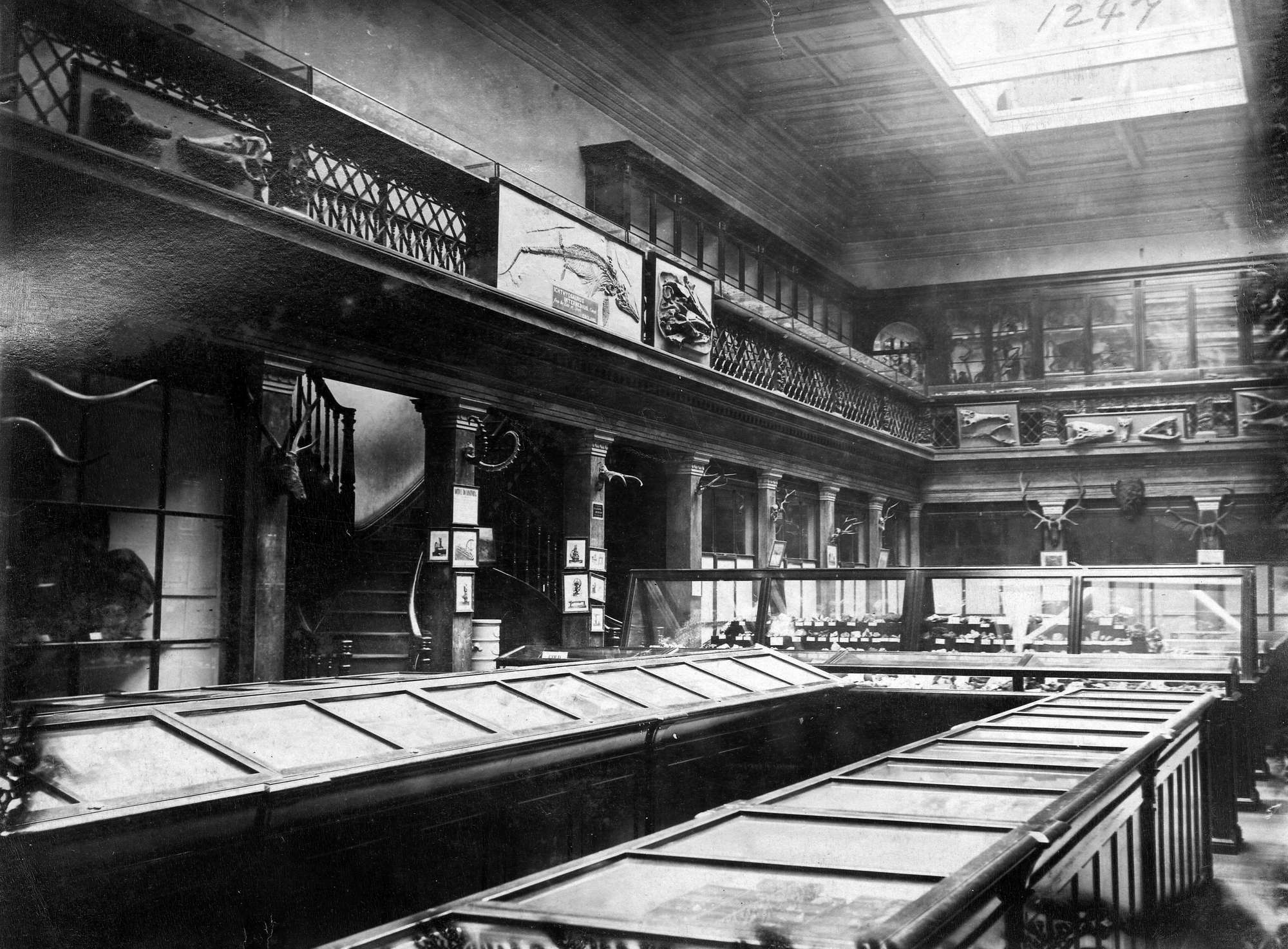
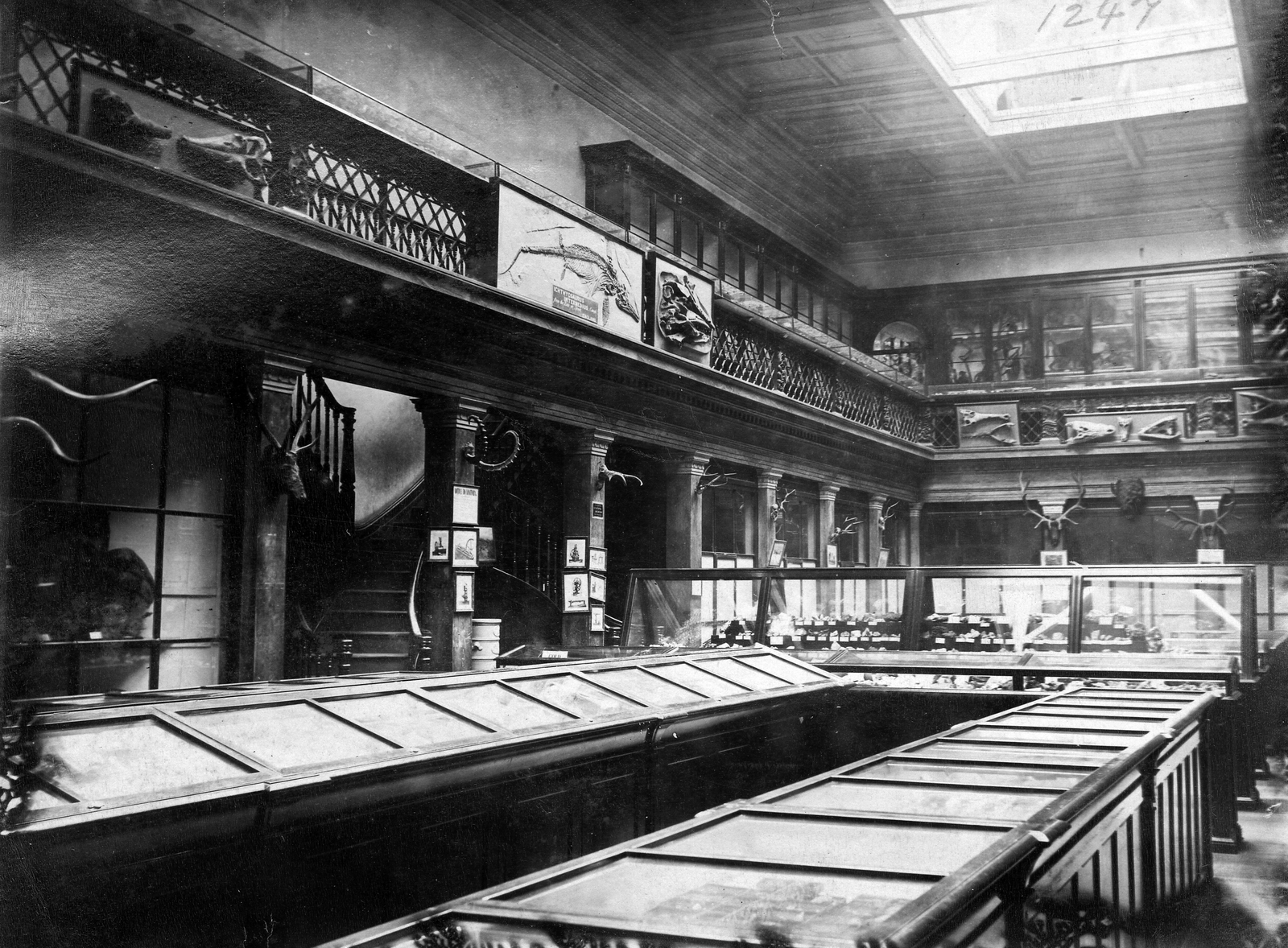
Inside, the gallery was cramped and cases were stuffed full. It was crowded and dim, lit only by gas lamps and a central skylight. There was no access to the upper galleries, as funds had run out before a staircase could be built. But, unconcerned, the public enthusiastically embraced this proudly Australian public display of the natural history and wonders of their colony. In the first week, at a time when Sydney’s population stood at just 45,000, an astonishing 10,000 people flowed through the doors of the Long Gallery.

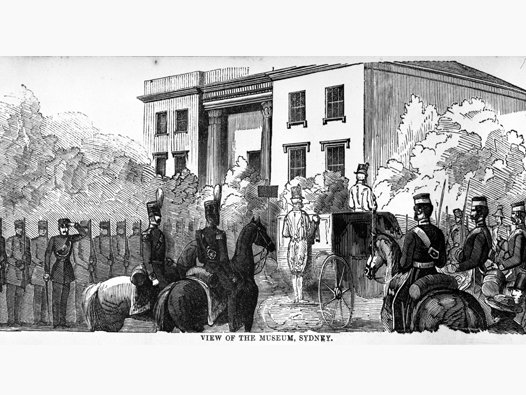
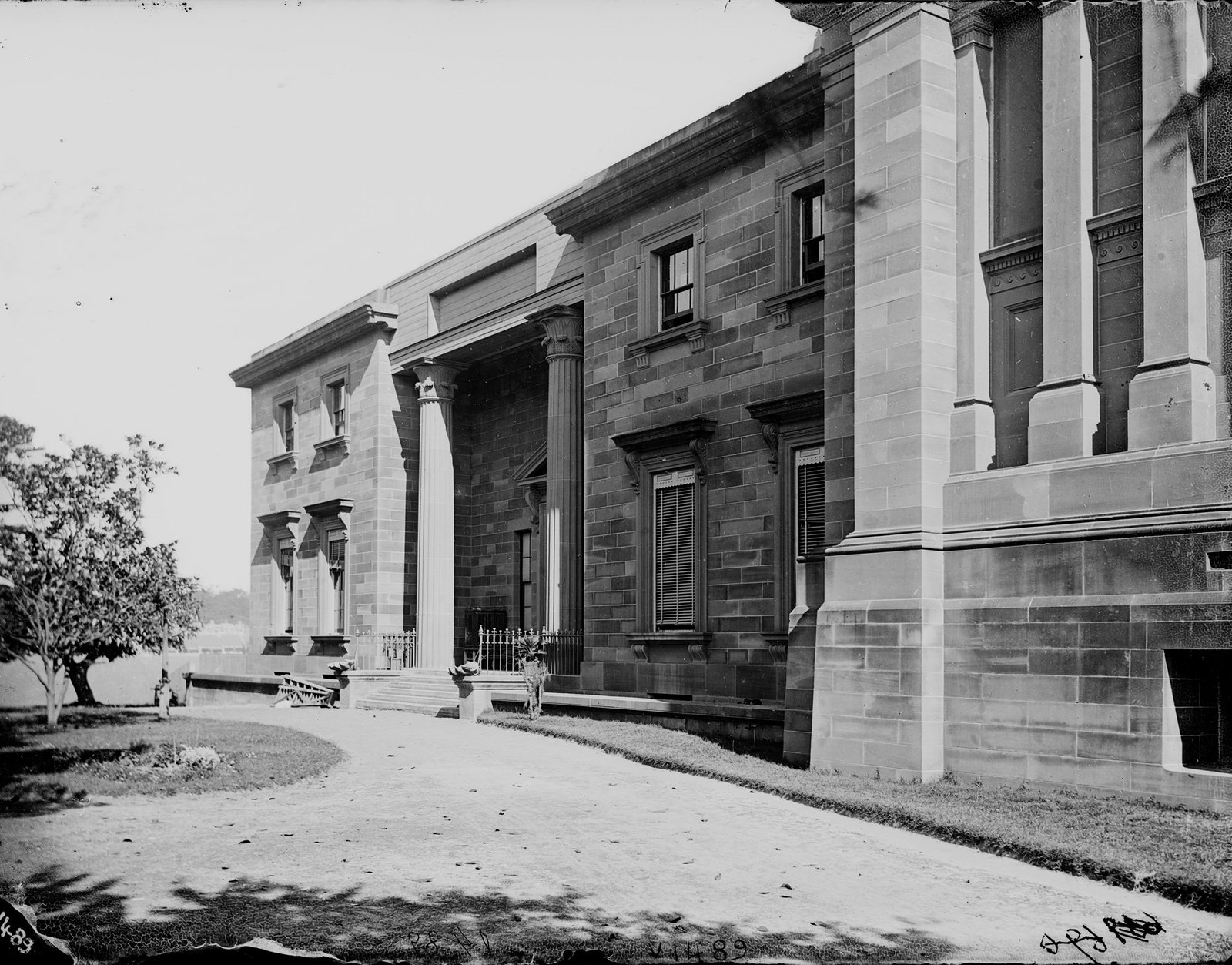
It had been 30 years since the idea of a museum for the new colony first gained official approval. Since 1829, the Museum, its irregular staff and its small displays of ‘rare and curious specimens of Natural History’ had operated from makeshift premises across Sydney’s city centre, from Bent Street to Parliament House and to the Darlinghurst Gaol. The Colonial Museum acted mostly as a clearing house, and the best specimens continued to flow to eager collectors and imperial institutions in Europe.
By the 1840s, attitudes had changed. The colony was on a more secure financial footing and popular interest in science was growing. In 1846, the NSW Government allocated funds for the Museum’s first permanent building and, by 1855, after a protracted and controversial construction period, a modest, purpose-built building stood on the site of a former convict garden facing William Street.
From the time that it opened, the construction of cases and preparation of displays in the Long Gallery could not keep pace with the specimens pouring into the Museum. They were organised by taxonomies, after the model set by the British Museum in London, but, because classification was always in flux, exhibits were sometimes confused. Also, there were no storage facilities and everything had to be on display at once. For a public thirsty for knowledge and acknowledgment of their new continent, this encyclopaedic arrangement was enthralling. Visitors didn’t care about the niceties of scientific classification, and the curious entanglements of objects intrigued and delighted them.
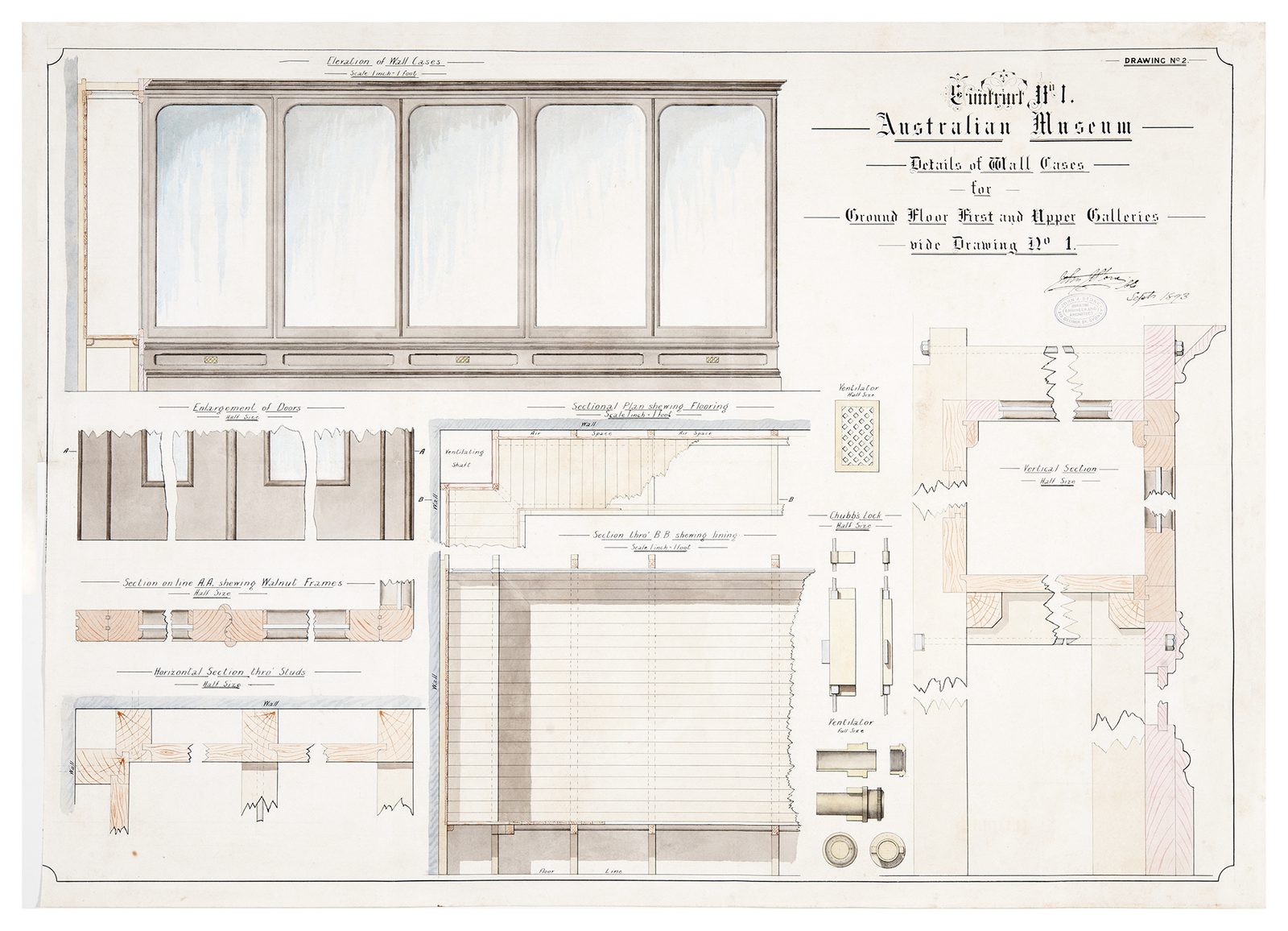
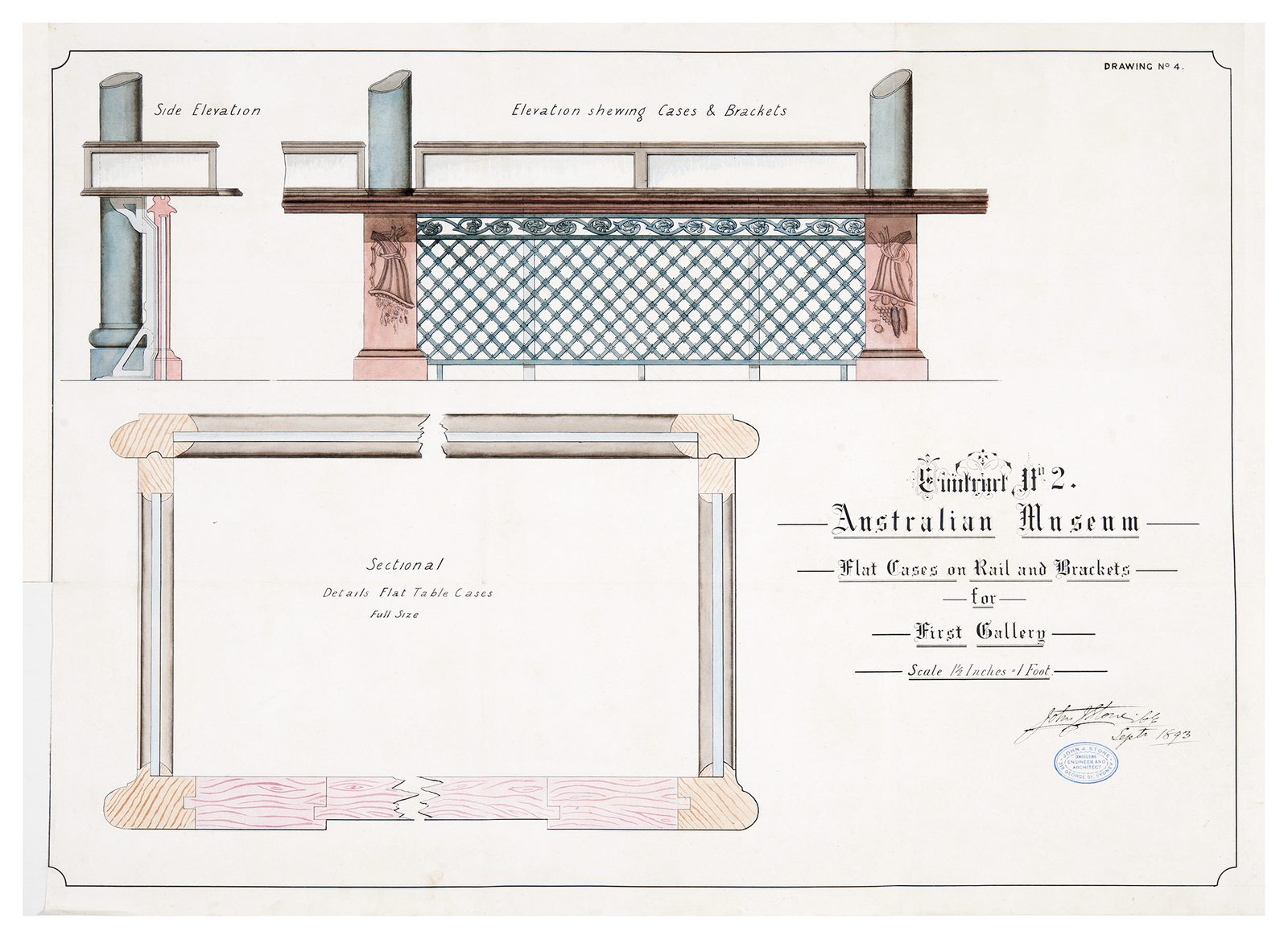
Designs for balustrade cases and wall cases for the new third-floor gallery, 1893.
Image: Henry Barnes © Australian MuseumIn 1864, 35,000 people visited the Museum. Opening hours were from midday until four o’clock. A newspaper article describes almost continuous glass-fronted showcases lining the walls of the ground-floor hall, with a further 11 flat-top cases crowded onto the floor. There were displays of marsupials – ‘all objects properly labelled’ – rodents, dogs and ruminating animals, fish, minerals and rocks, shells, insects, skulls and skeletons, with examples of Australian timbers around the edge of the room ‘wherever there is space’. Antlers and horns hung from the pillars. Casts of ‘ancient and modern’ statues had recently been moved to the boardroom, where they could ‘be viewed on application to the porter’.
In 1868, a grand new public wing was opened, turning the Museum’s face towards College Street, and tripling the exhibition space. Displays could now be spread across multiple galleries; the Long Gallery was rationalised and rearranged, with a staircase added to connect the two wings.
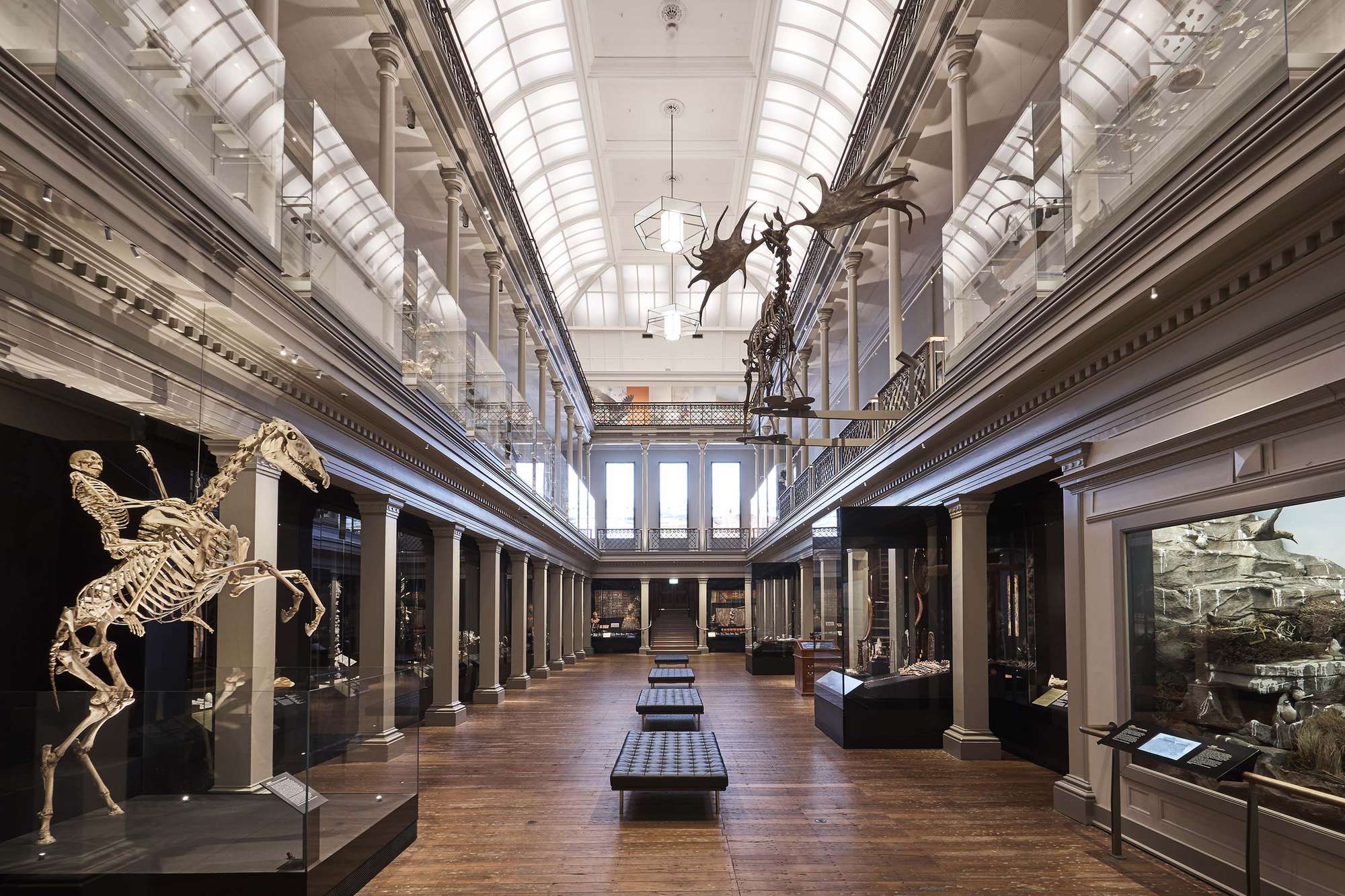
A third storey was added to the William Street wing in 1895, to align it with the larger College Street wing. The Long Gallery assumed the physical shape we know today – three stories high, light-filled and spacious. The Long Gallery became the Geological Hall – with fossils on the ground floor, minerals on the first floor and invertebrates in the new third-floor gallery. A glass roof allowed natural light to flood the space.
The Long Gallery was the polite, public face of the Museum, but beyond the gallery’s doors there were a further 11 rooms over two floors, plus the basement. In 1849, the Long Gallery was still under construction, but behind the scenes, humans and animals – live and stuffed – were already moving in. Curator W.S. Wall, his wife and children occupied the basement until the roof was finished the following year. By 1859, with town water and toilets only recently installed, three families were living in the building and tensions were rising.
Staff and their families continued to live at the Museum for 40 years, including Curator Simon Rood Pittard, his wife and eight children. Curator Gerard Krefft brought his wife, children and his own menagerie – dogs, geese, snakes, a giant tortoise and even an ‘educated pig from New Guinea’. And five of Curator Edward Ramsay’s six children were born at the Museum. Official duties were confined to the ground-floor rooms. The boardroom, with its high ceilings and generous, shuttered windows, was the Curator’s office and a public meeting room.
It was not until the 1880s that the last human residents moved out of the Lewis wing and the domestic and the scientific parted ways. Krefft’s aviary, constructed to fill the front door recess, was dismantled. In 1888, the Director’s first-floor bedroom, parlour, dining room and kitchen became scientific laboratories and also provided a place for the growing scientific library.
A sense of grandeur and wonder has been revived, and we can now imagine what those first visitors felt as they proudly viewed their first museum and its curiosity displays.
As the century progressed, the Museum’s focus on collecting for display shifted towards taxonomic research. Workspaces and laboratories were upgraded as scientific equipment was installed and the Museum took on new educational and outreach roles. Other more prosaic technologies were regularly added to the building: 16 telephones were installed in 1898, and electric lights came in 1922, although they were not fitted throughout the Long Gallery until 1936.
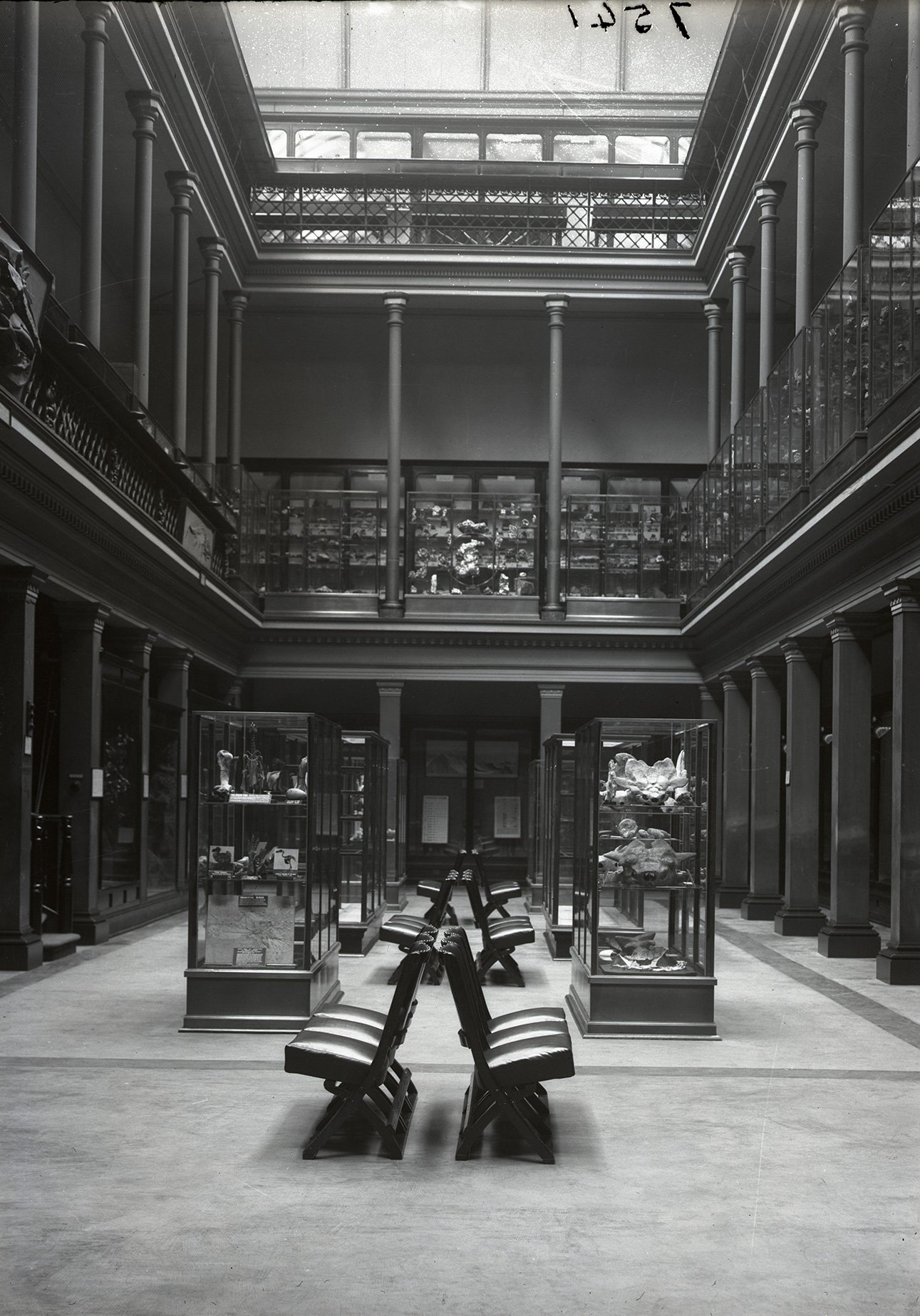
Visitors to the Long Gallery saw few changes until the 1920s, when a series of Australian dioramas – innovative re-creations of landscapes and animals in their natural habitats – was installed on the ground floor. Elegant upright glass cases replaced the old table-style ones. In 1938, seating came at last, with the Trust approving the installation of 24 seats.
Meanwhile, the upper floors retained their geological and animal displays. There were invertebrate displays on the mezzanine level from the 1890s to the 1960s, and the bird display (still in place today) was arranged around the Long Gallery’s airy third level.
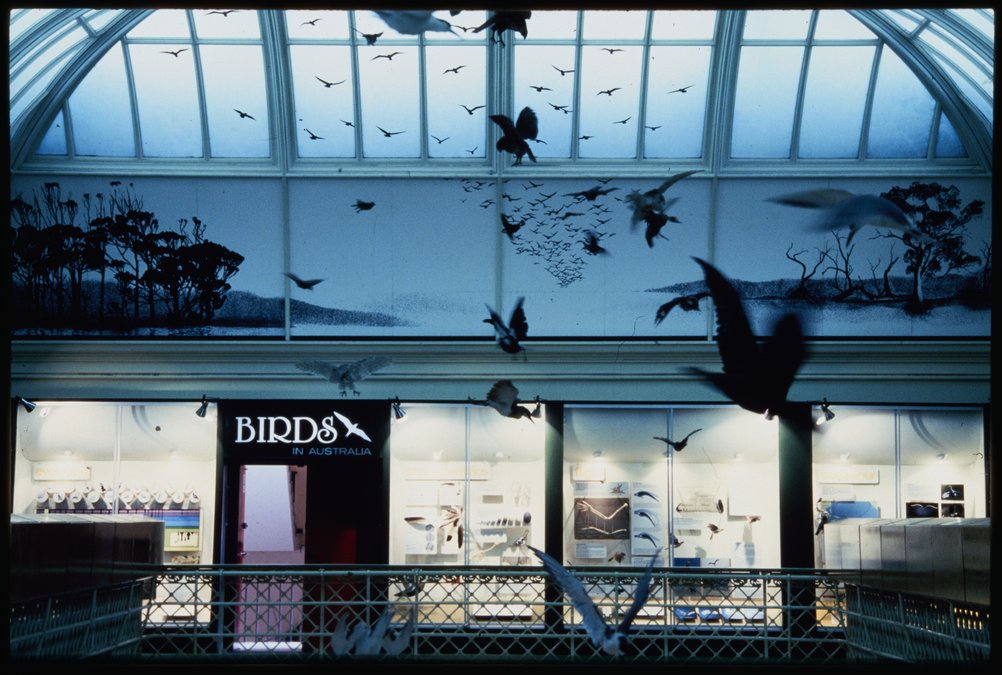
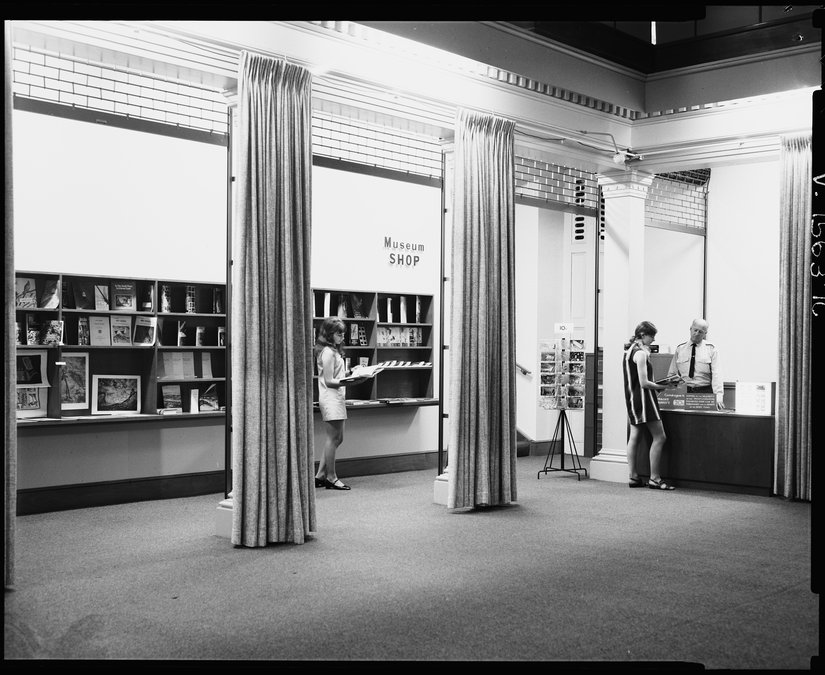
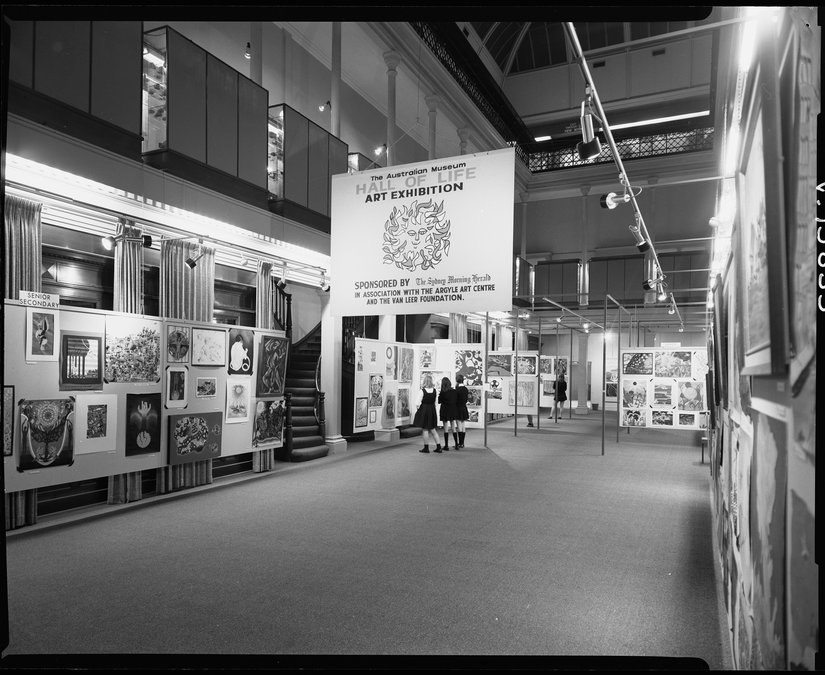
The diorama hall was, for many decades, one of the most popular parts of the Museum. But displays evolve and fashions change. During the 1970s and 1980s, the dioramas and wall cases were covered with curtains as the area in which they stood became a function space, a bookshop and a temporary exhibition gallery. By the 1980s, dioramas were seen as old-fashioned, and display space was needed to allow new ideas to take shape. In 1989, all were removed, with the exception of the Lord Howe Island bird diorama: it remains in its original place to this day.
The Skeleton Gallery, with 120 skeletons, opened in 1990. Its aim was to tell the story of vertebrate evolution and to display the functions and diversity of skeletons. Sir Hercules, the horse and rider, became one of the Museum’s most popular and iconic exhibits, while the ‘skelecycle’ interactive exhibit saw generations of schoolchildren pedalling a stationary bike to activate a human skeleton.
The recent process of restoring the Long Gallery has stripped back generations of change. The original floors have been uncovered. The columns, with their marble paintwork, have been revealed and restored. The original wire fretwork is now re-installed on all levels. A sense of grandeur and wonder has been revived, and we can now imagine what those first visitors felt as they proudly viewed their first museum and its curiosity displays. The Westpac Long Gallery is a treasure to hold our treasures. It is a fitting setting for the 200 Treasures of the Australian Museum exhibition.
Vanessa Finney, Australian Museum Archivist