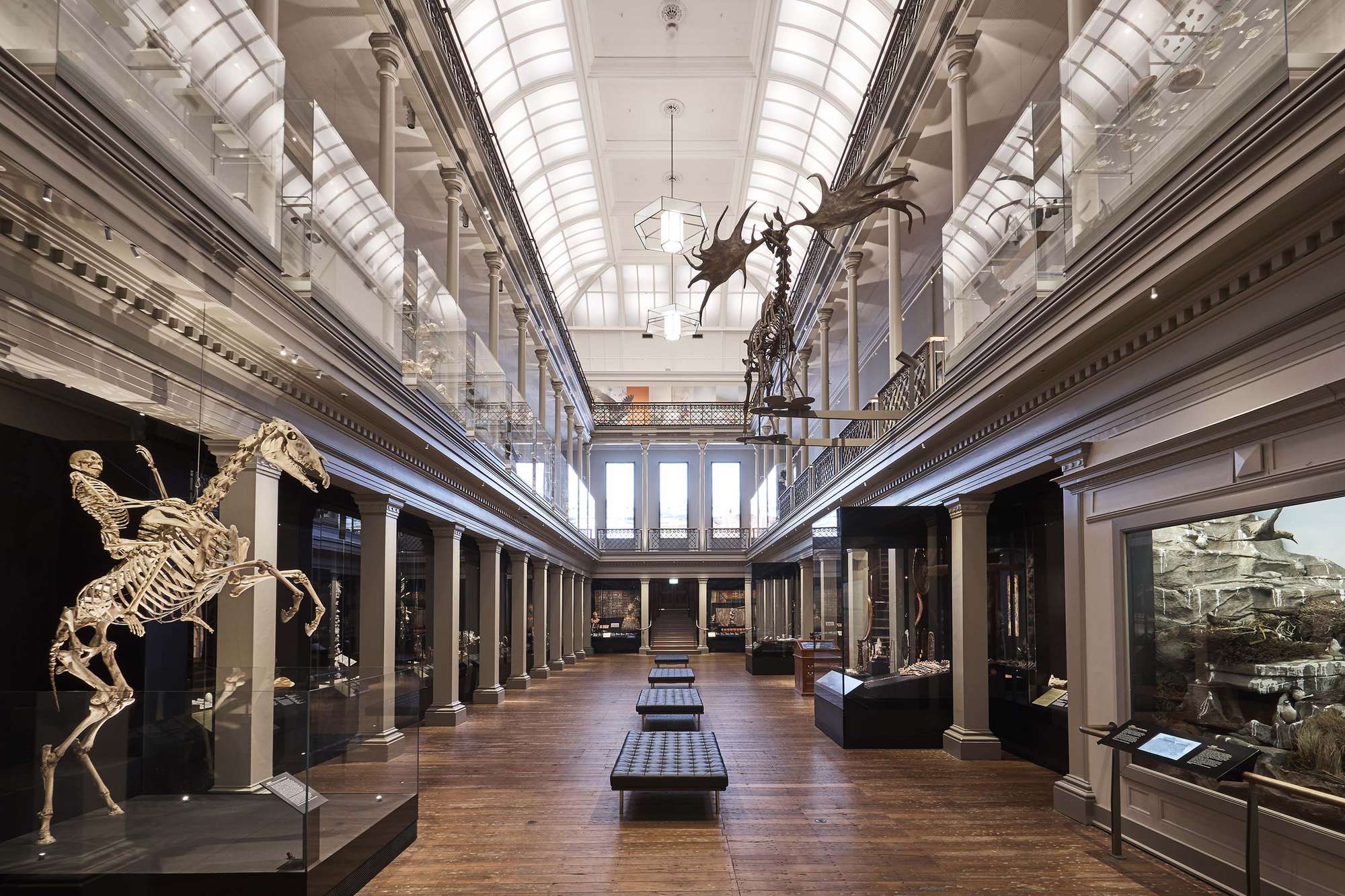
Canowindra Fish Fossils case
In 1955, a road worker unearthed 370-million-year-old fish fossils at Canowindra, NSW. From ancient armoured fish to a half-mythical parrot, exquisite glass sea creatures and a spider older than time, this case brings together some of the Museum's most surprising natural treasures.
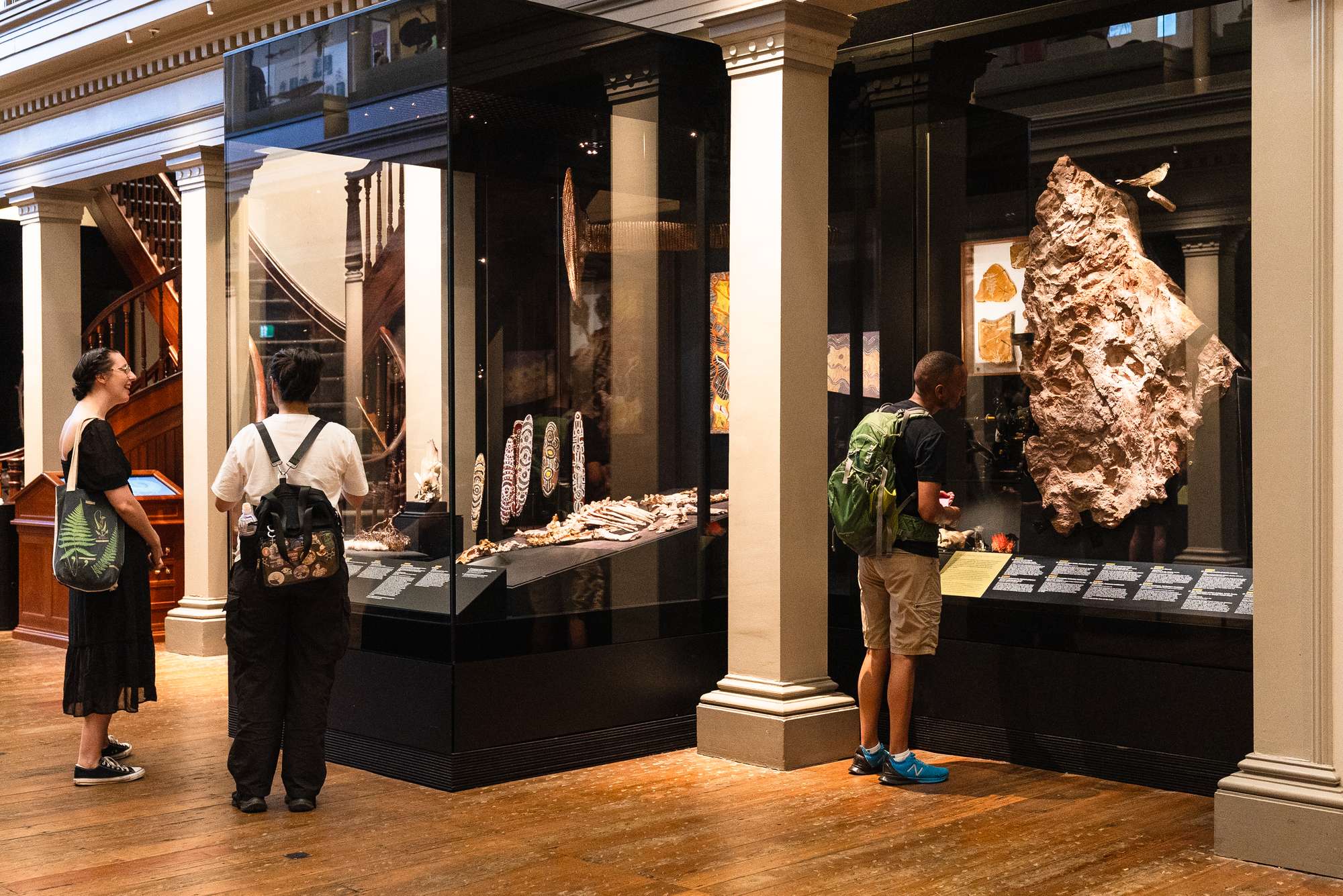
Canowindra fish fossils
In 1955, a council road worker in Canowindra uncovered a rock slab bearing many extremely well preserved fossil fish. A local resident recognised the significance of this find and informed the Australian Museum. Since then, a further 4000 fossil fish specimens representing eight species have been discovered at the site. The Canowindra fossil fish fauna is Upper Devonian in age (about 370–360 million years old), and is dominated by two species of placoderms (armoured fishes): Bothriolepis yeungae and Remigolepis walker, with more than 1500 specimens of each species discovered to date. Other members of the Canowindra fish fauna include the relatively rarer placoderm Groenlandaspis and sarcopterygians (lobe-finned fishes). These fish were part of an ancient community that was trapped in a mass kill event.

Canowindra fish fossils. 165 (high) x 102 (wide) x 25 (deep) cm. Canowindra, NSW. Upper Devonian, 370–360 million years ago. Age of Fishes Museum Collection. Mandageria fairfaxi, F.96903. Remigolepis walkeri, F.100411. Groenlandaspis spp., F.103495, F.103496, F.103497.
Image: Stuart Humphreys © Australian MuseumAM Treasure Circle
Interested in supporting this treasure? Contact the AM Development Team to discover how.
Story of the case
Listen to the audio guide of the Canowindra Fish Fossils case.
Audio Transcript
Museum collections both document and enable scientific discoveries. New species are found; specimens are collected and described. But new techniques and renewed attention can also yield discoveries long after the specimens were originally collected, leading to revisions in our understanding.
The large rock slab with spectacularly preserved fish fossils was uncovered at Canowindra in 1955. Since then, 4000 fossils of eight different fish species have been uncovered at the site. This slab shows four of those species, including Mandageria fairfaxi, NSW’s state fossil emblem.
The fish lived during the upper Devonian, about 370–360 million years ago. The Devonian is known as the Age of Fishes, due to the number and variety of fishes that lived in its marine and aquatic environments. Plants and insects were establishing themselves on land, but vertebrates had yet to emerge from the water. In the Late Devonian, many marine species died out in a mass extinction, including 97 per cent of all vertebrate species.
Above the fossil slab is a Night Parrot. Even before it was presumed to be extinct, the Night Parrot was known as Australia’s most enigmatic bird. There were no known sightings between 1912 and 1990. But in 1990 a dead specimen was discovered in western Queensland. This led to renewed efforts to find the parrot alive, and a number of recent sightings in several remote locations have shown that the species, though still very rare, is not extinct at all.
In 1898 the vessel Thetis trawled waters from Sydney to Newcastle collecting fish and invertebrates for the Museum. Over 1850 samples were collected, representing 450 species, some new to science. The collection is a snapshot of the environment from over 100 years ago and continues to be studied, with new species described as recently as 2005.
The spectacular red mineral at the bottom left is crocoite. It is an extremely fragile and very rare mineral, as the elements that form it – lead and chromium – are only rarely found together. This specimen comes from the Adelaide mine in Tasmania, one of the finest sites for crocoite in the world. Albert Chapman, whose collection is displayed on Level 1 of the Museum, purchased it in 1972.
Skull of a Horned turtle
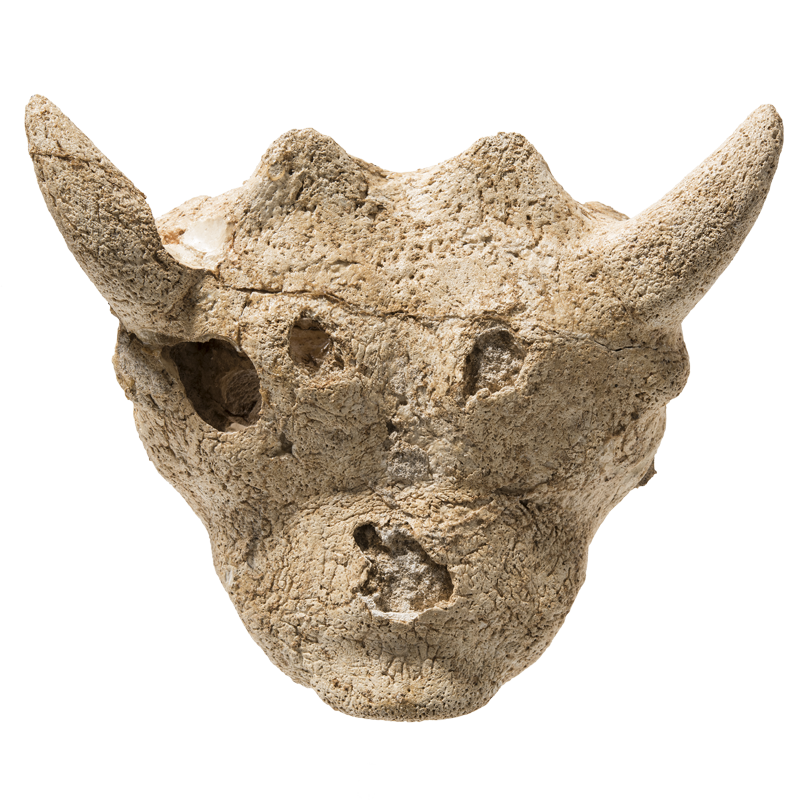
Skull of a Horned turtle (Meiolania platyceps). 22 (high) x 24 (wide) x 15 (deep) cm. Ned’s Beach, Lord Howe Island, NSW. Excavated by Dr Eugene Gaffney and Dr Alex Ritchie, 1980. Registered 1982. AM Palaeontology Collections. F.64471.
Image: Stuart Humphreys © Australian MuseumMeiolania platyceps
Meiolania platyceps was a large-bodied terrestrial turtle about 2.5 metres long, with large horns and a bony, clubbed tail. Its horns prevented it from fully retracting its head into its shell like other turtles and tortoises. Meiolania platyceps lived on Lord Howe Island until its extinction in the late Pleistocene, about 100,000–120,000 years ago. The Australian Museum has the world’s largest collection of horned turtle fossils, including fossil skeletons, egg shells and nests. This fossil skull was inadvertently damaged during its excavation in 1980. Exposed bones identified as part of the shoulder of Meiolania were removed from a block of stone using a series of drill holes, but when the block itself was extracted, it turned out to contain a skull with a 2-centimetre drill hole in it.
AM Treasure Circle
Interested in supporting this treasure? Contact the AM Development Team to discover how.
Tasmanian Cave Spider
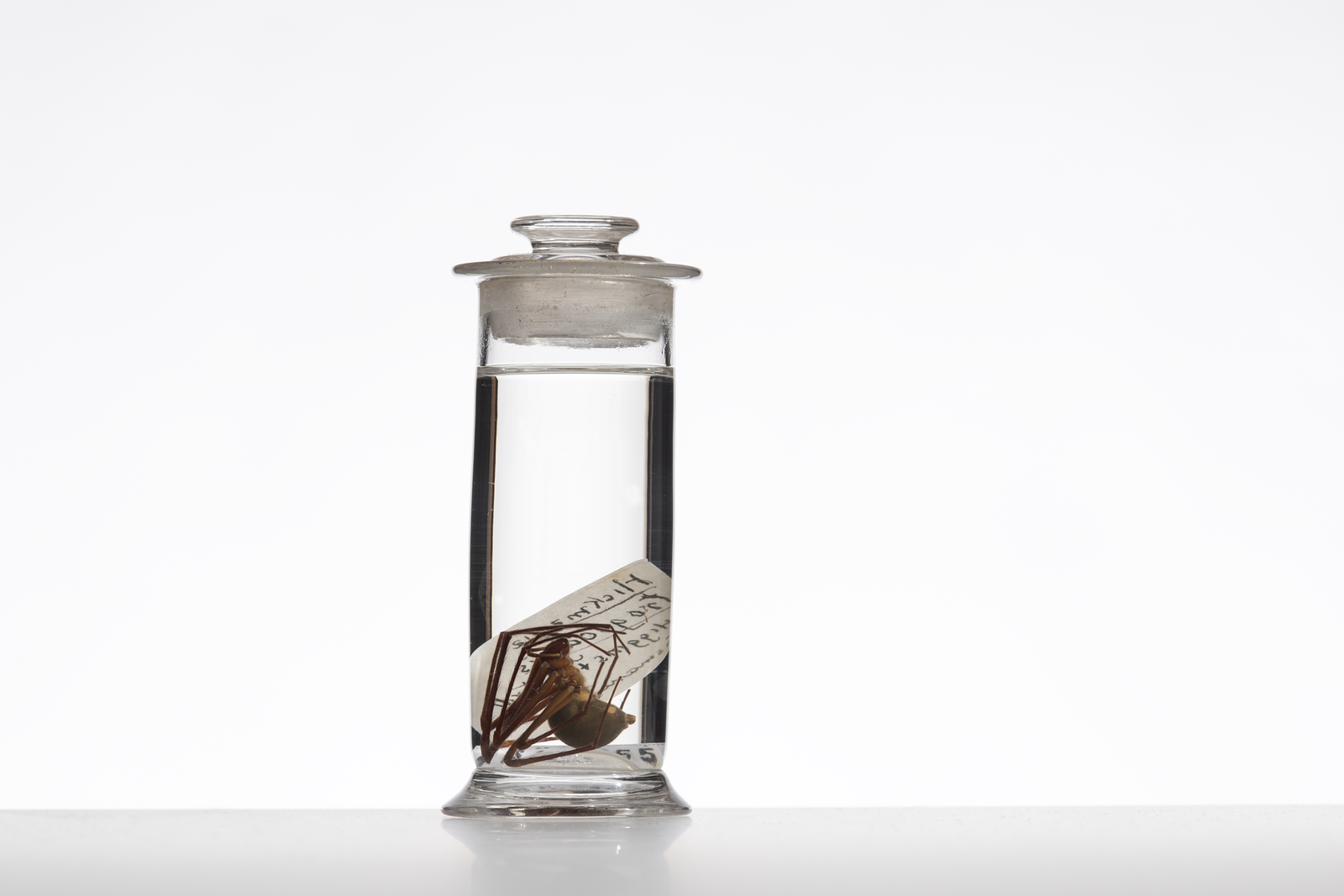
Tasmanian Cave Spider (Hickmania troglodytes). Body length of female 2 cm, male 1.3 cm; leg span up to 18 cm. Tasmania, Australia. Registered 2016. AM Arachnology Collection. KS.126255.
Image: Stuart Humphreys © Australian MuseumHickmania troglodytes
The Tasmanian Cave Spider is a major predator in cave systems. It weaves spectacular sheet webs that can be more than a metre in width. These webs often hang across the mouths of caves, or in hollow logs or the undersides of bridges. The spider hangs from its large web by its unusually long legs, waiting for prey to fall into its trap. The Tasmanian Cave Spider is important because it has some primitive features typical of the earliest spiders ever to evolve, including four abdominal lungs – called ‘book lungs’ – which appear as four light patches on the underside of the abdomen, alongside features characteristic of more modern spiders, such as jaws that open and close sideways. They grow to up to 2 centimetres long.
AM Treasure Circle
Interested in supporting this treasure? Contact the AM Development Team to discover how.
Two-circle (theodolite) reflecting goniometer
This two-circle reflecting goniometre was the most advanced tool of its type. Goniometers were first made in the sixteenth century, and used to precisely measure angles in the horizontal and vertical planes. In mineralogical and crystallopraphic studies, the instrument is used to precisely measure angles between often minute faces of crystals and to rotate those faces into view, greatly enhancing a scientist's ability to describe and identify minerals and make crystal drawings. This goniometer was used by Australian Museum scientist Charles Anderson - who later became the Museum's Director - to complete his PhD in morphological crystallography and the chemistry of Australian minerals. Goniometers were superseded by new technologies within a short time, but this particular instrument was still used by scientists at the Australian Museum until the late 1980s.
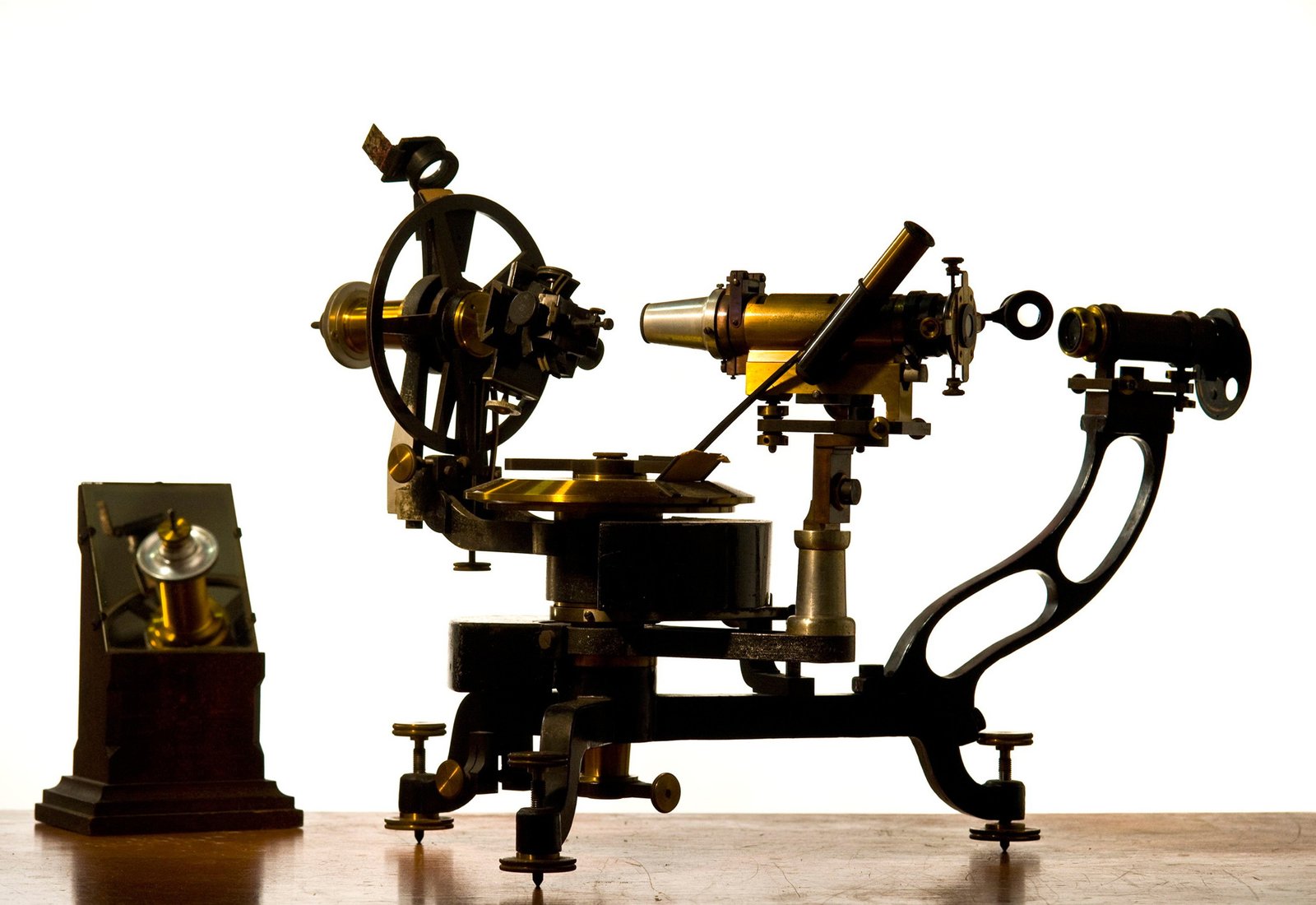
Two-circle (theodolite) reflecting goniometer. Brass, cast iron, optical glass. 30 (high) x 64 (wide) x 30 (deep) cm. Designed and made by P. Stoe in Heidelberg to the design of Victor Goldschmidt, 1900. Acquired 1907. AM Archives, Rare Books and Library Collections. MA00097.
Image: Stuart Humphreys © Australian MuseumAM Treasure Circle
Interested in supporting this treasure? Contact the AM Development Team to discover how.
Talbragar fossils
The Talbragar Fossil Bed, about 30 kilometres northeast of Gulgong, is the most significant Jurassic terrestrial fossil deposit in Australia. It is also the only known Jurassic fish site in New South Wales.
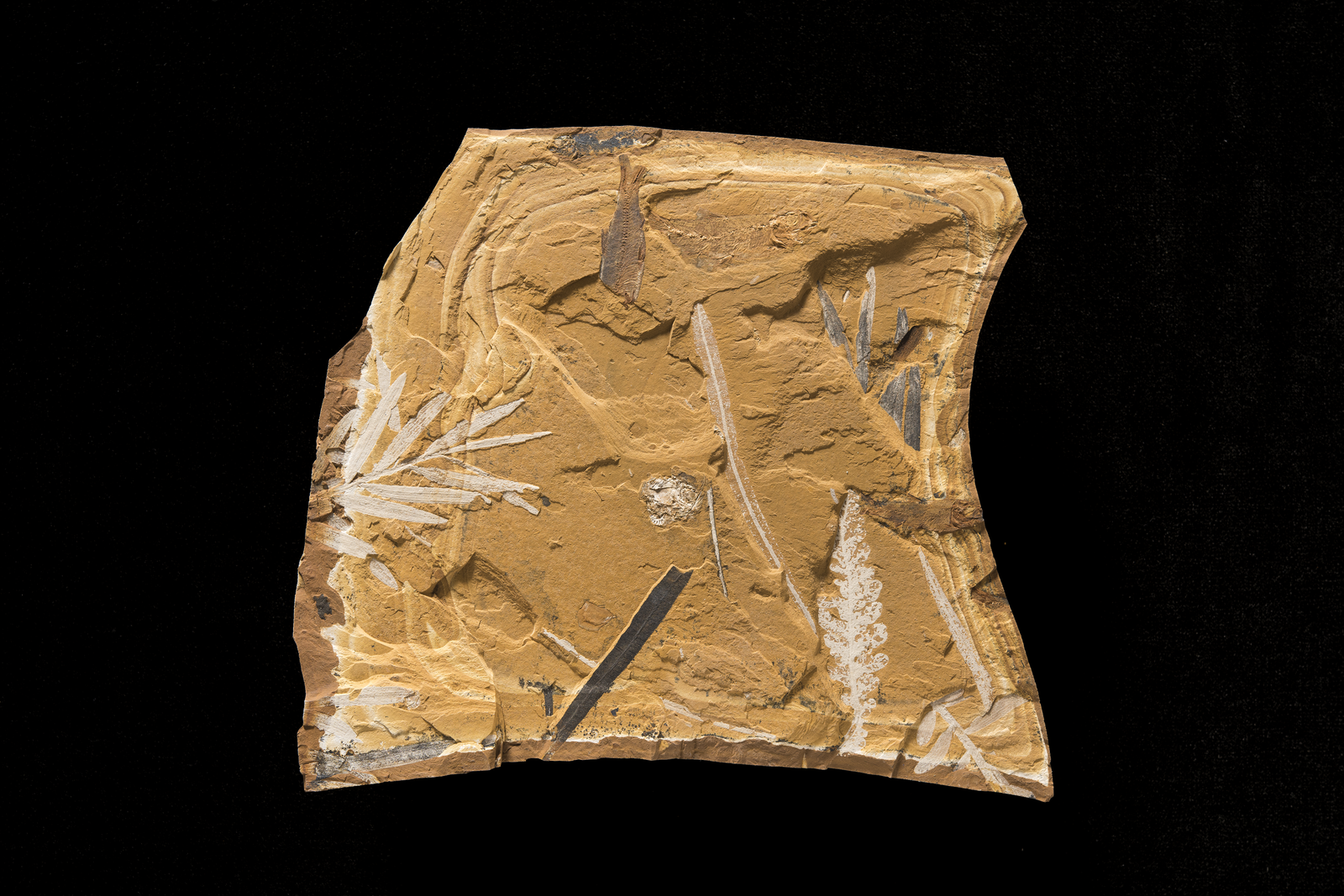
Talbragar fossils. 21 (high) x 23 (wide) cmTalbragar Fossil Bed, NSW, Australia. Upper Jurassic, 156–147 million years ago. AM Palaeontology Collections. F.142385.
Image: Stuart Humphreys © Australian MuseumFirst discovered in 1889, the Talbragar site has produced hundreds of beautifully preserved plant and animal fossils. Fossils of more than 25 species have been found at Talbragar, including eight fish species, several insects and a spider. Sixteen plant species are also represented at this fossil site, including ferns and a conifer species similar to the Wollemi pine. The Talbragar fossils represent life in an ancient freshwater lake environment. The remains of animals and plants accumulated and were buried in the mud at the bottom of the lake. The fossil plants are typically white in colour and in striking contrast to the brown or yellow rock.
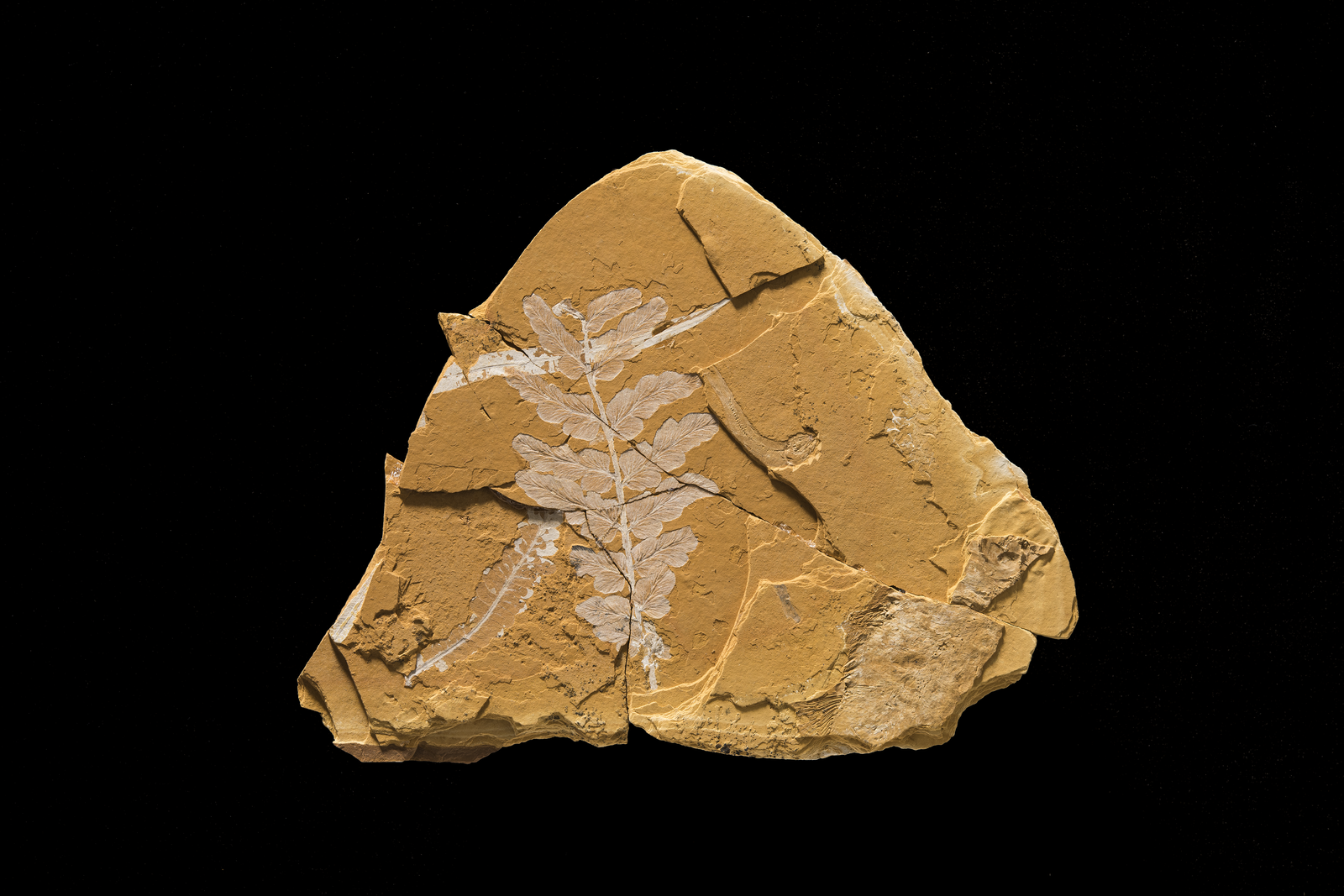
Talbragar fossils. 21 (high) x 23 (wide) cm. Talbragar Fossil Bed, NSW, Australia. Upper Jurassic, 156–147 million years ago. AM Palaeontology Collections. F.142386.
Image: Stuart Humphreys © Australian MuseumAM Treasure Circle
Interested in supporting this treasure? Contact the AM Development Team to discover how.
Night Parrot
Pezoporus occidentalis
This specimen of a Night Parrot is one of only a very few that exist worldwide. Even before it was presumed to be extinct, the Night Parrot was known as Australia’s most enigmatic avian species, glimpsed only rarely by early explorers of arid Australia.
We’re the kind of bird that gets poets going, Our cult status assured, we’re half-mythical.
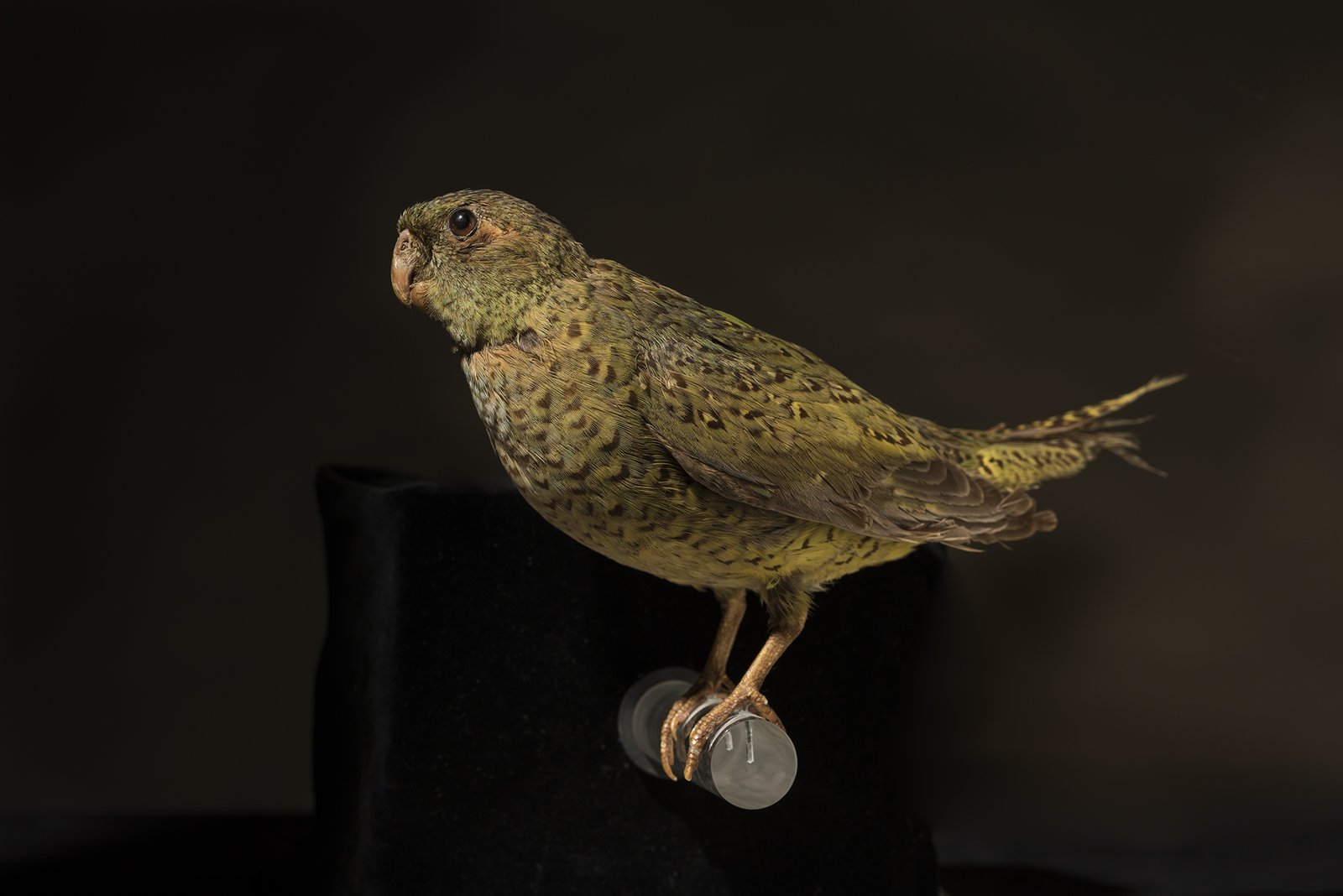
Night Parrot (Pezoporus occidentalis). 15 (high) x 20 (long) x 8 (deep) cm. Central Australia. Registered 1878. AM Ornithology Collection. PA.8393.
Image: Stuart Humphreys © Australian MuseumNight Parrot feathers were collected during the Horn Expedition of 1894, the first primarily scientific expedition to document the natural history of central Australia. There were no known sightings of the Night Parrot between 1912 and 1990, when a dead specimen was discovered in western Queensland by a group of scientists including Walter Boles, an ornithologist at the Australian Museum. Night Parrots were rediscovered in remote south-west Queensland in 2013, and Pullen Pullen Reserve was established by Bush Heritage, Australia, to assist their conservation. More birds were discovered on a neighbouring property in 2015 and another population was discovered in Diamantina National Park in 2016. In 2017, Night Parrots were also discovered in Western Australia, raising hopes for the persistence of this enigmatic species.
AM Treasure Circle
Treasure supported by Chris and Gina Grubb.
Crocoite on limonite
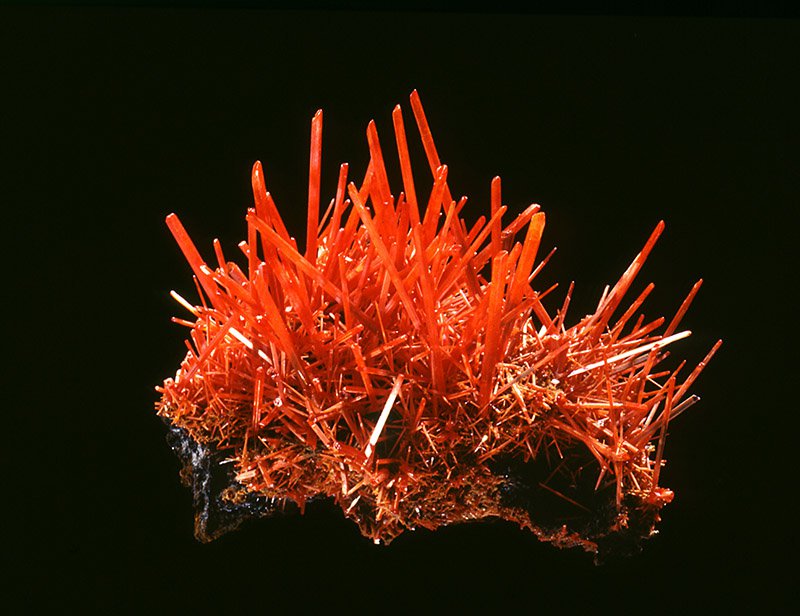
Crocoite on limonite. 12 (high) x 10 (wide) x 10 (deep) cm. Adelaide Mine, Dundas, Tasmania. Registered 1996. AM Mineralogy Collection. D.50681.
Image: Stuart Humphreys © Australian MuseumThis beautiful, fragile crocoite specimen was discovered by Frank Mihajlowits at the Adelaide Mine – which originally produced lead and silver – in remote Western Tasmania, one of the finest sites for crocoite in the world. He in turn sold it in 1972 to Albert Chapman, an amateur collector, knowledgeable mineralogist and mineral trader who assembled an extensive private collection. The New South Wales Government purchased Chapman’s collection in 1988, with assistance from Conzinc Riotinto Australia, North Broken Hill and BHP. The collection was housed in the Geological and Mining (‘Earth Exchange’) Museum until its closure in 1995. Since that time it has been at the Australian Museum. Crocoite is a very rare mineral, because the elements that combine to form it – lead and chromium – are only found together when groundwater that has moved through chromium-rich rocks comes into contact with groundwater that has passed through a lead-rich ore body.
AM Treasure Circle
Treasure supported by Lily and Tina Gao and the New Business China Association.
Common Seadragon
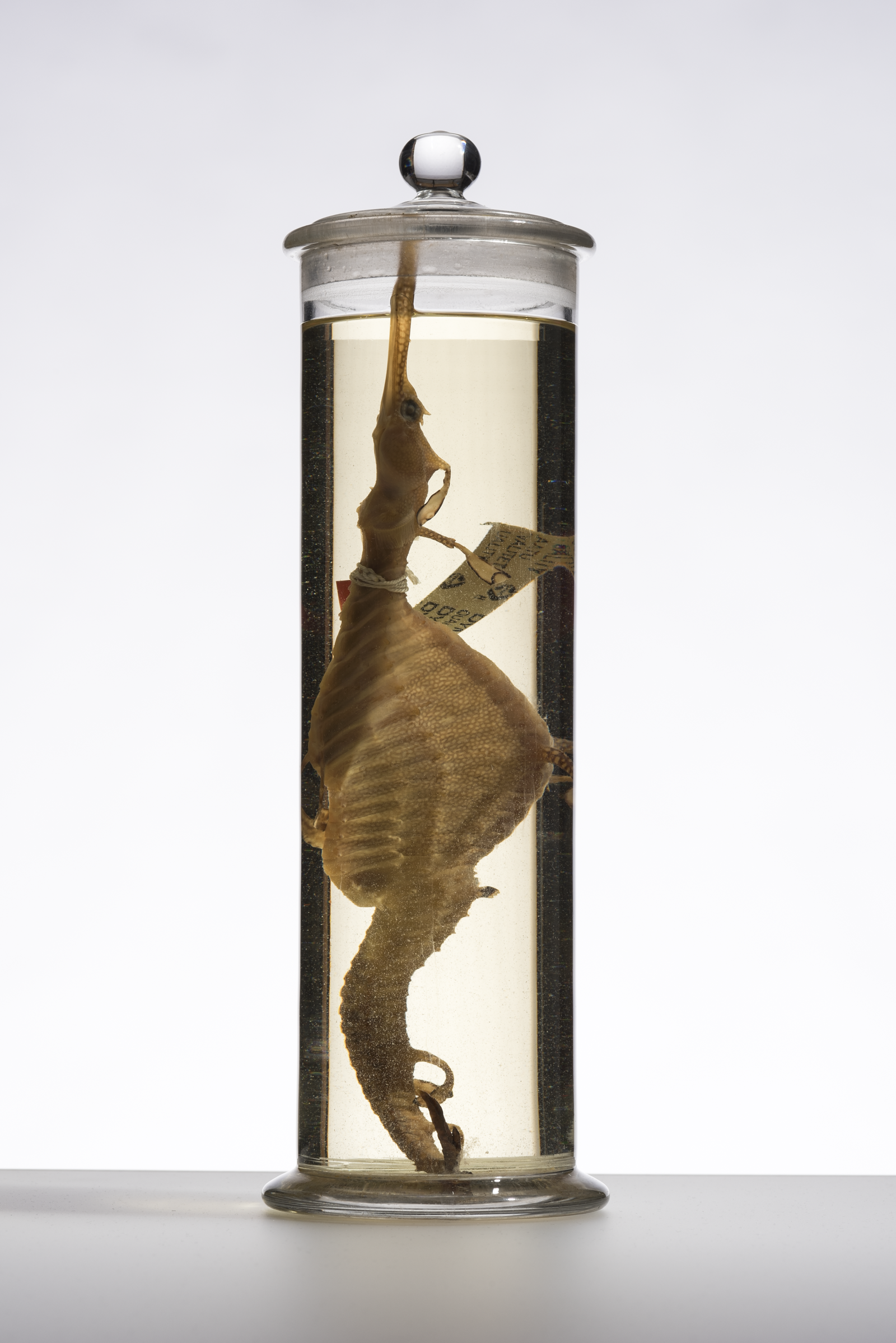
Common Seadragon (Phyllopteryx taeniolatus). 35 (high) x 11.7 (diameter) cm glass jar. Sydney, NSW. Collected by R. Kuiter, Bondi, New South Wales, 1977. Registered 1977. AM Ichthyology Collection. I.20275-001.
Image: Stuart Humphreys © Australian MuseumPhyllopteryx taeniolatus
This vibrant and strange-looking marine creature, also known as a Weedy Seadragon, is one of only three seadragon species found in Australia. While all three species are found in the country’s temperate southern waters, only the Common Seadragon is found in the waters around Sydney. Seadragons are related to seahorses but, unlike seahorses, they do not have a pouch for rearing their young. Instead, male seadragons carry the eggs fixed to the underside of the tail. Their resemblance to the mythical dragon adds to their romantic allure. This specimen also represents the wonders of Sydney’s harbour – nearly 600 fish species have been recorded in its waters. This is more than twice that found in the UK’s coastal waters.
AM Treasure Circle
Interested in supporting this treasure? Contact the AM Development Team to discover how.
Blaschka glass models of marine invertebrates
International scientific model makers Leopold and Rudolf Blaschka were a father-and-son team from Dresden who crafted exquisite glass models of sea creatures.
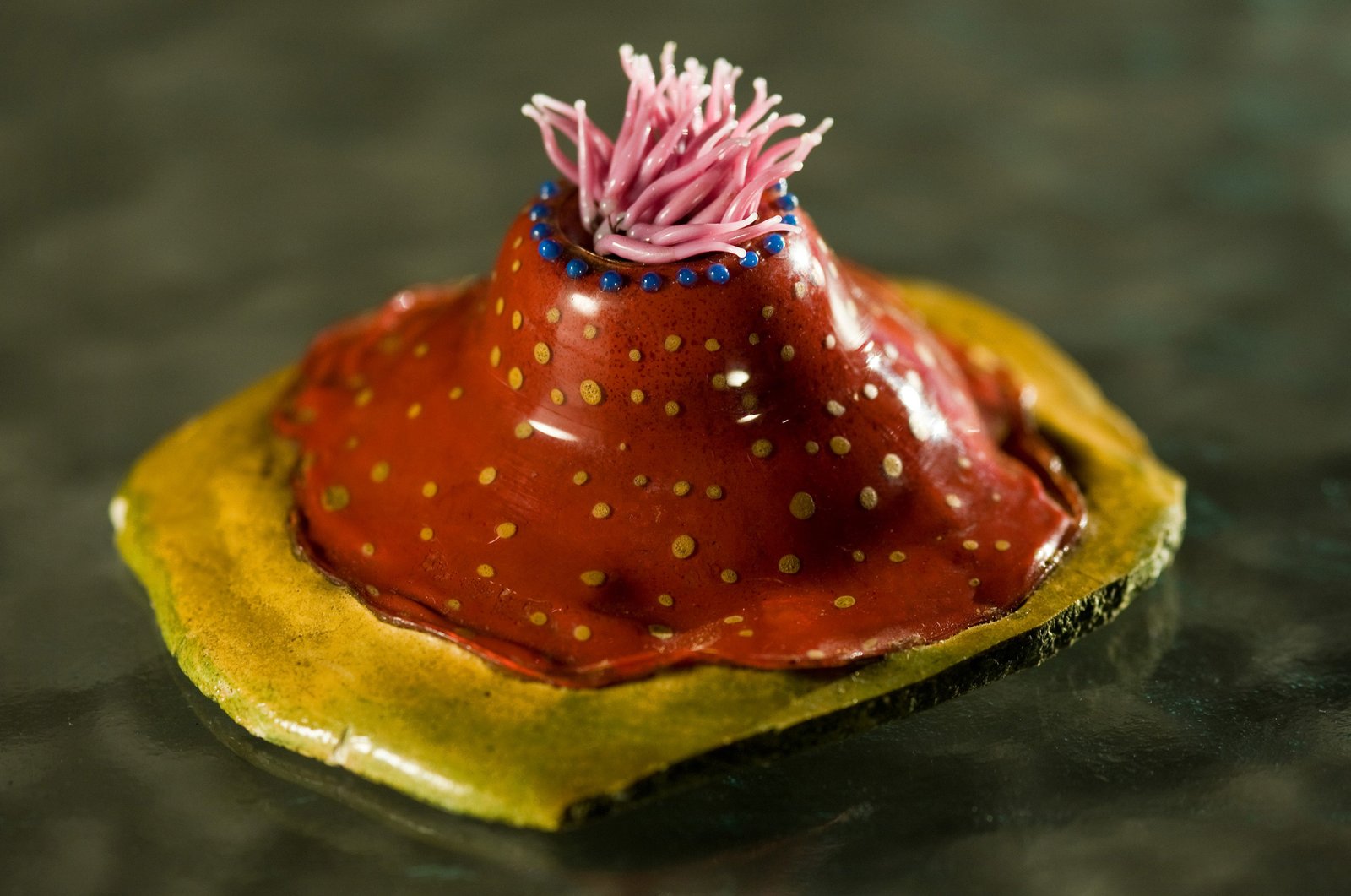
Actinia mesembrianthemum. Models 4–8 (high) x 6–8 (wide) x 5–8 (deep) cm. Clear, coloured and painted glass, copper wires. Dresden, Germany, Leopold and Rudolf Blaschka. Acquired 1881–83. AM Archives, Rare Books and Library Collections. AMS582.
Image: Stuart Humphreys © Australian MuseumIn the 1870s and 80s, when these models were made, the rudimentary methods for preserving soft-bodied marine creatures were unable to prevent specimens from distorting and losing their vibrant colours. Instead, models made of wax and paper pulp as well as glass – sometimes created using illustrations from books as references – were used for display in museums across the world. The Blaschkas’ models were renowned for the spectacular, detailed finishes with which they captured the delicate structure and luminescence of living marine creatures. Their models are often tiny, exquisitely crafted and extraordinarily beautiful. Although of limited educational value today – many of them are anatomically incorrect or cannot be scientifically identified – the models’ worth resides in their provenance and artistry and the part they played in the history of exhibition and display in the Museum.
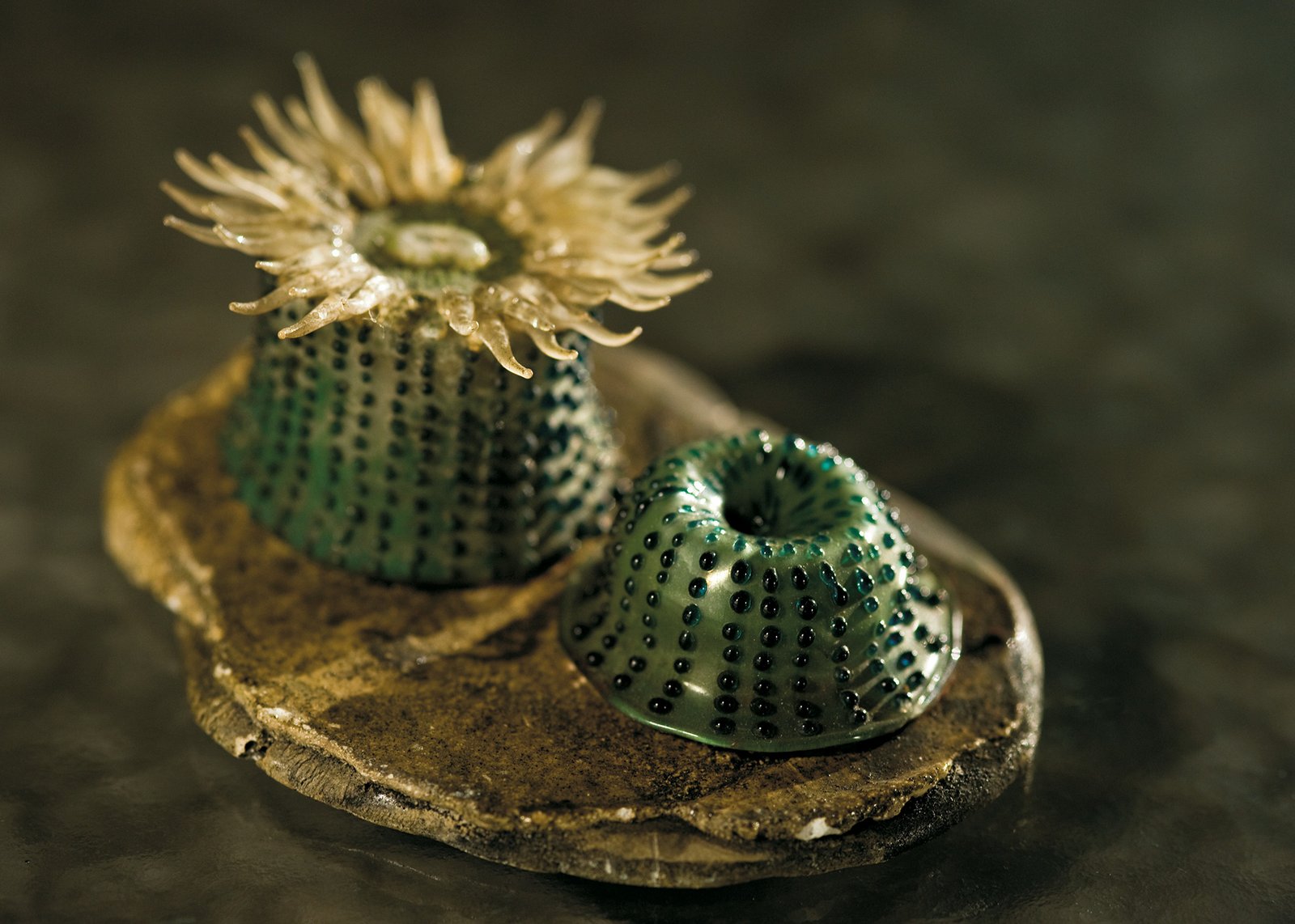
Bunodes thallia. Models 4–8 (high) x 6–8 (wide) x 5–8 (deep) cm. Clear, coloured and painted glass, copper wires. Dresden, Germany, Leopold and Rudolf Blaschka. Acquired 1881–83. AM Archives, Rare Books and Library Collections. AMS582.
Image: Stuart Humphreys © Australian MuseumAM Treasure Circle
Interested in supporting this treasure? Contact the AM Development Team to discover how.
The Nudibranchs of Port Jackson
English naturalist and painter George French Angas emigrated to Australia in 1844. By 1852, he was living and working in Sydney, where he became Secretary of the Australian Museum from 1853 to 1860. He produced these 12 remarkable drawings of nudibranchs – soft-bodied, shell-less molluscs with extraordinary colours and numerous feathery gills – in 1852, from his observations of marine life in and around Sydney Harbour.
Angas had a keen eye, and managed to capture these creatures’ vibrant colours, often verging on fluorescent, as well as their changing patterns and strange, delicate and fascinating features. Long before colour photography, at a time when preservation techniques were crude, these drawings served as important records of these unique animals.
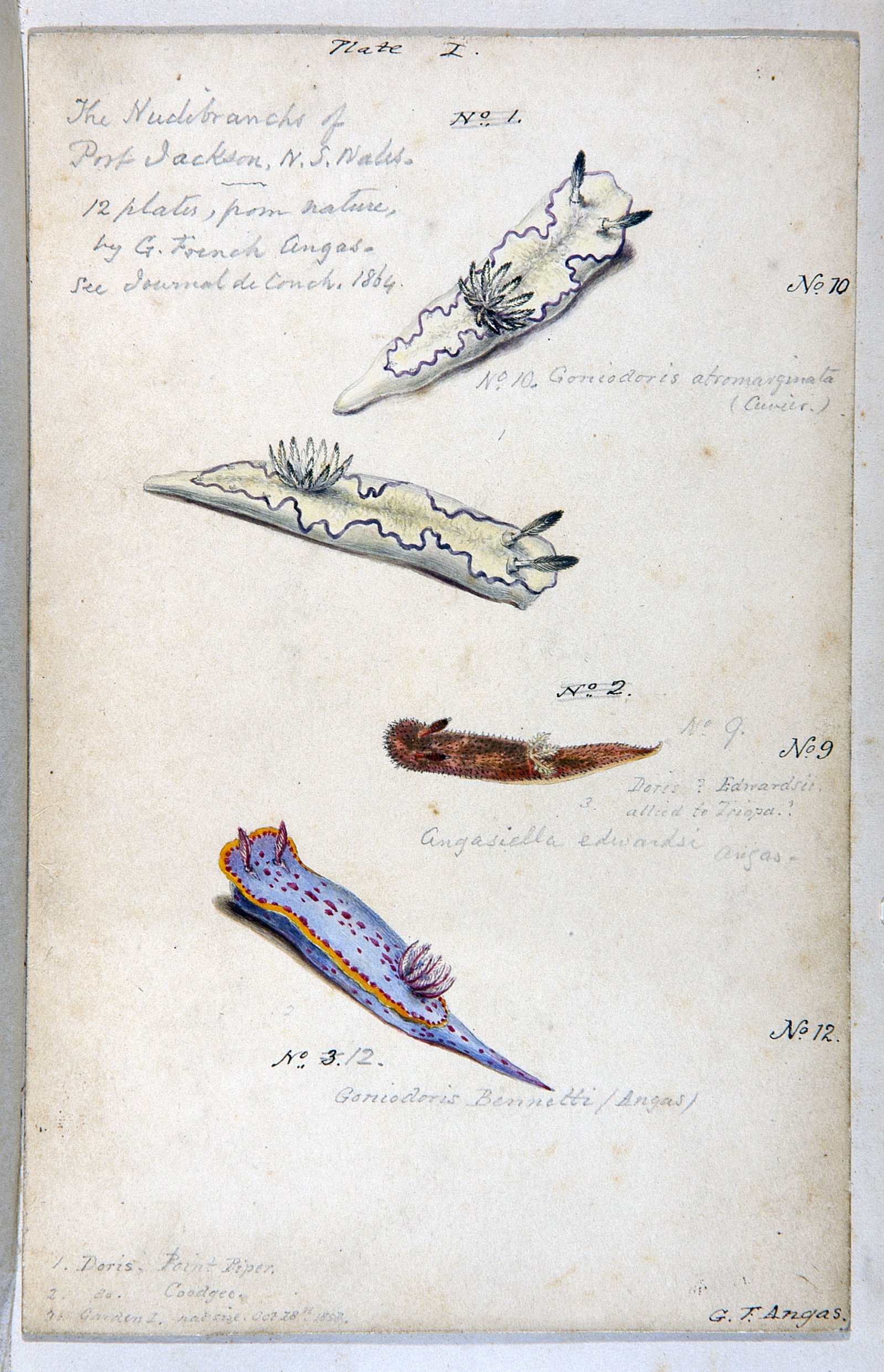
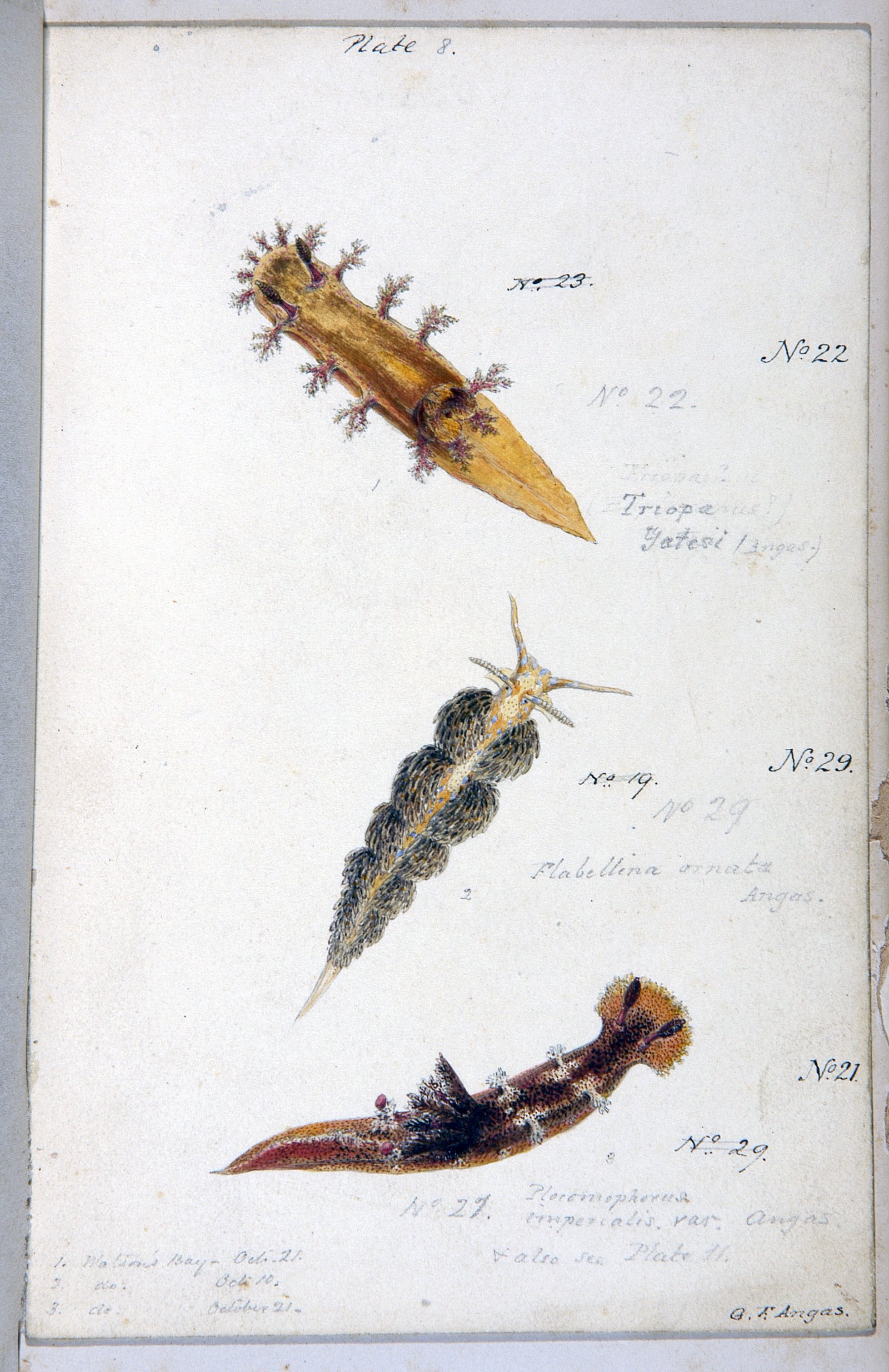
AM Treasure Circle
Interested in supporting this treasure? Contact the AM Development Team to discover how.
Thetis expedition (1898) marine invertebrates
The exploratory voyage of the steamer Thetis, which trawled the waters from Jervis Bay to the Manning River in 1898, collecting samples of fish and invertebrates, was eagerly followed by the general public of the colony and was a great scientific success. The Australian Museum Curator of Fishes, Edgar Waite, collected over 1850 samples representing 450 species. Among these, six fish and over 100 invertebrates were previously unknown to science. A crab, a snail and a sponge were all named in honour of Waite’s achievement. Today, the Thetis collection continues to be studied by scientists, with new species being described as recently as 2005. The specimens offer a snapshot of the environment from more than 100 years ago, and the expedition marks an important development in the Museum’s collection.
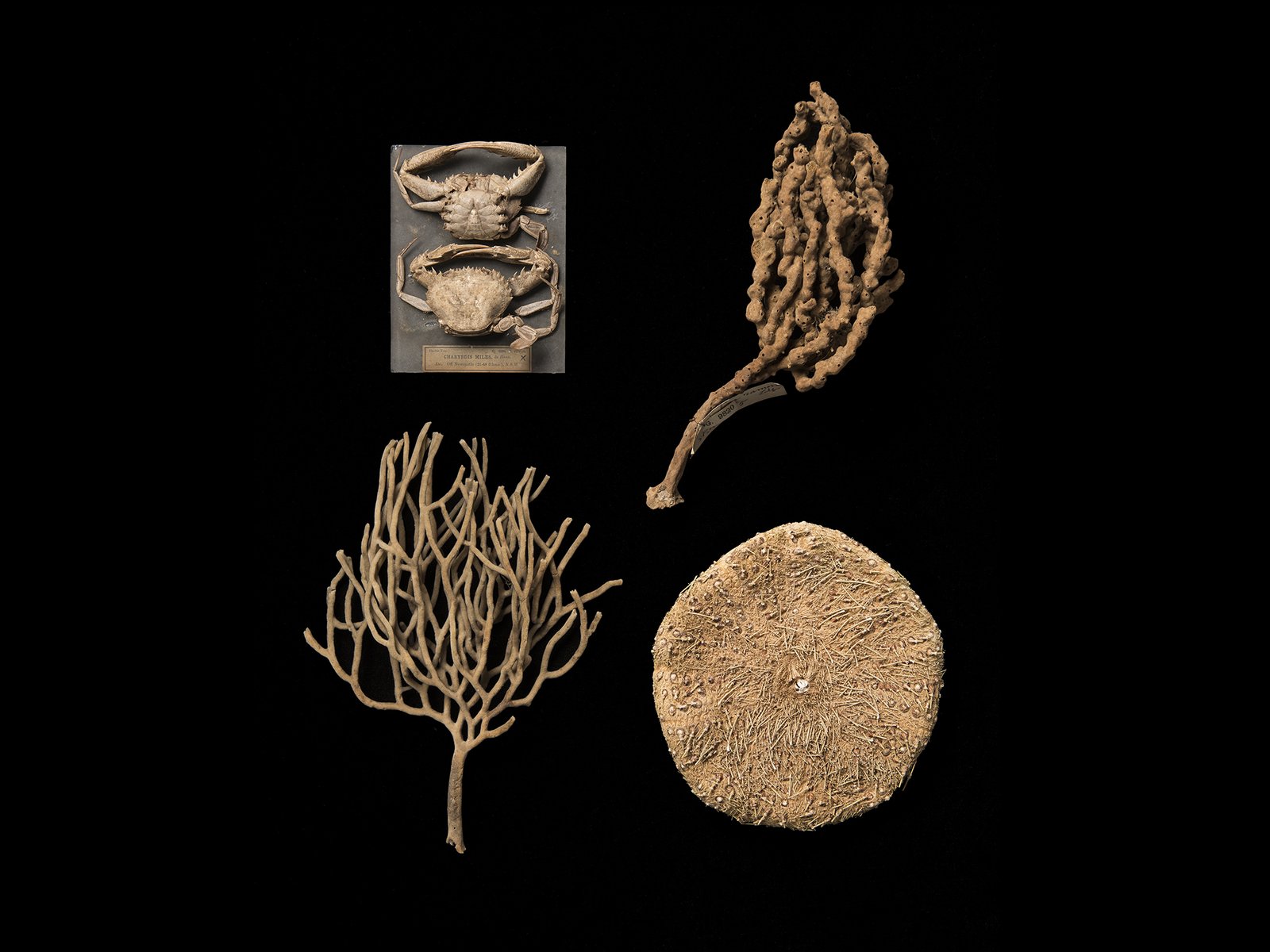
Thetis expedition (1898) marine invertebrates. Collected by E.R. Waite, New South Wales, 1898. Registered 1899–1909. AM Marine Invertebrates Collection.
Above, clockwise from top left: Swimming Crab (Charybdis bimaculata). 15 (high) x 12 (wide) x 3 (deep) cm. G.2353. Sponge (Amphimedon sp.). 29 (high) x 11 (wide) x 8 (deep) cm. G.9820. Sea urchin (Araeosoma thetidis). 19 (diameter) cm. J.1070. Sponge (Clathria cylindric). 28 (high) x 22 (wide) x 2 (deep) cm. G.9196.
Image: Stuart Humphreys © Australian MuseumAM Treasure Circle
Interested in supporting this treasure? Contact the AM Development Team to discover how.