The Red Centre
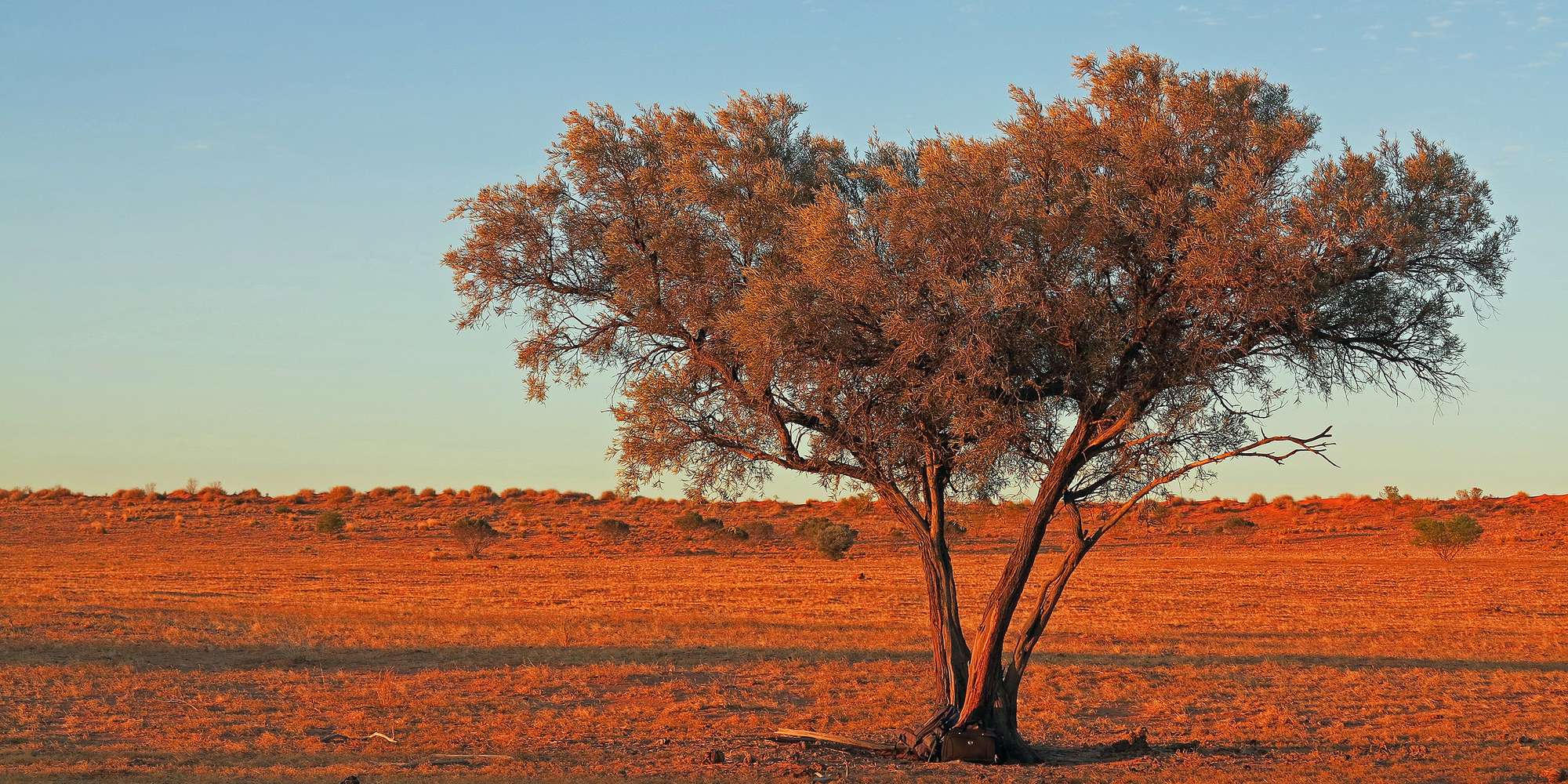
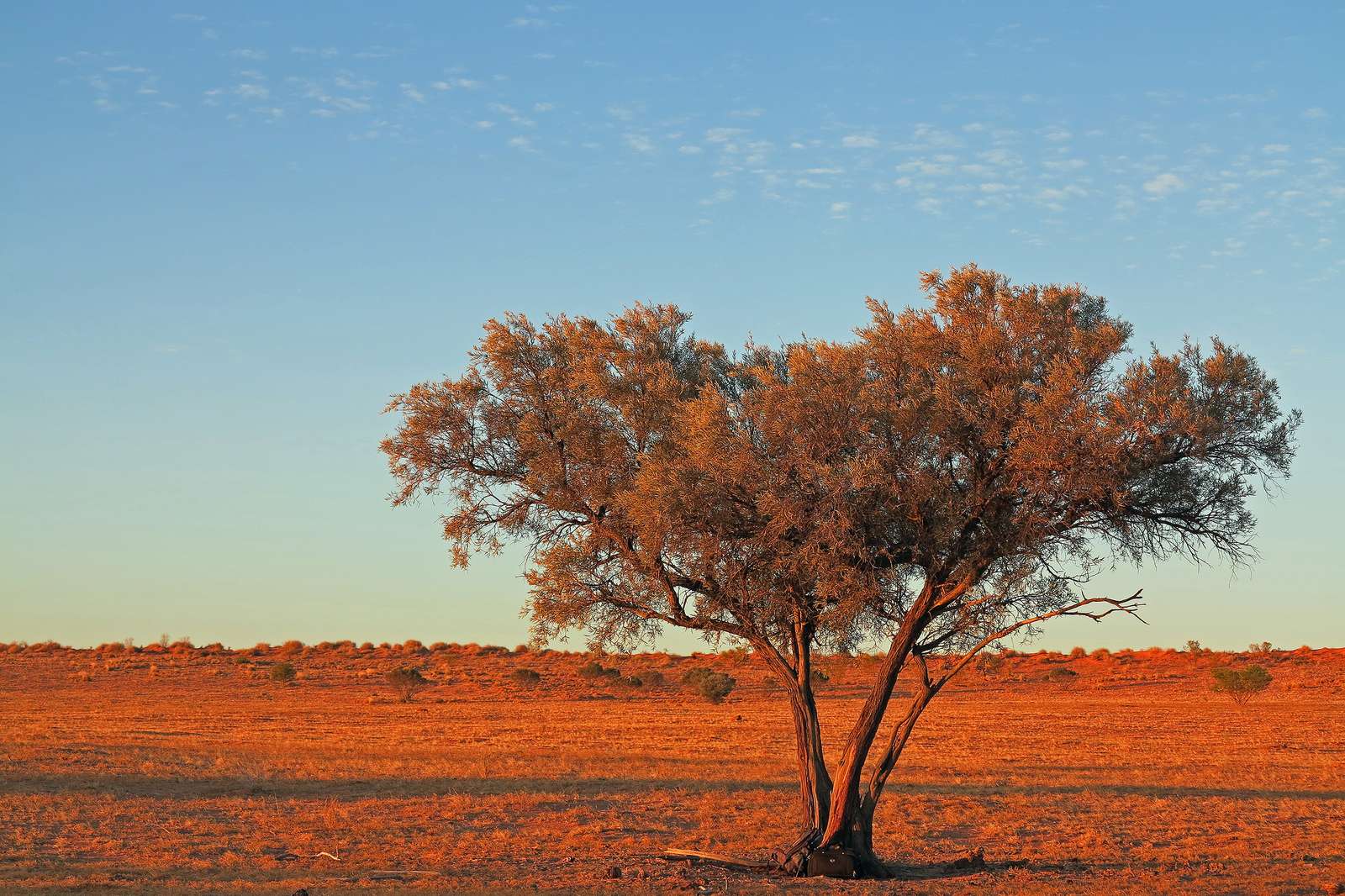
Spreading from Australia's vast centre are numerous rocky, sandy, grassy or saltbush deserts - home to some of the world's most resilient animals, spectacularly adapted to extreme heat, freezing cold and unpredictable rainfall.
Australia’s desert animals
Australia's deserts are not deserted. They host some of the world's most resilient animals, spectacularly adapted to living in extreme conditions, from a searing 50°C in summer to a freezing -10°C in winter. It can be dry for months or years at a time, or inundated with rain in a flash.
Desert animals beat the heat using both behavioural and physical adaptations. Some stay underground during the hottest parts of the day. Others are active at night when temperatures are lower. Most have also evolved ways to conserve water or regulate body temperatures.
Meet some of the animals with creative solutions to keep cool.
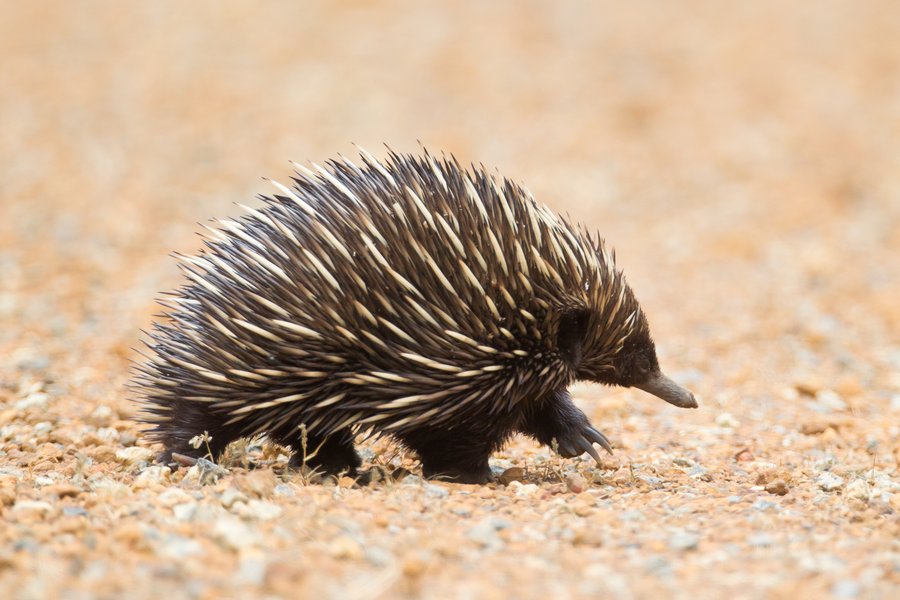
Short-beaked Echidna
Tachyglossus aculeatus
This egg-laying mammal survives desert extremes by burrowing into cool soil, sheltering in crevices and being mostly nocturnal. Its spines offer protection, and it relies on ants and termites for moisture and food, needing very little water to survive. It also blows snot bubbles to keep cool.
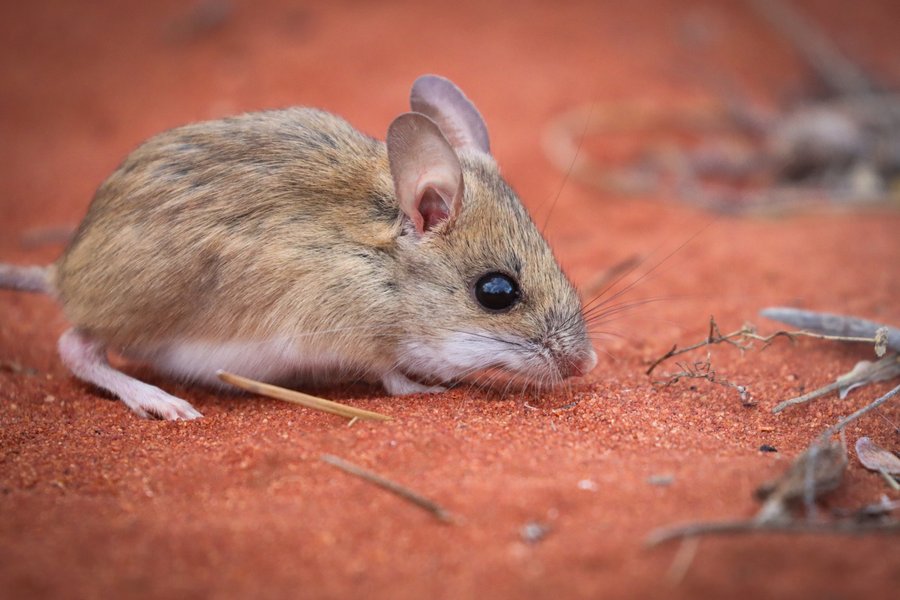
Spinifex Hopping Mouse
Notomys alexis
These small rodents dig sloping tunnels down to damp sand, then make extensive warren systems where they live in groups. They are active above ground at night and spend hot days sheltering in their deep, humid burrows.
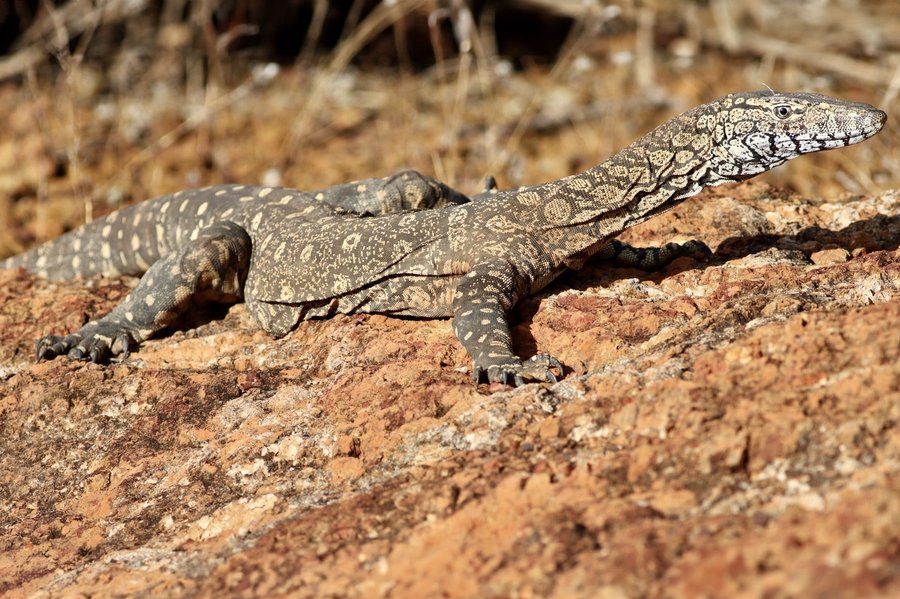
Perentie
Varanus giganteus
Perenties shelter in burrows and shade to escape daytime heat. Like other reptiles, they have low metabolic rates, so require less energy and water, and can tolerate high temperatures. They have strong limbs for digging and climbing. Carnivorous and opportunistic, they eat other reptiles, birds and eggs.
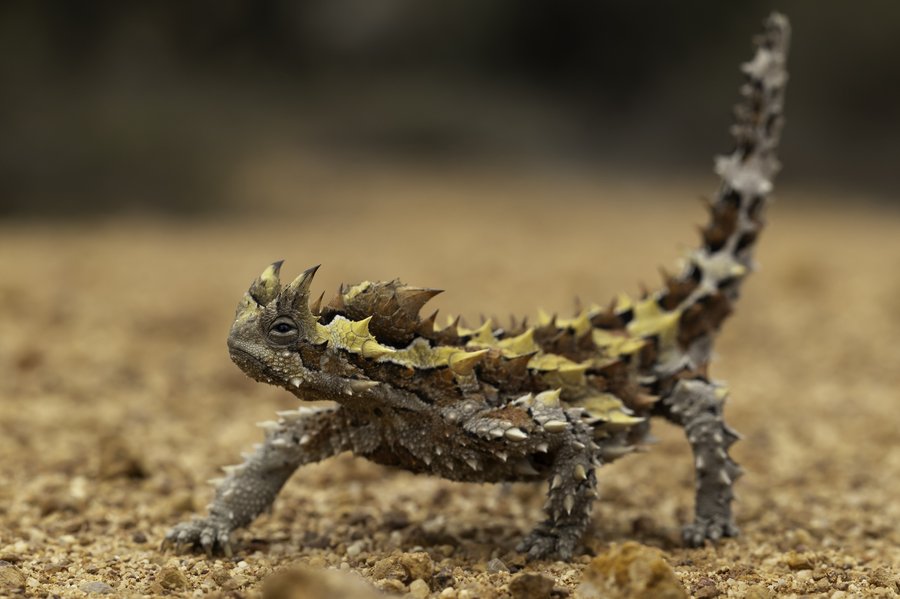
Thorny Devil
Moloch horridus
This small lizard drinks through its skin. Tiny grooves channel water, like dew or rain, straight to its mouth. It can even passively draw moisture from puddles or damp sand through these grooves without needing to gulp.
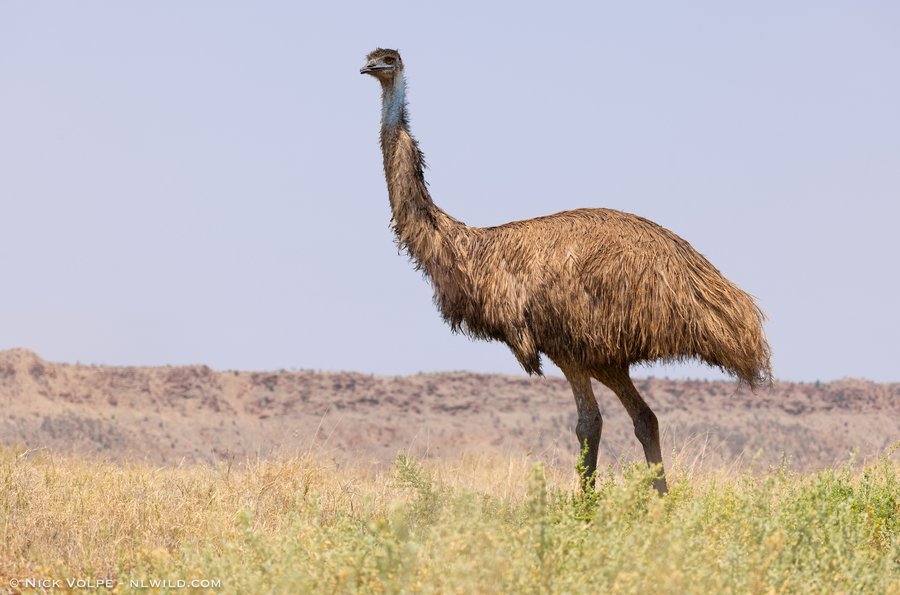
Common Emu
Dromaius novaehollandiae
Emus are flightless birds that are constantly on the move looking for water and food, such as plants and insects. When conditions are right, the female lays eggs but leaves incubation to the male. During the eight-week incubation period, to conserve energy, he lowers his body temperature and doesn’t eat, drink or excrete, becoming almost dormant.
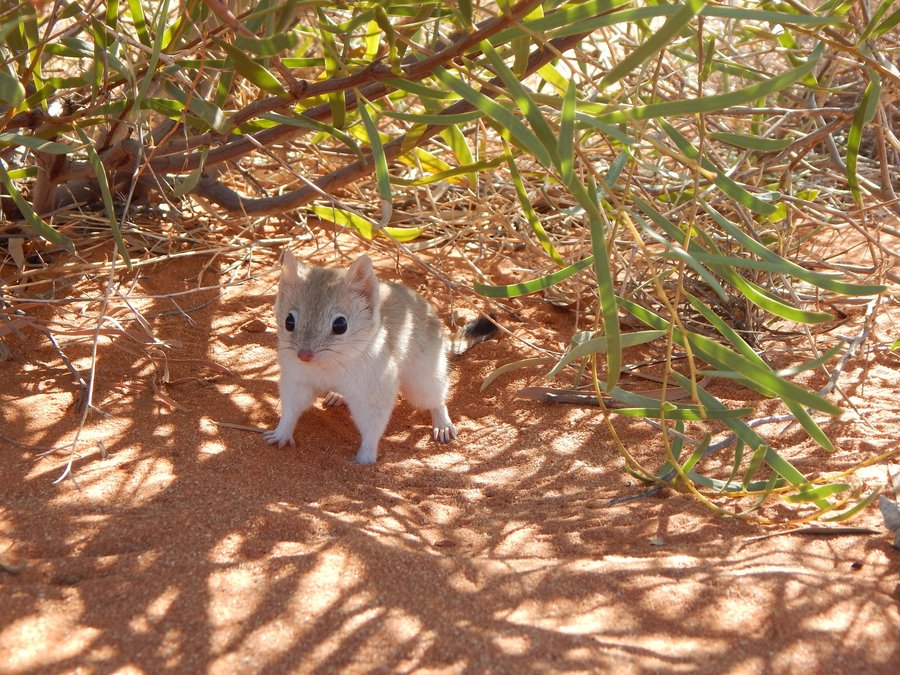
Crest-tailed Mulgara
Dasycercus hillieri
Mulgaras store fat in their thick tails as backup energy during harsh times. They get all the water they need from food and produce highly concentrated urine and dry droppings so that they don’t waste any water. They avoid extreme daytime heat by sheltering in extensive underground tunnels.
Boom and bust: Life in Australia's desert
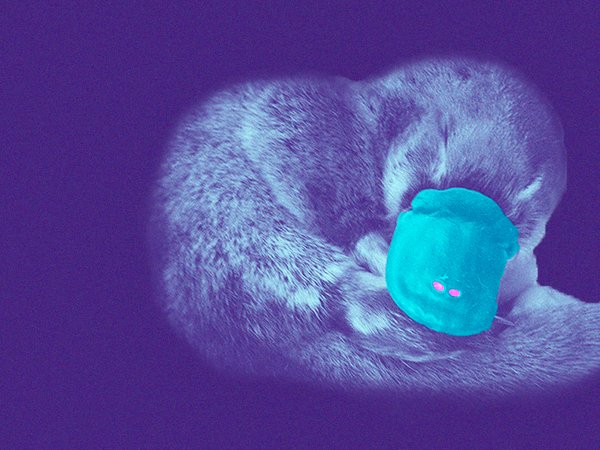
The Australian desert follows seasonal rhythms of abundance and scarcity. Summers are scorching and dry, while winters are cooler but still arid. When rare rains arrive, the desert bursts to life: dormant seeds sprout, flowers bloom and dry riverbeds fill with water. These unpredictable rhythms shape the life cycles of plants and animals alike.
In this land of extremes, the animals that survive the boom-and-bust cycles are those that have creative solutions for survival and reproduction.
Boom season
When rare rain falls they breathe life into the landscape. Plants bloom and animals surge with the abundance of food and water. Many species go on a feeding and breeding frenzy. Predators increase their hunting, taking advantage of population booms. Wildlife that lay dormant during the dry spell emerges to enjoy vital resources.
Explore the interactive below to learn more about the remarkable animals that thrive when it rains in Australia’s desert.
Bust season
The desert’s dry season brings intense heat and scarcity, forcing life to retreat. Many animals seek shelter underground, where it is cooler. Some can go for long periods without a drink. Others are so well adapted that they don’t need to drink – they extract all the water they need from what they eat. Many also store surplus food as fat when times are good and later use it to get them through tough times.
Explore the interactive below to discover the resilient animals that endure the harsh dry season of Australia’s desert.
Unfortunately thriving: feral species
Australia’s deserts and native animals are resilient, but feral animals threaten their survival. These species disrupt ecosystems by destroying habitats, competing for resources or preying on native animals. Feral camels overgraze vegetation and deplete water sources and feral cats are highly efficient predators, driving small mammals to extinction. These animals are reshaping the desert landscape in ways that endanger its unique biodiversity.
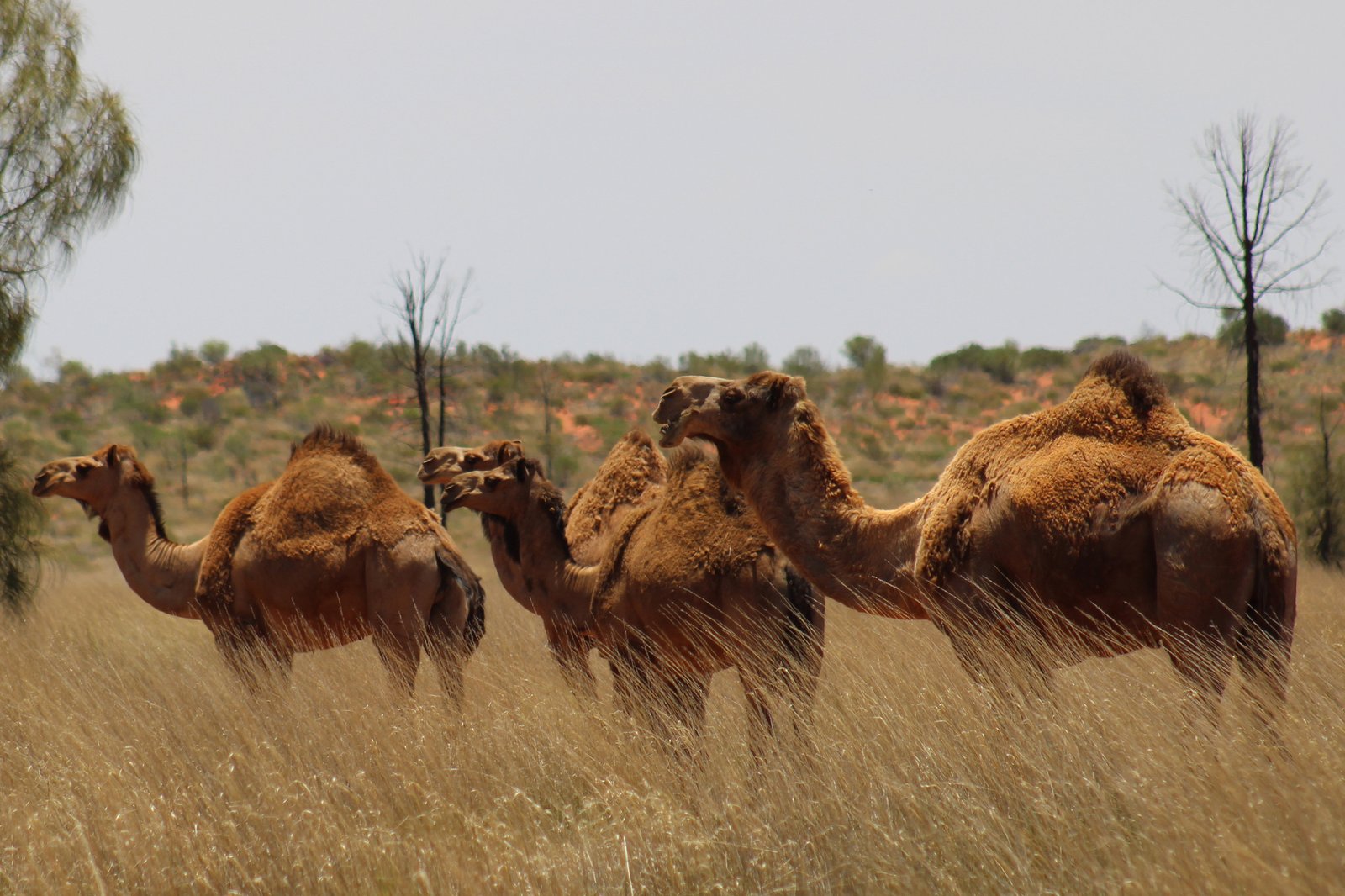
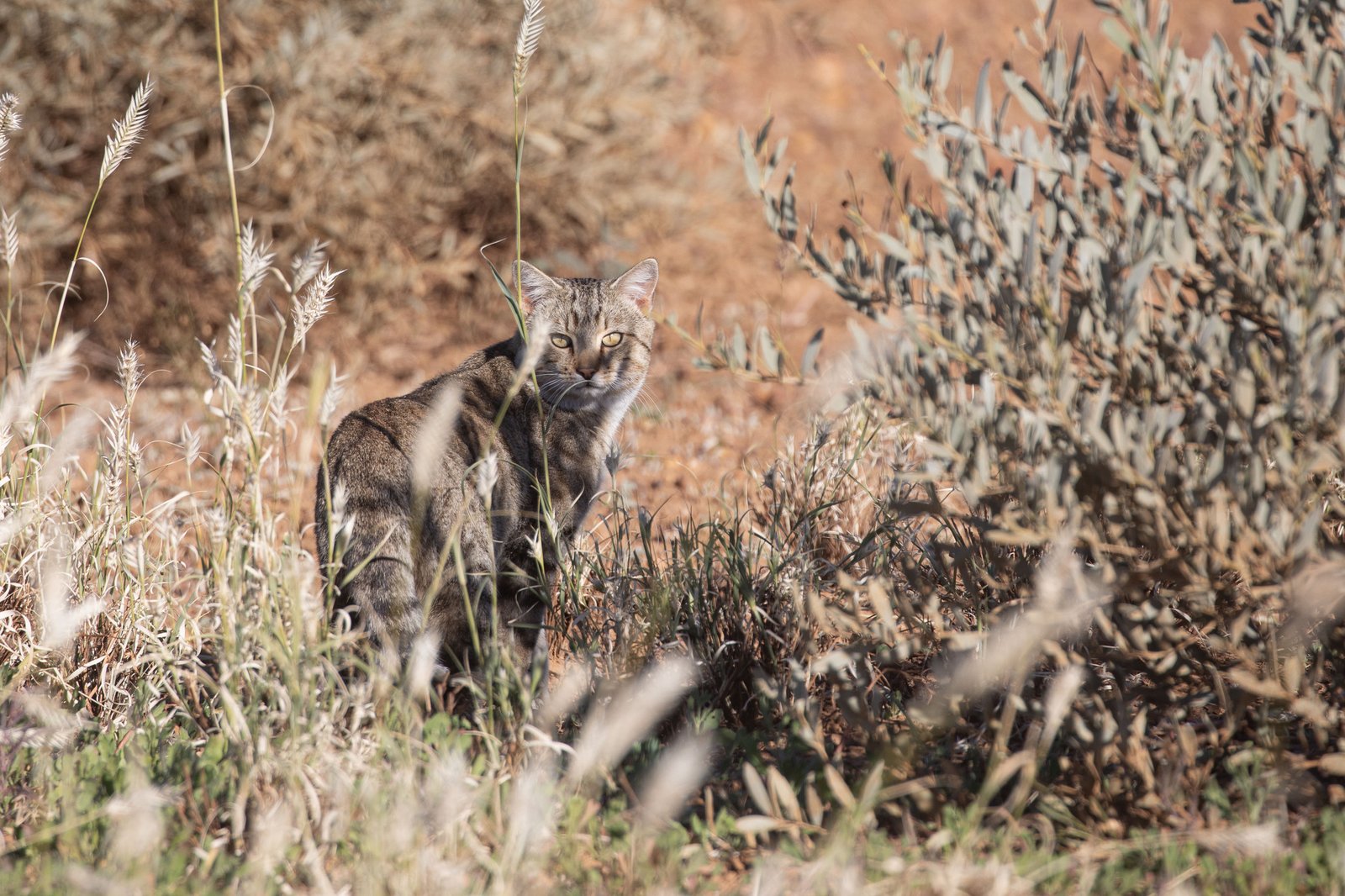
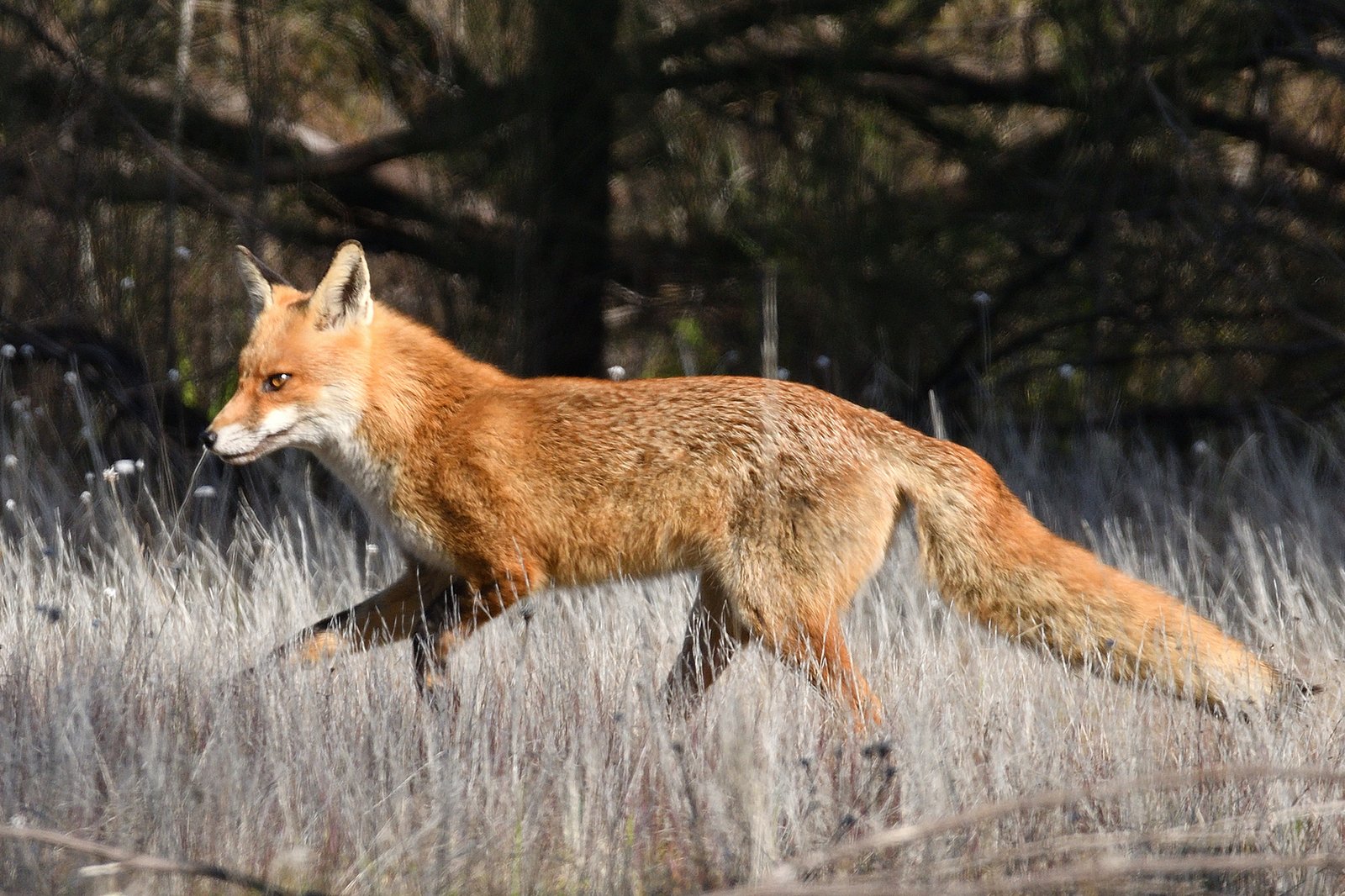
Invasive species are among the most serious threats to biodiversity. Australia has suffered the highest number of mammal extinctions in recent history, and foxes and cats have played a major role.