Our Island Home
Australia is an island continent, shaped by the oceans surrounding its shores. From vibrant tropical reefs and kelp forests, to mangroves, sandy beaches and rocky shores, nowhere else on Earth boasts the sheer diversity of marine and coastal ecosystems.
Sydney Harbour: life under the surface
Sydney bustles with the life of one of the world’s great cities and ports. Beneath the surface of the harbour, nature also flourishes, despite impacts from the human world above.
Well over 3000 known animal species call it home. This is more than any other harbour in Australia and high compared with the world’s other large port cities. Multiple factors contribute to this species’ richness, including significant tidal flushing and the high diversity of habitats. Meet a few of the many species in Sydney Harbour below.
Bull Shark
Carcharhinus leucas
The Bull Shark has the stocky but agile body, strong jaw and keen senses of a predator and is adapted to both salt and fresh water. It is one of the few sharks that is potentially dangerous to people and is probably responsible for most of the shark attacks in and around Sydney Harbour.
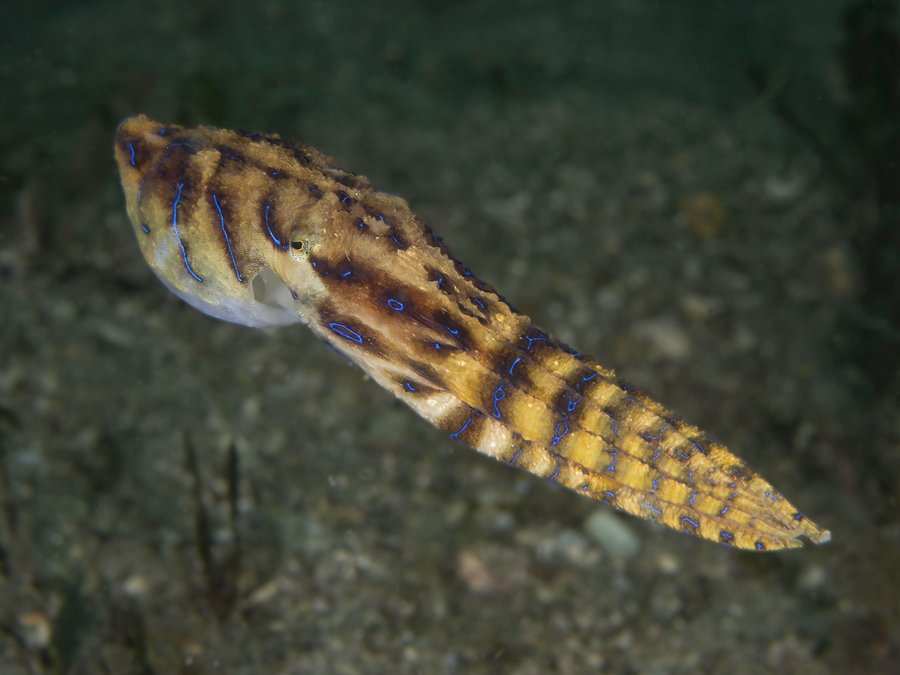
Blue-lined Octopus
Hapalochlaena fasciata
Despite its relatively small size, this octopus is highly venomous, using fast-acting toxins to kill prey. The venom is highly dangerous to humans. Blue-ringed octopuses can change their skin colour and texture to perfectly match their surroundings, making them hard to spot in tidal pools.
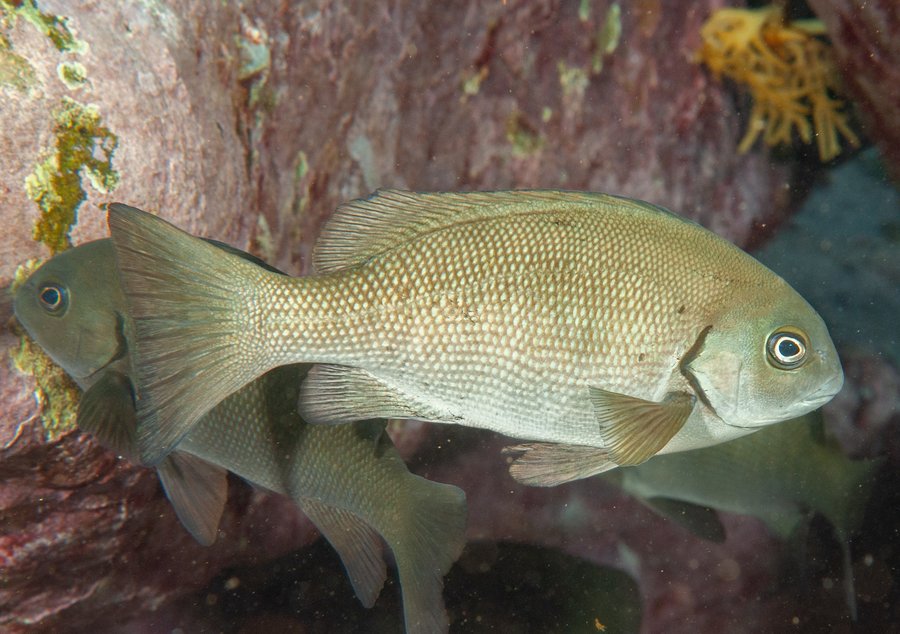
Rock Blackfish
Girella elevata
This fish forms large schools around piers and rocky reefs, to depths of around 25 metres. Juveniles prefer more sheltered areas such as seagrasses, rockpools, estuaries and shallow rocky reefs. They are prized by anglers for their strong fighting spirit
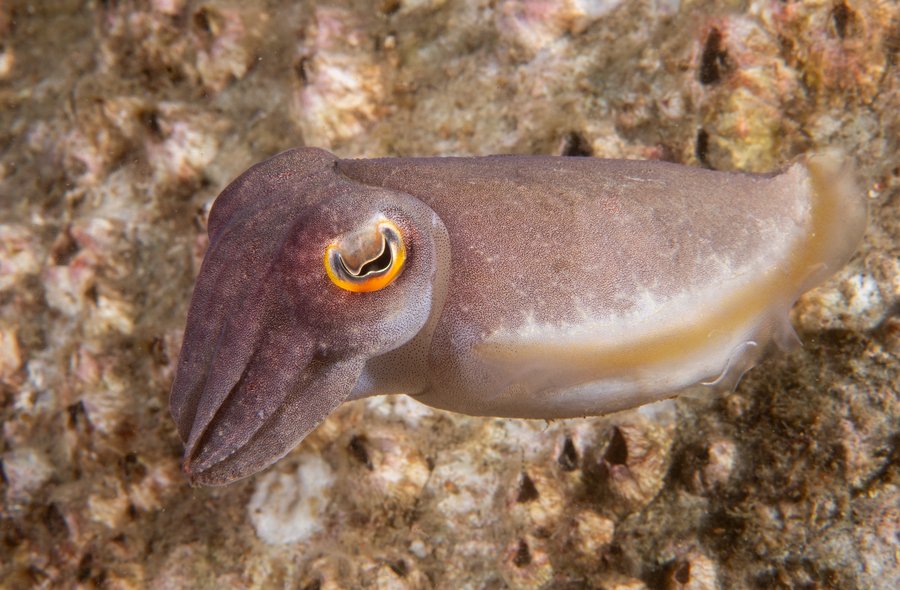
Reaper Cuttlefish
Ascarosepion mestus
This species is endemic to Australia. While usually red, don’t focus on this characteristic if looking for it – it easily changes colour. Like other cephalopods, cuttlefish have no external shell and are highly intelligent - using their brains and colour-changing abilities to hunt prey and avoid predators.

Common Seadragon
Phyllopteryx taeniolatus
Seadragons are often confused with seahorses but, unlike seahorses, male seadragons don’t rear their young in a pouch. Instead, dad carries the eggs on the underside of his tail until they hatch. Don’t be surprised if you’ve never noticed this large and distinctive fish before – its camouflage is so good that it’s easy to overlook.
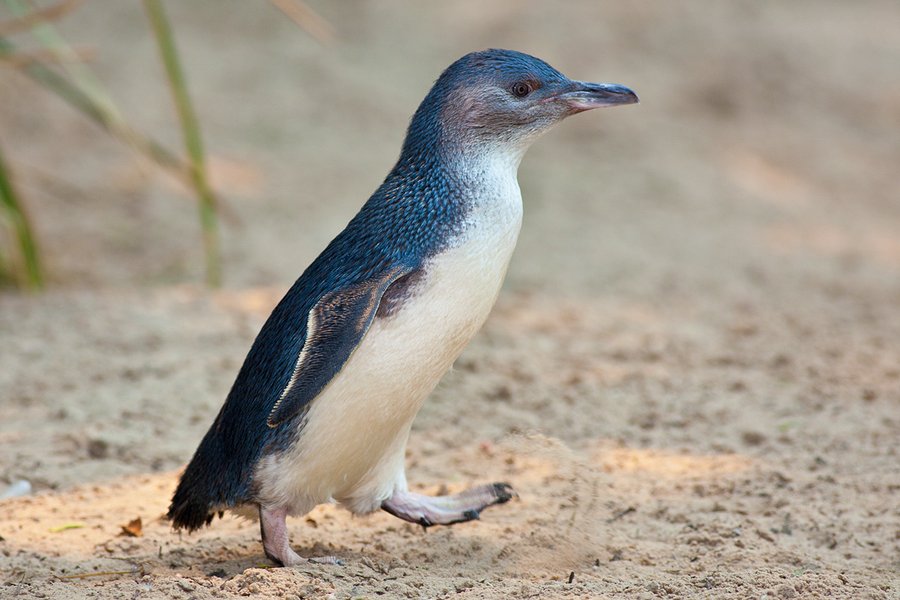
Little Penguin
Eudyptula minor
Little Penguins are the smallest species of penguin in the world. Most forage at sea from dawn to dusk, returning to their burrows at night. They can take a powernap at sea if needed, dozing on the water surface. Their dense feathers with downy bases help them stay dry and warm in the ocean.
Protecting Sydney Harbour
Sydney's iconic harbour is fighting a battle in its waters. Decades of urbanisation are finally catching up to the marine habitat and the species that call it home. Conservation efforts play a vital role in protecting Sydney Harbour and ensuring it remains a thriving environment for all.
In Sydney Harbour 50 per cent of the shoreline is modified by human-made structures. Living Seawalls transforms these into thriving habitats. These tiles are designed using 3D technology to create more usable habitats for small sea creatures like fishes, crabs and oysters.
Caring for our coast
Our coasts are incredible places where the land meets the sea. Animals adjust to the changing coastal conditions, fluctuating tides and constant human interruptions. Beneath the waves, resilient underwater worlds support a vast array of species.
You can explore the interconnectedness of sea creatures firsthand through our fun digital game below.
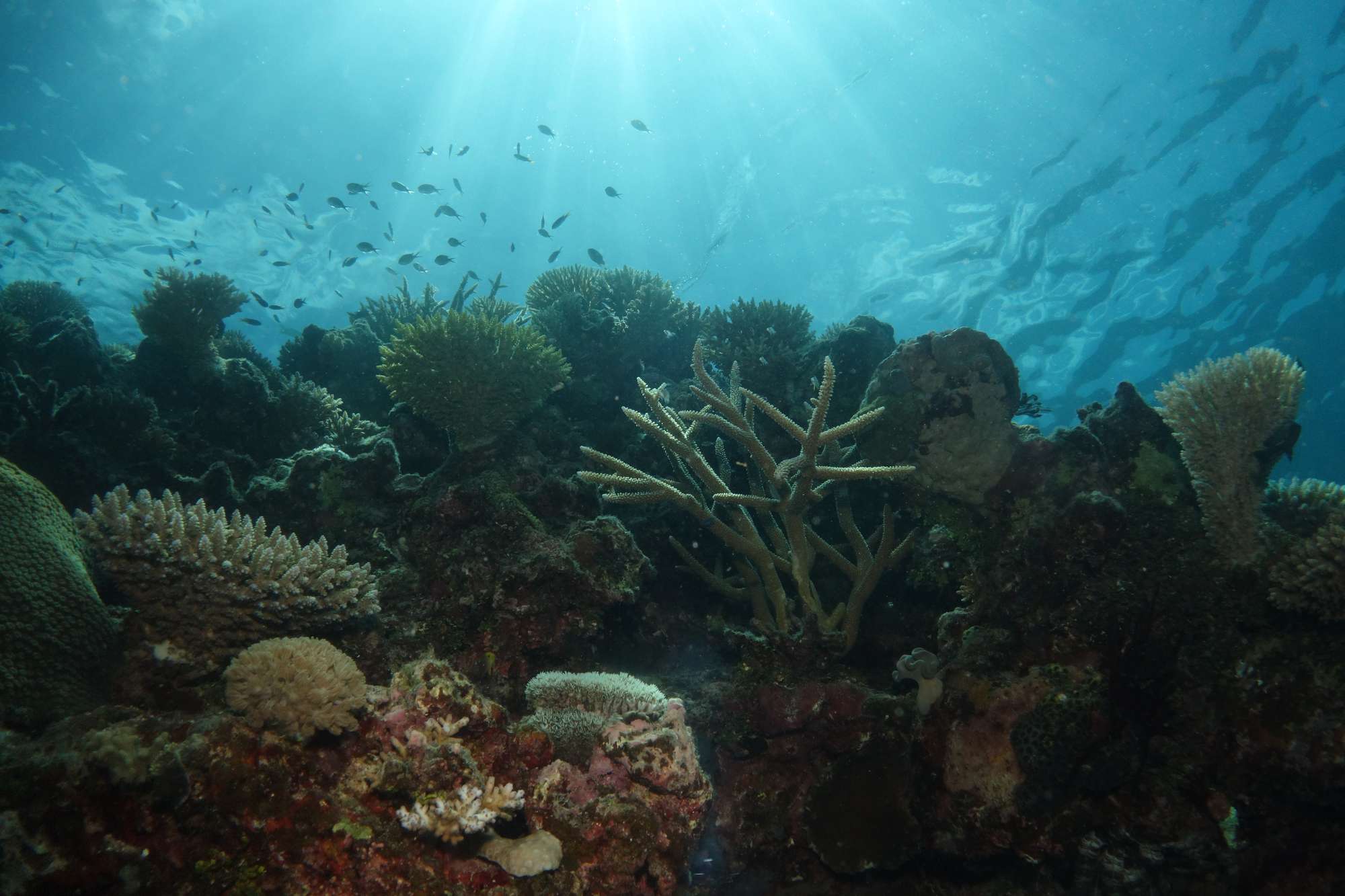
Coral reefs under threat
For many of us, Australia’s coral reefs are a breathtaking place to snorkel, dive and explore. But for thousands of marine species, the reef is more than a holiday destination – it’s home.
Australia without a Great Barrier Reef may become a reality. Back-to-back underwater heatwaves during 2016–17 killed over 40 per cent of the coral. Warming waters, intense storms, increased acidity and rising sea levels are also taking their toll. If average temperatures rise another 1°C, it’s goodbye to the Reef as we know it.
Unlike reef animals, humans can fight back by reducing carbon emissions, protecting marine areas and stopping pollution.

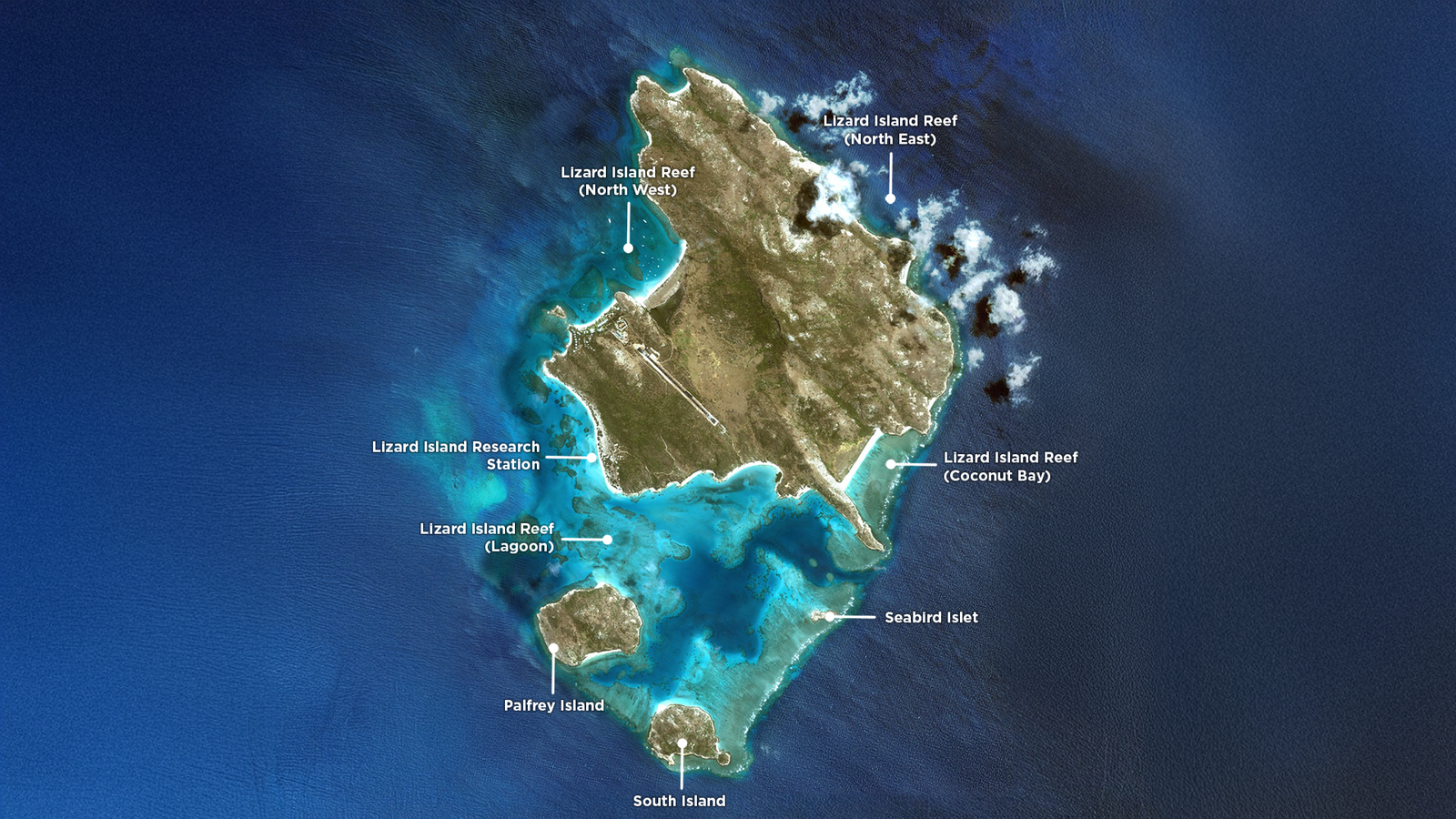
Lizard Island Research Station
The Australian Museum’s Lizard Island Research Station, at the top of the Great Barrier Reef, is a renowned facility for marine and ecological research. Established in 1973, it offers access to pristine coral reefs and serves as a hub for studies on marine biology, ecology and climate change. Researchers worldwide use the station to examine coral reefs, marine species, and the effects of environmental changes like ocean warming and acidification.