Big City Life
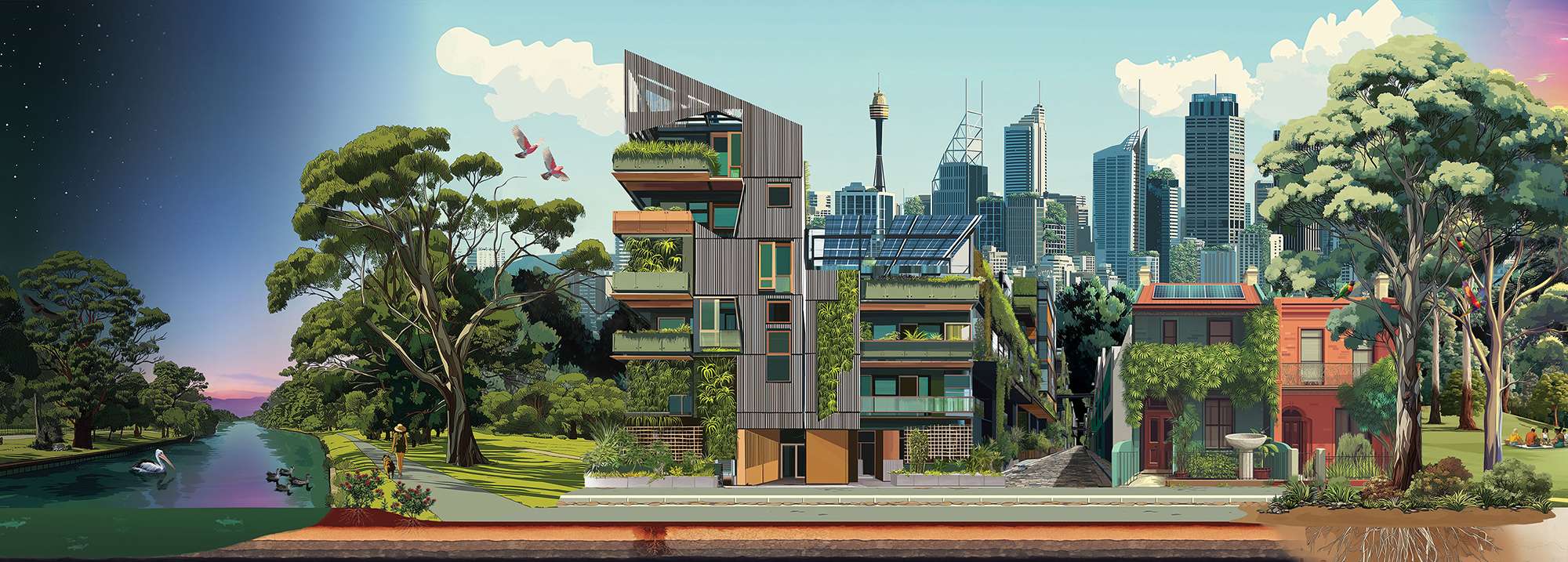
Australia's cities have created urban habitats where only the most adaptable animals can thrive. From backyards to buildings, meet the native species adjusting to city life and the introduced pests that flourish in urban environments. Discover how we can design cities that support both people and wildlife.
Australian animals in the city
If you're like most Australians, you probably call a city home. Our ‘concrete’ ecosystems present challenges for all species, and being one of the world’s most urbanised countries comes at a cost.
City life means navigating traffic, pollution, increased heat and much more. We mostly deal with it, but many native animals can’t. Those that could adapt have thrived, alongside the pests that love the hustle and bustle. Our cities are wilder than they seem, you just need to know where to look.
As cities sprawl and climate extremes intensify, urban wildlife is adapting fast to keep up. It is becoming smarter, sneakier and more resilient than ever. Cockatoos have learned different ways to open bins, rats use roof spaces to travel between rubbish-filled feeding sites, and Noisy Miners have altered their diets to include packet sugar stolen from cafe tables.
City life is loud, busy and dangerous – but for the bold and adaptable, it’s a land of endless opportunity.
Explore the interactive below to learn about the animals that have adapted to city life.
Building cities for nature
Imagine a city where nature isn't pushed to the edges; it is embedded within it. By protecting our bushland and waterways, connecting fragmented habitats, and designing living buildings, we can create cities that support rich biodiversity. In rewilded parks, bandicoots roam through bush corridors. On green rooftops, pollinators thrive among native gardens. In restored wetlands, frogs call to find a mate and freshwater turtles bask in the sun.
Cites that embed nature become safe havens for people and for wildlife. The future is greener and full of possibilities.
Explore the interactives below to learn how we can build cities where nature doesn’t just survive, it thrives.
Building a cooler future
Sydney is Australia’s largest city and one of the world’s most liveable, but it’s not exempt from climate change impacts. In recent years, Sydneysiders have experienced more intense heatwaves and storms, power grid collapses, issues with water access and public transport services, and increased health problems from heat stress.
There is a lot we can do in our cities and towns to tackle climate change. It is important to choose clean energy and clean transport, use materials sustainably, grow more, and care for our communities and native species.
Nocturnal animals in our backyards
There are plenty of animals that go bump in the night – some crawl or fly, wake up the neighbourhood with strange noises or go about their business in deathly silence. Nocturnal animals often have enhanced senses with oversized eyes, ears or nostrils to capture more light, sound or scent. Some can be very loud when they want to find a mate, some can be very silent when they need to surprise their prey, and some can hide so they won’t be eaten. Explore them below.
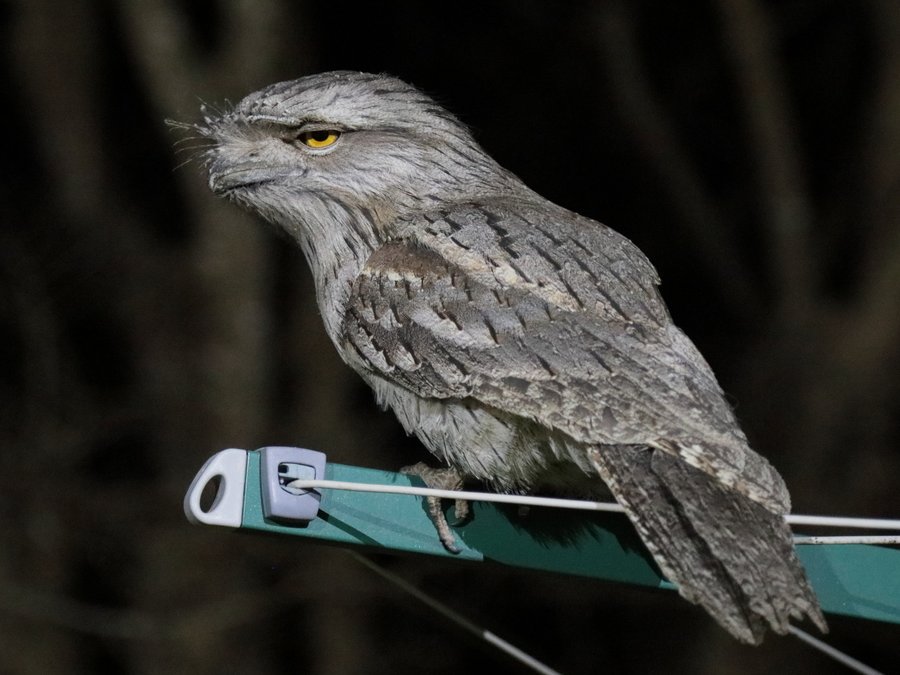
Tawny Frogmouth
Podargus strigoides
The Tawny Frogmouth is a master of disguise. Its mottled plumage helps it blend seamlessly into its surroundings. During the day, it stays motionless in a posture that mimics a broken tree branch. At night, it hunts much like an owl.
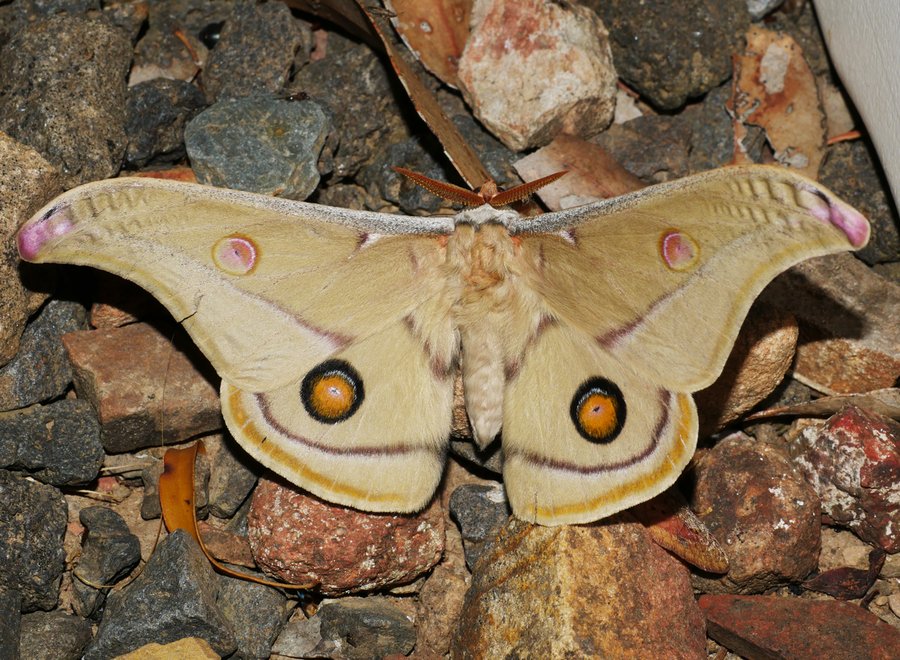
Emperor Gum Moth
Opodiphthera eucalypti
This moth’s earthy brown and grey wing pattern helps it blend into tree bark, making it less visible to predators. It typically only lives a couple of weeks as an adult; it does not eat during this time but focuses on reproduction.
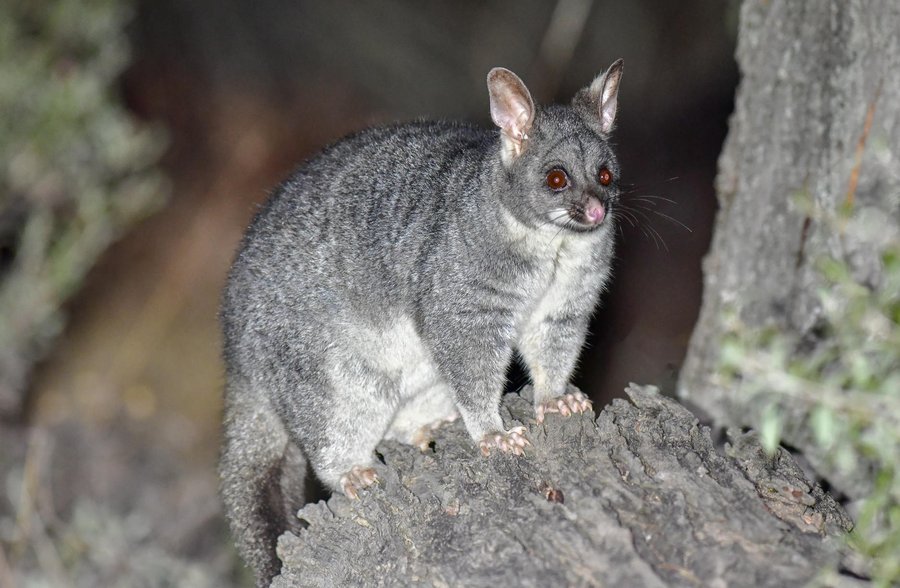
Common Brushtail Possum
Trichosurus vulpecula
Brushtail Possums aren’t shy animals. They’ve adapted to cope with our urban sprawl and, as they’re nocturnal and noisy, often keep the whole neighbourhood awake. They’ll scramble noisily across roofs or pierce the night with hair-raising screeches to find a mate or signal danger. Not much fun when you’re trying to sleep!
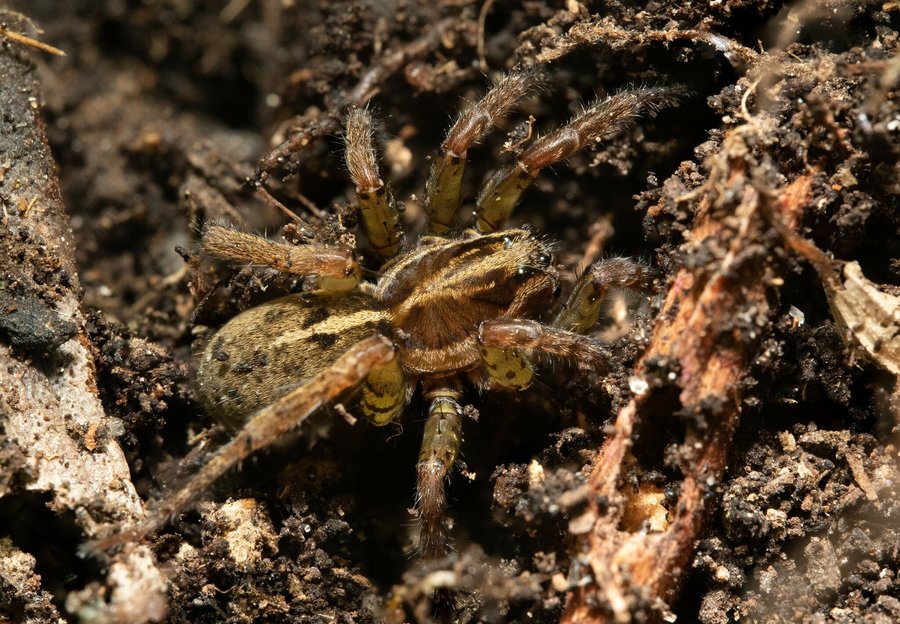
Garden Wolf Spider
Tasmanicosa godeffroyi
Wolf spiders are incredible nocturnal hunters. Two of their eight eyes are large and forward-facing with a reflective layer useful for detecting prey in low light. Unlike web-building spiders, wolf spiders pounce on or chase down their prey.
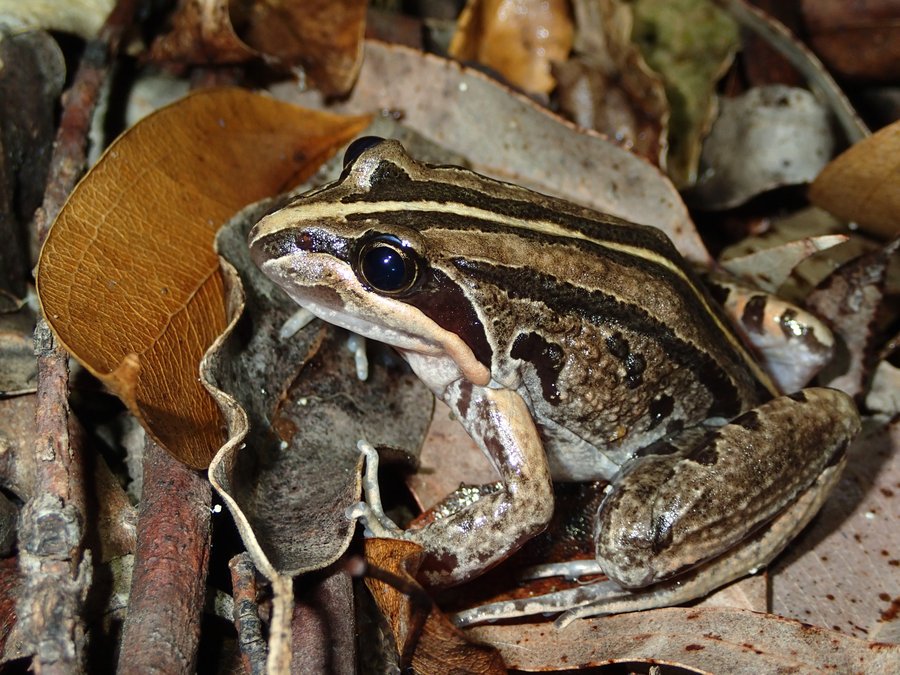
Striped Marsh Frog
Limnodynastes peronii
The Striped Marsh Frog is one of the most common frogs on the east coast of Australia. Male frogs make a distinctive ‘tok’ call at night to attract a female and defend their territory. During the day, they typically hide in vegetation, or under rocks, logs and leaf litter to avoid predators and heat.
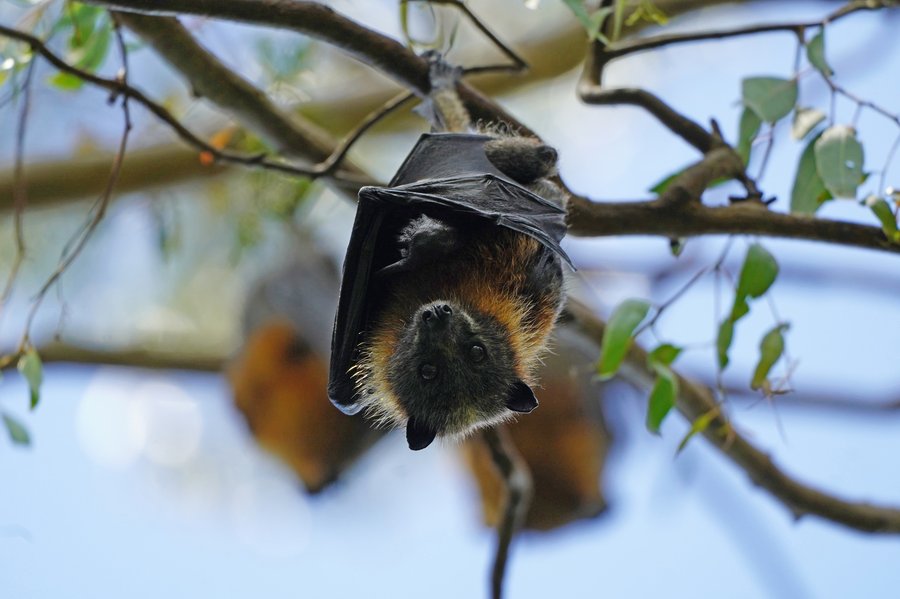
Grey-headed Flying-fox
Pteropus poliocephalus
With a wingspan of over one metre, the Grey-headed Flying-fox is one of the largest bats in Australia. At night it can travel 50 kilometres to find fruit, nectar and pollen from native trees. They navigate and locate food using their strong sense of smell and keen eyesight, rather than echolocation