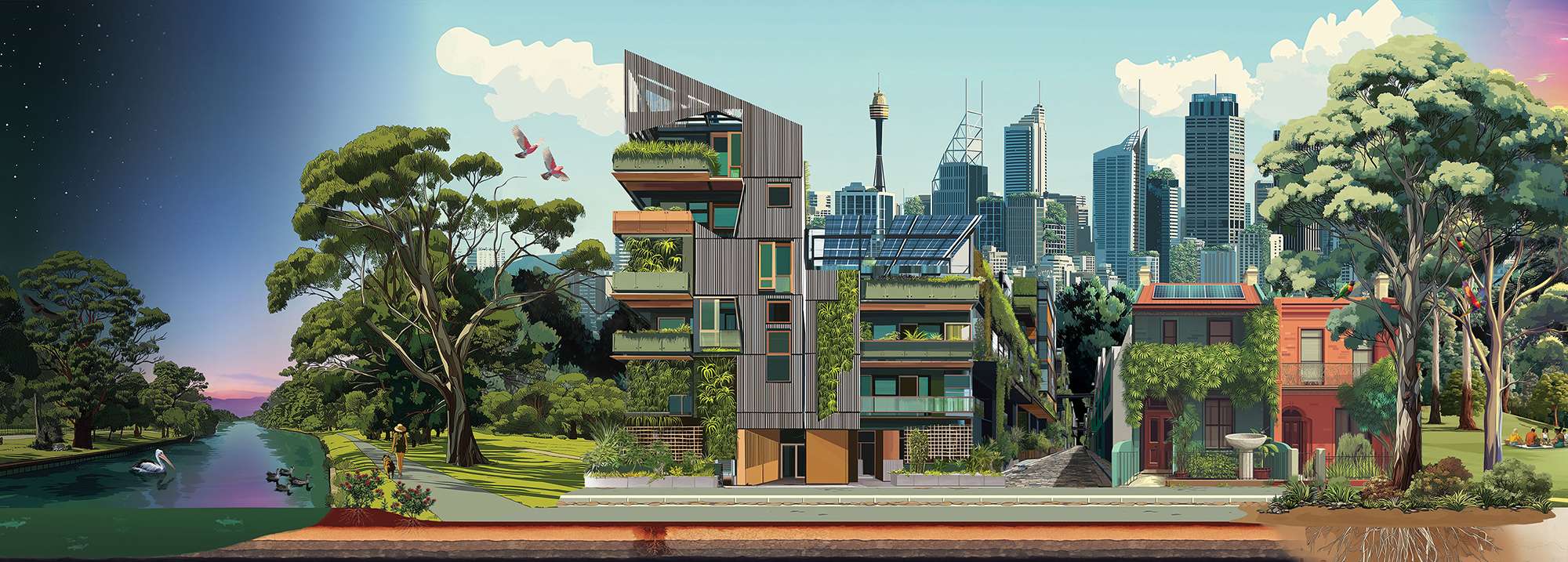
Surviving Australia
From eucalyptus forests to coral reefs and the outback, meet the animals that have evolved remarkable adaptations to thrive in diverse Australian habitats. Discover stories of both triumph and extinction that shaped one of Earth's most unique ecosystems.
Prehistoric Australia
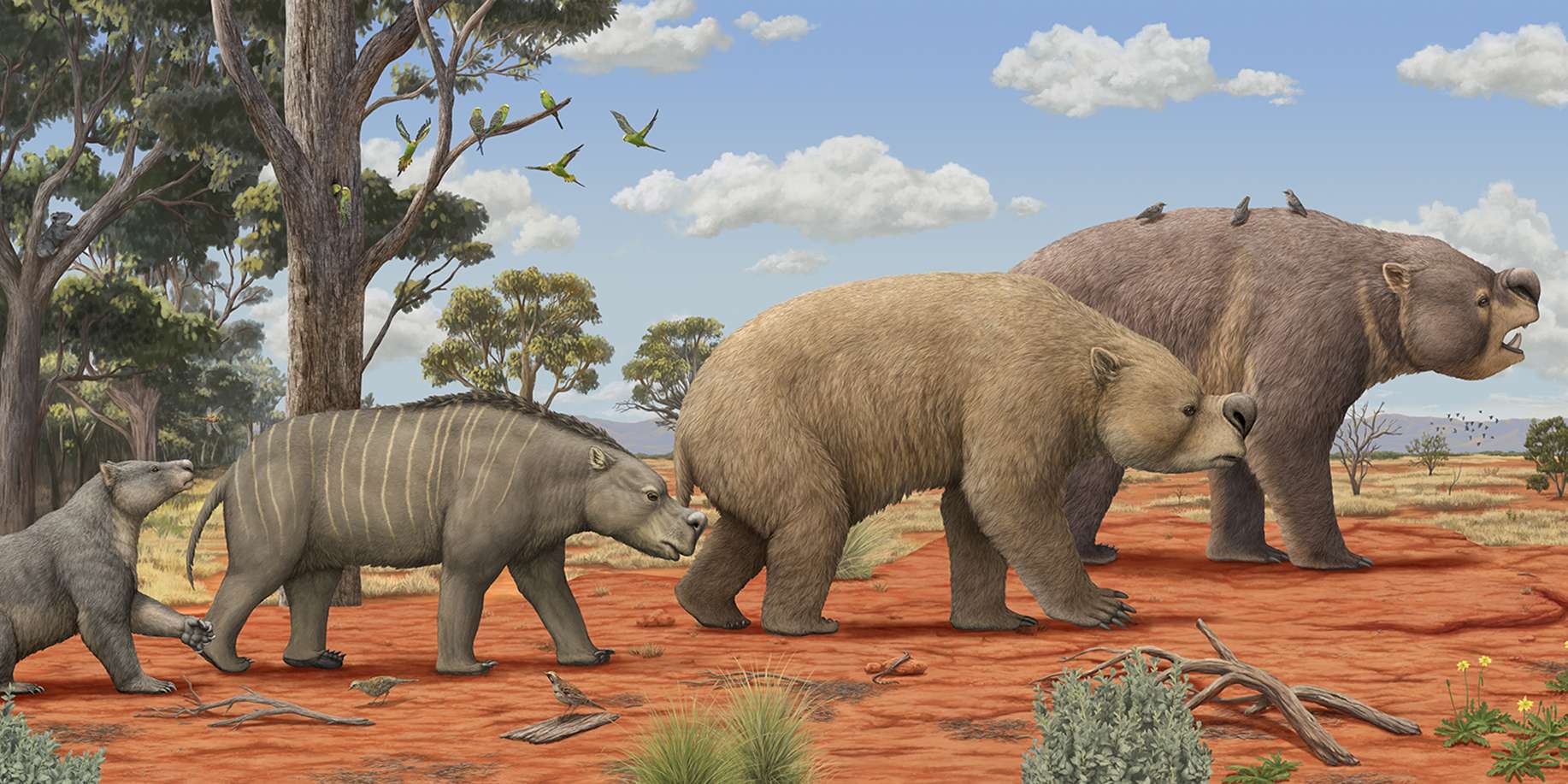
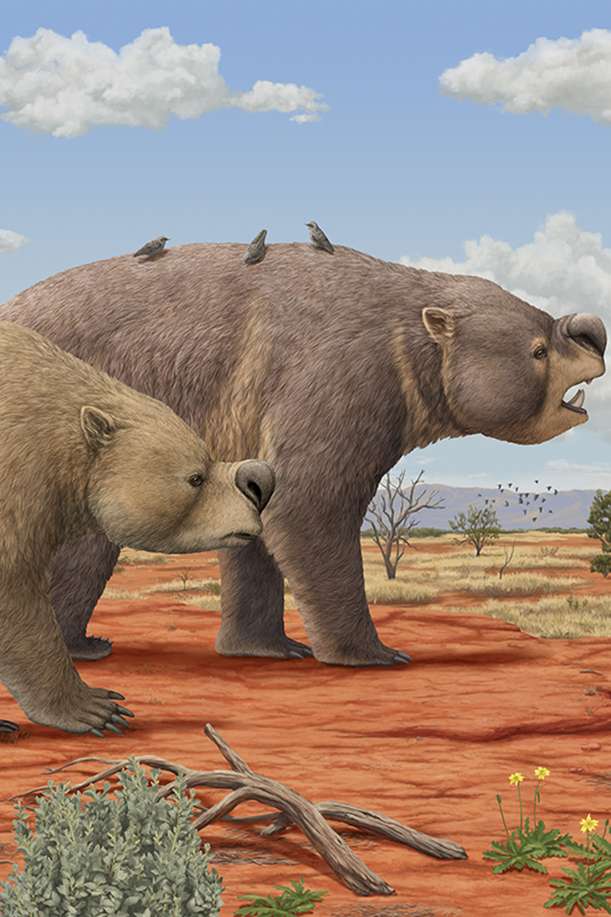
Australia's prehistoric history reveals dramatic transformations in ancient landscapes and extinct species that shaped today's unique biodiversity. From megafauna to ancient marine life, discover the extraordinary animals that lived in prehistoric Australia millions of years ago.
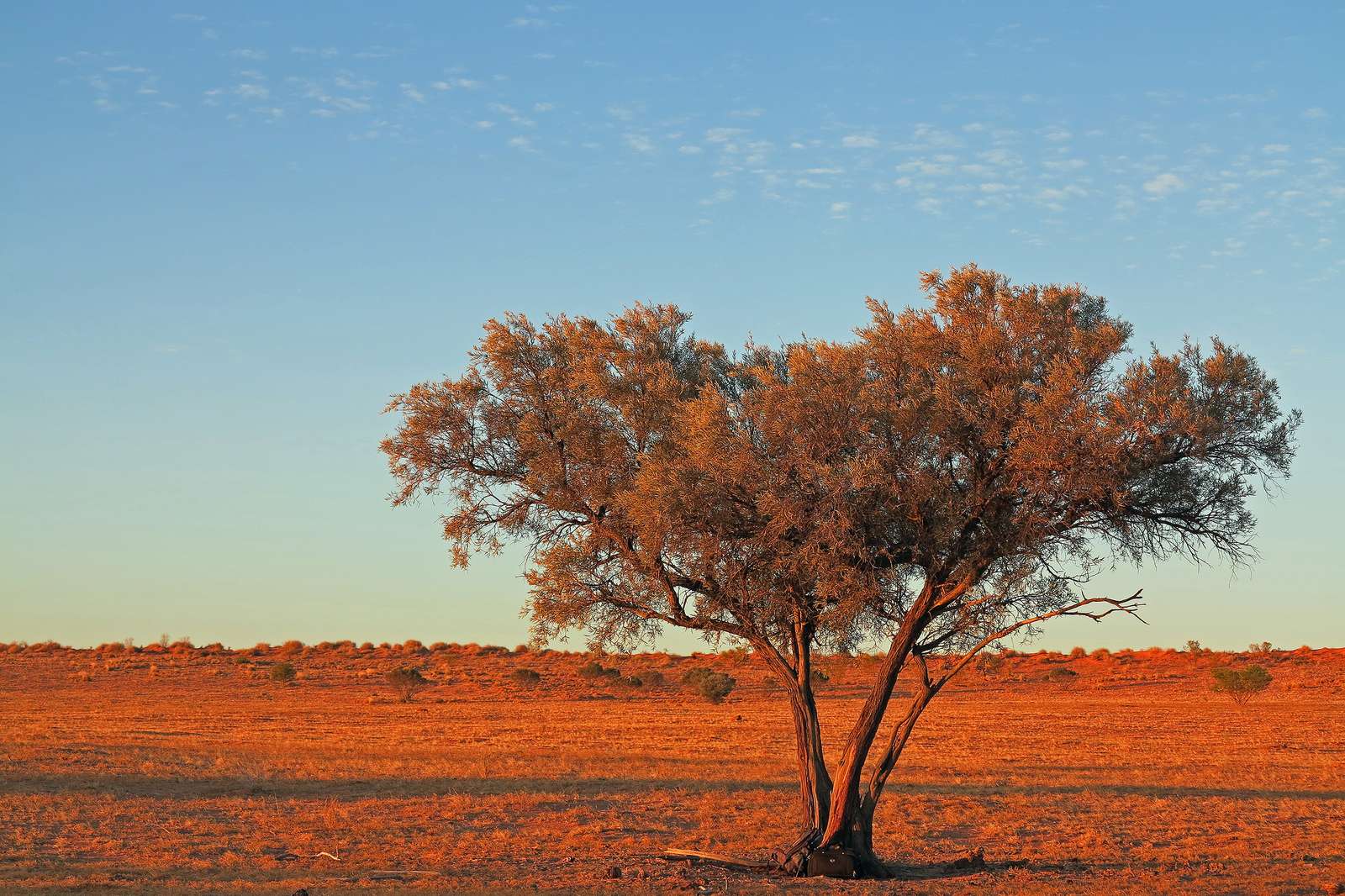
The Red Centre
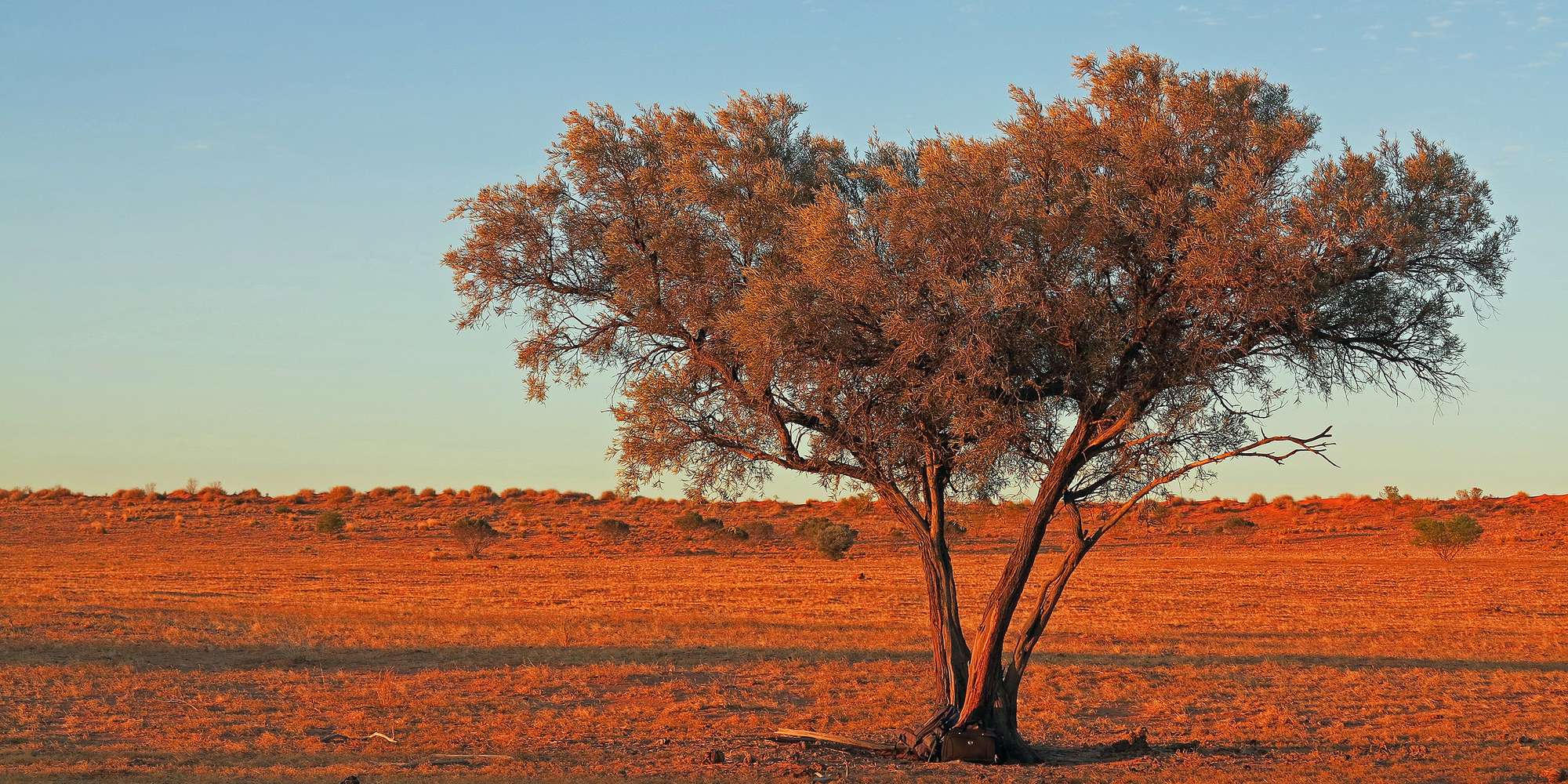
Spreading from Australia's vast centre are numerous rocky, sandy, grassy or saltbush deserts - home to some of the world's most resilient animals, spectacularly adapted to extreme heat, freezing cold and unpredictable rainfall.
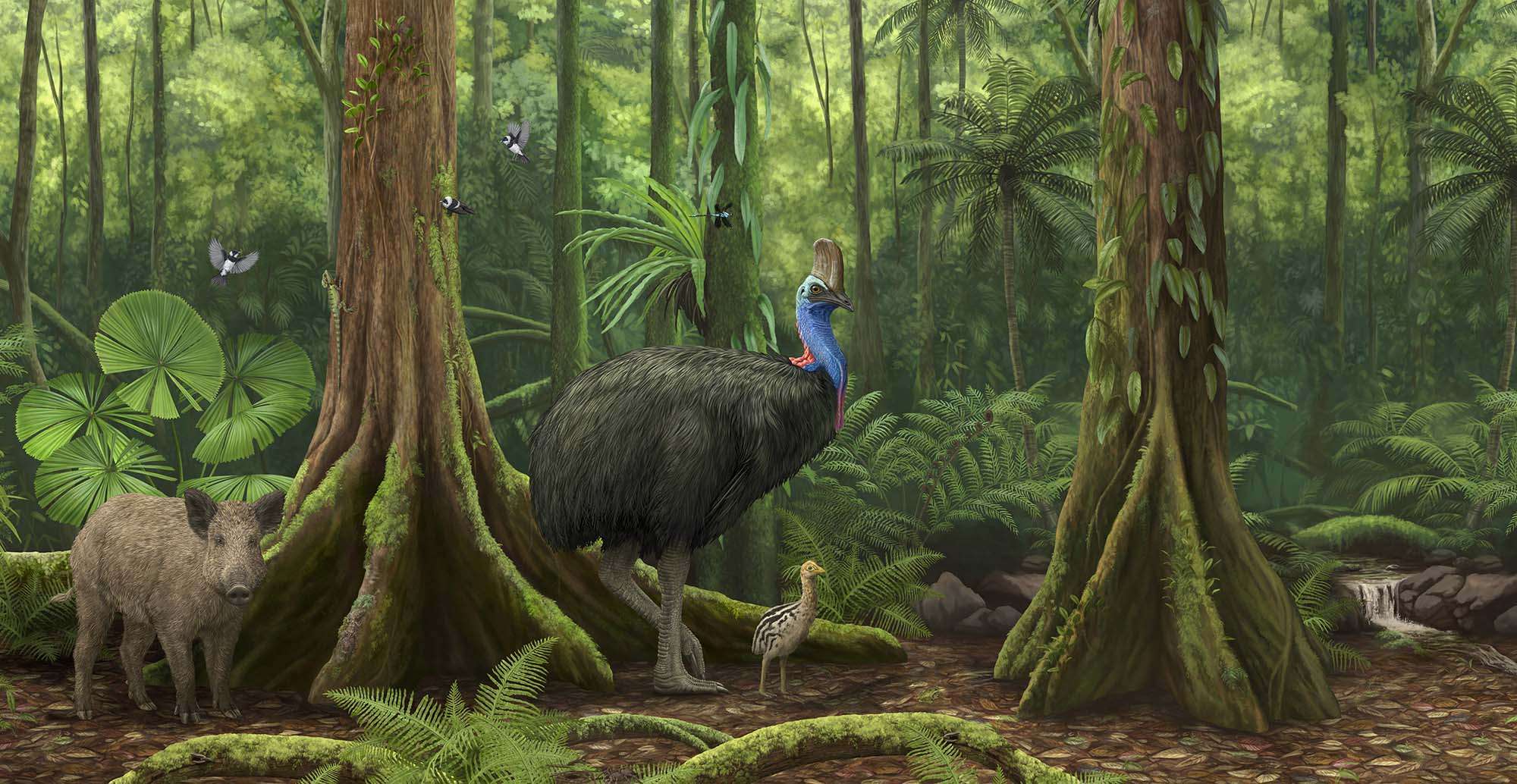
The Enduring Bush
Australia's bushland includes eucalyptus forests, tropical rainforests, and semi-arid scrubland. These diverse ecosystems are home to many of Australia's iconic native animals and play a vital role in our natural heritage.
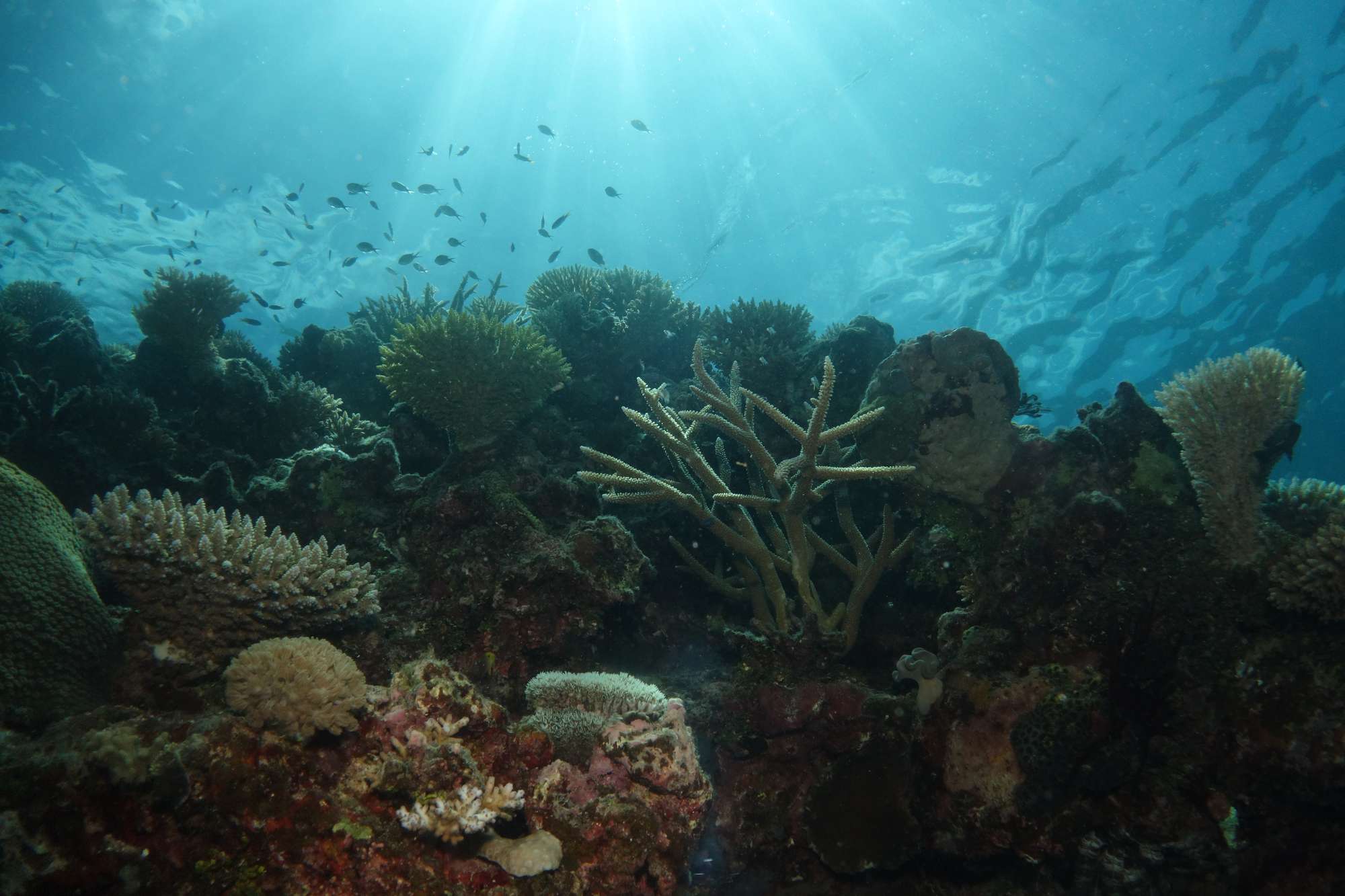
Our Island Home
Australia is an island continent, shaped by the oceans surrounding its shores. From vibrant tropical reefs and kelp forests, to mangroves, sandy beaches and rocky shores, nowhere else on Earth boasts the sheer diversity of marine and coastal ecosystems.
Big City Life
Australia's cities have created urban habitats where only the most adaptable animals can thrive. From backyards to buildings, meet the native species adjusting to city life and the introduced pests that flourish in urban environments. Discover how we can design cities that support both people and wildlife.